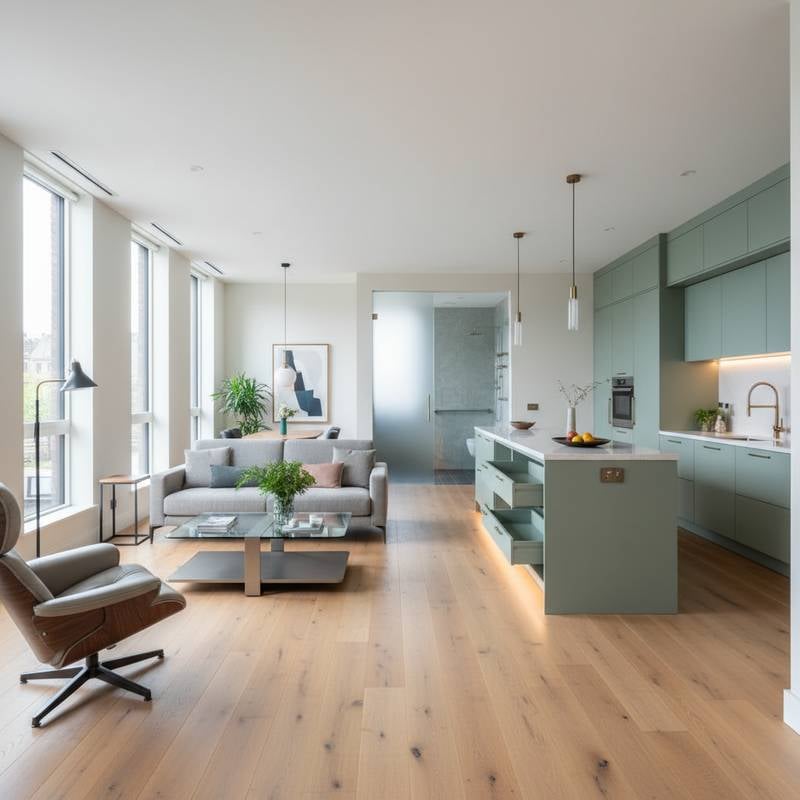
Universal Design: Creating a Home That Supports Lifelong Independence
Universal design principles build environments that accommodate people of all ages and abilities. These approaches focus on safety, ease of use, and aesthetic appeal, allowing homeowners to remain in their residences comfortably over time. By integrating these elements during a remodel, individuals can address potential challenges proactively without compromising the home's character.
This guide provides practical strategies for implementing universal design. It covers assessment techniques, modification options, and decision points between DIY efforts and professional assistance. The result is a residence that evolves with its occupants, promoting both functionality and enjoyment.
Essential Overview of Age-in-Place Remodeling
Age-in-place remodeling transforms standard homes into adaptable spaces. Key benefits include reduced fall risks, improved navigation, and enhanced daily convenience. Homeowners gain confidence in their surroundings, knowing the design anticipates future needs.
The process begins with evaluating current layouts and ends with ongoing upkeep. Expect improvements in areas like entryways, bathrooms, and kitchens, where accessibility features integrate seamlessly. Such updates not only support physical well-being but also preserve property value through timeless, practical enhancements.
Budget and Timeline Considerations
Universal design remodels vary in expense based on project scope, home size, and material choices. A comprehensive overhaul typically ranges from $15,000 to $80,000, with targeted updates falling lower.
Specific estimates include:
- Bathroom renovations: $8,000 to $25,000, covering grab bars, walk-in showers, and adjustable fixtures.
- Kitchen adaptations: $10,000 to $35,000, incorporating lower counters and reachable storage.
- Entryway enhancements: $2,000 to $10,000, such as ramps and threshold reductions.
Simple DIY tasks, like installing lever handles, require only a few hours and minimal tools. Extensive projects under professional supervision may span two to eight weeks, depending on permits and complexity. Factor in additional time for material sourcing and unexpected adjustments.
Project Difficulty: Moderate for basic changes; advanced for those involving structural, electrical, or plumbing work. Consult local codes to ensure compliance.
Deciding Between DIY and Professional Help
Experienced homeowners can handle straightforward modifications that enhance accessibility without major alterations. Suitable DIY projects include:
- Securing grab bars to wall studs using heavy-duty anchors.
- Swapping traditional doorknobs for lever-style handles that require less grip strength.
- Upgrading to LED bulbs and motion-sensor lights for better visibility.
These efforts keep costs low, often under $500 per area, and allow for immediate implementation.
Professional contractors become essential for complex tasks that demand expertise and safety measures. Engage licensed experts for:
- Expanding doorways to at least 32 inches wide to accommodate mobility aids.
- Converting bathtubs to curbless showers with proper waterproofing.
- Reconfiguring cabinetry and counter heights to support seated or standing use.
- Building exterior ramps compliant with slope standards (1:12 ratio maximum).
Professional services start at several thousand dollars and scale with project demands. Always verify credentials to avoid subpar results that could compromise safety.
Detailed Planning Process for Universal Design Implementation
Effective remodeling starts with thorough preparation. Follow these steps to create a cohesive, user-friendly home.
1. Evaluate Existing Accessibility
Conduct a room-by-room inspection to pinpoint obstacles. Measure door widths, note high thresholds, and test pathways for wheelchair or walker clearance, aiming for at least 36 inches.
Consider daily routines: Can one reach light switches easily? Does flooring pose slip hazards? Document findings with photos and notes to guide priorities.
2. Enhance Entryway Access
Prioritize seamless transitions from outdoors. Install a gently sloped ramp using concrete or composite materials, ensuring a maximum rise of one inch per foot.
Opt for non-slip paving stones or textured concrete at the entrance. Eliminate or bevel door thresholds to under half an inch, facilitating smooth passage for all users.
3. Optimize Interior Lighting
Adequate light reduces accidents in low-visibility areas. Position fixtures to deliver 100 foot-candles in kitchens and bathrooms, using layered options like overhead and task lighting.
Mount rocker-style switches at 48 inches from the floor for easy access. Select warm-toned LEDs to minimize glare, and add automatic sensors in closets and garages.
4. Revamp Bathroom Layouts
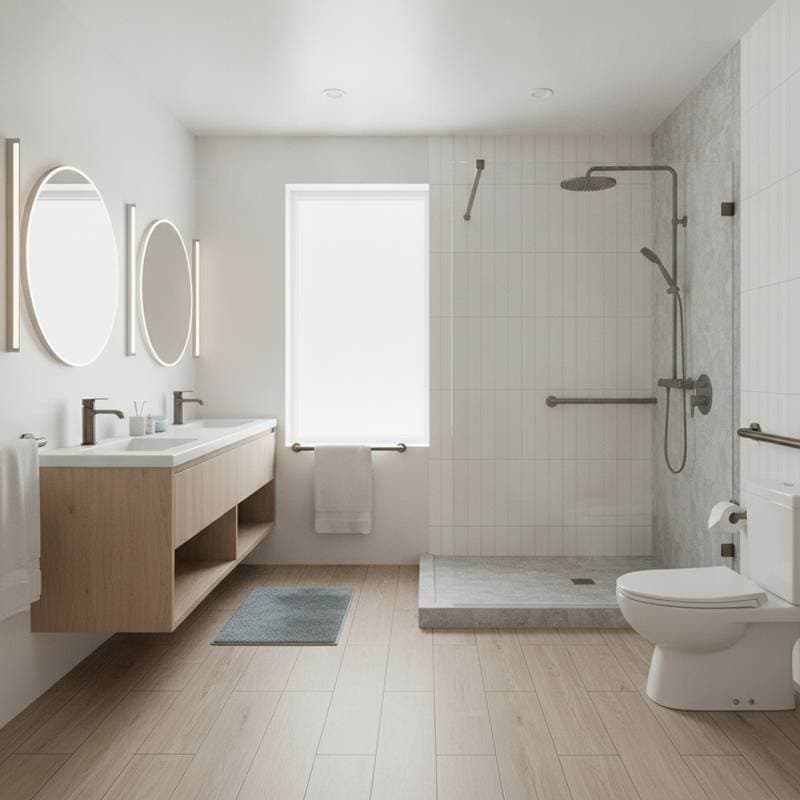
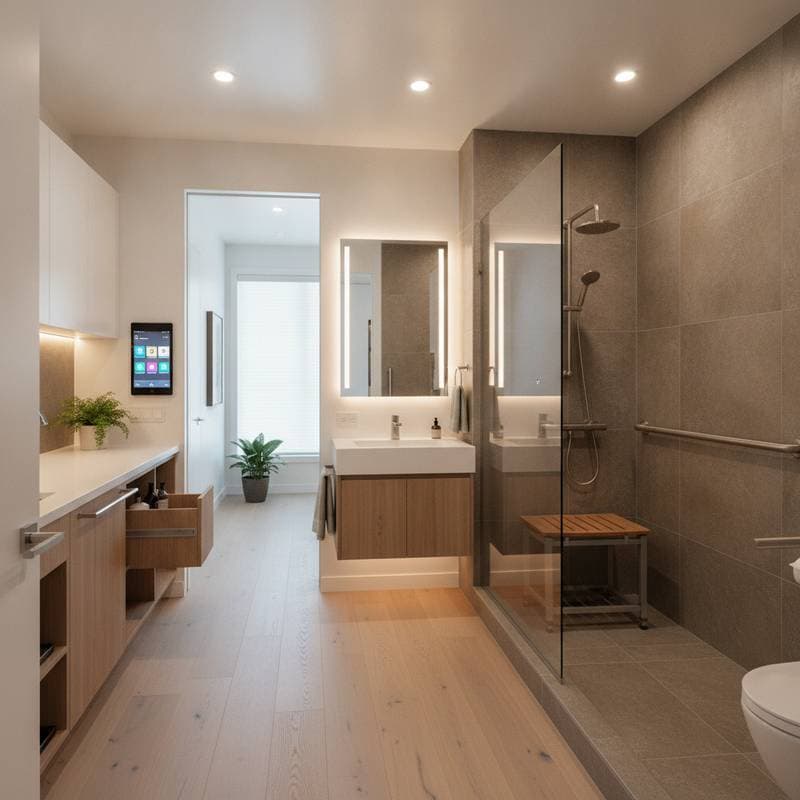
Bathrooms demand focused upgrades for hygiene and safety. Replace traditional tubs with roll-in showers featuring fold-down seats and adjustable-height showerheads on sliding rails.
Position grab bars strategically: one near the toilet at 33 to 36 inches high, and multiples in the shower area rated for 250 pounds or more. Choose matte-finish tiles with a coefficient of friction above 0.6 to prevent slips, and install anti-scald valves on faucets.
5. Refine Kitchen Functionality
Kitchens benefit from ergonomic adjustments that promote independence. Install pull-out drawers and lazy Susans in base cabinets to access items without bending deeply.
Vary countertop heights: 34 inches standard, with sections at 28 to 30 inches for wheelchair users. Select appliances with side-opening ovens and front-control ranges, ensuring controls are within 15 to 48 inches from the floor.
6. Improve Flooring and Circulation Paths
Select materials that balance durability and safety. Vinyl plank or cork flooring offers cushioning and traction, while low-pile carpets (under 0.5 inches) minimize trip risks.
Maintain clear 36-inch hallways and remove area rugs during transitions. For multi-level homes, consider stair glides or platform lifts as long-term solutions.
Each phase builds toward a unified design. Test modifications post-installation to confirm usability.
Key Safety Precautions During Remodeling
Safety remains paramount throughout the process. Shut off electricity at the breaker before any wiring tasks, and use ground-fault circuit interrupters in wet areas.
When working elevated, secure ladders on level surfaces and employ non-slip footwear. Clear debris promptly to avoid clutter-related falls, and ventilate spaces during painting or adhesive use.
Critical Alert: Structural modifications require engineering reviews to prevent load-bearing issues. Adhere to building codes for all installations.
Common Issues and Resolution Strategies
Post-installation checks ensure reliability. If a grab bar wobbles, reinforce with toggle bolts into drywall or consult a professional for stud relocation.
Verify doorway clearances exceed 32 inches net, accounting for hardware. Calibrate thermostats to cap hot water at 120 degrees Fahrenheit, and install temperature monitors for ongoing assurance.
Address uneven floors by leveling with self-adhesive shims before new coverings. Regular testing prevents small problems from escalating.
Project Completion: Cleanup and Waste Management
Conclude with organized disposal to maintain a tidy site. Sort recyclables like metal fixtures and wood scraps through community programs, reducing landfill contributions.
Hire services for hazardous waste, such as old paints or batteries. Vacuum dust thoroughly and seal off areas to protect air quality during final stages.
Long-Term Care for Universal Design Features
Sustainability extends the remodel's impact. Schedule biannual inspections of hardware, checking for corrosion or wear on grab bars and hinges.
Clean non-slip surfaces with mild solutions to preserve traction. Update lighting as technology advances, ensuring energy efficiency alongside performance.
Prompt replacements keep the home reliable, supporting decades of use.
Engaging Experts for Complex Remodels
Recognize limits of personal skills early. Involve professionals for any work altering foundations, wiring, or water lines to guarantee code adherence and durability.
Hourly rates for specialists range from $75 to $150, with full projects quoted upfront. Use this evaluation framework:
- Confirm licensing, insurance, and bonding status.
- Review portfolios of accessibility-focused work.
- Request detailed bids, timelines, and guarantees.
- Contact recent clients for performance insights.
Qualified teams deliver precision, minimizing disruptions and maximizing results.
Realizing a Secure, Enduring Home Environment
Universal design equips homes to foster autonomy and joy across life's stages. Through strategic planning and quality execution, these remodels yield spaces that feel intuitive and inviting.
Homeowners enjoy sustained independence, fewer maintenance worries, and elevated resale appeal. Invest in this approach to craft a residence that truly endures.