2026 Universal Design Costs for Aging in Place
Homeowners increasingly seek modifications that support independent living as they age. Aging-in-place remodeling incorporates universal design to create environments accessible to individuals of varying abilities. These updates promote safety, comfort, and convenience while preserving aesthetic appeal. This guide details expected expenses, practical project ideas, and strategies to optimize investments for enduring home use.
Principles of Universal Design for Long-Term Living
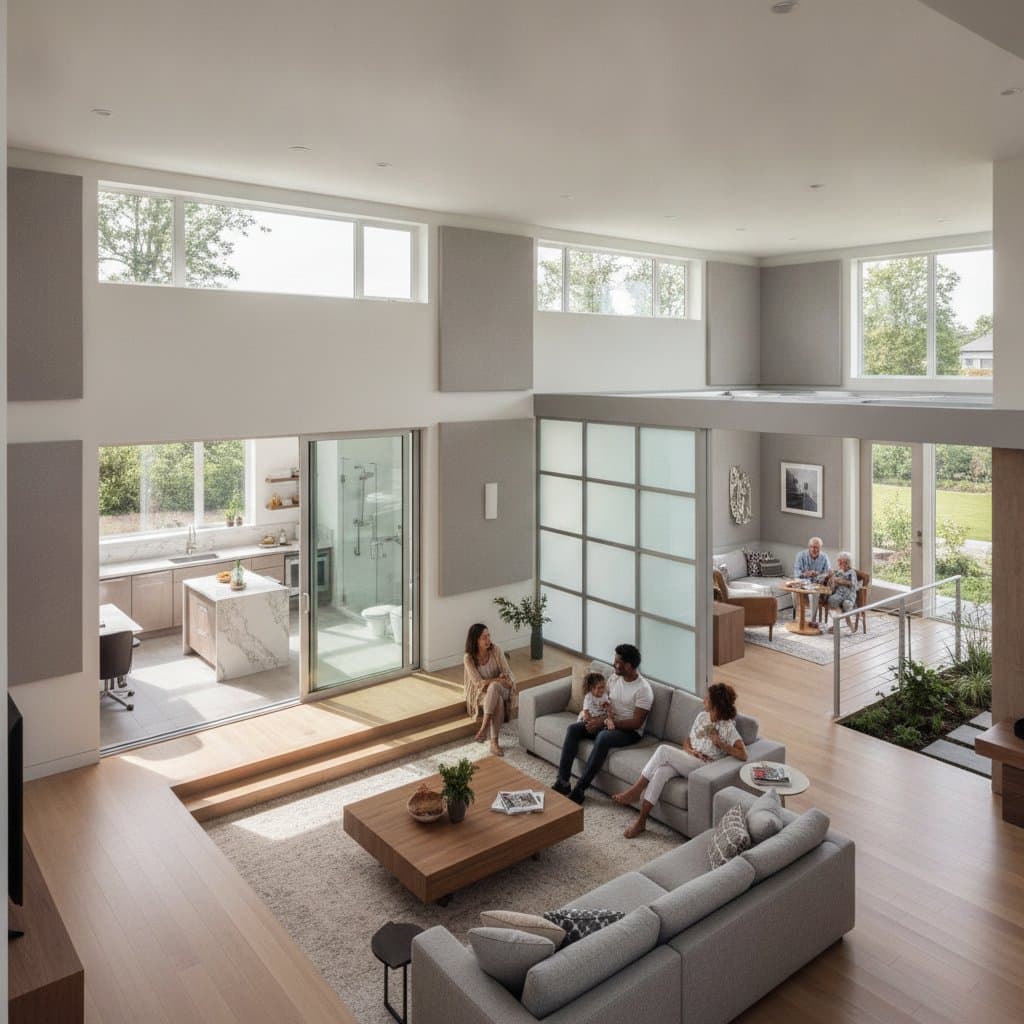
Universal design emphasizes inclusivity by eliminating barriers and enhancing usability for all occupants. Core elements address mobility, visibility, and daily task efficiency. For instance, features accommodate wheelchairs, reduce strain on joints, and minimize accident risks.
Key components include zero-step thresholds at entrances, corridors expanded to 36 inches wide, and door handles shaped as levers for effortless operation. In bathing areas, curbless showers with integrated seats provide secure footing. Kitchens benefit from counters at adjustable heights and appliances positioned for reach without stretching. Flooring options resist slips, and lighting schemes adjust automatically to prevent shadows or glare. Such adaptations serve families across generations and elevate property desirability in competitive markets.
Detailed Cost Analysis by Room
Budgeting requires breaking down expenses by area, as priorities vary among homeowners. Costs fluctuate based on home size, location, material quality, and labor rates. Professionals recommend starting with high-impact zones to allocate funds effectively.
Enhancing Bathroom Accessibility
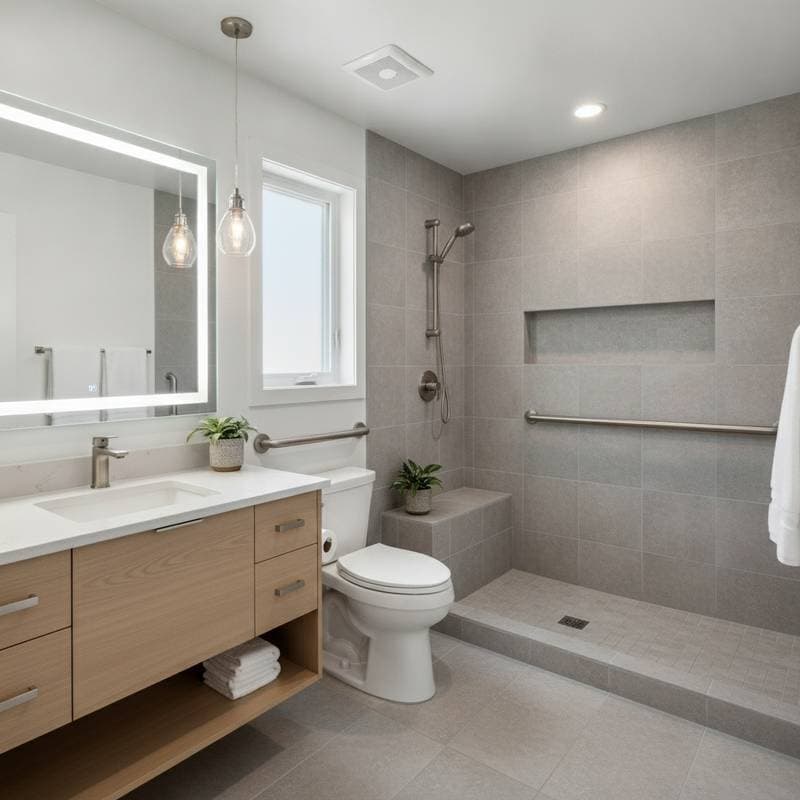
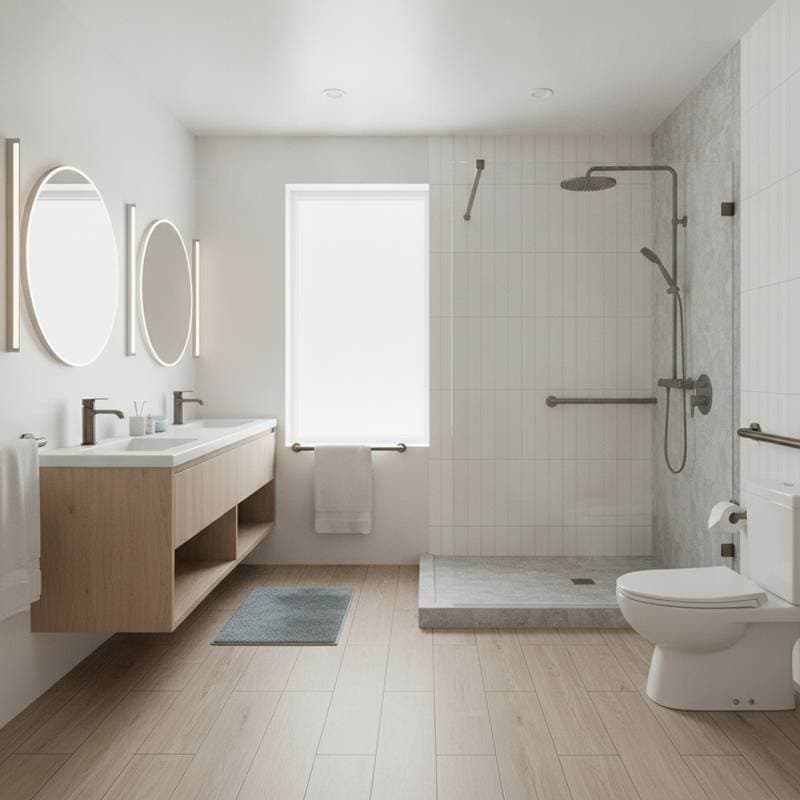
Bathrooms demand attention due to inherent slip hazards and confined spaces. A comprehensive overhaul featuring a barrier-free shower, reinforced grab bars, and textured flooring typically ranges from $15,000 to $35,000. Adding a walk-in tub, which includes hydrotherapy jets for relaxation, increases the investment by $5,000 to $10,000.
Further enhancements like toilets elevated to 17-19 inches for easier use and faucets activated by sensors contribute to independence. These elements comply with safety standards while integrating seamlessly into existing layouts. Homeowners report greater confidence in performing routines without assistance after such upgrades.
Adapting Kitchens for Universal Use
Kitchens evolve into multifunctional hubs under universal design. Remodeling to include counters that lower via mechanical systems, drawers with full-extension glides, and wall ovens at waist height costs $25,000 to $60,000. Cooktops with controls on the front edge and sinks offset for wheelchair clearance facilitate safe cooking.
Selecting matte-finish hardware prevents glare, and task lighting under cabinets illuminates workspaces precisely. These modifications maintain a modern aesthetic, appealing to chefs of any age or ability. Integrating smart appliances, such as voice-activated faucets, adds convenience without complicating the design.
Improving Entryways and Circulation Paths
Smooth transitions from outdoors to indoors prevent trips and eases navigation. Widening doors to 36 inches or more involves $400 to $800 per opening, covering framing adjustments and hardware installation. Zero-step entries, achieved through porch redesign or slab extension, span $2,500 to $7,500, influenced by soil conditions and existing foundations.
Installing exterior ramps with integrated railings averages $150 to $250 per linear foot, ensuring gradual inclines under 1:12 ratio for compliance. Interior hallways benefit from similar expansions, promoting free movement for mobility aids. These changes transform arrivals into welcoming experiences, free from obstacles.
Upgrading Flooring and Illumination
Durable, grippy surfaces form the foundation of safe interiors. Materials like luxury vinyl planks or cork tiles, installed at $4 to $10 per square foot, offer cushioning and traction. Avoid glossy finishes; opt for those with raised patterns to grip shoes effectively.
Lighting upgrades, encompassing recessed ceiling fixtures, pathway strips, and automated sensors, total $2,000 to $5,000 for a standard three-bedroom residence. Dimmers allow customization for reading or low-light navigation, reducing eye strain. Combining these with smart bulbs enables remote control, enhancing overall energy savings.
Strategies to Enhance Value and Investment Returns
Universal design extends beyond immediate needs, bolstering property worth over time. Accessible residences appeal to diverse demographics, often commanding premiums of 5-10% in resale value. Real estate data indicates quicker sales for homes with these attributes in aging communities.
Prioritize bathroom and entry modifications, as they address common buyer concerns. Invest in resilient surfaces like engineered stone for counters and composite decking for ramps to minimize upkeep. Pair accessibility with sustainability measures, such as solar-powered path lights or high-efficiency HVAC systems, to qualify for incentives.
Neutral palettes in whites, grays, and earth tones broaden marketability. Document all improvements with before-and-after photos and certifications to showcase during listings. This approach not only recoups costs but also positions the home as a forward-thinking asset.
Guidelines for Engaging Professionals
Certain projects exceed DIY capabilities, necessitating expert involvement. Seek assistance for rerouting electrical conduits, adjusting plumbing lines, or altering structural supports. Installations of platform lifts or curved stairlifts require precise engineering to meet weight and safety specifications.
Local regulations mandate permits for most invasive work; non-compliance risks fines or reversals. Verify contractor credentials, including Certified Aging-in-Place Specialist (CAPS) designation, which signifies training in adaptive environments. Request portfolios demonstrating balanced, attractive outcomes alongside functionality.
Conduct interviews focusing on timelines, warranties, and disruption minimization. A reliable team coordinates subcontractors, ensuring cohesive results. This collaboration yields spaces that harmonize form, safety, and daily livability.
Frequently Asked Questions on Universal Design Expenses
What represents the most affordable entry into accessibility?
Begin with simple swaps: replace round knobs with lever handles, install LED bulbs for ample illumination, and apply non-slip mats or rugs. Total expenditure stays under $2,000, yet yields noticeable safety gains in high-traffic areas.
Will these features compromise interior style?
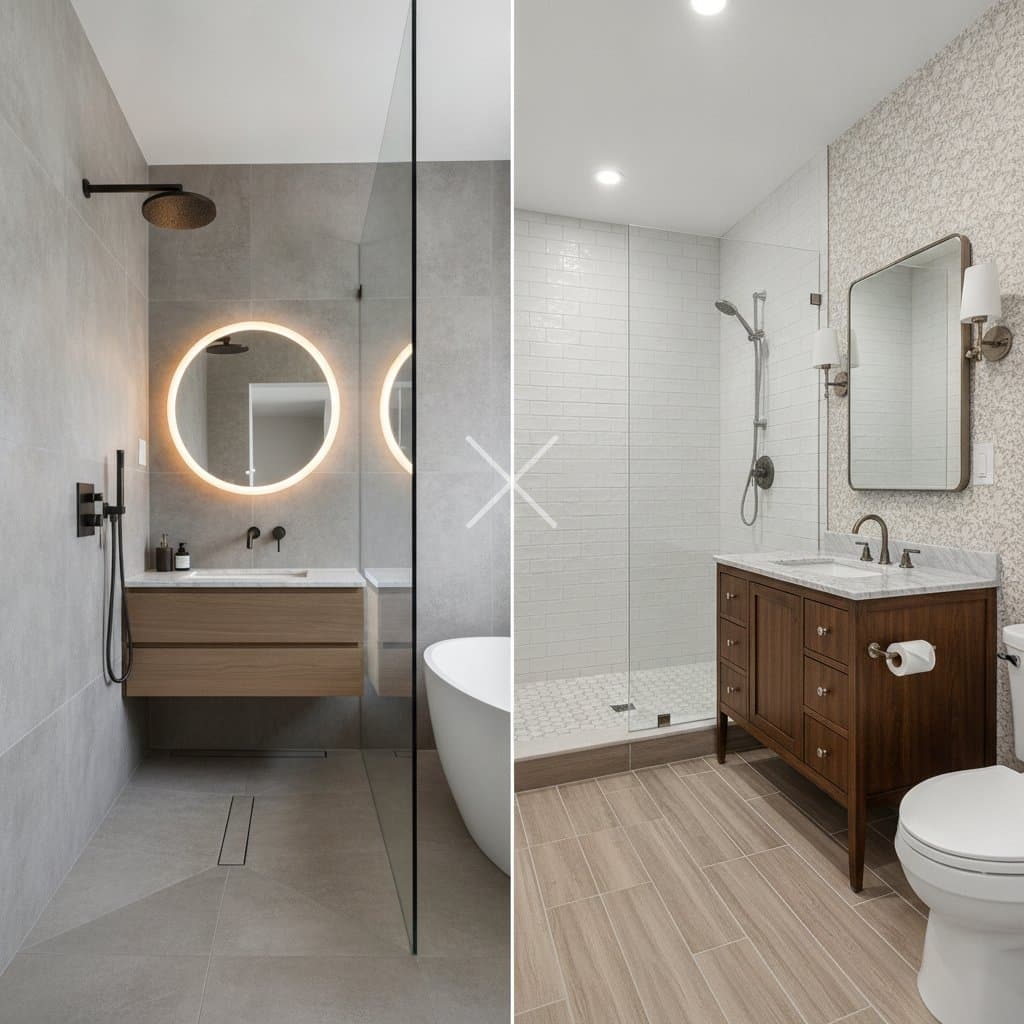
Contemporary options, from sleek grab bars in brushed nickel to frameless shower enclosures, integrate effortlessly. Designers blend accessibility with personal tastes, whether minimalist or ornate, ensuring elegance persists.
How does universal design affect property appreciation?
Substantially; modified homes draw interest from multigenerational families and retirees alike. In regions with median ages above 45, such properties transact 20-30% faster, per industry observations.
Are permits essential for these modifications?
Yes, for alterations involving electricity, water systems, or load-bearing elements. Consult municipal offices early to outline requirements and avoid delays.
What timeline applies to comprehensive renovations?
Bathroom projects span three to six weeks, accounting for demolition, installation, and curing times. Full-home efforts extend two to four months, varying by complexity and team efficiency.
Sustaining Universal Design Investments
Regular upkeep preserves the efficacy of accessibility features. Schedule annual checks for grab bar stability, ramp surface integrity, and flooring adhesion. Address minor issues promptly to avert larger problems.
Engage occupational therapists for biennial assessments, adapting elements like cabinet heights as needs evolve. Budget 1-2% of initial costs yearly for maintenance, covering cleaning supplies and part replacements. This diligence safeguards independence and upholds the home's enhanced market position.
Embracing universal design fosters enduring security and adaptability. With informed planning and professional guidance, homeowners craft residences that evolve alongside life stages, delivering sustained well-being and financial prudence.