The 2026 Cost Breakdown for Aging-in-Place Remodeling
Aging-in-place remodeling enables individuals to remain comfortable and safe within their homes for years to come. Knowledge of these upgrade costs assists in forward planning and prioritization of essential improvements. This guide details budgeting expectations for accessible home renovations, ranging from modest updates to comprehensive projects.
Why Aging-in-Place Remodeling Matters
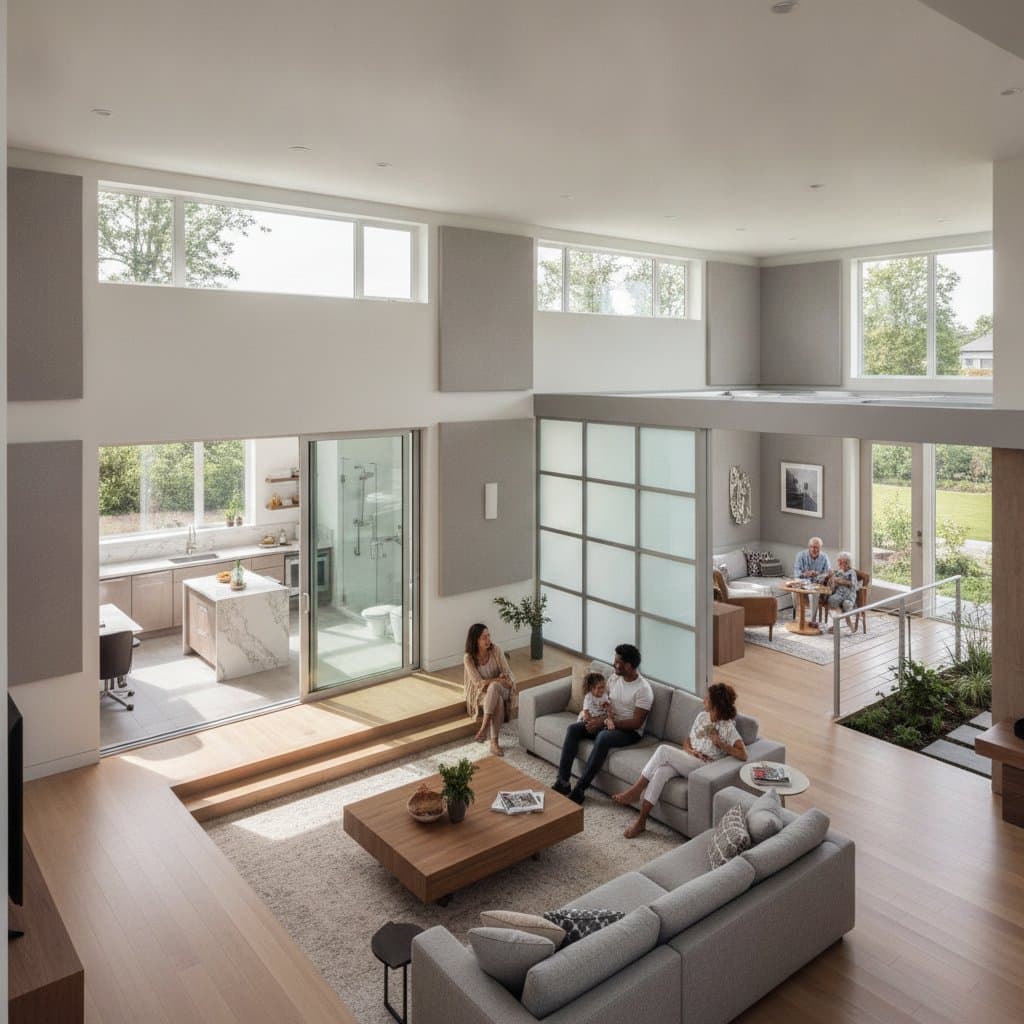
Aging-in-place design promotes independence by eliminating physical barriers and enhancing daily comfort. It emphasizes practical modifications that facilitate easier navigation, safer usage, and adaptability to evolving needs. Costs for these updates vary significantly based on the home's layout, selected materials, and the decision to engage professionals or handle smaller tasks independently.
Cost Overview by Project Type
The overall investment in aging-in-place remodeling hinges on the project's scope. Some residences require only minor adjustments, while others demand structural alterations. The following outlines common improvement categories along with their typical cost ranges.
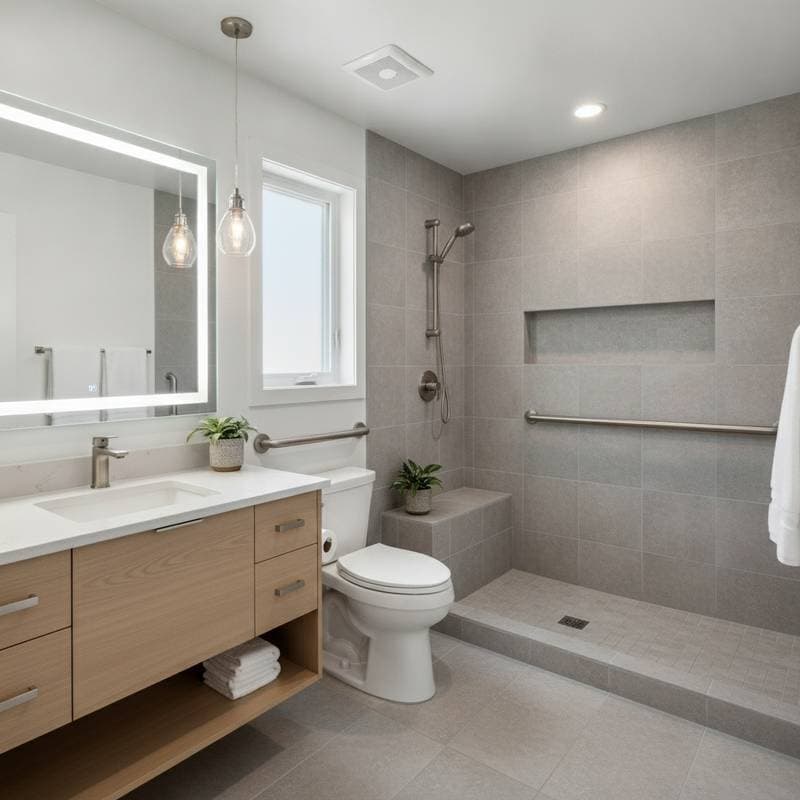
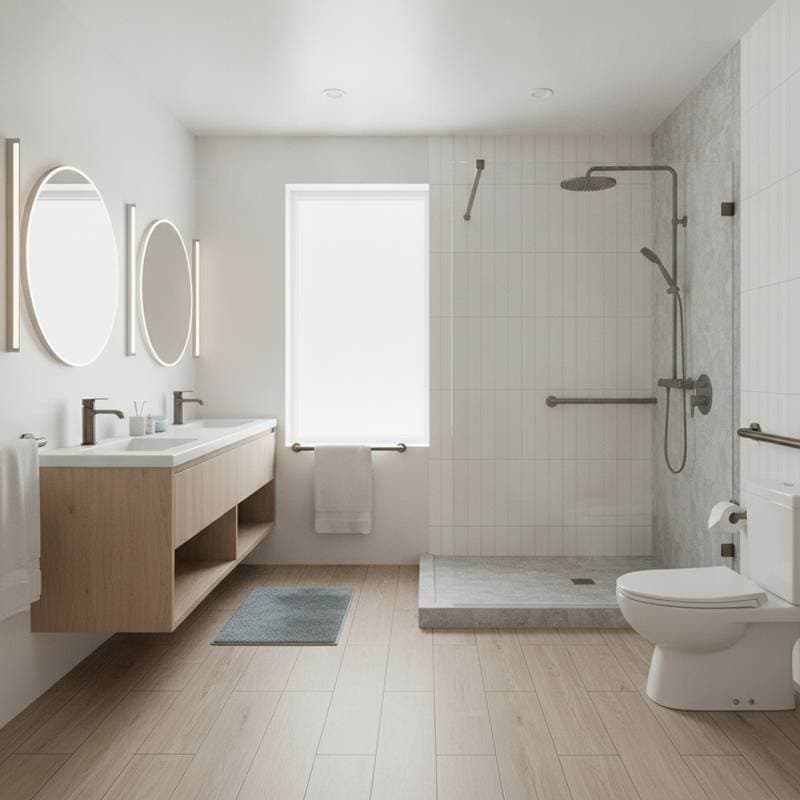
- Bathroom Modifications
- Estimated cost: Moderate to high, influenced by complexity.
- Why it matters: Bathrooms pose frequent risks of slips and falls. Accessibility enhancements prioritize stability, comfort, and user-friendliness.
- Common upgrades:
- Curbless or walk-in showers featuring slip-resistant tile.
- Grab bars positioned near toilets and showers.
- Comfort-height toilets for reduced bending.
- Lever-style faucets paired with handheld showerheads.
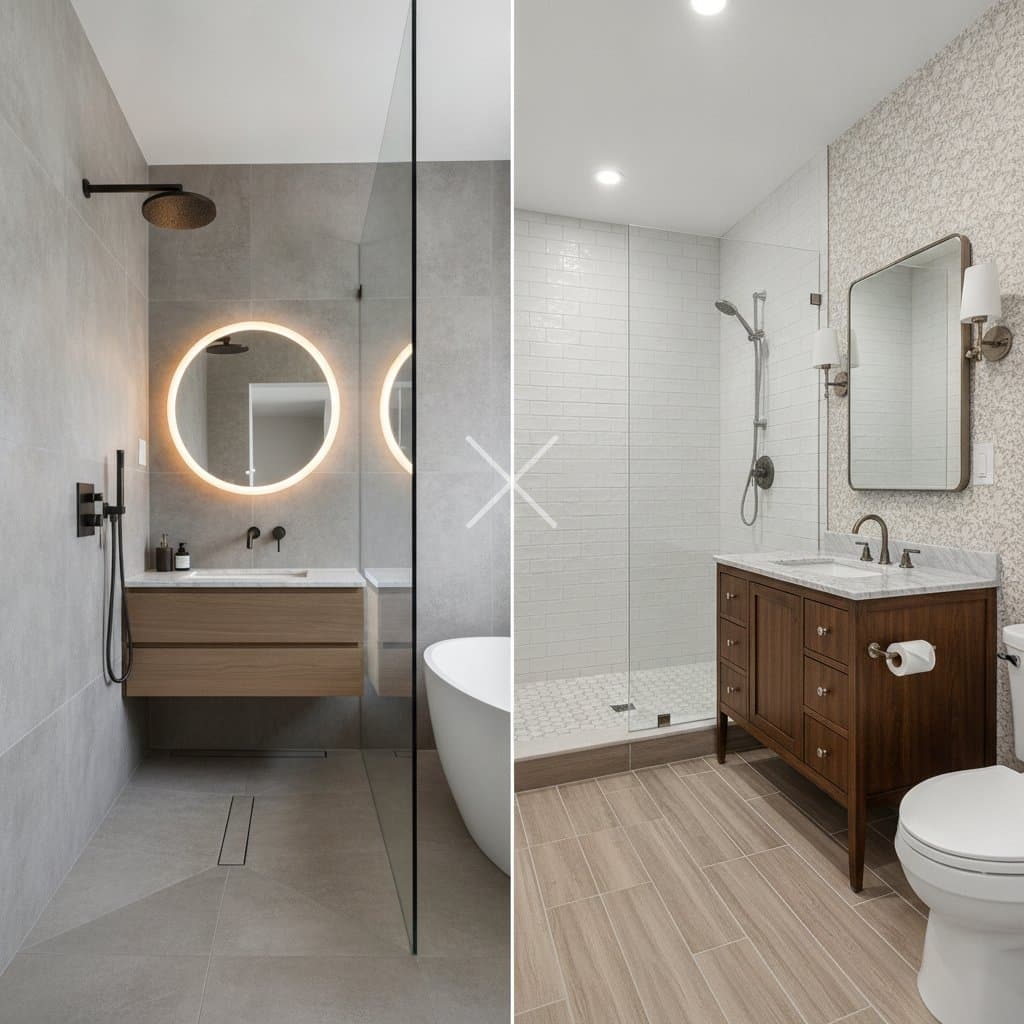
- Pairing advice: Select finishes that align with the home's style, such as matte nickel for contemporary aesthetics or brushed bronze for classic settings.
- Kitchen Adjustments
- Estimated cost: Moderate to high, determined by cabinetry and appliances.
- Why it matters: Kitchen layouts impact daily independence. Accessible configurations minimize physical strain and maximize reach.
- Common upgrades:
- Lowered countertops or adjustable-height islands to accommodate seated use.
- Pull-out shelves and drawers for effortless access.
- Side-opening ovens and drawer-style dishwashers to avoid heavy lifting.
- Non-slip flooring to prevent accidents.
- Pairing advice: Integrate soft-close cabinetry with countertops in contrasting colors to enhance visibility and ease.
- Entryway and Doorway Widening
- Estimated cost: Moderate, affected by wall construction.
- Why it matters: Wider doorways facilitate smoother passage for mobility aids like walkers or wheelchairs.
- Common upgrades:
- Expansion of doorways to a minimum width of 36 inches.
- Installation of lever-style handles for simpler operation.
- Addition of low-threshold or zero-step entries to eliminate barriers.
- Pairing advice: Align door trim with surrounding molding to achieve a cohesive appearance.
- Lighting Enhancements
- Estimated cost: Low to moderate.
- Why it matters: Adequate lighting bolsters safety and alleviates eye strain.
- Common upgrades:
- Motion-sensor lights in hallways for automatic illumination.
- Under-cabinet lighting in kitchens to highlight work areas.
- Adjustable task lighting in living areas for customizable brightness.
- Pairing advice: Opt for warm, diffused lighting to foster comfort and minimize glare.
- Flooring Replacement
- Estimated cost: Moderate to high, based on material choices.
- Why it matters: Flooring influences traction and balance. Aging surfaces often develop slipperiness or irregularities.
- Common upgrades:
- Slip-resistant vinyl or low-pile carpet for secure footing.
- Seamless transitions between rooms to avoid stubs.
- Leveling of floors to eliminate tripping hazards.
- Pairing advice: Select neutral tones that unify spaces, promoting a serene and uninterrupted visual flow.
- Bedroom Accessibility
- Estimated cost: Low to moderate.
- Why it matters: Bedrooms must support rest and straightforward navigation.
- Common upgrades:
- Increased clearances around the bed for wheelchair maneuvering.
- Adjustable-height beds to suit varying mobility levels.
- Easy-access closets equipped with pull-down rods.
- Pairing advice: Incorporate soft, non-glare lighting alongside wall colors with strong contrast to aid depth perception.
- Outdoor Access and Ramps
- Estimated cost: Moderate to high, contingent on slope and materials.
- Why it matters: Reliable outdoor access preserves mobility and autonomy.
- Common upgrades:
- Permanent ramps or modular systems tailored to the terrain.
- Railings featuring slip-resistant grips for secure support.
- Smooth, wide pathways leading to doors and driveways.
- Pairing advice: Harmonize ramp materials with exterior trim or siding to maintain visual harmony.
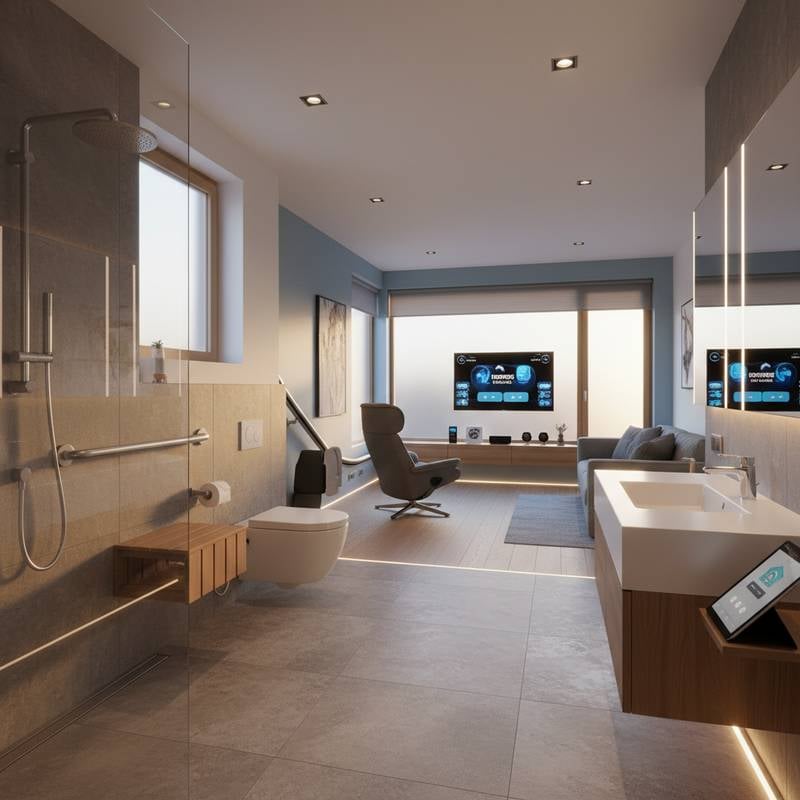
- Smart Home Features
- Estimated cost: Variable, scaled to technology integration.
- Why it matters: Smart systems deliver convenience and proactive safety alerts.
- Common upgrades:
- Voice-controlled lighting and thermostats for hands-free adjustments.
- Video doorbells to monitor visitors remotely.
- Automated door locks for enhanced security.
- Pairing advice: Prioritize devices with prominent, readable displays and intuitive controls.
Factors That Influence Cost
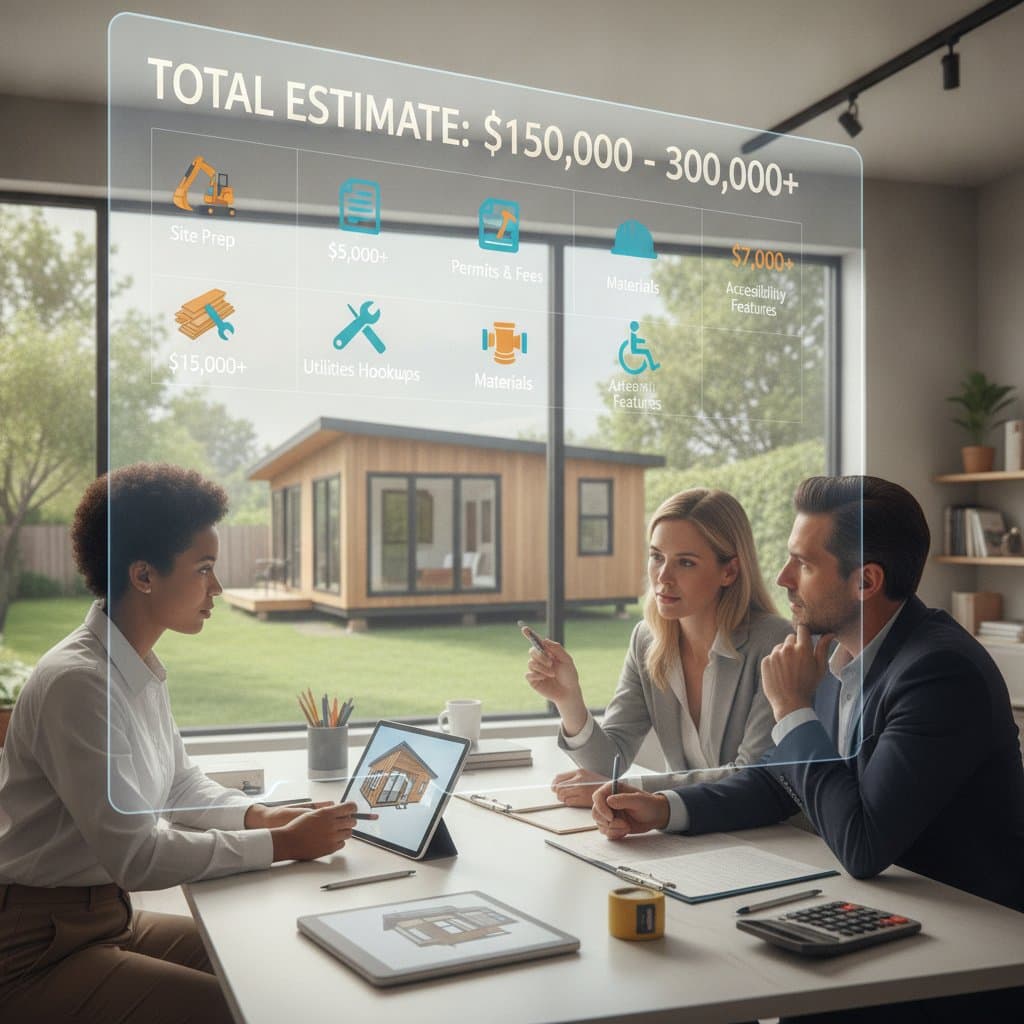
Multiple elements shape the expenditure on aging-in-place remodeling. Awareness of these allows for accurate budget establishment.
- Home Age and Condition: Older properties frequently necessitate preliminary electrical or plumbing revisions before accessibility work proceeds.
- Project Scope: Isolated room modifications incur lower expenses than whole-home overhauls.
- Material Selections: Premium finishes elevate costs yet enhance longevity.
- Labor and Location: Experienced contractors price services according to regional rates and task intricacy.
- DIY vs. Professional Work: Basic installations, such as grab bars, suit DIY efforts, whereas structural or electrical tasks demand licensed experts.
Cost Comparison: Minor, Moderate, and Major Renovations
Minor updates typically encompass grab bars, enhanced lighting, or lever handles. These interventions conclude swiftly with limited interruption to daily life.
Moderate renovations might feature bathroom or kitchen reconfigurations, doorway expansions, or flooring overhauls. Such endeavors demand extended timelines and preparation but substantially boost functionality.
Major remodels often entail complete accessibility overhauls, including ramp installations, elevator additions, or multi-room redesigns. Although more expensive, they deliver enduring safety benefits.
Budgeting and Financing Options
Strategic planning mitigates unforeseen expenses. The following strategies prove effective:
- Prioritize Safety First: Target critical areas like bathrooms, stairways, and entrances for immediate impact.
- Phase the Work: Distribute upgrades over multiple phases to align with financial capacity.
- Explore Grants or Assistance: Investigate community programs or insurance provisions that subsidize accessibility projects.
- Request Multiple Estimates: Solicit bids from contractors versed in universal design to ensure competitive pricing.
Material and Design Choices That Influence Longevity
Thoughtful material selections extend the durability of renovations while simplifying upkeep.
- Durable Flooring: Vinyl plank or textured tile options provide superior traction and straightforward maintenance.
- Moisture-Resistant Finishes: In humid zones like bathrooms and kitchens, humidity-tolerant materials prevent deterioration.
- Low-Maintenance Fixtures: Lever handles, motion sensors, and touchless faucets streamline routine activities.
- Neutral Color Schemes: Understated palettes ensure timeless appeal and spacious illusions, deferring repaint needs.
Universal Design Principles
Universal design serves all occupants, extending beyond mobility limitations. It fosters adaptable environments that evolve with personal requirements.
Key principles include:
- Equitable use, ensuring accessibility for diverse users.
- Simple and intuitive layouts that eschew excess complexity.
- Flexibility in task execution to accommodate varying abilities.
- Sufficient dimensions for unobstructed movement.
Implementation of these tenets elevates home utility and market value alongside daily livability.
When to Hire a Professional
While certain homeowners manage minor alterations independently, expert involvement guarantees durable outcomes for substantial changes. Certified aging-in-place specialists assess structural issues, comply with building codes, and orchestrate plumbing, electrical, and carpentry trades. Professional oversight averts expensive errors and timelines delays.
Ongoing Maintenance and Upkeep
Post-renovation, consistent maintenance upholds safety and performance. Routinely examine grab bars, lighting fixtures, and flooring for degradation. Renew batteries in smart devices and inspect outdoor ramps against environmental wear. Routine cleaning of surfaces sustains slip resistance and safeguards the investment.
Adapting Your Home for Enduring Independence
Aging-in-place remodeling transcends mere accessibility; it nurtures autonomy, ease, and reassurance. Through cost analysis and meticulous planning, individuals craft residences that fluidly accommodate shifting demands. Initiate with targeted, beneficial modifications, then scale as circumstances change. Expert design, resilient materials, and guidance ensure sustained security and assurance in cherished surroundings.