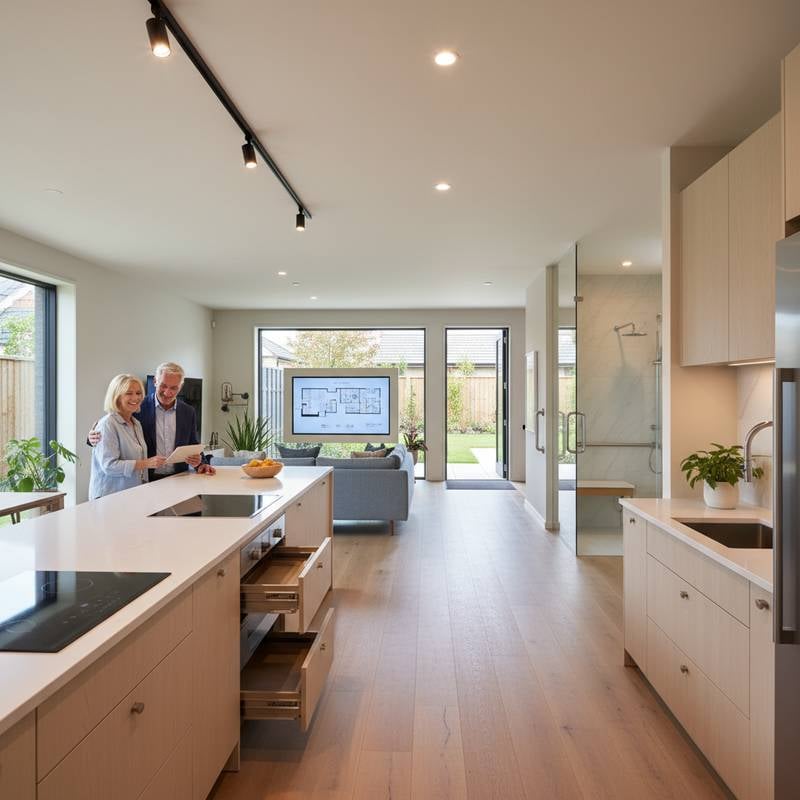
2026 Costs for Age-Proof Home Remodels Revealed
Aging in place ranks as a primary objective for homeowners seeking sustained comfort, safety, and independence within their established residences. If you plan a remodel to facilitate long-term habitation, grasp the associated costs and design elements to inform prudent decisions that endure. This guide delineates the components of an age-proof remodel, delineates projected expenses for principal areas, and illustrates methods to harmonize accessibility with aesthetic appeal.
What “Age-Proof” Remodeling Entails
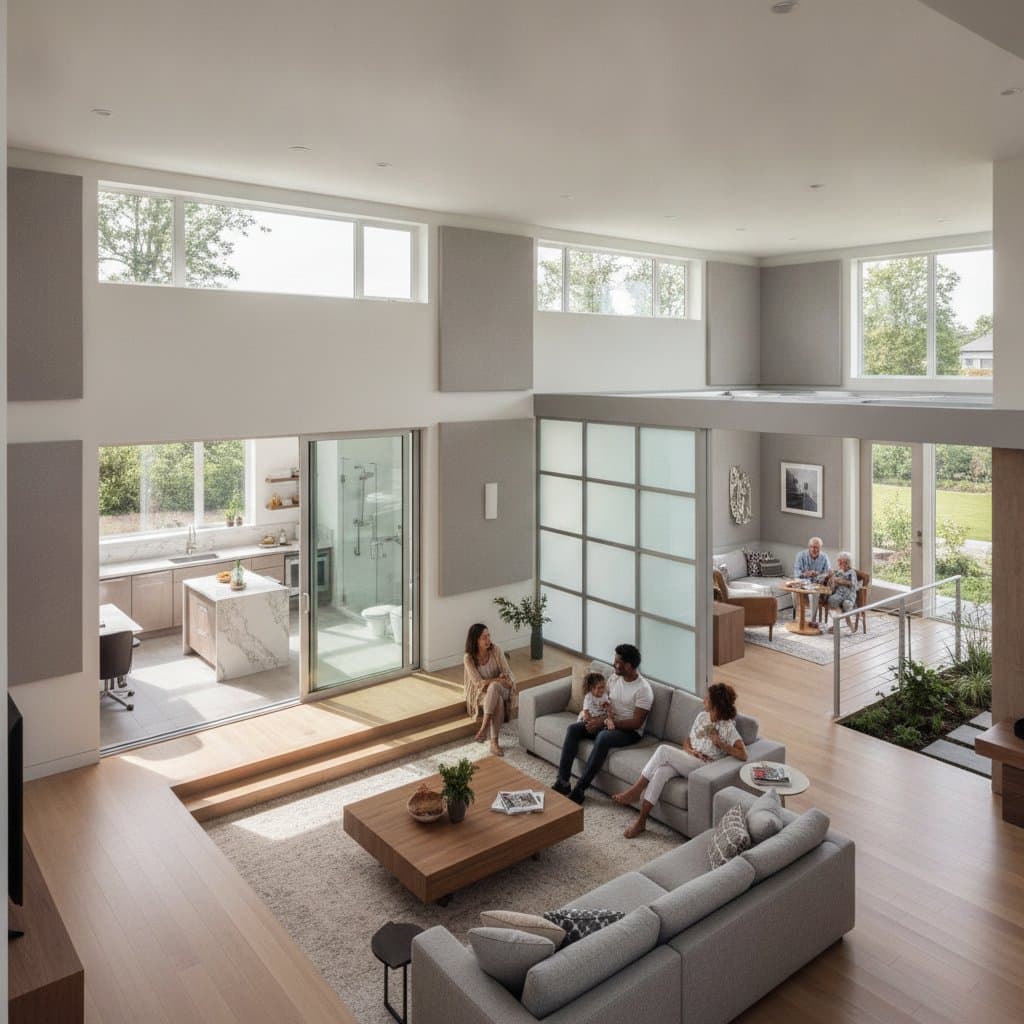
An age-proof home remodel employs universal design principles to fashion environments usable by individuals of varying ages and mobility capacities. Such modifications eliminate physical obstacles, incorporate conveniences, and permit prolonged occupancy without recurrent alterations. This methodology integrates utility with visual elegance, rendering spaces welcoming rather than institutional.
Cost Overview
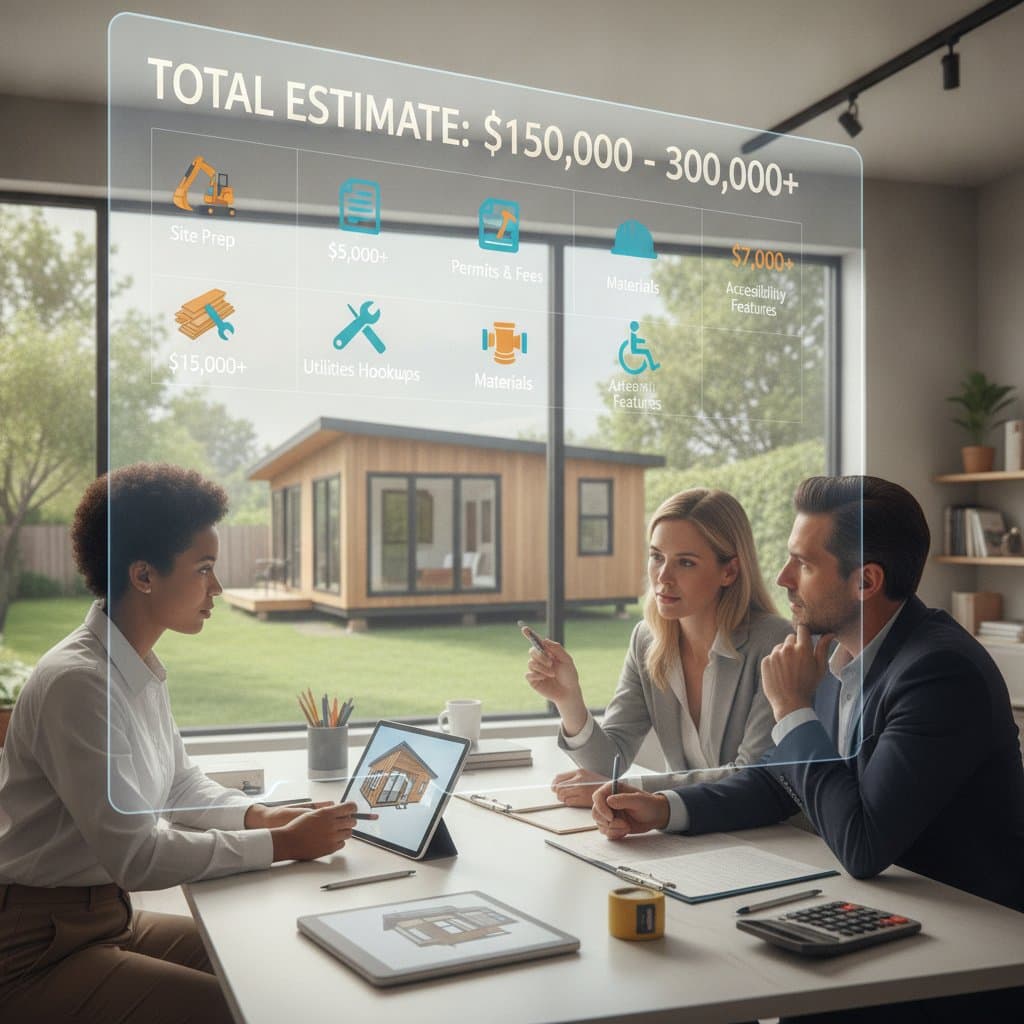
Expenses for an age-proof remodel vary according to home dimensions, material selections, and modification scope. Initiatives span from incremental enhancements, such as broadened doorways or enhanced illumination, to comprehensive overhauls encompassing accessible lavatories, threshold-free entrances, and intelligent home integrations. Strategic foresight enables cost distribution across phases and emphasizes essential priorities.
The following delineates projected 2026 price ranges for primary home sectors, based on national averages adjusted for inflation and material trends.
- Bathroom Accessibility Upgrades
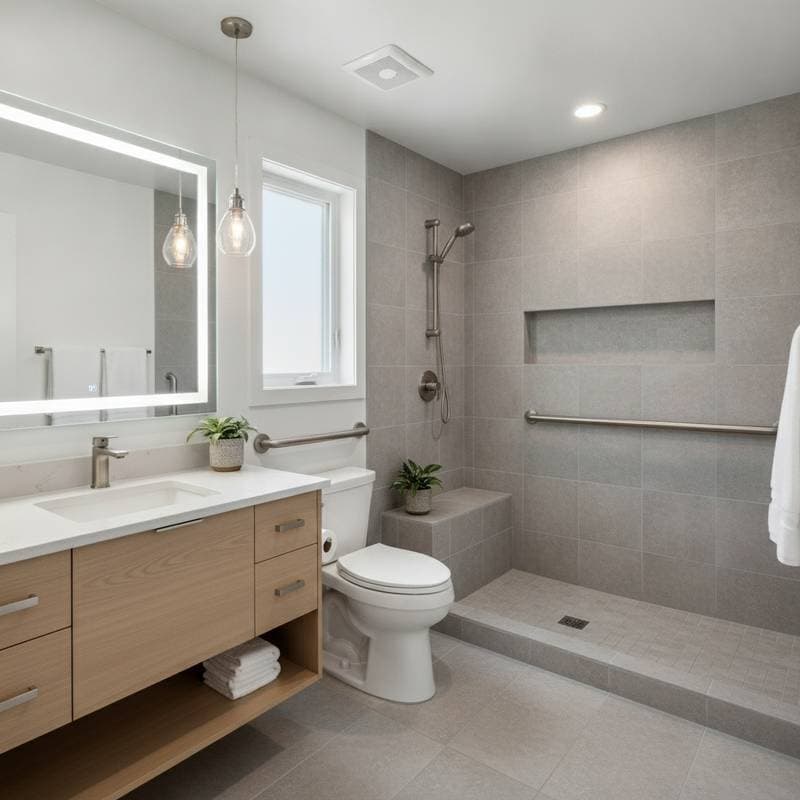
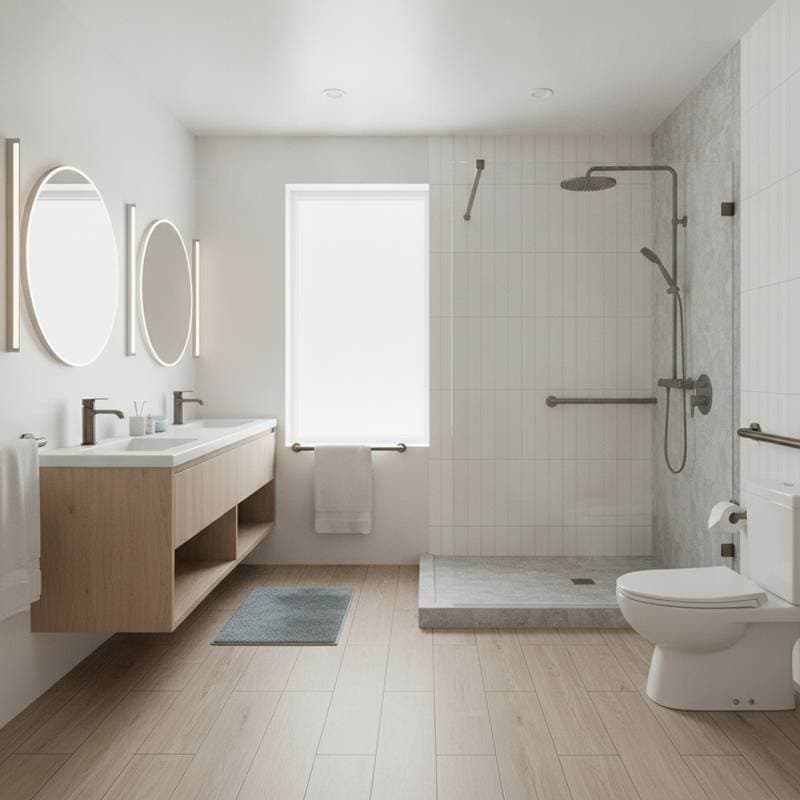
Bathrooms frequently receive initial attention in aging-in-place initiatives due to inherent hazards. A conventional accessible bathroom overhaul spans from $8,000 to $25,000, influenced by material selections and spatial reconfiguration.
- Rationale for priority: These areas pose substantial slip and fall dangers. Features like non-slip tiles, curbless showers, and reinforced grab bars mitigate risks while elevating user comfort.
- Implementation suggestions: Incorporate a walk-in shower equipped with a handheld showerhead and integrated seating. Select lever-handled faucets for simplified operation, paired with anti-scald valves to prevent burns.
- Detailed cost breakdown: Basic additions, including grab bars and task lighting, total approximately $2,000 to $5,000. Comprehensive transformations involving custom tiling, plumbing relocations, and premium fixtures escalate to $15,000 to $25,000.
- Kitchen Modifications
Kitchens demand secure, accessible, and navigable configurations that preserve design integrity.
- Rationale for priority: Elements such as reduced-height counters, extendable shelving, and drawer-based appliances alleviate physical exertion and streamline tasks.
- Implementation suggestions: Employ high-contrast countertop hues to enhance visibility. Integrate sensor-operated faucets and cabinet-mounted illumination to illuminate workspaces effectively.
- Detailed cost breakdown: Minor adjustments, like hardware replacements and lighting installations, range from $1,500 to $4,000. Major alterations, including countertop reductions or layout reorganizations, span $10,000 to $30,000.
- Entry and Exterior Adjustments
Elevated steps and constricted entrances complicate ingress and egress for those with mobility limitations.
- Rationale for priority: Threshold-free portals and expanded doorways facilitate access. Enclosed ramps or gradual inclines provide shelter from elements and bolster security.
- Implementation suggestions: Integrate ramps seamlessly into landscapes using coordinating brick or stone veneers.
- Detailed cost breakdown: Constructing a modest ramp costs $1,000 to $3,000. Extensive regrading or entryway redesigns reach $5,000 to $15,000.
- Flooring and Transitions
Uniform, traction-enhanced surfaces prove vital across an age-proof dwelling.
- Rationale for priority: Irregular thresholds or glossy materials heighten fall probabilities.
- Implementation suggestions: Select luxury vinyl planks or cork underlayment for optimal grip and cushioning. Maintain tonal consistency to promote spatial cohesion.
- Detailed cost breakdown: Expenses hinge on material caliber and area coverage, typically $3 to $8 per square foot installed, totaling $3,000 to $12,000 for a 1,000-square-foot home.
- Lighting and Electrical Updates
Adequate illumination enhances safety and functionality, particularly in corridors and stairwells.
- Rationale for priority: Visual acuity diminishes with age, necessitating multifaceted lighting to dispel shadows and reduce eye fatigue.
- Implementation suggestions: Deploy motion-activated fixtures along routes and low-level indicators in lavatories. Favor large rocker switches over traditional toggles for effortless activation.
- Detailed cost breakdown: Fixture exchanges cost $500 to $2,000. Comprehensive rewiring or smart system integrations range from $3,000 to $10,000.
- Bedroom and Living Area Adjustments
These zones prioritize relaxation and fluid mobility.
- Rationale for priority: Unobstructed paths, accessible storage, and resilient flooring promote self-reliance.
- Implementation suggestions: Install adjustable closet rods, modular shelving units, and furnishings with beveled edges to minimize injury risks.
- Detailed cost breakdown: Routine modifications fall between $2,000 and $6,000, with structural adaptations pushing totals to $8,000 or more.
- Whole-Home Accessibility Features
- Rationale for priority: Enlarged doorways, sliding panels, and broadened corridors accommodate assistive devices.
- Implementation suggestions: Preserve trim and portal hues for seamless aesthetics. Apply low-sheen paints to curb reflective glare.
- Detailed cost breakdown: Per-door widening averages $1,500 to $3,000, with full-home implementations ranging from $10,000 to $40,000 based on scale.
Universal Design Principles to Guide Your Remodel
Universal design emphasizes straightforwardness and adaptability. Consider these strategies to merge practicality with sophistication.
- Contrast and Visibility: Apply bold color differentials at edges, work surfaces, and floor junctions to aid spatial awareness.
- Reach and Comfort: Position controls, storage, and essentials at waist-to-shoulder elevations for intuitive access.
- Ease of Movement: Allocate a minimum 60-inch turning circle in critical zones like lavatories and kitchens.
- Non-Slip Surfaces: Incorporate textured finishes on ground levels and risers.
- Smart Technology: Embed voice-command systems for illumination, climate regulation, and alerts to enable effortless management.
Factors That Affect Overall Cost
Multiple variables shape your remodeling expenditure.
- Home Size and Layout: Expansive or multi-level structures necessitate broader interventions.
- Material Choices: Resilient, care-minimal options demand higher initial outlays yet yield enduring savings.
- Labor and Expertise: Engaging certified aging-in-place contractors guarantees adherence to codes and optimal execution.
- Permits and Inspections: Initiatives involving load-bearing alterations or utility modifications incur regulatory fees.
- Energy Efficiency Upgrades: Pairing accessibility with thermal barriers or glazing enhancements elevates upfront costs while curtailing ongoing energy demands.
When to Hire a Professional
Certain age-proofing endeavors, such as affixing grab bars or installing automated switches, suit capable DIY efforts with standard implements. Substantial undertakings encompassing plumbing, wiring, or framework adjustments require licensed specialists to uphold safety and efficacy.
Common Questions
How do I choose where to start?
Prioritize hazard mitigation. Lavatories and portals typically deliver superior accessibility gains per dollar invested.
Does an age-proof remodel raise home value?
Affirmative. Properties featuring universal design attract diverse demographics, from multigenerational households to prospective purchasers valuing foresight.
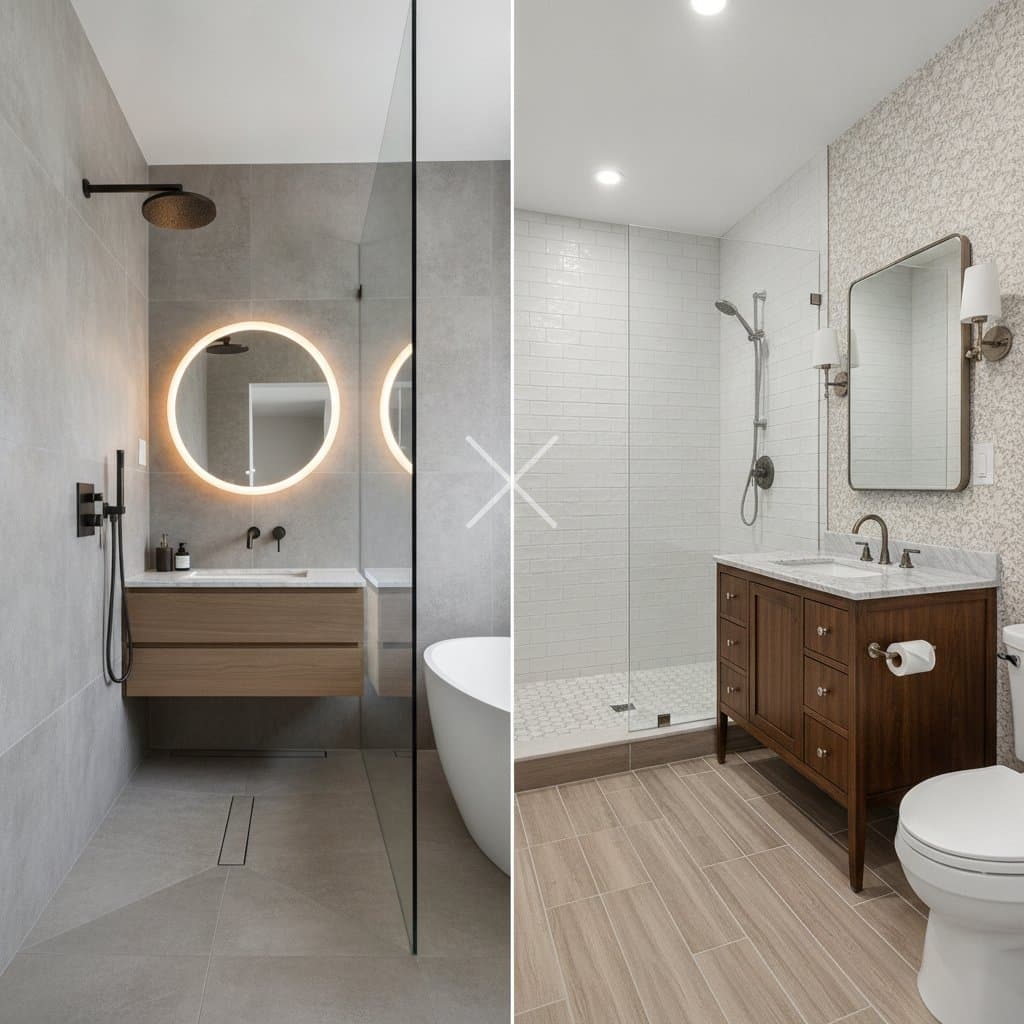
Can I make my remodel look stylish rather than medical?
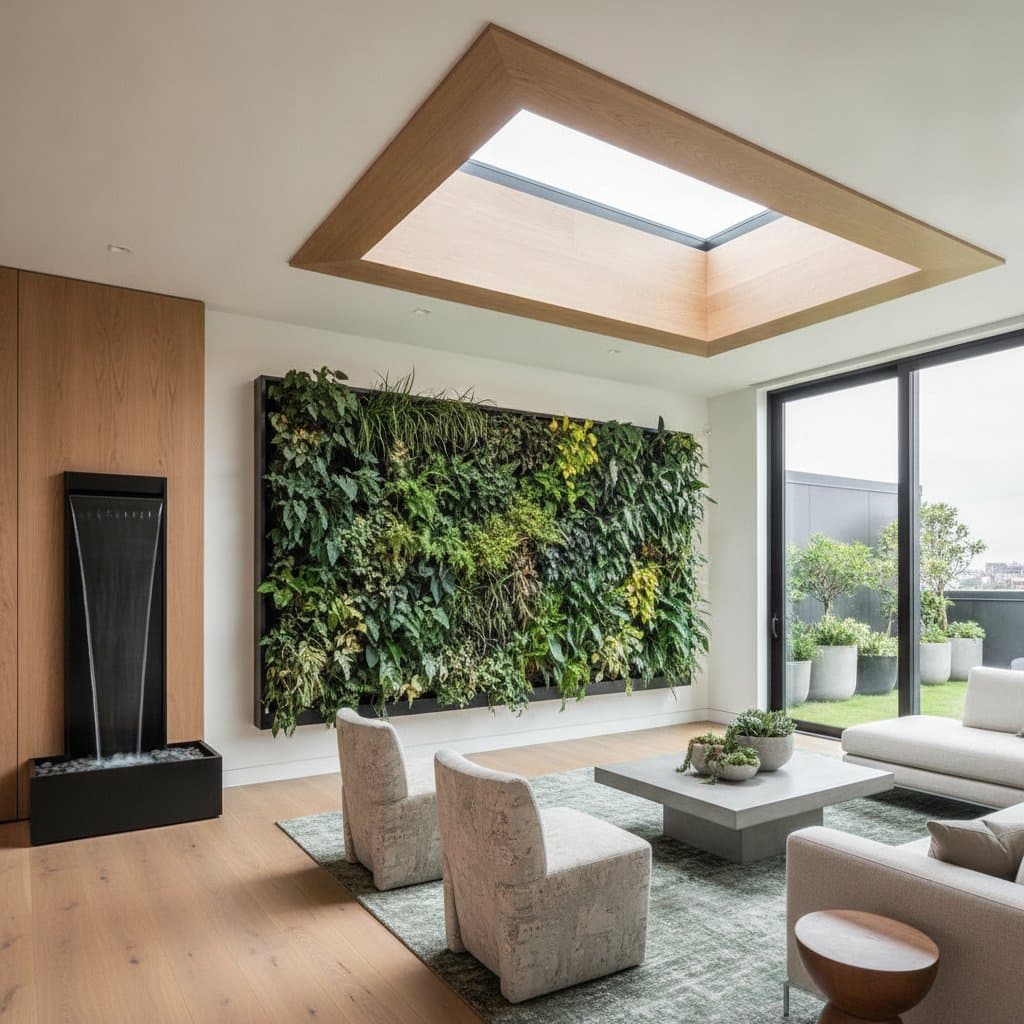
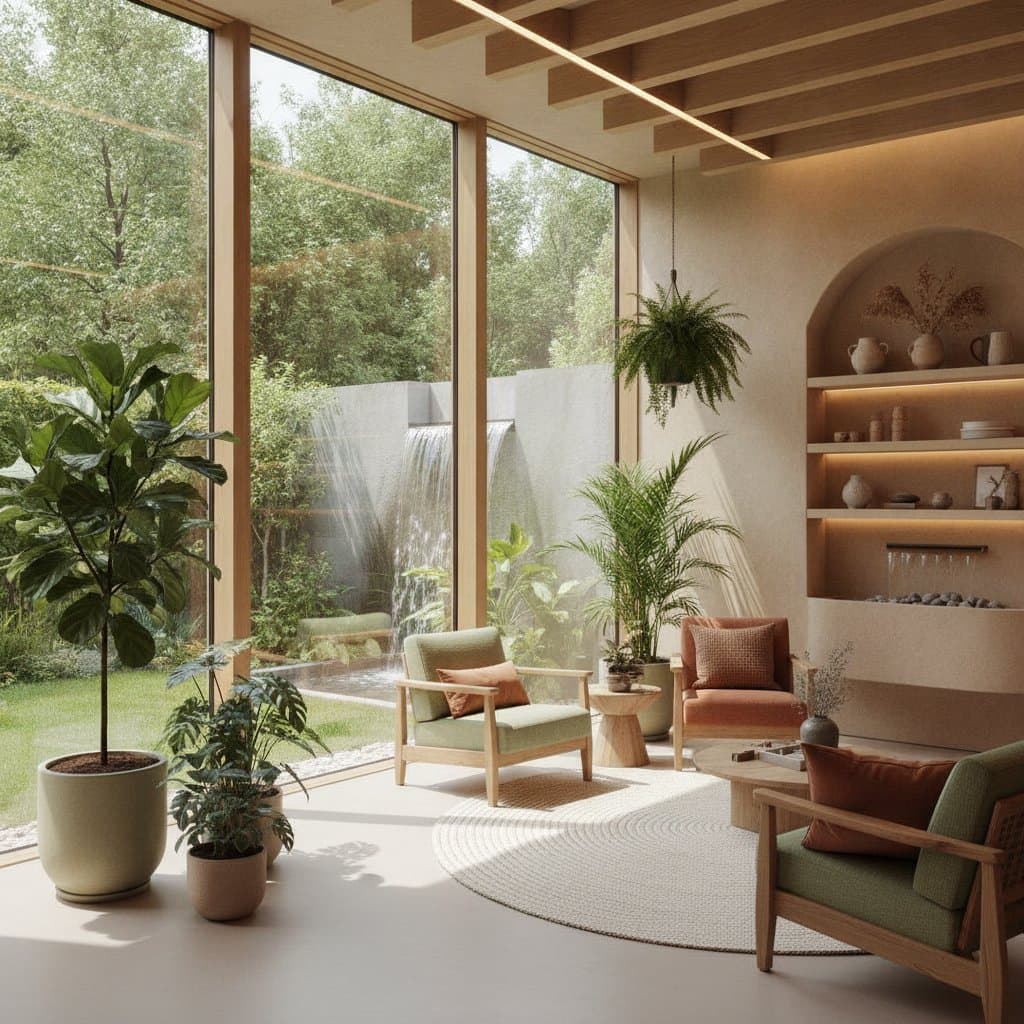
Certainly. Contemporary textures, curated schemes, and refined hardware enable environments that fuse utility with allure.
Sustaining Your Age-Proof Home
Post-remodel, routine inspections preserve functionality and allure. Annually evaluate supports, illuminants, and surfaces for stability. Employ durable coatings on partitions to simplify cleaning and longevity.