Granny Pod vs ADU: 2026 Costs and Zoning Edge
Homeowners increasingly seek flexible housing solutions to accommodate aging family members, create rental opportunities, or simply enlarge their living areas. Granny pods and accessory dwelling units (ADUs) stand out as popular choices for adding independent living spaces to an existing property. These options differ significantly in construction methods, financial implications, and regulatory requirements. This analysis explores their key distinctions, projected 2026 costs, zoning considerations, and strategies for effective implementation.
By examining these elements, readers gain the tools to select the most suitable secondary dwelling based on specific needs, local regulations, and financial planning.
Defining a Granny Pod
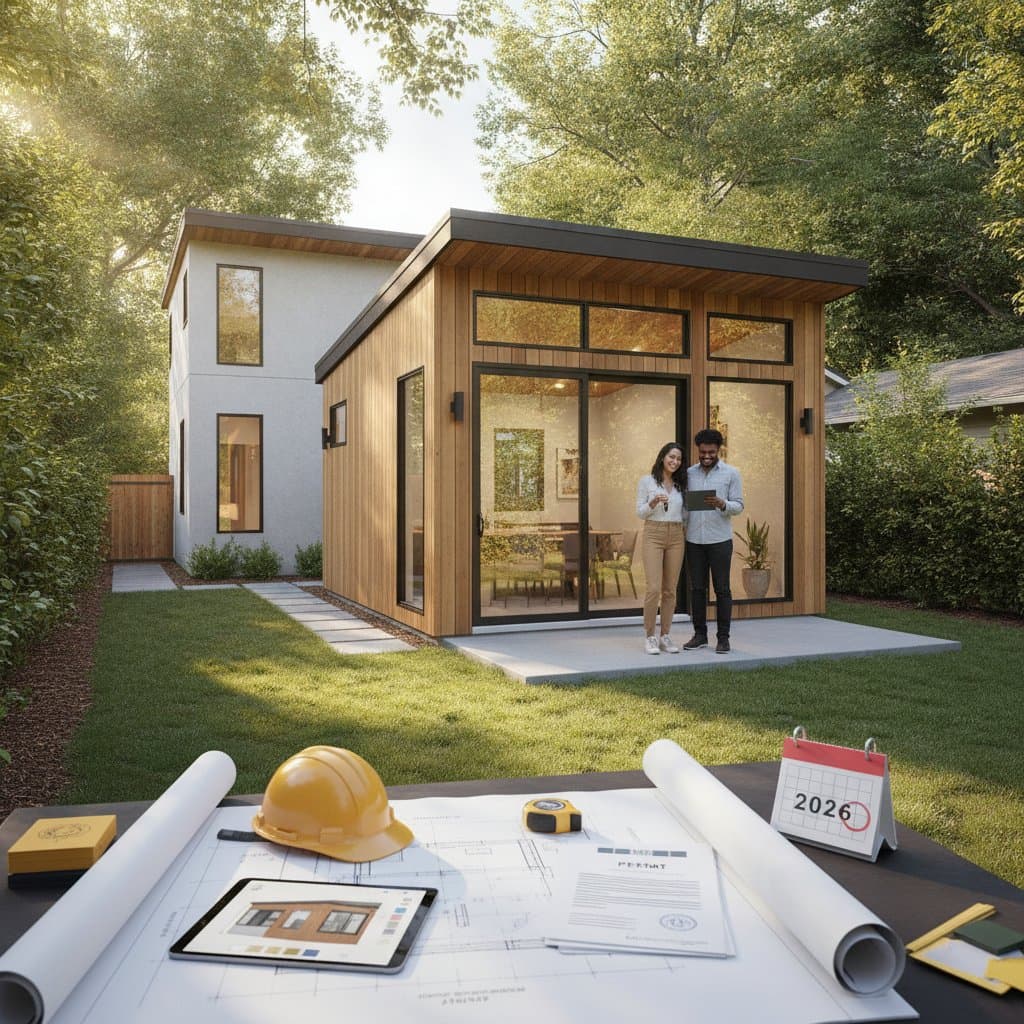
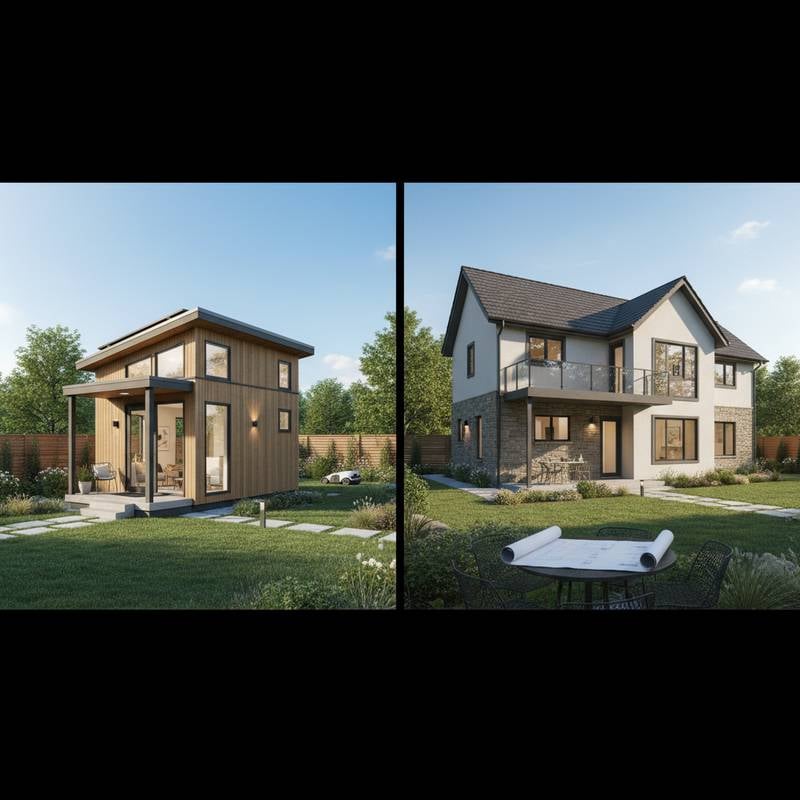
A granny pod refers to a compact, prefabricated dwelling unit intended for one or two elderly residents on the same lot as the primary residence. Typical features encompass a single bedroom, full bathroom, compact kitchenette, and modest living space. These units arrive ready for assembly, enabling rapid placement with limited site disturbance.
Benefits for Family Care
Granny pods provide a secure and autonomous environment that keeps seniors nearby without the expense of institutional care. Families preserve personal boundaries while offering support, which often lowers overall healthcare expenditures. For instance, daily oversight becomes feasible, potentially delaying the need for more intensive services.
Projected 2026 Cost Analysis
Costs for granny pods in 2026 are expected to rise modestly due to material inflation and labor demands. Breakdown includes:
- Prefabricated structure: $55,000 to $110,000, reflecting enhanced energy-efficient materials.
- Site work and utilities: $12,000 to $35,000, covering foundation, plumbing, and electrical connections.
- Accessibility modifications: $6,000 to $25,000, such as automated door openers and adjustable-height counters.
Overall, expect totals from $73,000 to $170,000, varying by customization levels and regional labor rates.
Installation Approaches
Homeowners might manage minor tasks like clearing vegetation, yet professional involvement remains essential for core setup. Experts handle utility integrations to meet safety protocols and avoid future liabilities. Engaging certified installers from the outset ensures seamless operation and warranty validity.
Practical Design Recommendations
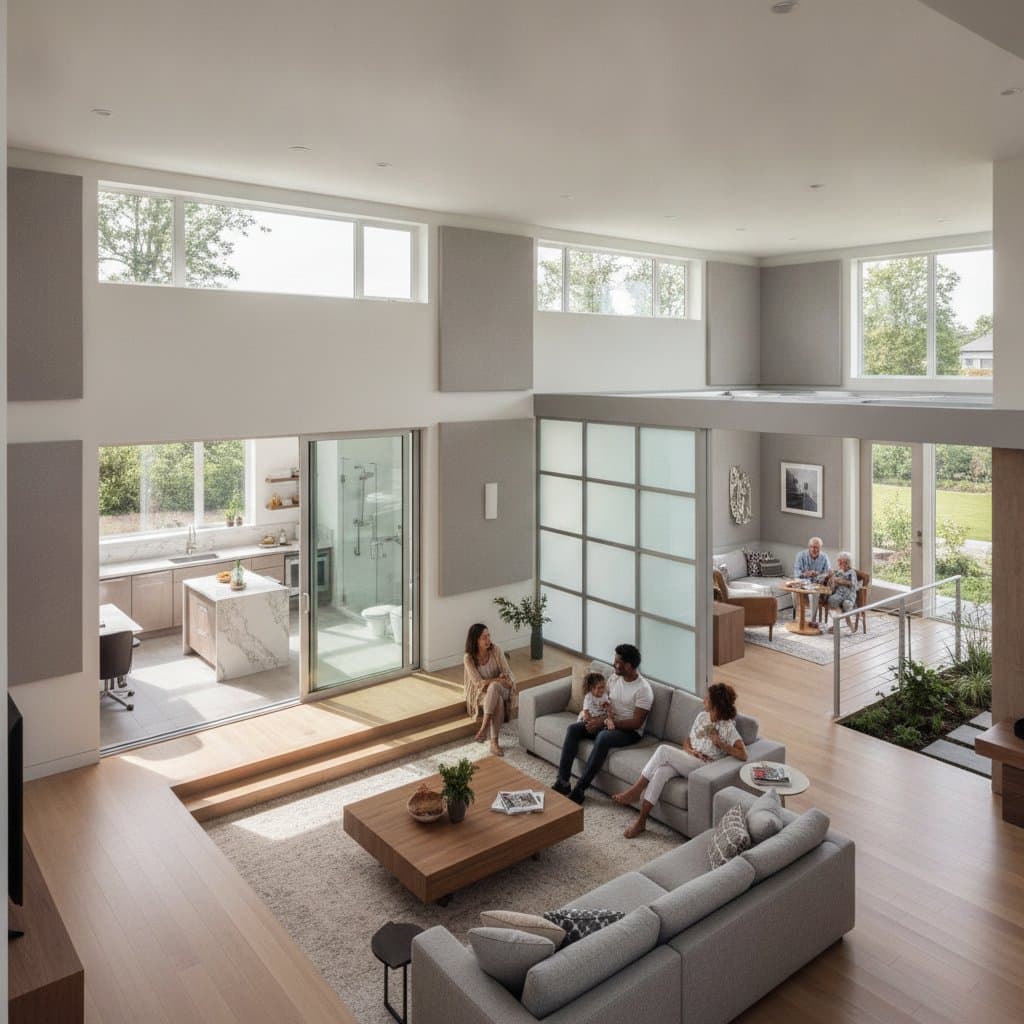
Prioritize safety through non-slip surfaces, doorways at least 36 inches wide, and zero-threshold entries. Incorporate acoustic barriers to preserve quiet between structures. Integrate remote health monitors, like motion sensors linked to mobile apps, for proactive family involvement.
Specialist Perspectives
Design professionals emphasize proactive accessibility in senior housing. Early adoption of adaptable features, such as modular cabinetry, minimizes retrofitting expenses and enhances daily usability over time.
Understanding Accessory Dwelling Units
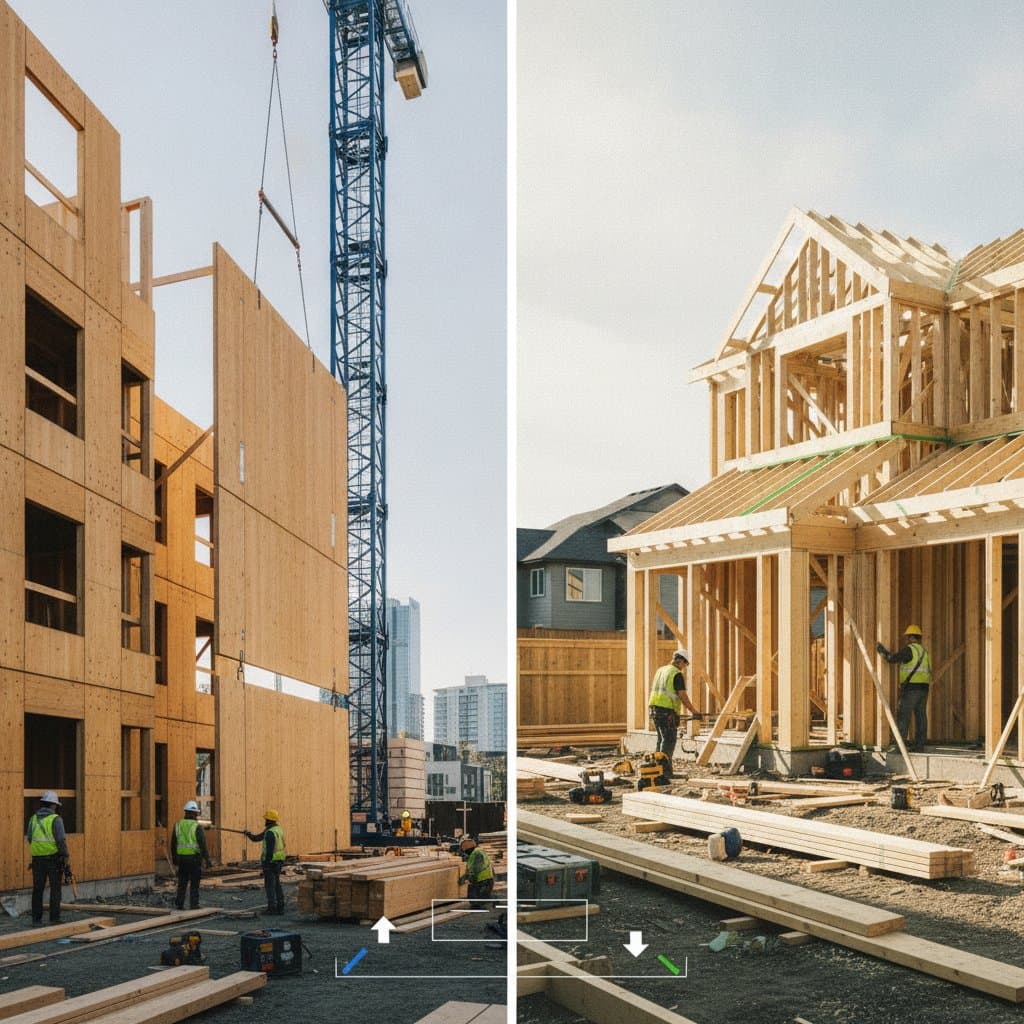
An ADU constitutes a permanent, attached or detached secondary structure compliant with full residential building codes. Sizes range from 400 to 1,200 square feet, including complete kitchen, bathroom, and sleeping areas. Construction involves site-specific planning, often integrating with the main home's architecture.
Advantages for Property Enhancement
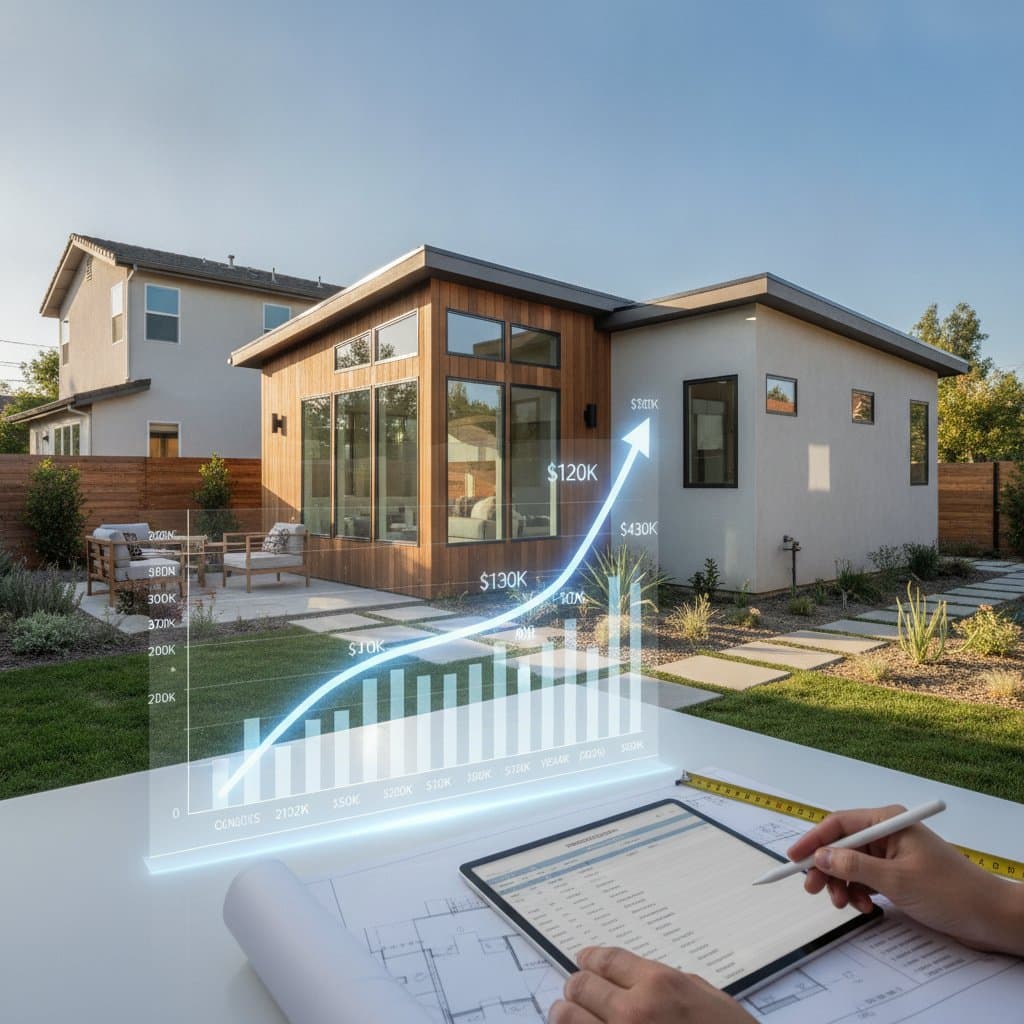
ADUs boost property utility by enabling multigenerational living or income generation through rentals. They integrate seamlessly into the landscape, adding aesthetic and functional value. Unlike temporary setups, ADUs support long-term equity growth.
Projected 2026 Cost Projections
ADU expenses in 2026 will likely increase by 5 to 10 percent from current levels, driven by stricter sustainability mandates. Key components:
- Foundation and framing: $80,000 to $150,000 for basic builds.
- Interior finishes and appliances: $40,000 to $80,000, emphasizing durable, low-maintenance options.
- Permitting and compliance: $10,000 to $25,000, including engineering reviews.
Totals typically span $130,000 to $255,000, influenced by location, size, and eco-upgrades like high-efficiency HVAC systems.
Construction Timelines and Processes
ADU projects demand detailed blueprints and approvals, extending from initial surveys to occupancy certificates. Detached units may require separate utility lines, while attached conversions leverage existing infrastructure. Collaborate with architects early to align designs with family workflows.
Optimization Strategies
Select layouts with natural light via large windows and skylights to promote well-being. Use zoning setbacks to position units for privacy, such as rear-yard placements. Equip with smart thermostats and leak detectors to cut operational costs.
Zoning Regulations: Key Differences
Zoning rules form the primary divide between granny pods and ADUs, affecting feasibility and longevity. Granny pods often qualify as accessory structures under lenient temporary permits, bypassing full residential reviews in many areas. This classification suits short-term needs but limits expansions or relocations.
ADUs face rigorous zoning scrutiny, requiring adherence to height limits, lot coverage ratios, and parking provisions. Progressive municipalities, like those in California, streamline approvals for ADUs to encourage housing density. Verify local ordinances via planning departments; variances may apply for unique lots.
Non-compliance risks fines or removal orders, so conduct preliminary zoning checks. For granny pods, focus on utility hookups; for ADUs, emphasize integration with neighborhood character.
Cost Comparisons and Value Assessment
Granny pods present lower upfront costs and faster deployment, ideal for immediate family support. However, their movable nature may not elevate property appraisals, treating them as personal property rather than fixtures.
ADUs demand higher initial outlays yet deliver enduring benefits, including tax-assessed value increases of 10 to 20 percent. Maintenance for pods involves regular inspections for mobility and weathering; ADUs align with standard home upkeep, promising 50-plus years of service.
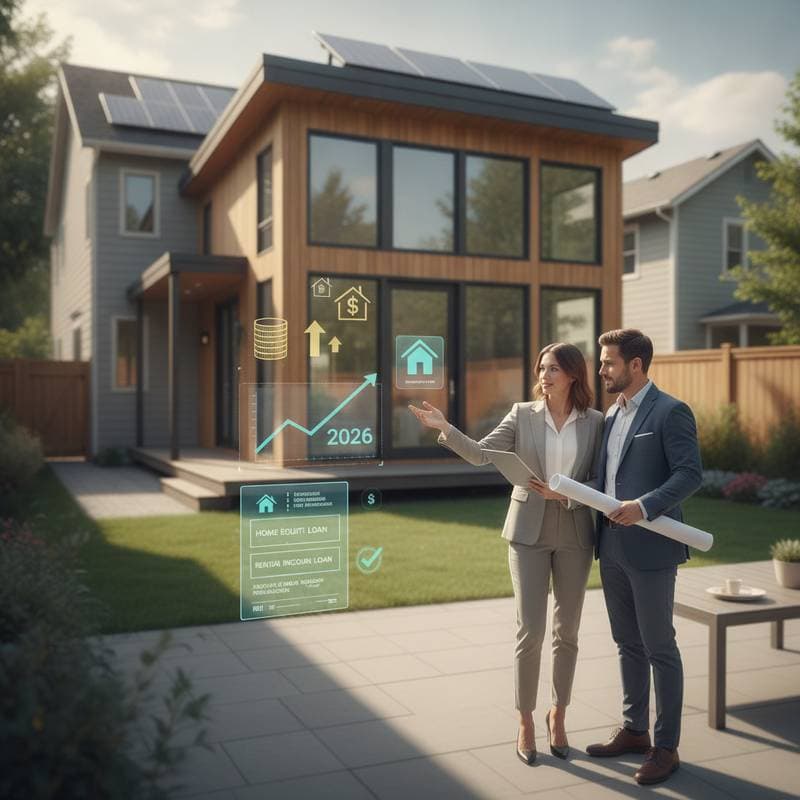
Factor in opportunity costs: ADUs often qualify for financing like home equity loans, while pods rely on cash or personal loans.
Strategies to Optimize Expenses and Returns
- Opt for prefabricated elements in either option to trim on-site labor by up to 30 percent.
- Repurpose underutilized spaces, such as attics, saving $40,000 to $60,000 on new foundations.
- Pursue incentives for sustainable builds, including tax credits for LED lighting and rainwater systems.
- Design for versatility, allowing pods to convert to home offices or ADUs to host short-term stays.
- Solicit bids from four or more specialists to uncover efficiencies in material sourcing.
- Budget for insurance adjustments, as secondary units may raise premiums by 5 to 15 percent.
These tactics enhance financial viability while aligning with 2026 regulatory trends toward eco-friendly dwellings.
Addressing Frequent Concerns
Does a granny pod require formal permitting? Affirmative; secure at least utility and placement approvals from municipal offices to ensure legal status.
Is rental of a granny pod permissible? Restrictions apply in most locales, confining use to family members; consult zoning for exceptions.
How do ADUs impact taxation? Completion triggers reassessment, potentially adding $2,000 to $5,000 annually based on unit valuation.
What timelines apply to each? Granny pods achieve readiness in 4 to 8 weeks post-approval; ADUs extend to 6 to 12 months, including design phases.
Are financing options available? Yes, ADUs often secure mortgages; granny pods may need alternative funding like personal lines of credit.
Selecting and Implementing Your Secondary Dwelling
Evaluate priorities such as timeline urgency, permanence desires, and regulatory landscapes to decide between options. Conduct soil tests and neighbor consultations to preempt issues. Partner with contractors experienced in both formats for tailored blueprints.
This approach yields a dwelling that supports current needs while fortifying future property resilience and family harmony.