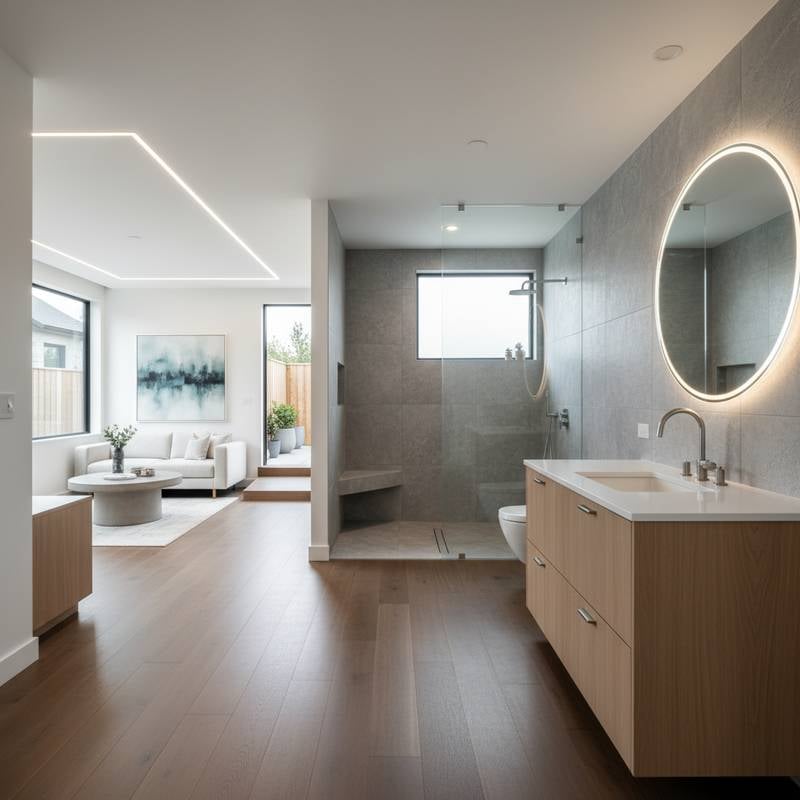
Extend Your Time at Home: Universal Design Remodeling Strategies
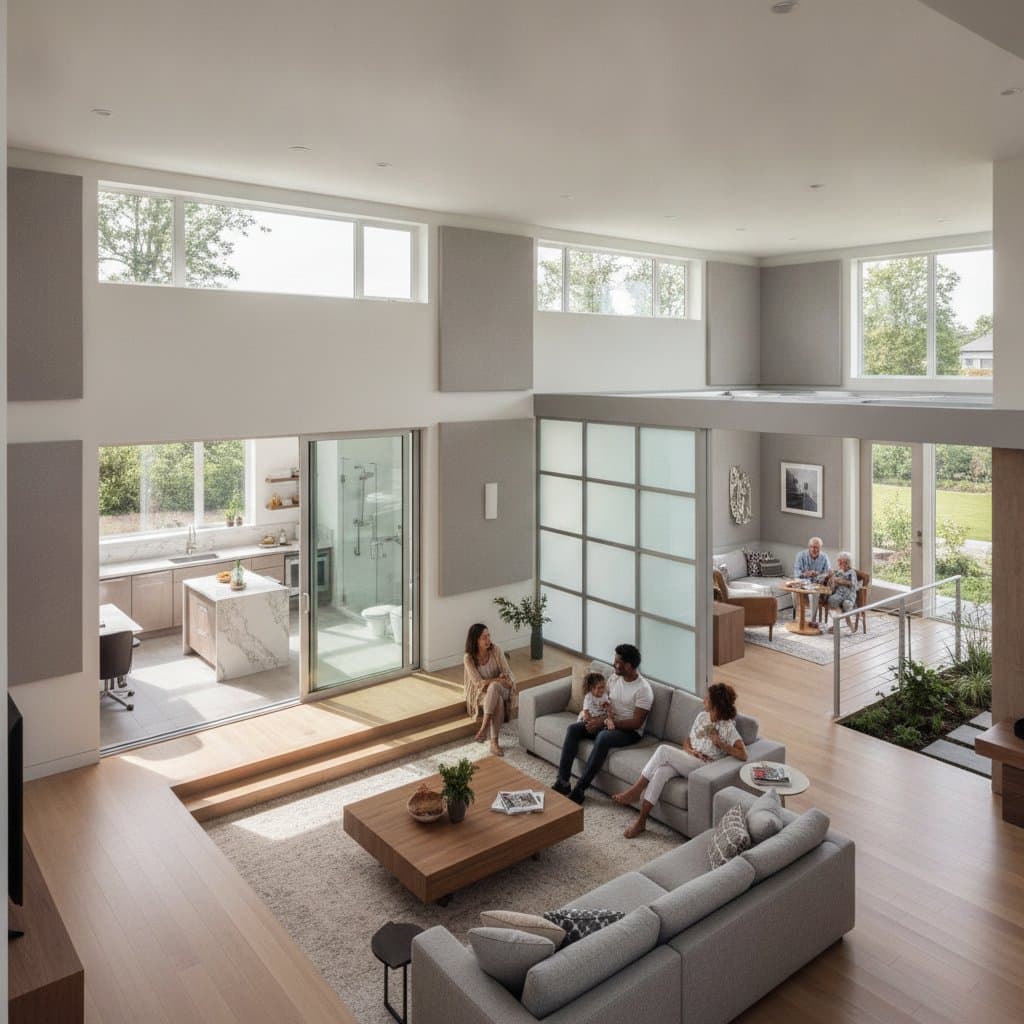
Aging in place enables individuals to reside in familiar surroundings while modifying the environment to address evolving physical requirements. Universal design achieves this goal by developing areas that prioritize safety, accessibility, and usability for people of all ages and abilities. This resource details methods to integrate universal design elements during renovations, fostering prolonged independence and well-being.
Overview of Guide Topics
- Fundamental concepts of universal design
- Targeted renovation suggestions by room
- Expense estimates and investment returns
- Indicators for engaging specialists
- Upkeep strategies and enduring advantages
Entryways and Circulation Paths
Importance of Accessible Entry Points
A secure and straightforward entry establishes the foundation for safe navigation throughout the residence. Eliminating steps removes potential stumbling risks and facilitates movement for wheelchair users, those with walkers, or families with young children.
Essential Design Elements
- Threshold-free doorways: Achieve seamless shifts from exterior to interior surfaces.
- Expanded door widths: Specify a minimum of 36 inches to allow unobstructed movement.
- Lever-operated hardware: These mechanisms demand less grip strength than round knobs.
- Enhanced illumination: Incorporate motion-activated lights to heighten visibility during low-light conditions.
Financial Considerations and Value Recovery
Creating a threshold-free entry involves expenses from $800 to $2,500, influenced by site grading and selected materials. Widening doors incurs an additional $300 to $800 per unit. Such modifications elevate usability and market desirability, particularly among purchasers seeking homes suited for extended occupancy.
Self-Installation Versus Expert Assistance
Swapping out hardware or installing lighting represents feasible self-directed tasks. Altering thresholds or resizing door frames demands professional oversight to preserve structural stability and adhere to building regulations.
Bathroom Enhancements for Security and Usability
Significance in Preventing Accidents
Bathrooms present frequent sites for slips due to moisture and confined layouts. Thoughtful redesigns enhance protection while preserving an appealing aesthetic.
Core Accessibility Components
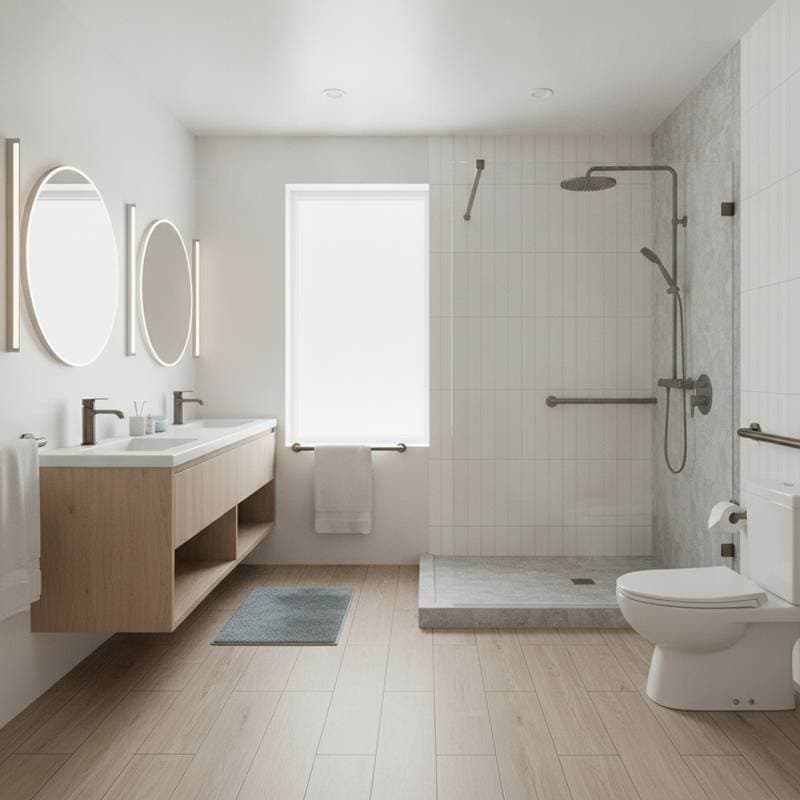
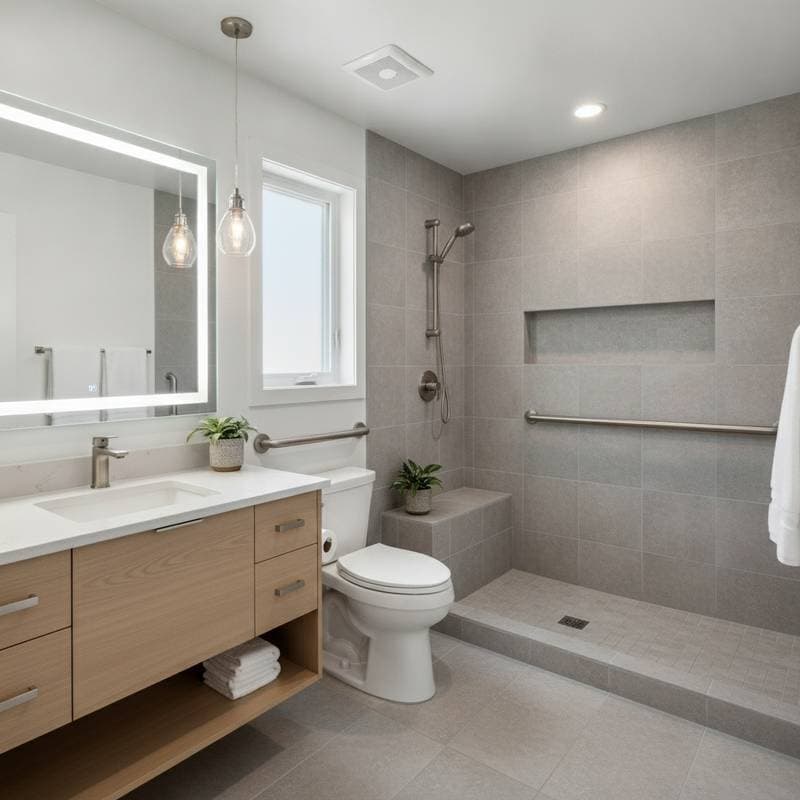
- Barrier-free showers: Enable entry for mobility aids and minimize fall dangers.
- Support rails: Position these near commodes, bathing areas, and tubs; select options with finishes that complement existing elements.
- Elevated commodes: Opt for heights between 17 and 19 inches to simplify sitting and rising.
- Adjustable shower attachments: These provide versatility for use from various positions.
- Slip-resistant surfaces: Employ materials like patterned tiles or resilient mats to enhance grip.
Investment Breakdown and Recoupment
A comprehensive bathroom overhaul ranges from $10,000 to $25,000. A single barrier-free shower installation costs $3,000 to $8,000, varying with dimensions and sealing requirements. These enhancements draw interest from accessibility-conscious buyers, typically recouping 60 to 70 percent of expenditures upon sale.
Appropriate Tasks for DIY or Professionals
Securing support rails or fitting adjustable shower units qualifies as safe independent work with correct fastening techniques. Managing waterproofing, tiling, and drainage necessitates skilled labor to avoid moisture issues and meet standards.
Bedroom Configurations for Comfort and Mobility
Role in Daily Independence
An optimized bedroom arrangement promotes fluid movement and reduces obstacles. Sufficient clearance around furnishings accommodates mobility supports without causing disarray.
Practical Layout Recommendations
- Unobstructed routes: Preserve 36 inches of space encircling sleeping areas.
- Accessible storage solutions: Install adjustable rods in closets to position items at convenient levels.
- User-friendly controls: Choose lever handles on doors and rocker-style switches for lights.
- Stable flooring options: Select low-profile carpets, cork, or similar materials that offer balance and insulation.
Budgeting and Long-Term Gains
Basic bedroom modifications, including flooring and organizational updates, span $2,000 to $6,000. These adjustments enhance routine functionality and future adaptability.
Indicators for Professional Involvement
Specific universal design implementations call for specialized knowledge in design and execution. Alterations affecting structure, water systems, or electricity require alignment with local ordinances and may involve approvals.
Scenarios Requiring Expert Input:
- Demolishing partitions or modifying weight-bearing components.
- Fitting barrier-free showers or reconfiguring plumbing lines.
- Updating electrical setups for illumination or automated systems.
- Reshaping outdoor routes or constructing inclines.
To choose a reliable specialist, seek credentials like Certified Aging-in-Place Specialist designation. Request examples of comparable undertakings and verify familiarity with both functional guidelines and visual harmony.
Frequently Addressed Inquiries
Which surfaces suit universal design principles?
Durable choices such as luxury vinyl planks and patterned ceramic tiles deliver longevity, reduced slippage, and straightforward care.
How do these elements influence property worth?
They expand the buyer pool, particularly for those anticipating extended residency, thereby increasing appeal.
Can accessibility integrate with contemporary aesthetics?
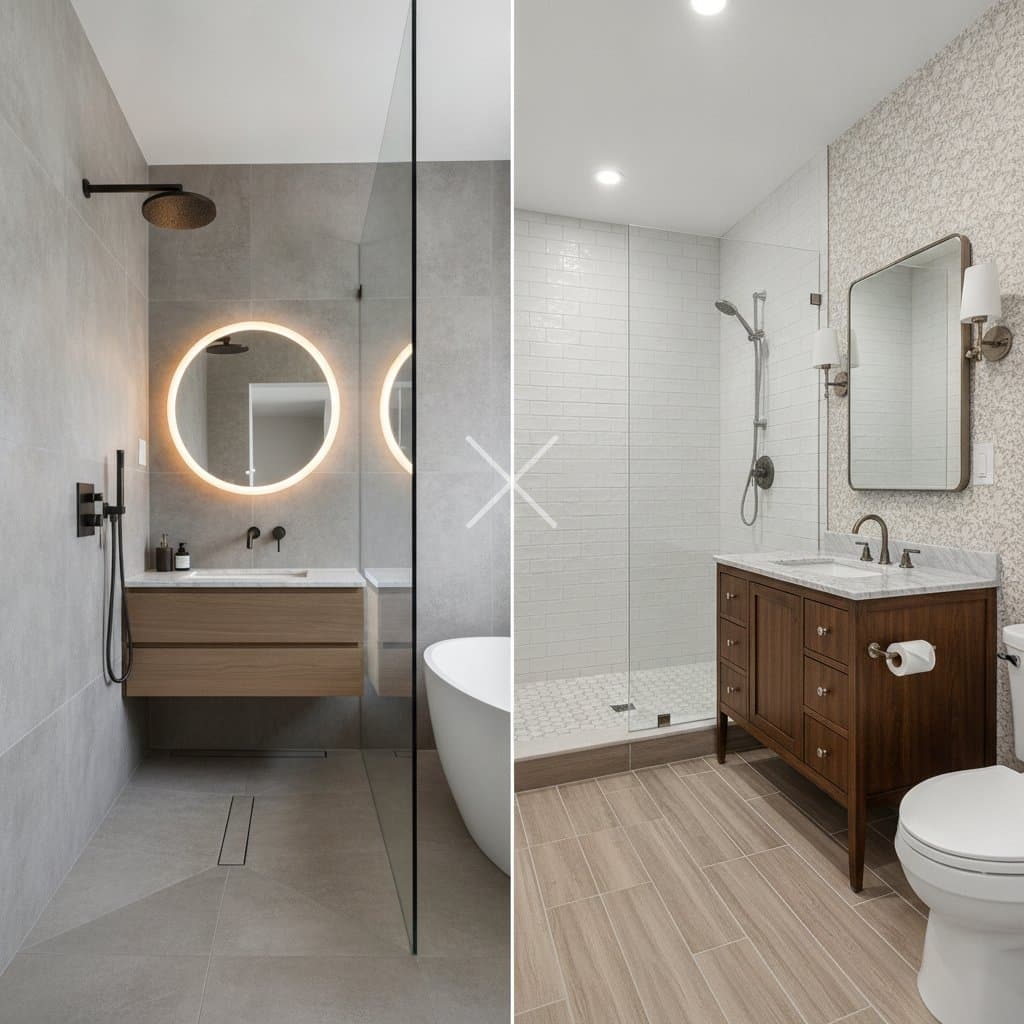
Yes, through sleek hardware, coordinated materials, and thoughtful placements that align with preferred styles.
Must one undertake a complete overhaul for aging in place?
Targeted interventions, including support installations, better lighting, and ergonomic handles, yield substantial improvements.
Are funding options available for these modifications?
Certain community or national initiatives provide support for such projects; consult regional housing offices to determine qualifications.
Sustaining Adaptability Over Time
Universal design renovations represent commitments to security, autonomy, and livability. Routine checks ensure ongoing performance and visual appeal. Examine support elements, illumination sources, and walking surfaces each year; renew deteriorated areas to uphold grip and verify operational smoothness.
As circumstances change, incorporate flexible elements like height-adjustable work surfaces and intelligent controls. These allow refinements without extensive disruptions, supporting continuous comfort.