Aging in Place: 2026 Universal Design Costs Revealed
Homeowners seek environments that promote safety, comfort, and independence as needs evolve. Universal design remodeling adapts living spaces to accommodate varying abilities while maintaining aesthetic appeal and functionality. This approach integrates accessible elements seamlessly into everyday areas.
The following sections detail projected 2026 costs for key projects, highlight investments with strong returns, and provide planning strategies. Readers will find practical guidance to balance immediate improvements with long-term adaptability.
Understanding Universal Design and Aging in Place
Universal design principles emphasize environments usable by individuals of all ages, sizes, and abilities. These designs incorporate features such as zero-threshold entries, adjustable counter heights, and intuitive controls that enhance usability without altering visual harmony.
Aging in place initiatives apply these concepts to residential settings, enabling residents to remain in familiar surroundings. Common modifications include reinforced walls for future grab bar support and motion-sensor lighting to reduce fall risks. Such adaptations foster independence and reduce reliance on external care.
Where to Invest for the Greatest Return
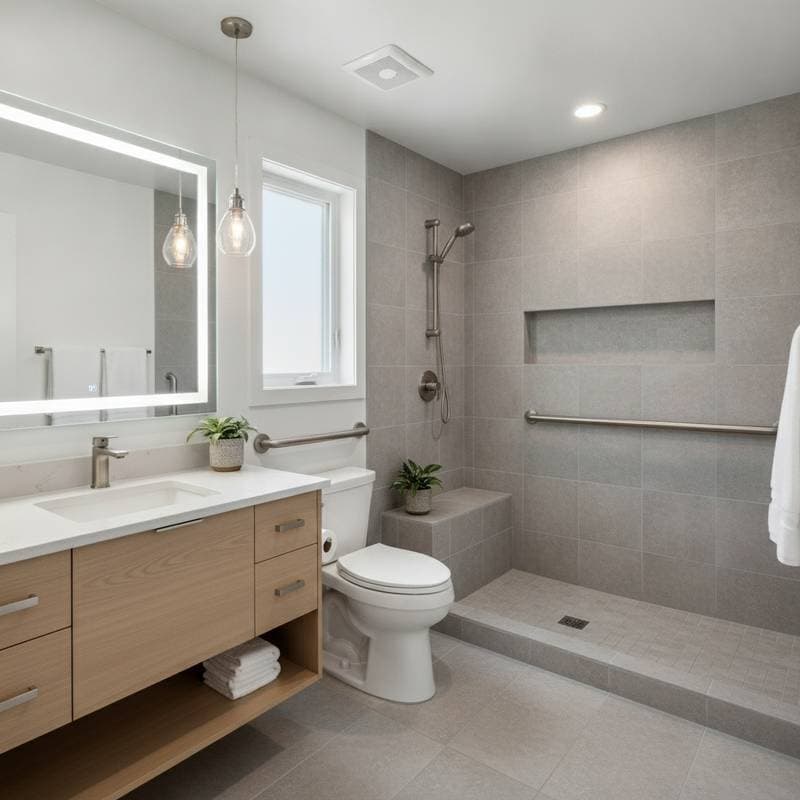
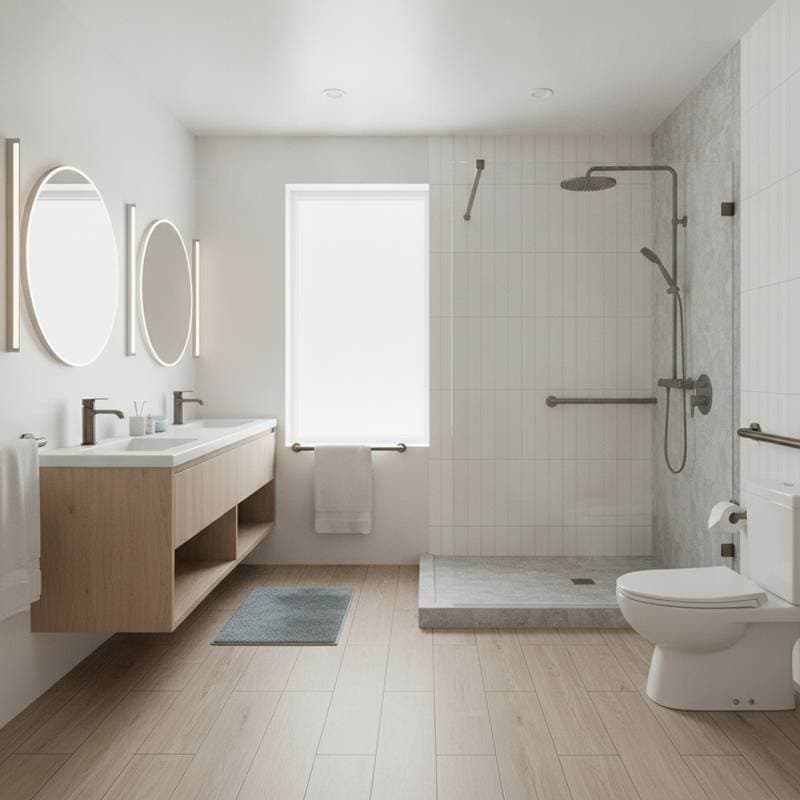
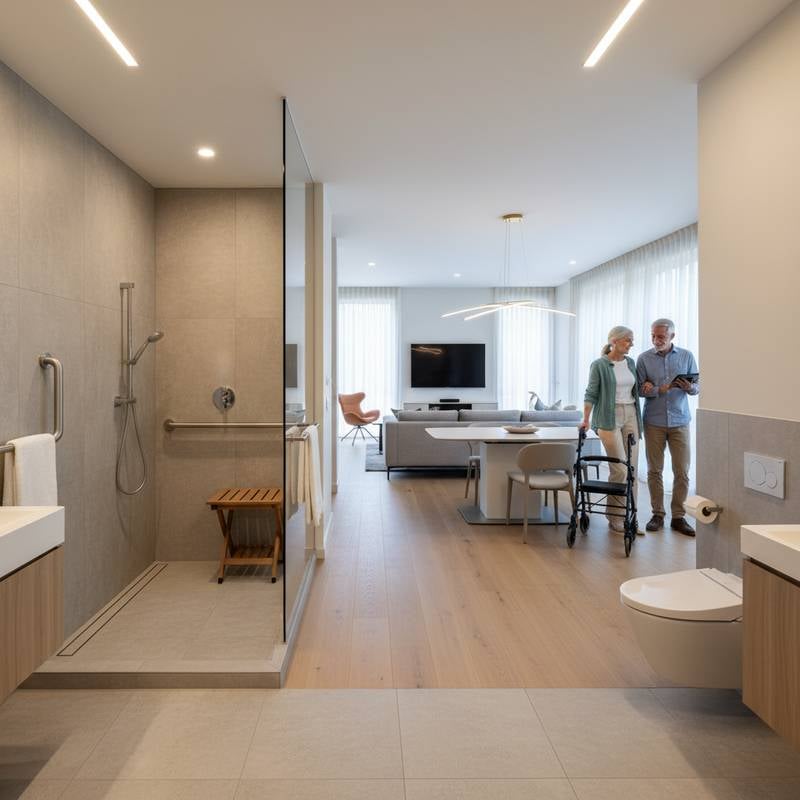
Targeted upgrades in high-traffic areas yield both practical benefits and financial recovery. Bathroom remodels incorporating walk-in showers and comfort-height fixtures often recover 60 to 70 percent of costs upon resale, with average 2026 expenses ranging from $15,000 to $25,000 depending on scope.
Kitchen enhancements, such as pull-out shelves and lower cabinetry with lift mechanisms, appeal to multigenerational households and boost market value by 50 to 65 percent. Expect costs between $20,000 and $40,000 for full updates that prioritize reachability and workflow efficiency.
Structural changes like installing platform lifts or widening hallways may not directly increase resale prices but prevent expenses associated with institutional care, which can exceed $50,000 annually. Prioritize these for personal longevity over market appeal.
Money-Saving Strategies for Universal Design Projects
Effective budgeting requires foresight and resourcefulness. Homeowners can implement the following approaches to optimize expenditures.
-
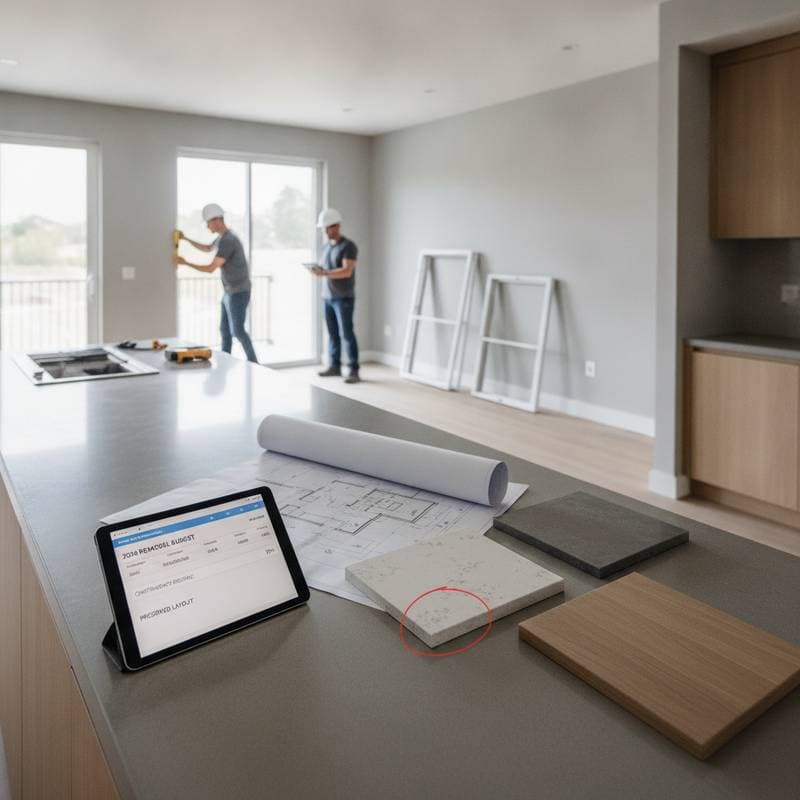
Integrate updates during routine renovations. Align accessibility features with planned kitchen or bath overhauls to consolidate labor costs, potentially saving 20 to 30 percent on combined projects.
-
Choose durable, affordable alternatives. Opt for luxury vinyl flooring over hardwood for slip resistance at $3 to $5 per square foot, or fiberglass shower bases instead of custom tile enclosures to cut installation by half.
-
Incorporate future-proofing elements. Pre-wire for smart home devices or install blocking in walls during initial construction, avoiding $1,000 to $3,000 in retrofit expenses later.
-
Explore financial incentives. Research federal tax credits under the Residential Clean Energy Credit or state grants for disability adaptations, which may offset 10 to 30 percent of qualified costs.
-
Solicit competitive bids. Obtain at least three detailed quotes from certified contractors to negotiate rates and uncover efficiencies, ensuring transparency on material and labor breakdowns.
Maintenance and Longevity
Universal design components emphasize resilience to withstand daily use. Slip-resistant surfaces and ergonomic hardware demand routine cleaning with mild solutions to maintain performance.
Smart systems, including automated lighting and voice-activated controls, benefit from firmware updates every six months to ensure reliability. Inspect adjustable elements like countertops quarterly for alignment and stability.
Selecting premium materials such as corrosion-resistant metals for fixtures extends service life beyond 20 years. This upfront choice minimizes disruptions and preserves the home's integrity over decades.
Common Questions About Universal Design Costs
What serves as the most affordable universal design modification? Swapping traditional round doorknobs for lever-style handles costs $30 to $60 per unit and significantly eases operation for those with limited grip strength.
Is it possible to enhance bathroom accessibility without a complete overhaul? Affirmative. Adding wall-mounted grab bars, a fold-down shower seat, and a bidet toilet attachment delivers substantial gains for $1,500 to $2,500.
Are permits necessary for accessibility modifications? Requirements apply to alterations involving electrical wiring, plumbing rerouting, or load-bearing adjustments. Consult local authorities to comply with codes and avoid fines.
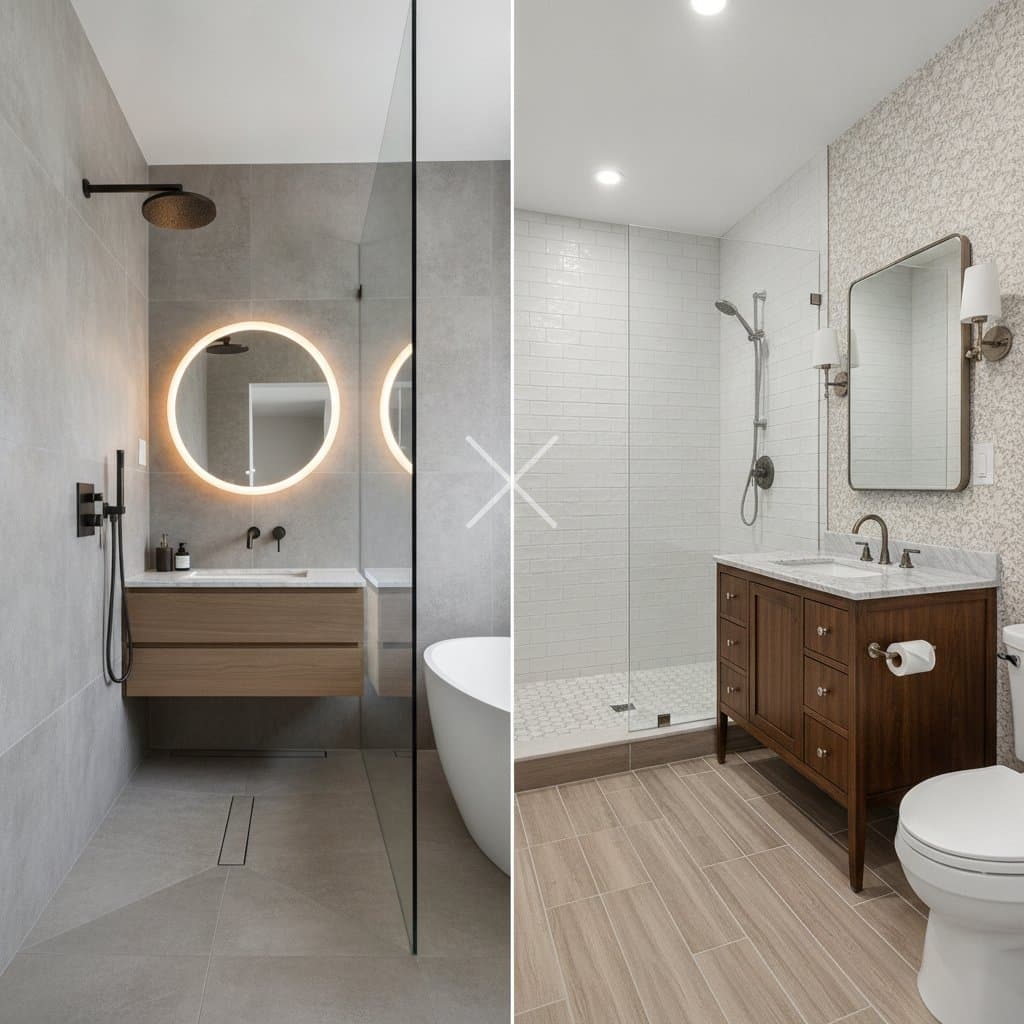
Does universal design compromise aesthetic appeal? Not when selections align with existing decor. Contemporary lever faucets and matte-black grab bars integrate smoothly into modern, traditional, or minimalist schemes.
Might insurance offset remodeling expenses? Standard policies seldom reimburse preventive upgrades, though physician-documented medical needs could support tax deductions or Medicare supplements for specific items like stair lifts.
Planning for Long-Term Comfort and Value
Universal design remodeling represents a strategic commitment to sustained well-being. Begin assessments in primary zones like bathrooms and kitchens, evaluating traffic patterns and usage frequency.
When funds limit scope, focus on foundational safety measures such as non-slip pathways and adequate illumination. These interventions immediately lower accident risks and pave the way for phased expansions.
Collaborate with certified aging-in-place specialists (CAPS) to customize plans. Their expertise ensures modifications align with personal routines, blending form and function for enduring satisfaction.
Living Comfortably with Universal Design
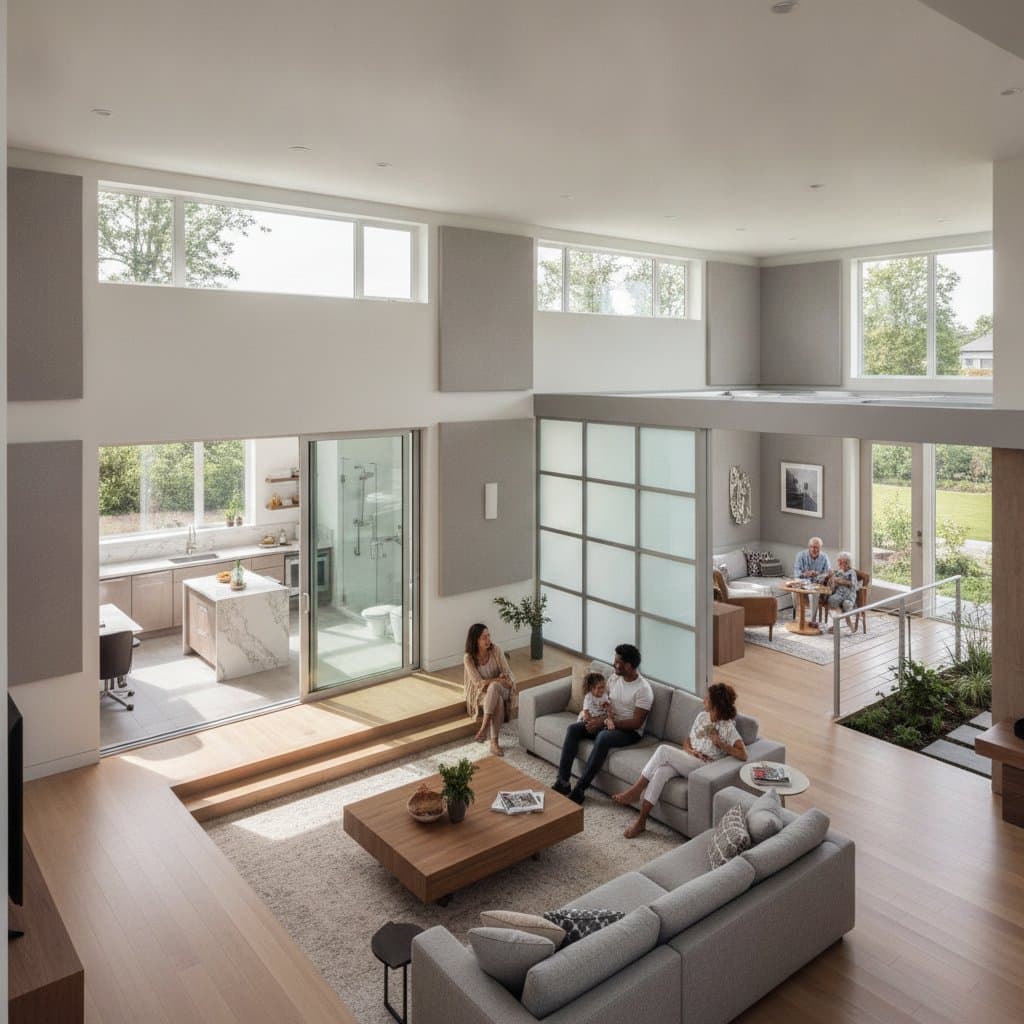
Completed enhancements yield multifaceted advantages, from fluid movement to reduced physical strain. Open layouts and intuitive features accommodate guests, family members, and personal changes alike.
Sustain these benefits through proactive care: verify fixture security biannually, recalibrate smart devices seasonally, and address wear promptly. Such diligence upholds the home as a resilient sanctuary.
Ultimately, universal design cultivates environments that evolve alongside residents, promoting vitality and peace of mind across life's phases.