Understanding Biophilic Design
Biophilic design draws people closer to the natural world within built environments. This philosophy recognizes that humans thrive when surrounded by elements reminiscent of nature. By incorporating these principles into home remodels, homeowners can foster a sense of calm and vitality.
The concept originates from the innate human affinity for living organisms and natural systems. In urban settings, where disconnection from nature often prevails, biophilic elements restore balance. For 2026, this design trend gains prominence as wellness becomes a priority in residential spaces.
Homeowners benefit from reduced stress and improved focus in such surroundings. Studies highlight how nature-inspired interiors lower cortisol levels and enhance mood. As remodel projects evolve, biophilic design offers practical ways to achieve these outcomes without extensive overhauls.
Core Principles of Biophilic Design
Biophilic design rests on several foundational principles that guide implementation. These include direct experiences with nature, such as views of greenery, and indirect cues like natural patterns and materials. Each principle contributes to creating harmonious living areas.
Direct nature connections involve tangible elements like plants and water. Indirect aspects encompass sensory stimuli, from textured surfaces to diffused light. Prospect and refuge principles ensure spaces feel open yet secure, mimicking natural landscapes.
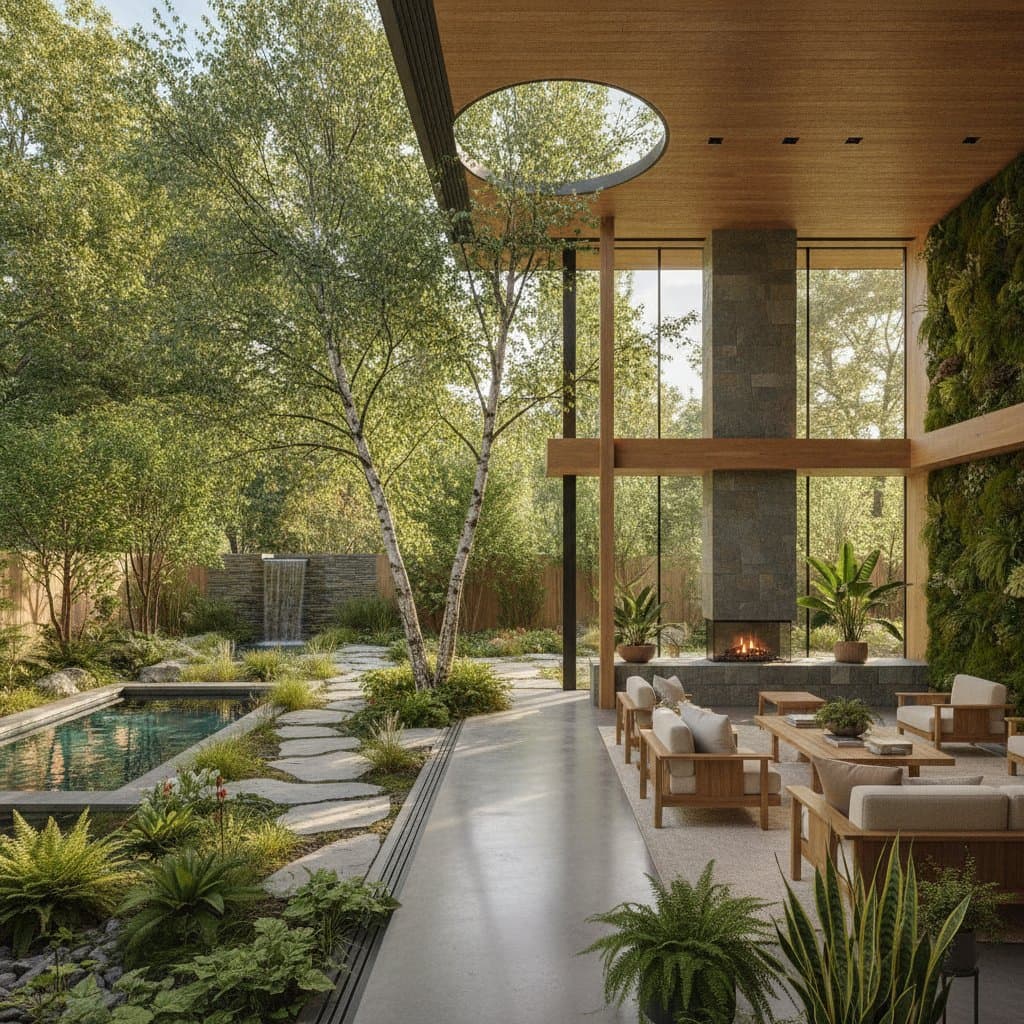
In practice, these principles adapt to various home layouts. A small apartment might emphasize vertical gardens, while a spacious house incorporates outdoor-indoor flow. The goal remains consistent: to embed nature seamlessly into daily life.
Maximizing Natural Light
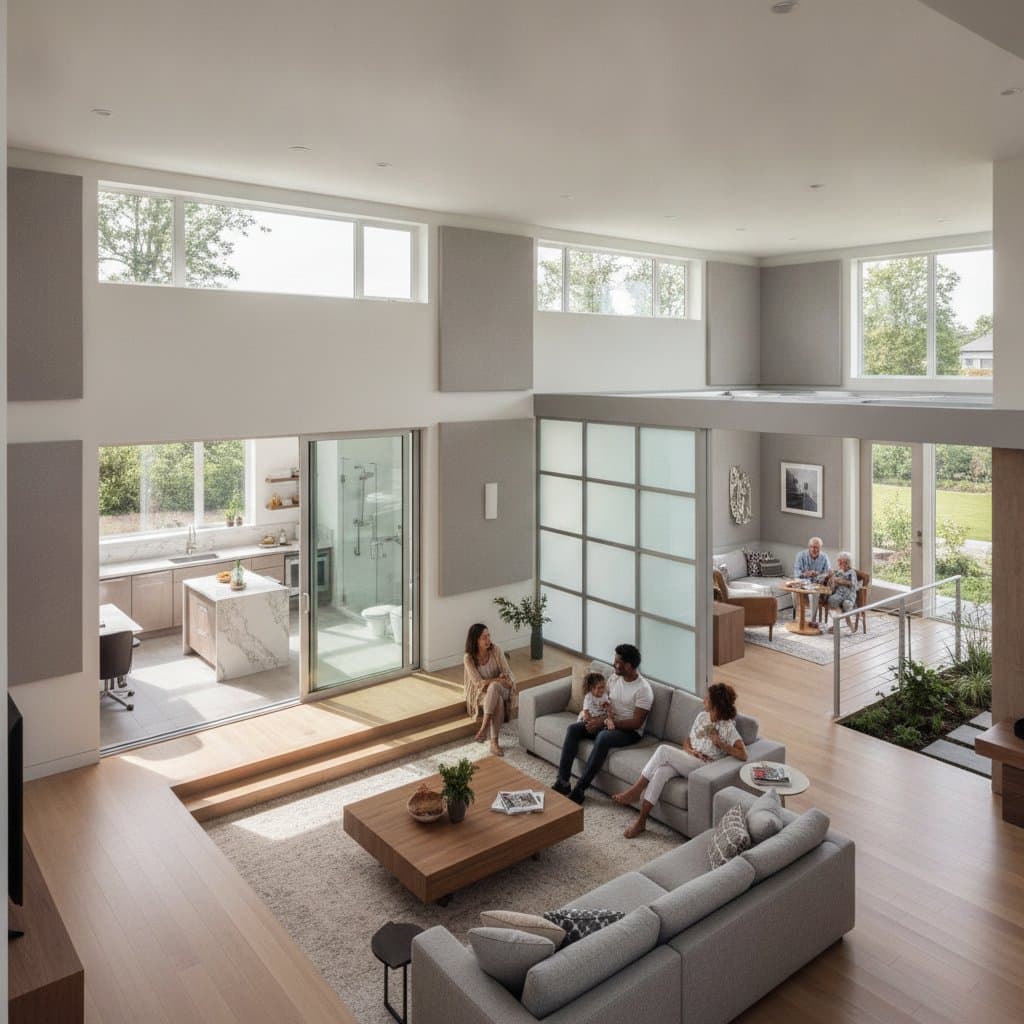
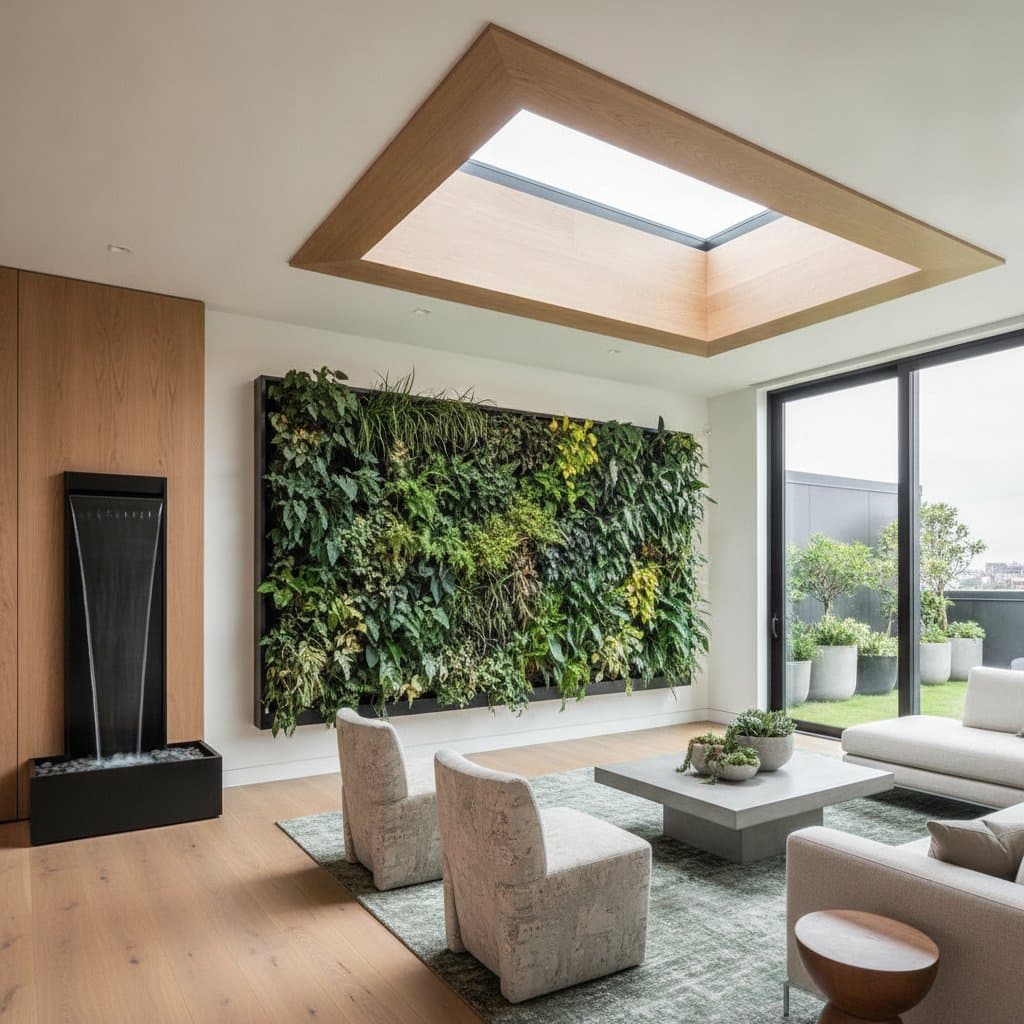
Natural light serves as a cornerstone of biophilic design. Sunlight regulates circadian rhythms and boosts serotonin production, essential for well-being. To integrate this element, consider expanding window sizes or installing skylights during remodels.
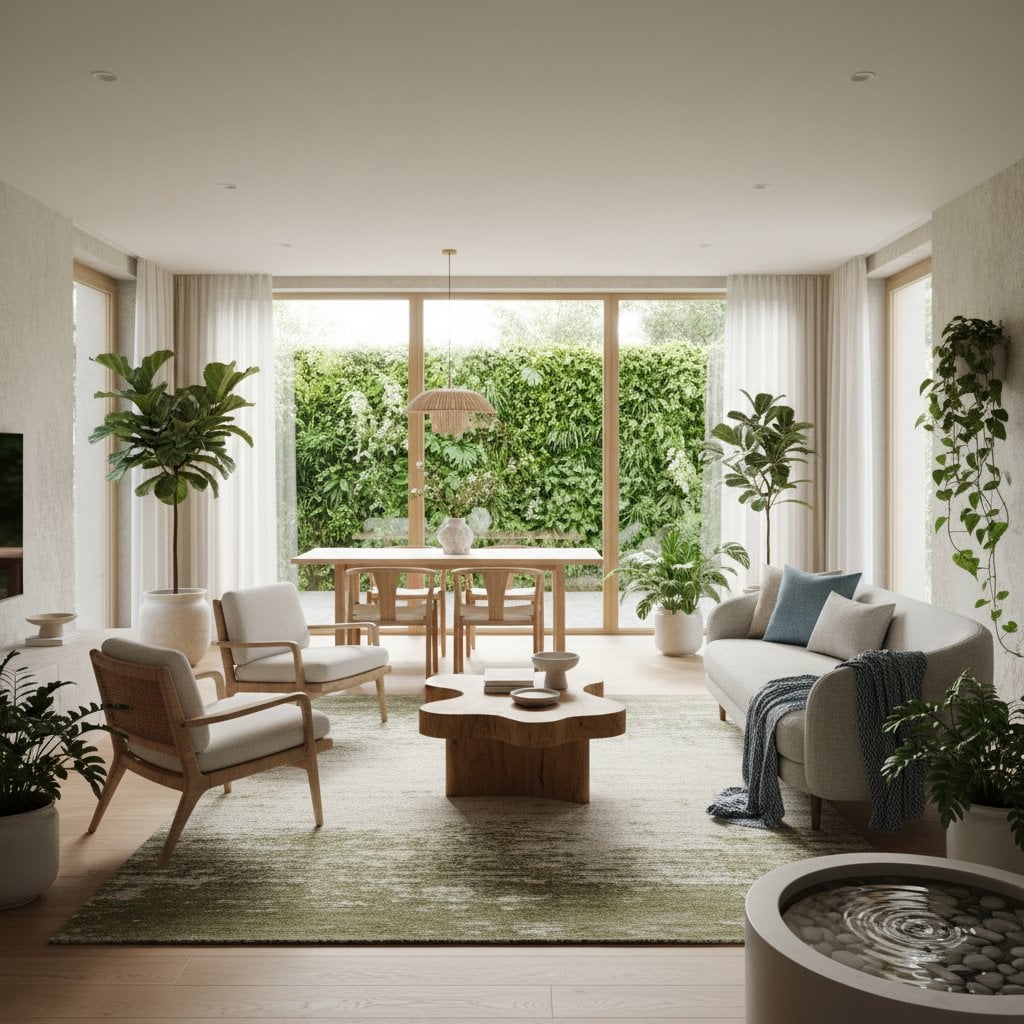
Strategic placement of windows captures morning and afternoon light effectively. Sheer curtains diffuse harsh rays while preserving views. In 2026 trends, smart glass technologies allow adjustable tinting to optimize light throughout the day.
Beyond windows, light wells or atriums bring illumination to interior rooms. This approach not only enhances brightness but also creates dynamic shadows that evoke forest canopies. Homeowners report heightened energy levels in light-filled spaces.
Incorporating Organic Materials
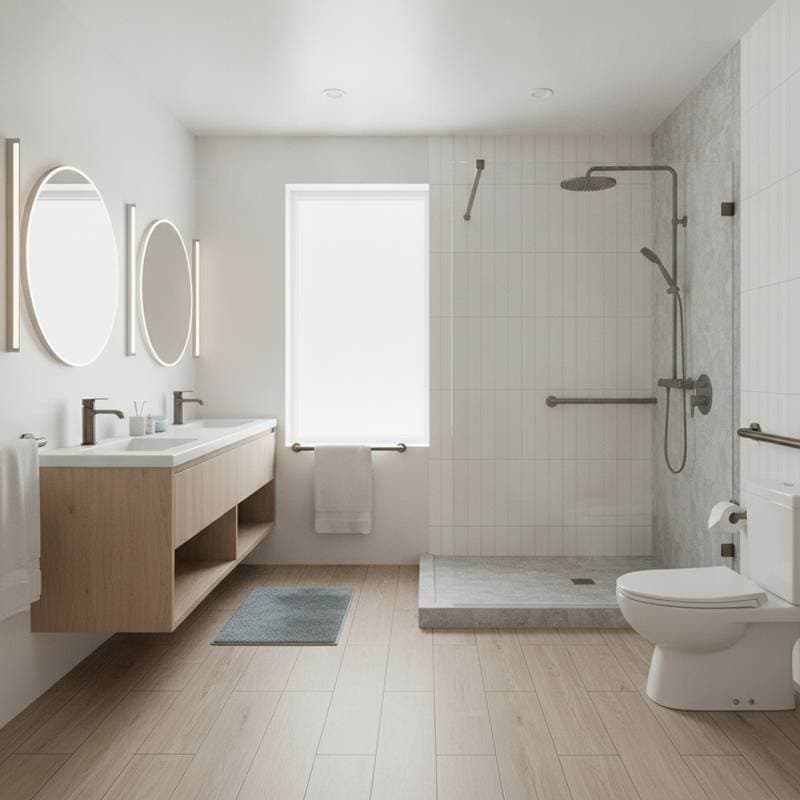
Organic materials ground interiors in earth's textures and tones. Wood, stone, and bamboo provide warmth and durability, contrasting synthetic surfaces. Select sustainably sourced options to align with environmental values.
Reclaimed wood accents on walls or floors add character and history. Stone features, such as a hearth or countertop, introduce rugged elegance. Bamboo flooring offers a soft underfoot feel, ideal for high-traffic areas.
For 2026 remodels, innovative composites mimic natural grains without depletion of resources. These materials resist wear while maintaining authentic appearances. Touching such surfaces evokes a tactile connection to the outdoors.
Adding Greenery and Plant Life
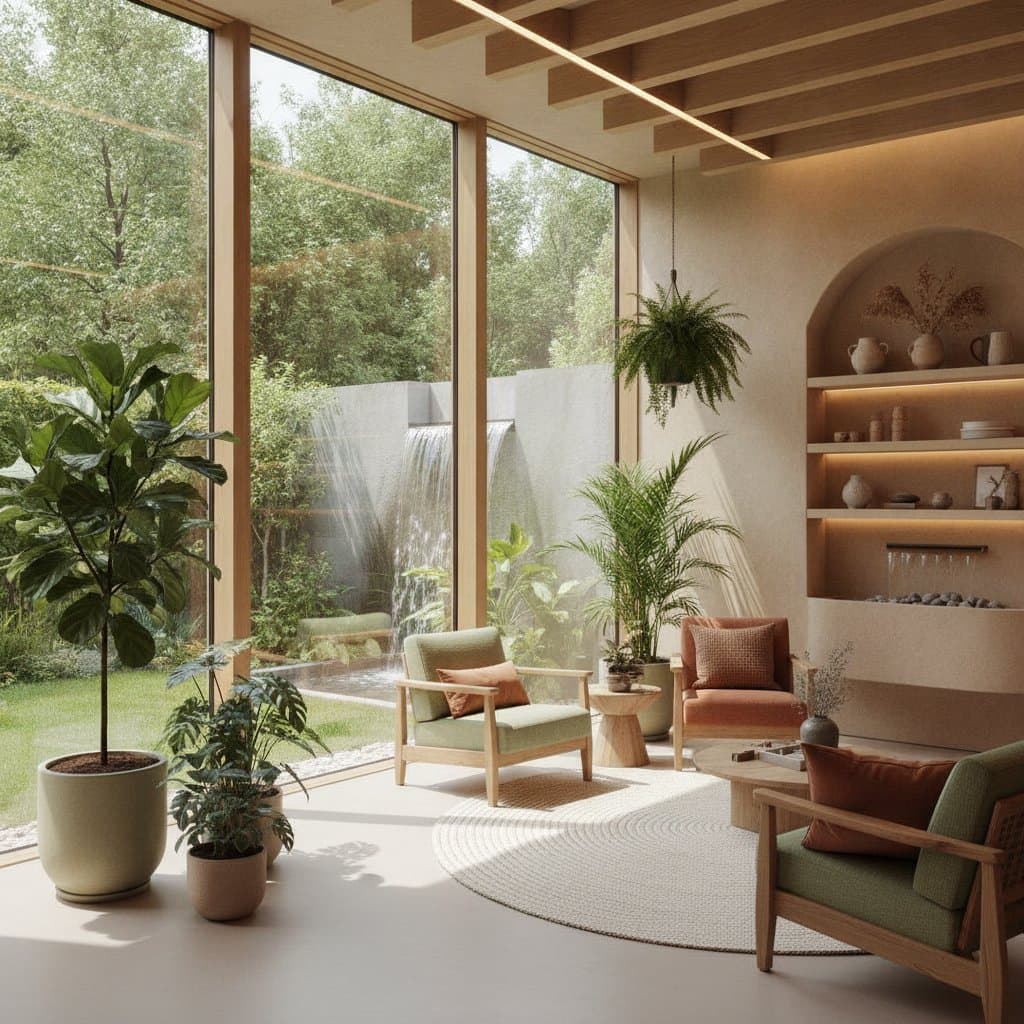
Indoor plants purify air and soften acoustics, enhancing overall comfort. Greenery introduces life and movement to static spaces. Start with low-maintenance varieties like snake plants or pothos for easy integration.
Vertical gardens on walls maximize space in compact homes. Hanging planters suspend foliage overhead, creating layered interest. In larger areas, built-in planters frame seating zones, blurring boundaries between indoors and out.
2026 trends emphasize bioluminescent plants and hydroponic systems for year-round vibrancy. These setups require minimal soil, fitting modern sustainable practices. Residents often find tending to plants a meditative ritual that reinforces wellness.
Selecting Soothing Color Palettes
Color choices influence mood profoundly in biophilic contexts. Earthy tones—soft greens, warm browns, and muted blues—promote serenity. Avoid stark contrasts; opt for palettes that mirror natural transitions, like dawn skies or forest floors.
Accent walls in sage green pair with neutral bases for balance. Textiles in linen or cotton echo these hues, adding subtle texture. Lighting enhances color depth, shifting atmospheres from energizing mornings to restful evenings.
Emerging 2026 palettes incorporate adaptive paints that change with light exposure. This dynamic quality simulates natural variability, keeping spaces feeling alive. Such selections create inviting backdrops for daily activities.
Integrating Gentle Water Features
Water elements introduce soothing sounds and reflective qualities. A simple wall fountain or tabletop cascade provides auditory calm without overwhelming space. Position them near relaxation areas to amplify tranquility.
In remodels, recessed basins blend seamlessly into countertops. Outdoor extensions, like a patio pond, extend biophilic benefits beyond walls. Filtration systems ensure clean, quiet operation, minimizing maintenance.
For 2026, solar-powered features align with eco-conscious designs. These additions not only humidify air but also serve as focal points for mindfulness. The gentle flow mirrors natural streams, inviting moments of pause.
Actionable Steps for Your Remodel
Begin your biophilic transformation by assessing current spaces. Identify areas lacking natural elements, such as dim corners or sterile kitchens. Prioritize high-use rooms for maximum impact.
- Consult professionals familiar with sustainable materials to source authentic components.
- Sketch layouts incorporating light paths and plant placements.
- Test color samples under various lighting conditions before committing.
- Install water features with noise levels suited to your household.
- Integrate smart controls for automated light and humidity adjustments.
Budget wisely by phasing projects—start with paint and plants, then advance to structural changes. Track progress to ensure alignment with wellness goals.
Realizing Lasting Well-Being Through Design
Biophilic design elevates homes into sanctuaries that nurture body and mind. By weaving nature's essence into everyday surroundings, residents experience sustained calm and rejuvenation. These spaces adapt to evolving needs, supporting long-term health.
In 2026, such remodels represent more than aesthetics; they embody intentional living. Homeowners gain environments that encourage balance amid fast-paced routines. The result proves transformative: a home that truly restores.