2026 Universal Design Costs for Aging-in-Place Remodels
Aging in place enables individuals to remain in their homes as mobility and health needs evolve. Universal design principles create environments that accommodate all ages and abilities, promoting safety and independence. By grasping the elements that drive costs, homeowners can develop a remodel plan that preserves comfort and enhances property value over time.
This comprehensive guide outlines the primary influences on universal design expenses, highlights high-impact upgrades, and provides budgeting strategies tailored to diverse home layouts and lifestyles.
Key Factors Influencing Universal Design Costs
Universal design remodel costs vary based on project scale, home configuration, and selected features. Structural alterations, labor rates, and material quality further shape the budget. Consider these core elements when estimating expenses for 2026 projects.
1. Scope of Work
Projects range from minor updates to comprehensive overhauls. Targeting specific areas, such as installing grab bars in bathrooms, might cost between $5,000 and $15,000. In contrast, a full-home renovation incorporating accessibility throughout could exceed $50,000 to $150,000, depending on square footage. Kitchens and bathrooms demand the highest investments due to necessary plumbing relocations, custom cabinetry, and specialized fixtures like height-adjustable sinks.
2. Existing Layout and Structural Needs
Homes built before 1980 often feature barriers like narrow doorways or multi-level entries, necessitating costly modifications. Widening a standard 32-inch door to 36 inches for wheelchair access involves framing adjustments and may add $2,000 to $5,000 per opening. Properties with open floor plans require fewer interventions, potentially saving 20 to 30 percent on labor. Evaluate your home's foundation and electrical systems early to identify hidden expenses.
3. Material Selections
Opt for materials that prioritize durability and ease of use. Slip-resistant porcelain tiles for flooring, priced at $8 to $15 per square foot, outperform standard options in wet areas. Lever-style hardware and touchless faucets, costing $100 to $300 each, enhance usability without compromising aesthetics. While premium choices increase upfront costs by 15 to 25 percent, they minimize long-term repairs and cleaning demands.
4. Labor and Specialized Expertise
Contractors skilled in universal design command rates of $75 to $150 per hour, reflecting their knowledge of codes like the Americans with Disabilities Act. Electrical upgrades for smart lighting or outlet placements add $1,500 to $4,000. Plumbing for roll-in showers can range from $3,000 to $8,000. Select teams with certifications from organizations like the National Association of Home Builders to ensure compliance and optimal functionality.
Effective Budgeting Strategies for Aging-in-Place Remodels
Approach budgeting with a phased mindset to address current requirements while anticipating future adaptations. This method distributes expenses and reduces on-site disruptions. Focus on high-priority zones first to achieve quick wins in safety and convenience.
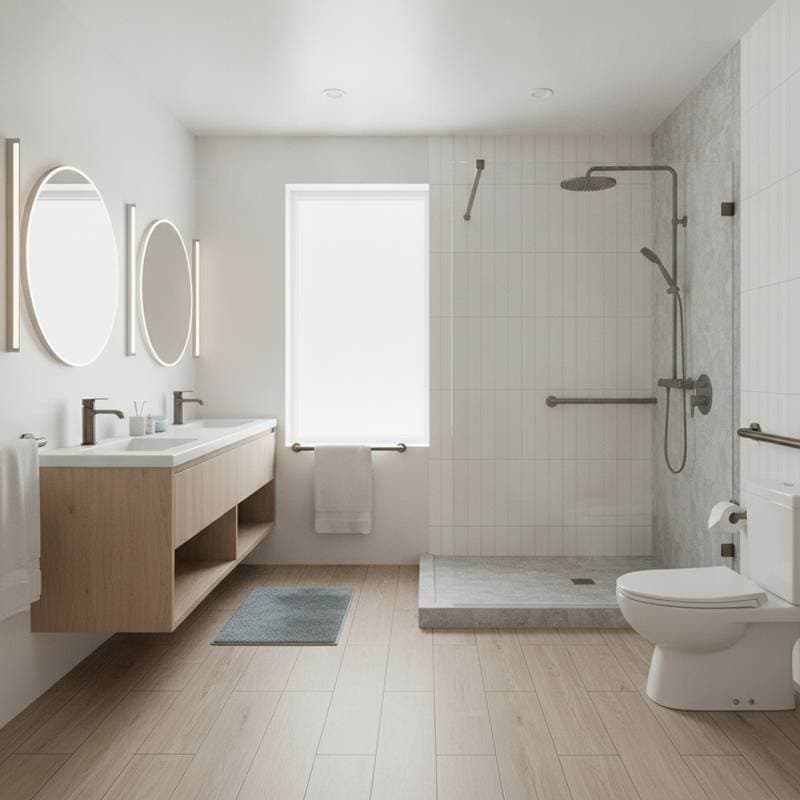
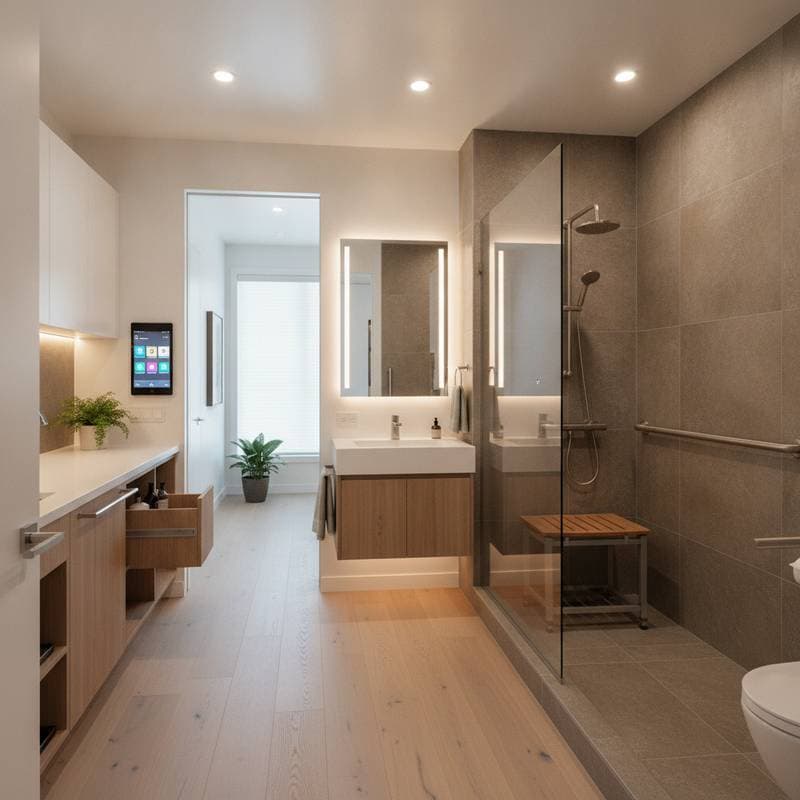
- Prioritize Essential Safety Enhancements: Begin with bathrooms by adding non-slip mats and reinforced walls for grab bars, which cost $500 to $2,000. Install motion-sensor lighting in hallways and entries for $200 to $600 per fixture to prevent falls.
- Schedule Structural Modifications Upfront: Address doorways and ramps before cosmetic work; a zero-threshold entry might require $4,000 to $10,000 but integrates seamlessly later.
- Invest in Resilient, Low-Maintenance Finishes: Choose quartz countertops at $50 to $100 per square foot for kitchens, which resist stains and support adjustable heights.
- Research Financial Assistance Programs: Grants from sources like HUD or state housing agencies can cover up to 50 percent of accessibility costs for qualifying homeowners. Consult local experts to navigate eligibility.
- Secure Comprehensive Quotes: Insist on breakdowns covering materials, labor, permits, and a 10 to 15 percent contingency for unforeseen issues. Compare at least three bids to benchmark fair pricing.
Enhancing Home Value Through Universal Design
Universal design extends beyond accessibility to elevate overall livability and market appeal. Features such as single-level living and intuitive controls appeal to a broad audience, potentially increasing resale value by 5 to 10 percent. In 2026, with rising demand for adaptable homes, these investments position properties favorably in competitive markets.
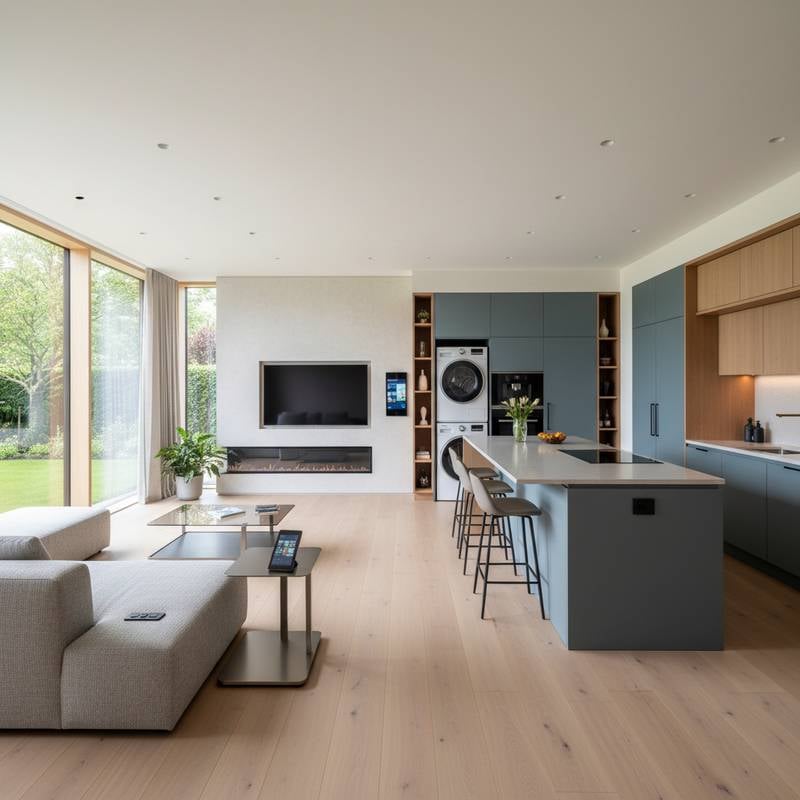
Multi-generational households benefit particularly from inclusive layouts. A wide, obstacle-free kitchen island facilitates family gatherings, while adjustable shelving in closets accommodates varying user heights. These elements foster inclusivity without altering the home's architectural charm.
Collaborating with Universal Design Professionals
Engage contractors versed in aging-in-place standards to guarantee durable, code-compliant results. Seek those with credentials from the Certified Aging-in-Place Specialist program. Review portfolios showcasing integrated accessibility, such as hidden ramps or blended grab bar designs.
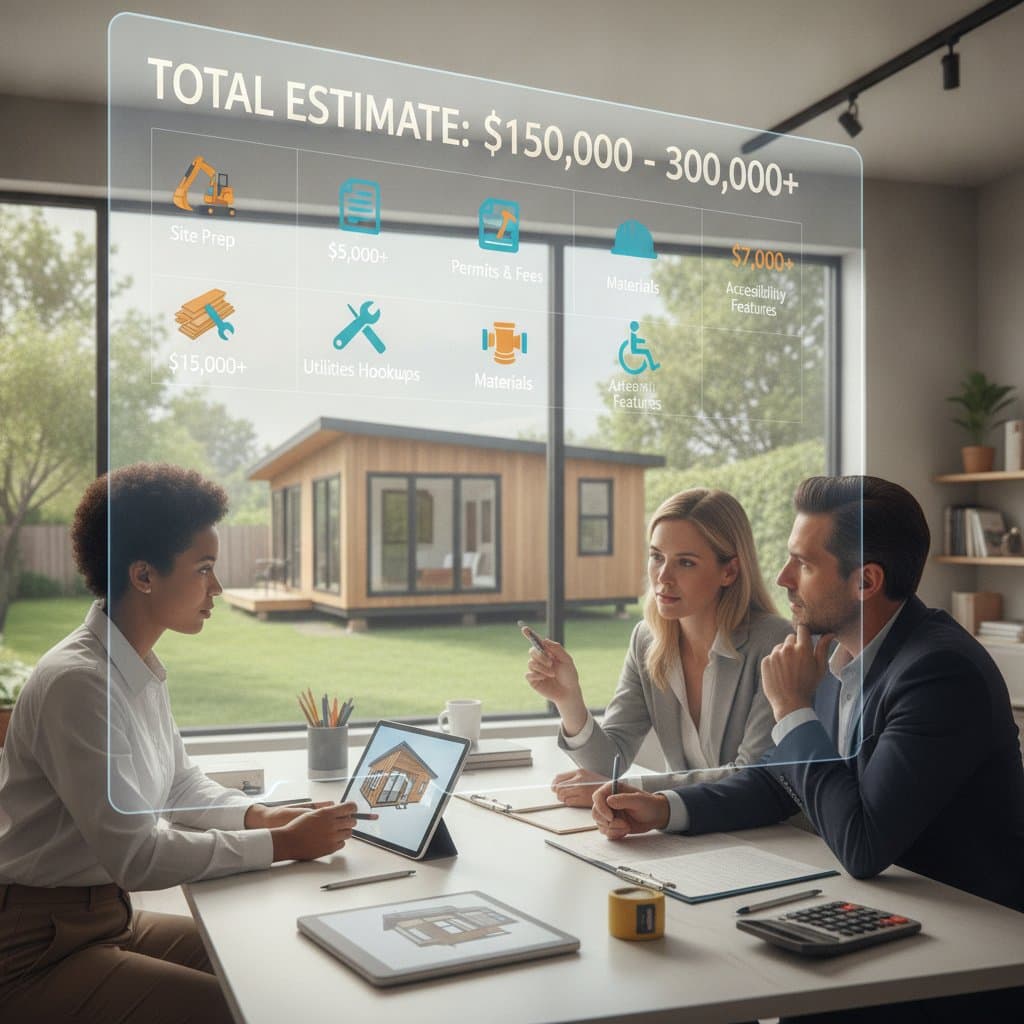
During consultations, articulate your vision for functionality and style. Request timelines, material samples, and 3D renderings to visualize outcomes. A proficient team balances practicality with elegance, ensuring the remodel feels custom-tailored rather than institutionalized.
Sustaining Accessibility and Comfort Over Time
Post-remodel maintenance preserves the investment's effectiveness. Inspect grab bars quarterly for secure mounting and lubricate door hardware annually to ensure smooth operation. Monitor flooring for wear and replace sections promptly to maintain traction.
Incorporate evolving technologies, like voice-activated controls, during routine updates. Arrange furniture to optimize traffic flow, keeping at least 36 inches of clear path in main areas. Regular assessments adapt the space to changing needs, extending the design's lifespan.
Implementing Your Universal Design Vision
Transition from planning to execution by selecting a trusted partner and adhering to your budget framework. These steps transform your home into a supportive sanctuary for years ahead. Start with a professional assessment today to unlock the full potential of universal design.