Affordable Accessibility Upgrades for Lifelong Home Comfort
A well-designed home fosters independence and security throughout life's stages. Thoughtful modifications enhance navigation and reduce risks without necessitating extensive renovations. This guide outlines practical strategies to implement these changes affordably, focusing on areas that yield immediate and enduring benefits.
Key Areas Covered
This resource addresses:
- Enhancements to entries and pathways
- Adaptations for bathrooms and kitchens
- Adjustments to lighting, flooring, and hardware
- Estimated costs and potential returns
- Decisions between self-installation and expert involvement
- Selection criteria for durable materials
- Indicators for professional assistance
Enhancing Bathroom Safety and Usability
Importance of These Changes
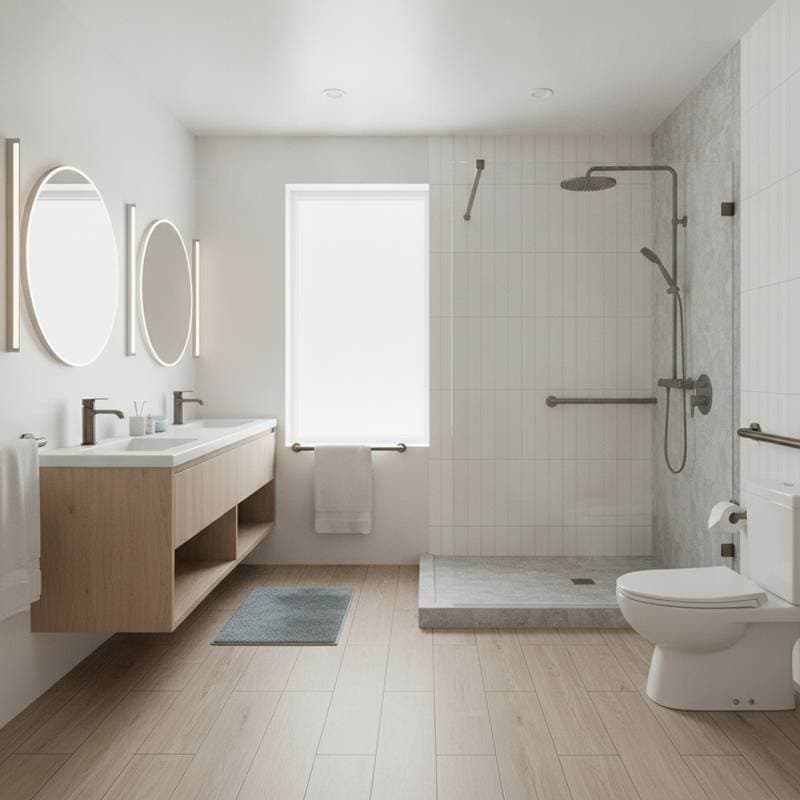
Bathrooms present frequent slip hazards from wet floors and confined areas. Targeted upgrades minimize fall risks and promote confident, independent use of the space.
Investment and Value
Upgrades vary in expense, from $100 for secure grab bars to $3,000 for converting a tub to a walk-in shower. While immediate resale boosts may be modest, these features deliver substantial long-term utility and appeal to future buyers seeking adaptable homes.
Self-Installation or Expert Help
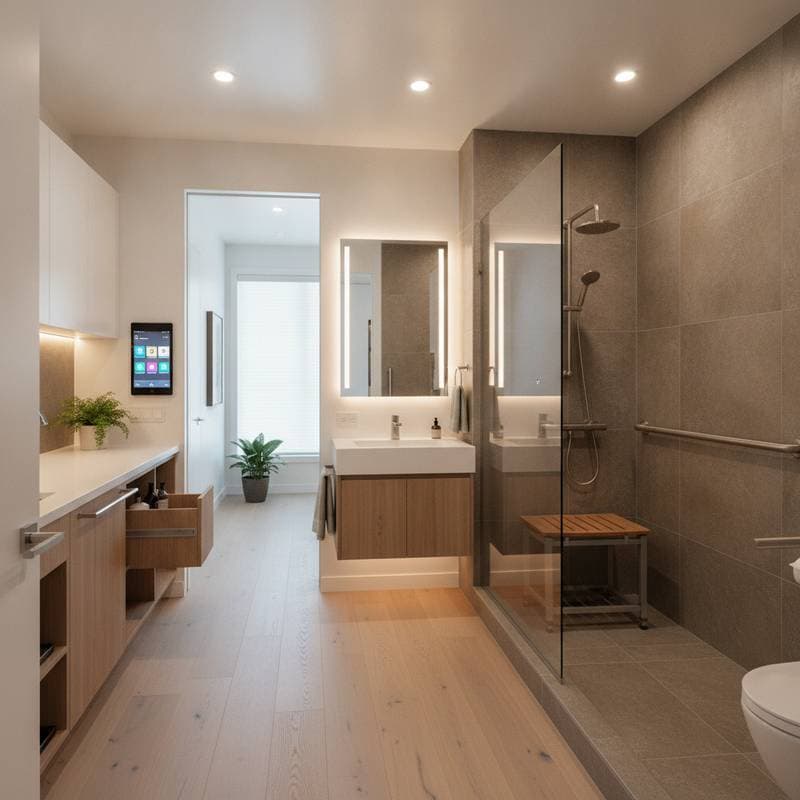
Secure grab bars or adjustable showerheads suit capable individuals who adhere to installation guidelines and fasten into sturdy wall supports. Structural alterations, such as tub removals or pipe rerouting, demand a certified plumber to maintain watertight seals and efficient drainage.
Practical Recommendations
- Select flooring with slip-resistant textures certified for moist environments.
- Position grab bars adjacent to the toilet and within the shower, set at 33 to 36 inches from the floor.
- Opt for comfort-height toilets measuring 17 to 19 inches in height to ease sitting and standing.
- Incorporate a fold-down seat or a stable portable bench inside the shower for seated bathing options.
Professional Perspective
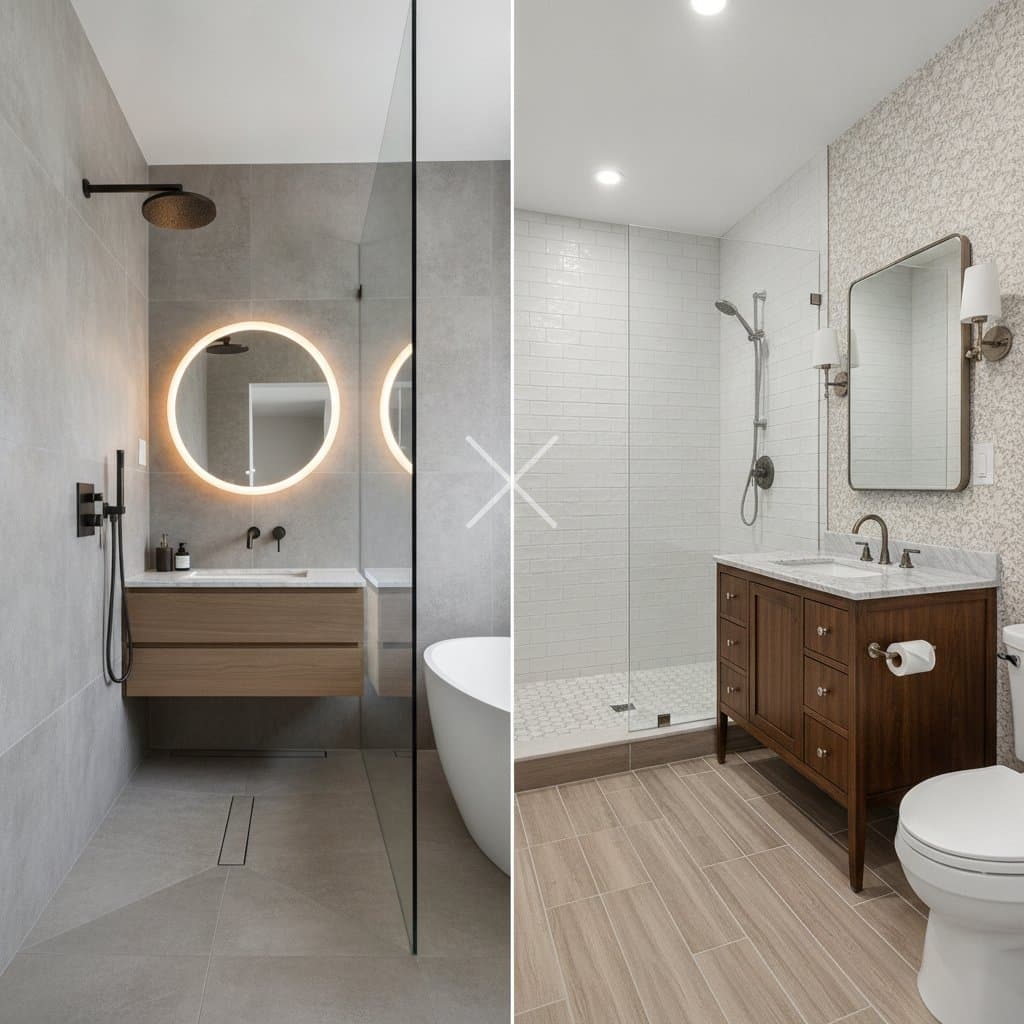
The National Kitchen and Bath Association identifies curbless showers as a leading choice in homes designed for extended occupancy. These installations facilitate seamless entry while contributing to a sleek, contemporary aesthetic.
Improving Kitchen Functionality
Significance of Kitchen Adaptations
Kitchens serve as central hubs for daily activities, where mobility challenges can complicate meal preparation and storage access. Strategic updates streamline workflows and accommodate varying physical abilities.
Budget and Benefits
Simple changes, like lever-handled faucets or pull-out shelves, cost between $50 and $500. Larger investments, such as lowered countertops or adjustable cabinetry, range from $1,000 to $5,000 but enhance daily efficiency and broaden market appeal.
Handling Installation
Replacing cabinet hardware or adding organizers often works as a straightforward self-project. Countertop modifications or electrical outlet relocations require a professional to comply with safety standards and building regulations.
Implementation Guidance
- Install lever-style faucets and single-handle controls for effortless operation.
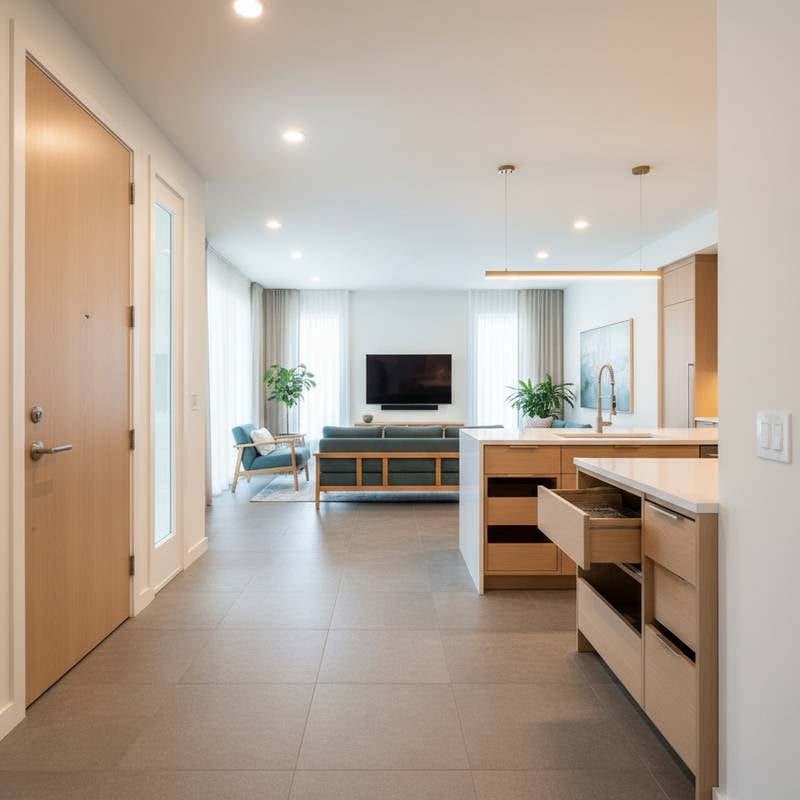
- Add pull-out drawers and lazy Susans in lower cabinets to minimize bending.
- Lower select counter sections to 34 inches for wheelchair access if needed.
- Position outlets and switches at 15 to 48 inches from the floor for universal reach.
Expert Advice
Design specialists emphasize that open shelving and contrasting edge strips on counters aid visibility and prevent mishaps, aligning with principles of inclusive living spaces.
Optimizing Lighting and Visibility
Role in Daily Safety
Adequate illumination prevents missteps, eases visual tasks, and creates inviting atmospheres. Strategic placement highlights pathways and work areas effectively.
Financial Overview
Entry-level options, including energy-efficient LED replacements or sensor-activated lights, begin at $10 to $50. Comprehensive systems with automated controls or recessed fixtures may total $200 to $800, offering ongoing energy savings.
Installation Approaches
Exchanging bulbs or attaching plug-in units requires minimal tools. Integrating wired elements or dimmer switches necessitates an electrician to avoid hazards.
Specific Strategies
- Choose LED bulbs with daylight tones for realistic illumination in living areas.
- Place motion-activated sensors in corridors and entryways for automatic activation.
- Incorporate strip lighting beneath cabinets to illuminate preparation surfaces.
- Provide multiple lighting layers per room, combining ambient, task, and accent sources.
Specialist Recommendations
Illumination guidelines suggest 300 to 400 lumens per square meter in high-activity zones like kitchens and bathrooms. This level ensures sharp visibility while avoiding overwhelming brightness.
Refining Flooring and Hardware Choices
Why These Matter
Surfaces and fixtures influence movement ease and grip security. Selecting appropriate options supports smooth transitions and reduces strain.
Cost Considerations
Vinyl or cork flooring installations start at $2 to $5 per square foot, while hardware swaps like lever handles cost $20 to $100 per unit. These yield high usability returns with low upfront costs.
DIY Feasibility
Laying peel-and-stick tiles or replacing doorknobs suits most homeowners. Subfloor preparations or threshold removals benefit from professional evaluation.
Detailed Options
- Favor low-pile carpets or seamless vinyl for wheelchair-friendly paths.
- Switch to lever handles on doors and cabinets for arthritis-friendly use.
- Eliminate raised thresholds with beveled ramps for level entries.
- Apply non-slip coatings to existing stairs and high-traffic zones.
Informed Choices
Material experts advise against glossy finishes in favor of matte textures that enhance traction without trapping dirt.
Indicators for Professional Involvement
Expertise ensures modifications meet safety codes and perform reliably. Engage a specialist for:
- Rewiring or pipe work
- Doorway expansions or partition removals
- Exterior ramp constructions adhering to gradient standards
- Sealing treatments in wet zones
Seek contractors experienced in universal design or aging-in-place principles. Review portfolios, verify licensing, and discuss permit processes. Professionals assist in sequencing projects for optimal impact and economy.
Frequently Asked Questions
Which flooring best suits mobility devices?
Low-profile carpet, resilient cork, or patterned vinyl offer grip and fluidity for walkers and wheelchairs alike.
Is tile damage avoidable when adding grab bars?
Affirmative, by securing through joints into studs with corrosion-resistant fasteners and sealing compounds.
What hallway width supports easy passage?
Target 36 inches of unobstructed space; clear obstacles like fixtures to achieve this in compact layouts.
Permits for ramps: when required?
Portable units typically bypass regulations, whereas fixed installations or home-attached ones demand approvals.
Optimal lighting for mature vision?
Select bulbs in the 3,000 to 5,000 Kelvin range with uniform output to diminish shadows and reflections.
Sustaining Accessibility Gains
Regular inspections preserve the effectiveness of your updates. Clean floors promptly to maintain traction, test hardware for looseness quarterly, and adjust lighting as preferences evolve. These habits extend the lifespan of investments, ensuring your home remains a reliable sanctuary. Consult local resources for ongoing support in adaptive living.