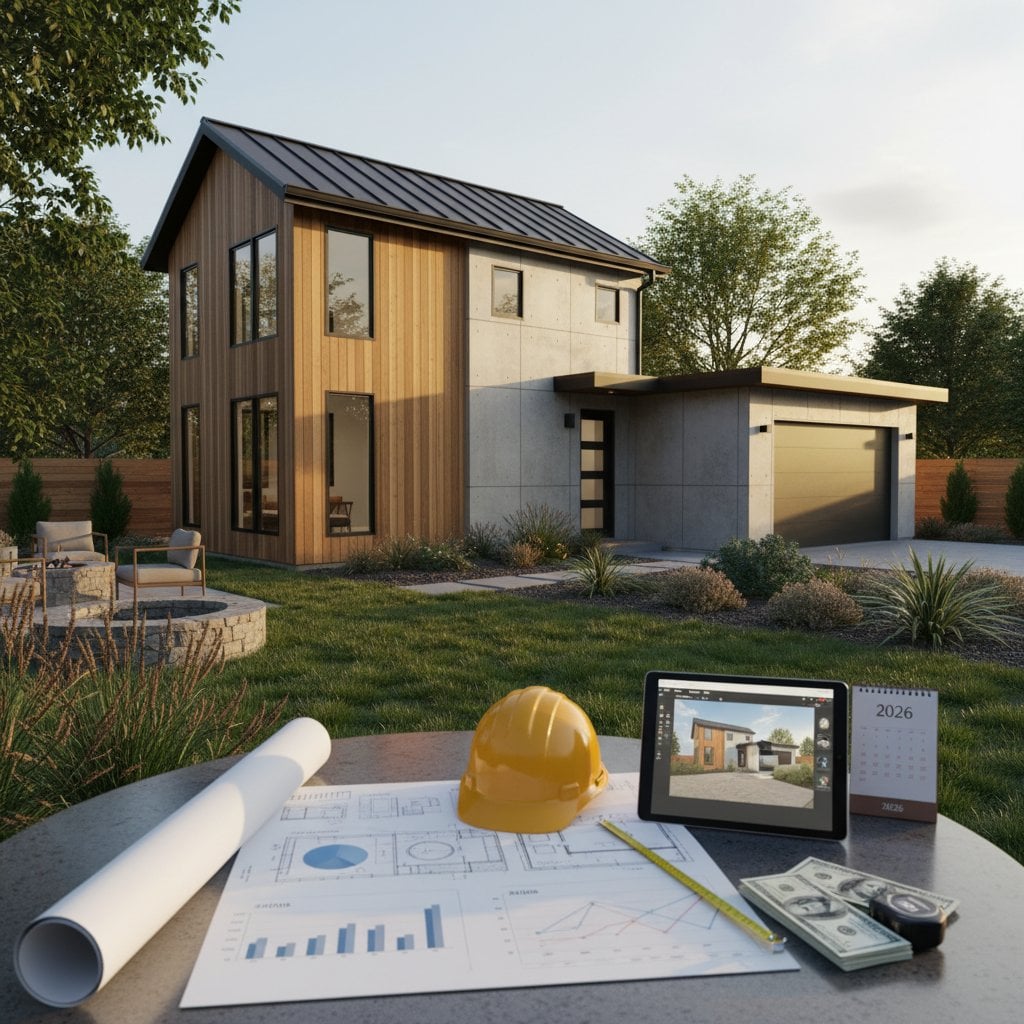
Introduction to ADU Costs in 2026
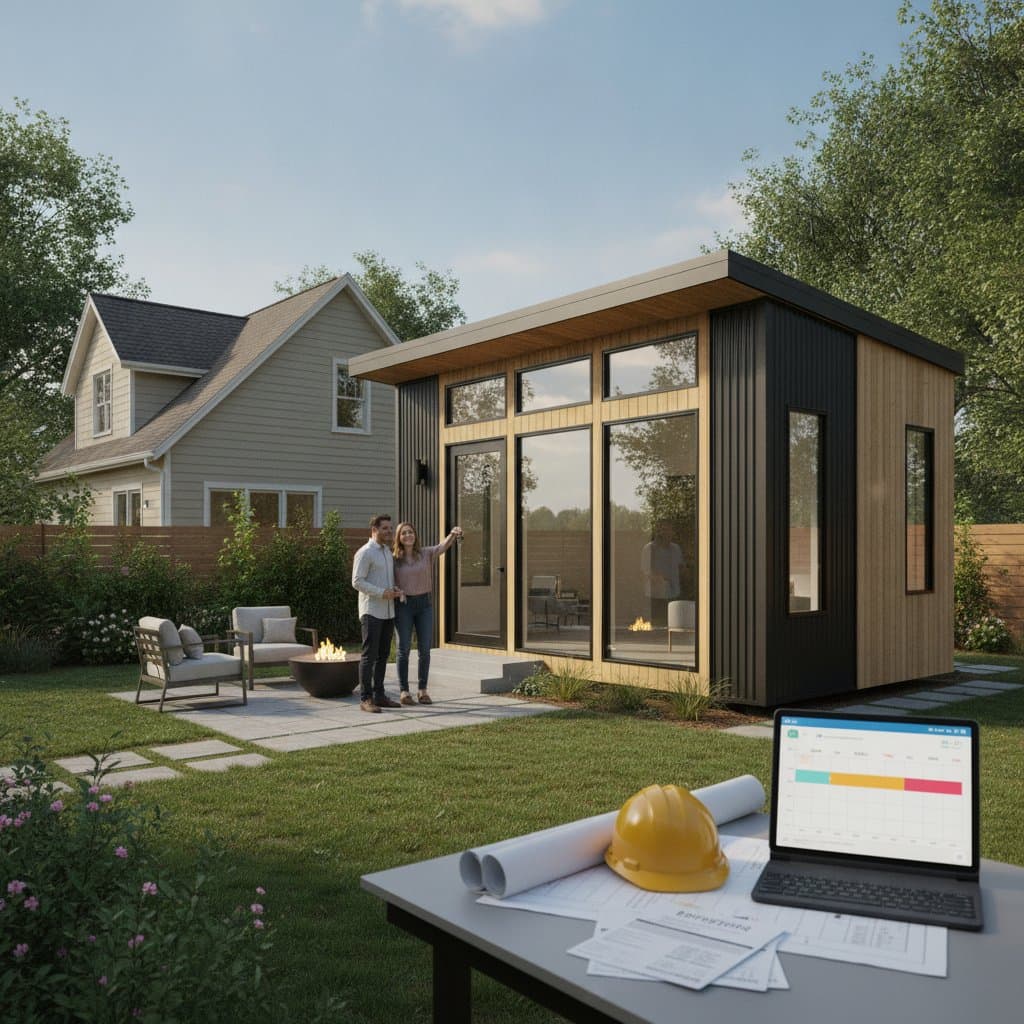
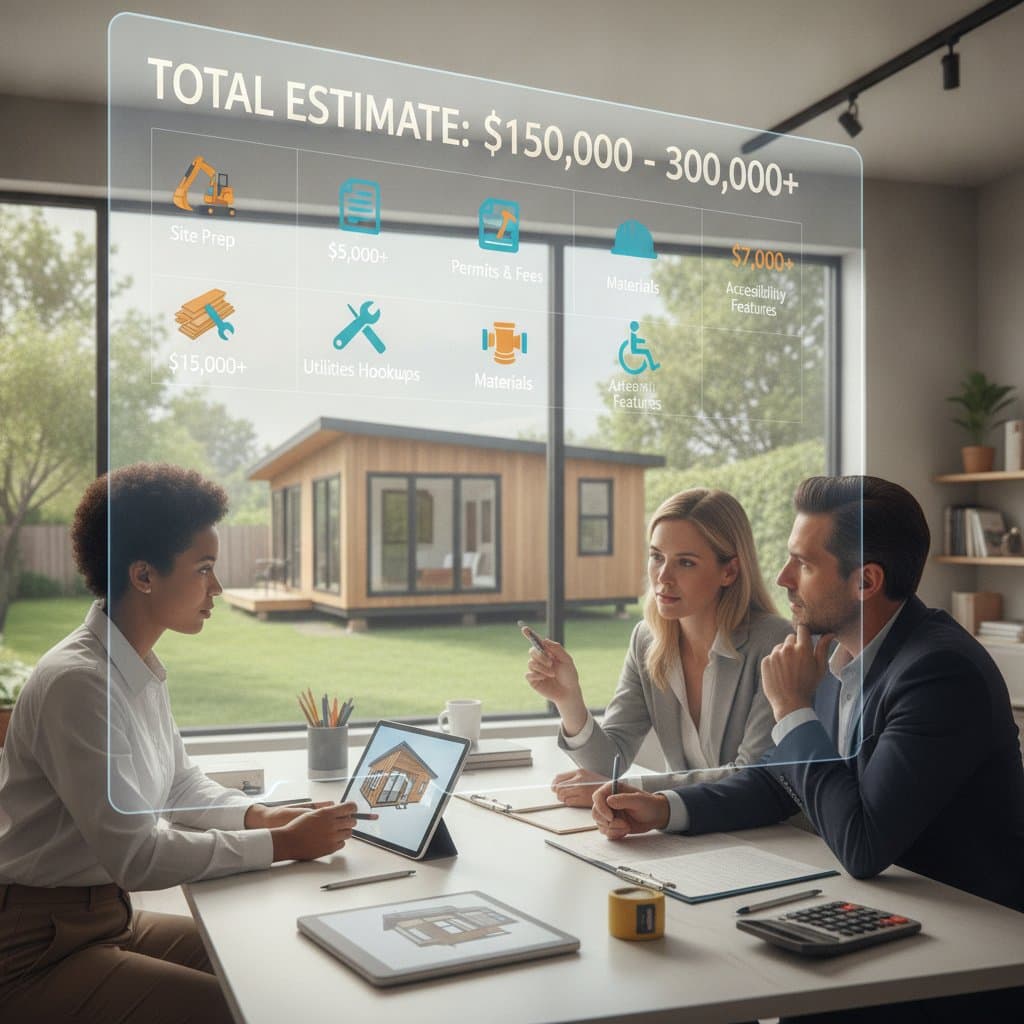
Accessory Dwelling Units (ADUs) offer versatile solutions for homeowners seeking additional living space, income opportunities, or family accommodations. In 2026, the average cost to construct an ADU falls between $120,000 and $350,000. This range accounts for variations in design, location, and construction methods, enabling informed planning for projects like garage conversions or standalone structures.
Factors such as regional labor rates and material prices drive these estimates. Homeowners benefit from understanding this spectrum to align projects with budgets. The following sections detail key components and strategies for success.
Key Factors Influencing ADU Expenses
Several elements determine the final price tag for an ADU. Location plays a primary role, as urban areas often incur higher permitting fees and labor costs compared to rural settings. For instance, coastal regions may add 20 percent to totals due to seismic requirements.
Design complexity also affects budgeting. Simple attached units cost less than custom detached cottages with advanced features. Material choices, from standard framing to energy-efficient options, further shape expenses.
Permits and site preparation round out major influences. Compliance with local zoning laws requires professional input, while soil testing and utility connections add essential but variable costs.
Breakdown by ADU Type
- Garage Conversions: These start at $120,000 for basic remodels, focusing on interior updates without major structural changes.
- Attached ADUs: Expect $150,000 to $250,000, including shared walls and integrated utilities.
- Detached Units: Prices range from $200,000 to $350,000, covering foundations, roofing, and independent systems.
Each type suits different property layouts and homeowner needs.
Detailed Cost Components
Construction breaks down into labor, materials, and overhead. Labor accounts for 40 to 50 percent of the total, with skilled trades like plumbing and electrical commanding premium rates in 2026 due to demand.
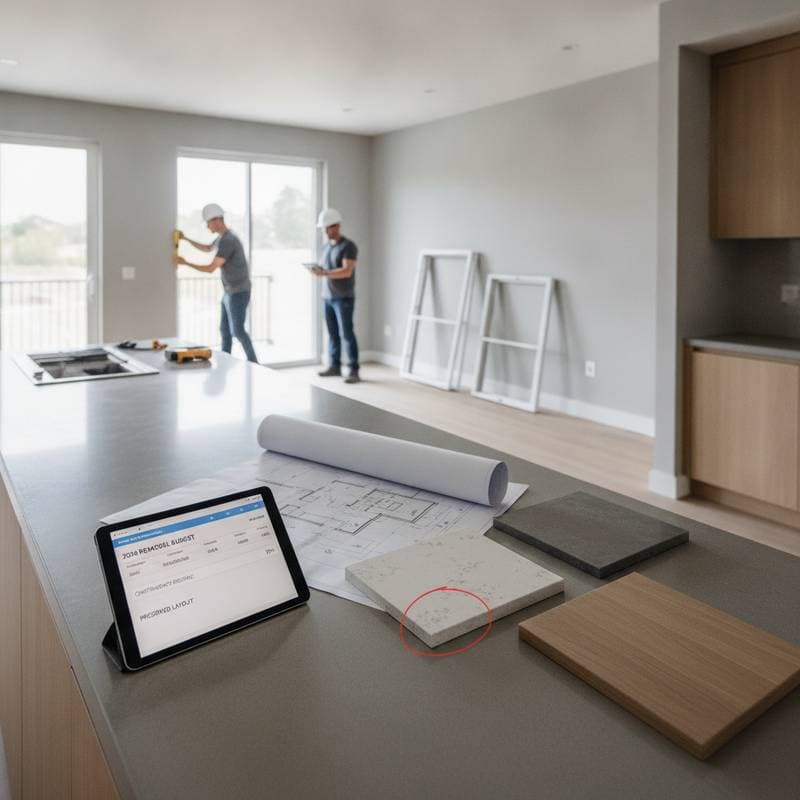
Materials represent another 30 to 40 percent. Opt for durable siding and insulation to balance upfront costs with long-term savings. Appliances and finishes, such as countertops and flooring, can elevate expenses by $20,000 or more for premium selections.
Overhead includes permits, inspections, and contingencies for unforeseen issues like weather delays. Allocate 10 to 15 percent of the budget for these items to maintain project timelines.
Sample Budget for a 600-Square-Foot Detached ADU
- Site Preparation and Foundation: $25,000 to $40,000.
- Framing and Exterior: $50,000 to $80,000.
- Interior Build-Out: $30,000 to $50,000.
- Mechanical Systems (Plumbing, Electrical, HVAC): $20,000 to $35,000.
- Permits and Fees: $5,000 to $15,000.
- Contingency Fund: $10,000 to $20,000.
This example totals approximately $140,000 to $240,000, adjustable based on specifics.
Strategies to Manage and Reduce Costs
Homeowners can implement practical steps to stay within budget. Start with a detailed site assessment to identify efficiencies, such as reusing existing utilities. Collaborate with experienced contractors early to refine designs and avoid revisions.
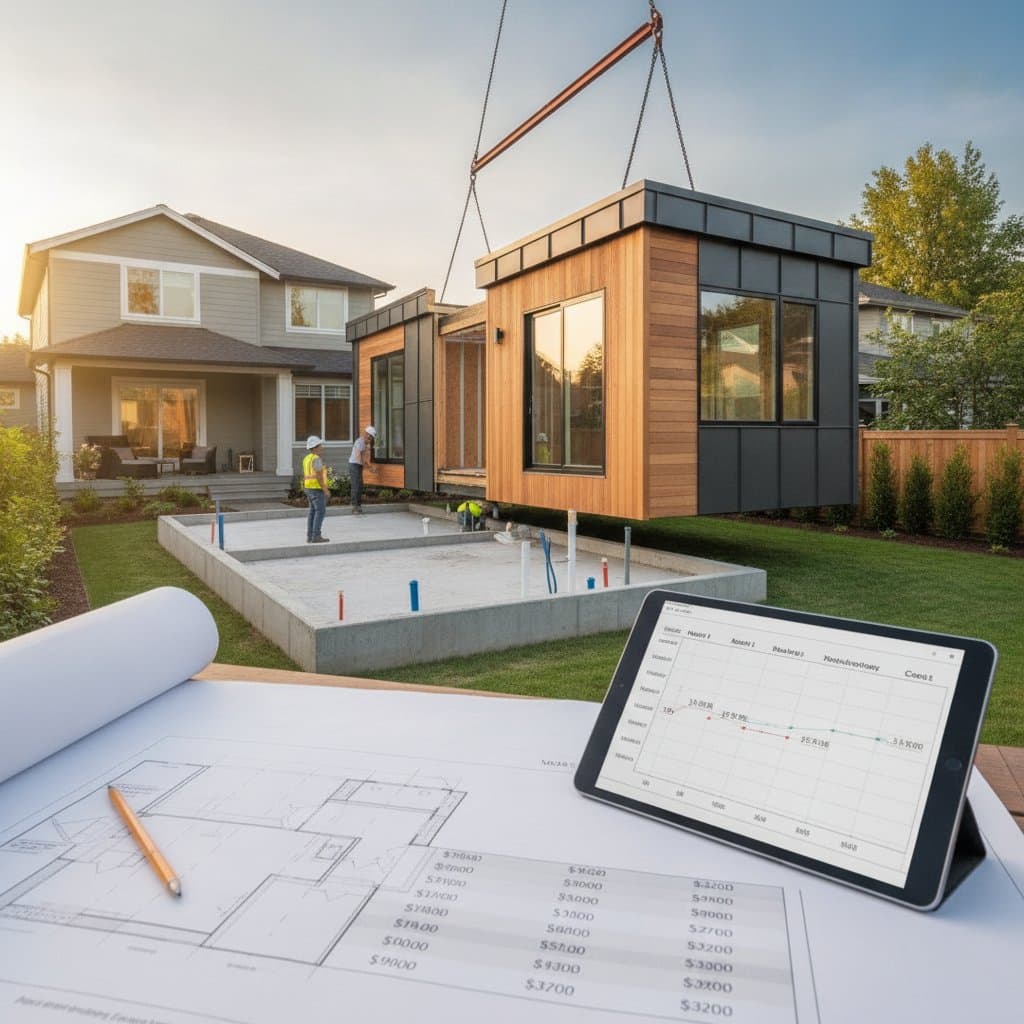
Choose modular construction for potential savings of 15 to 20 percent, as prefabricated elements reduce on-site labor. Select mid-range materials that meet quality standards without excess. Explore financing options like home equity loans tailored for ADU projects.
Monitor local incentives, such as tax credits for energy-efficient builds, to offset expenses. Regular progress reviews ensure alignment with financial plans.
Long-Term Value of Investing in an ADU
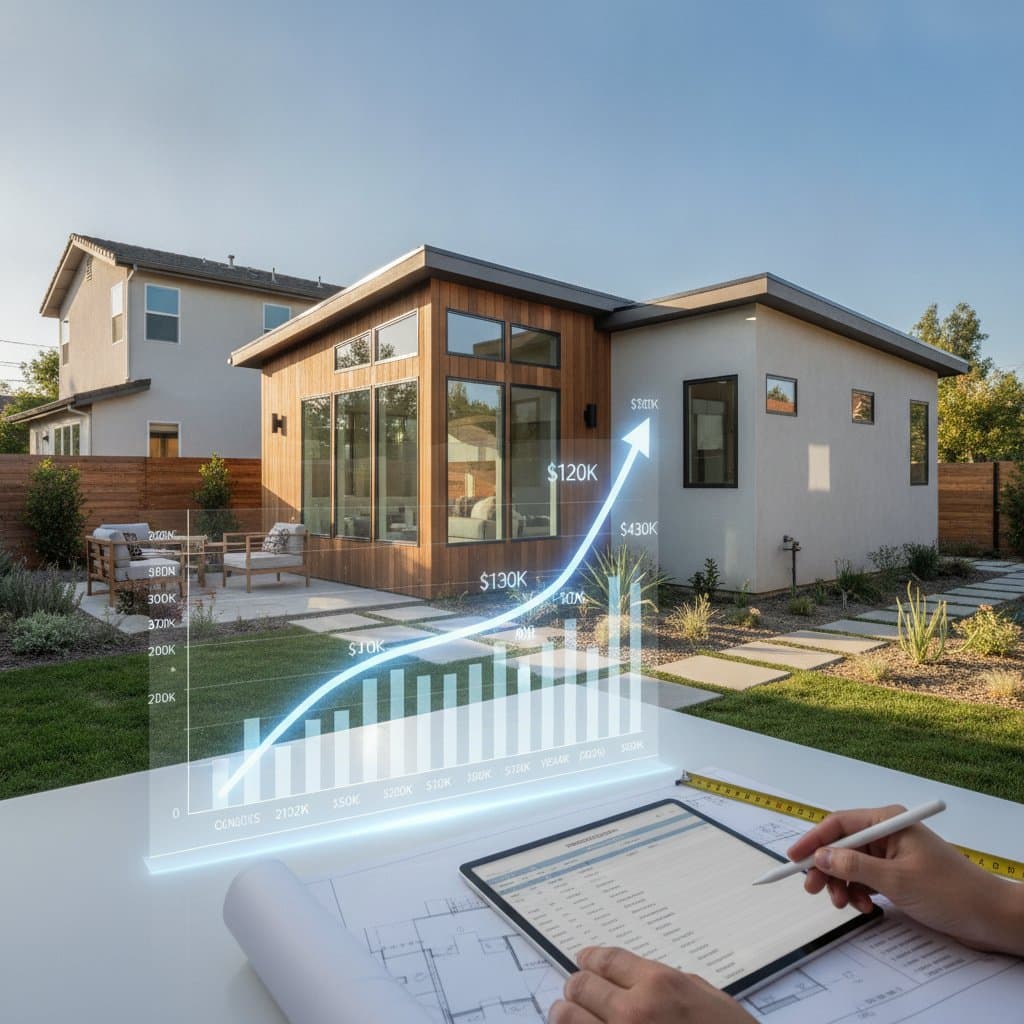
Beyond initial costs, ADUs deliver substantial returns. Rental income from a well-designed unit can recoup investments within five to seven years, depending on market rates. Enhanced property appeal often increases resale values by 10 to 20 percent.
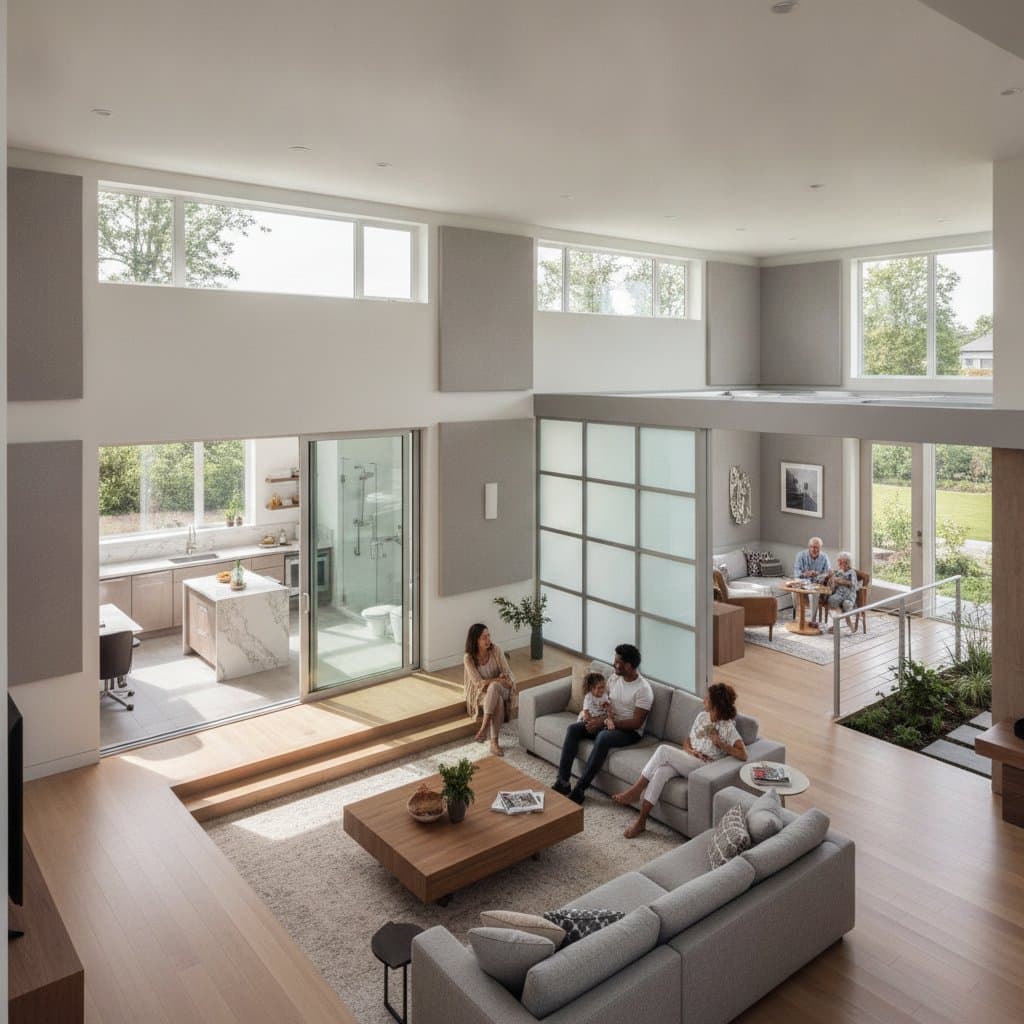
These structures provide flexibility for aging in place or housing family members, adding emotional and practical benefits. In 2026, rising demand for affordable housing amplifies their financial advantages.
Planning Your ADU Project
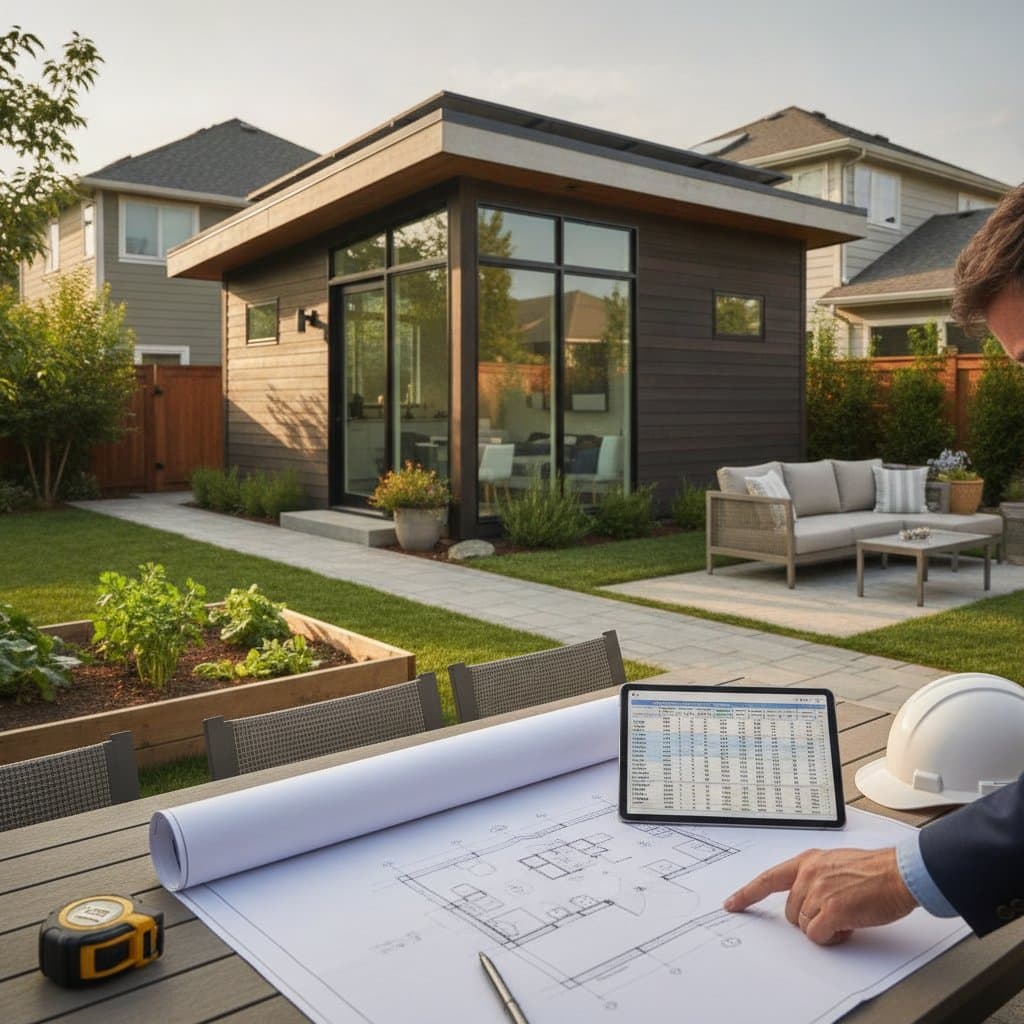
Approach ADU construction as a strategic investment. Consult local regulations and gather multiple contractor bids to secure competitive pricing. Develop a comprehensive budget that incorporates all outlined factors.
With careful preparation, homeowners realize the full potential of ADUs without financial strain. This forward-thinking step secures lasting value for properties and lifestyles.