2026 Cost Comparison: Prefabricated ADUs vs. Ground-Up Builds
Accessory dwelling units represent a vital option for residential development. Property owners pursue them to enhance value, generate rental revenue, or accommodate additional living arrangements. The decision between a prefabricated ADU and a ground-up construction influences expenditures, project duration, and personalization possibilities.
This analysis details actual expenses, schedules, and compromises associated with each method. Readers gain understanding of pricing influences, suitable scenarios for each type, and strategies for prudent financial choices tailored to specific properties.
Defining Prefabricated and Ground-Up ADUs
Prefabricated ADUs
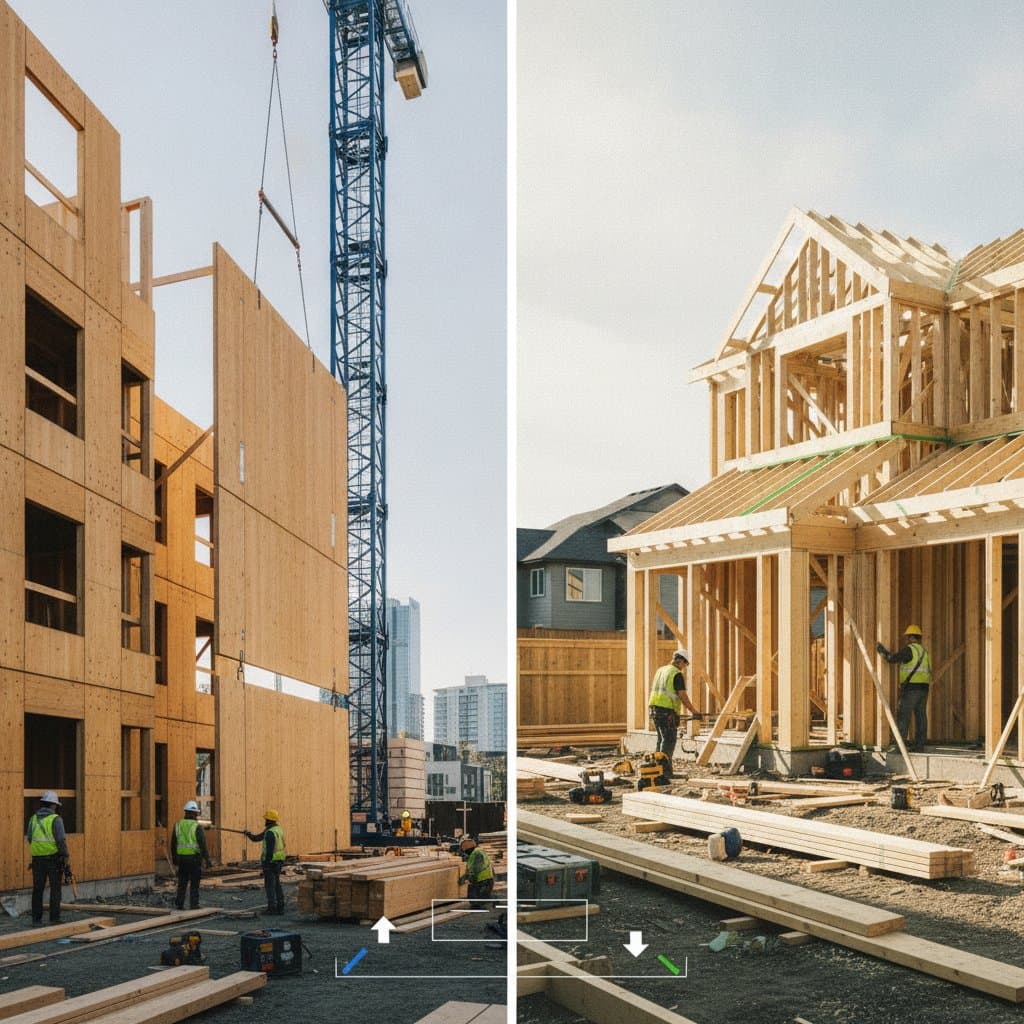
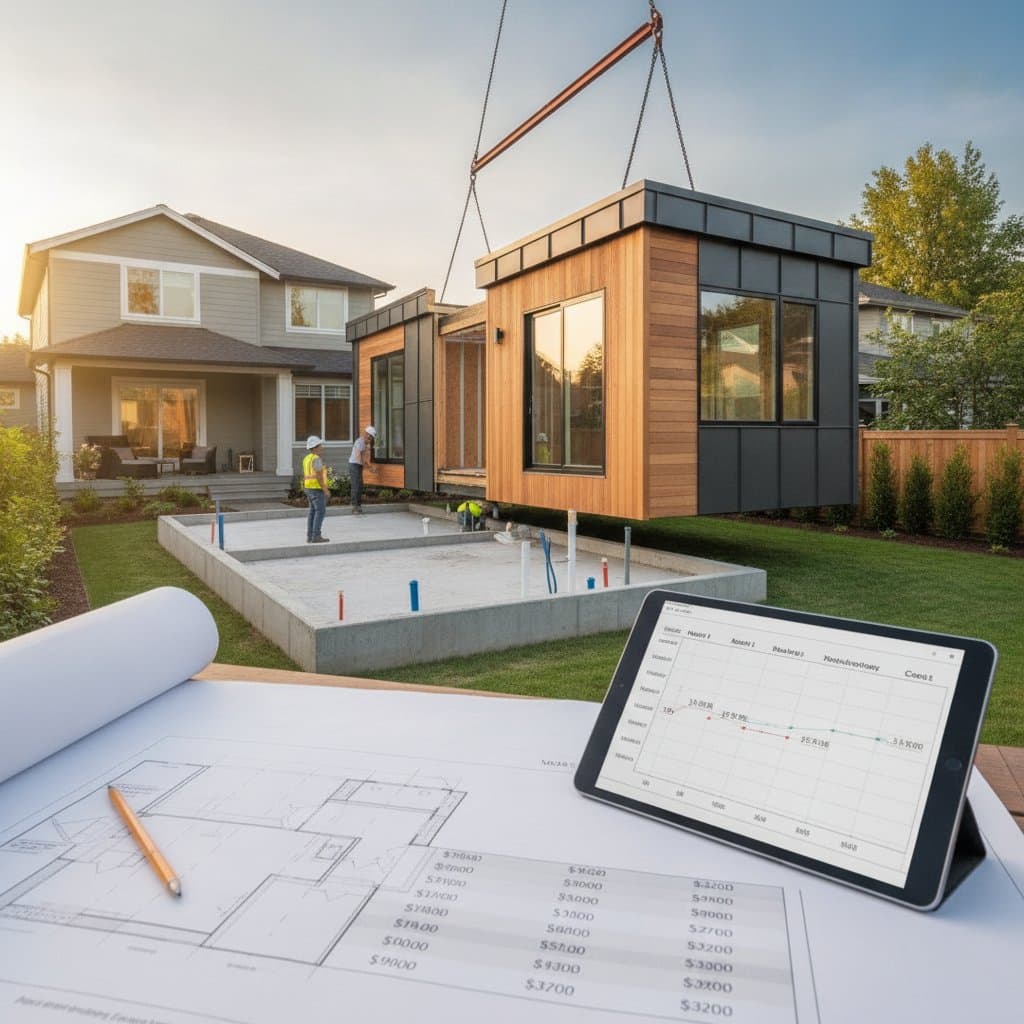
Factories construct prefabricated ADUs, which arrive at the site in modular components for assembly on a prepared base. These units feature predefined configurations with options for minor adjustments. Producers handle the majority of fabrication off-site, which accelerates assembly and minimizes disturbances during installation.
This approach suits individuals who prioritize reliability and efficiency. Such units avoid delays from inclement weather and permit occupancy shortly after foundational work completes. Typical prefabricated models span 400 to 1,000 square feet and incorporate complete kitchens, bathrooms, and essential utility integrations.
Ground-Up ADUs
Ground-up ADUs involve on-site construction from foundational elements to final details. Builders tailor every aspect to match the property's architecture and owner preferences. This process demands coordination among architects, contractors, and suppliers throughout the project lifecycle.
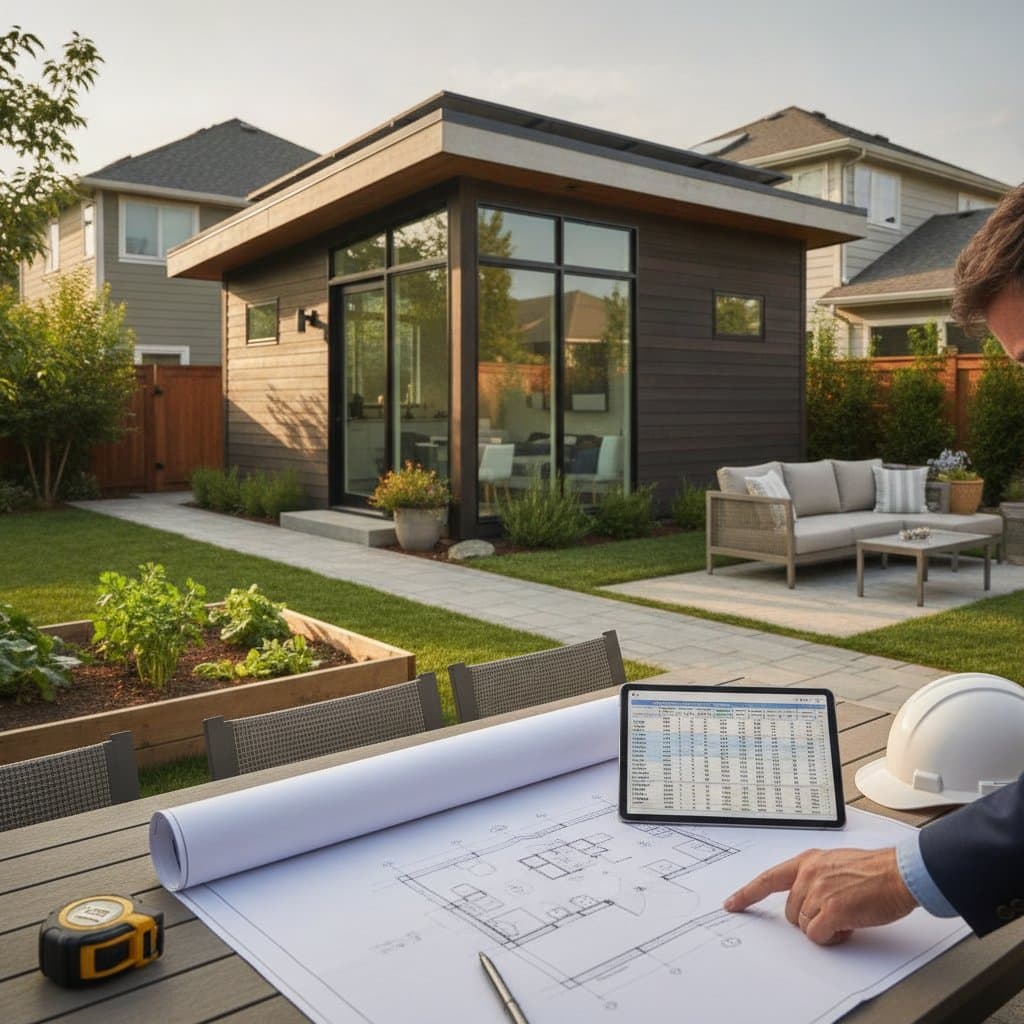
Property owners select this method for maximum flexibility and seamless integration with existing structures. Although timelines extend longer, the result yields a bespoke space that enhances overall aesthetic and functional harmony. Sizes vary widely, often from 500 to 1,200 square feet, depending on zoning allowances and design ambitions.
Detailed Cost Analysis
ADU expenses vary based on dimensions, material selections, terrain challenges, and municipal codes. The following table presents ranges derived from sector statistics and contractor projections for 2026.
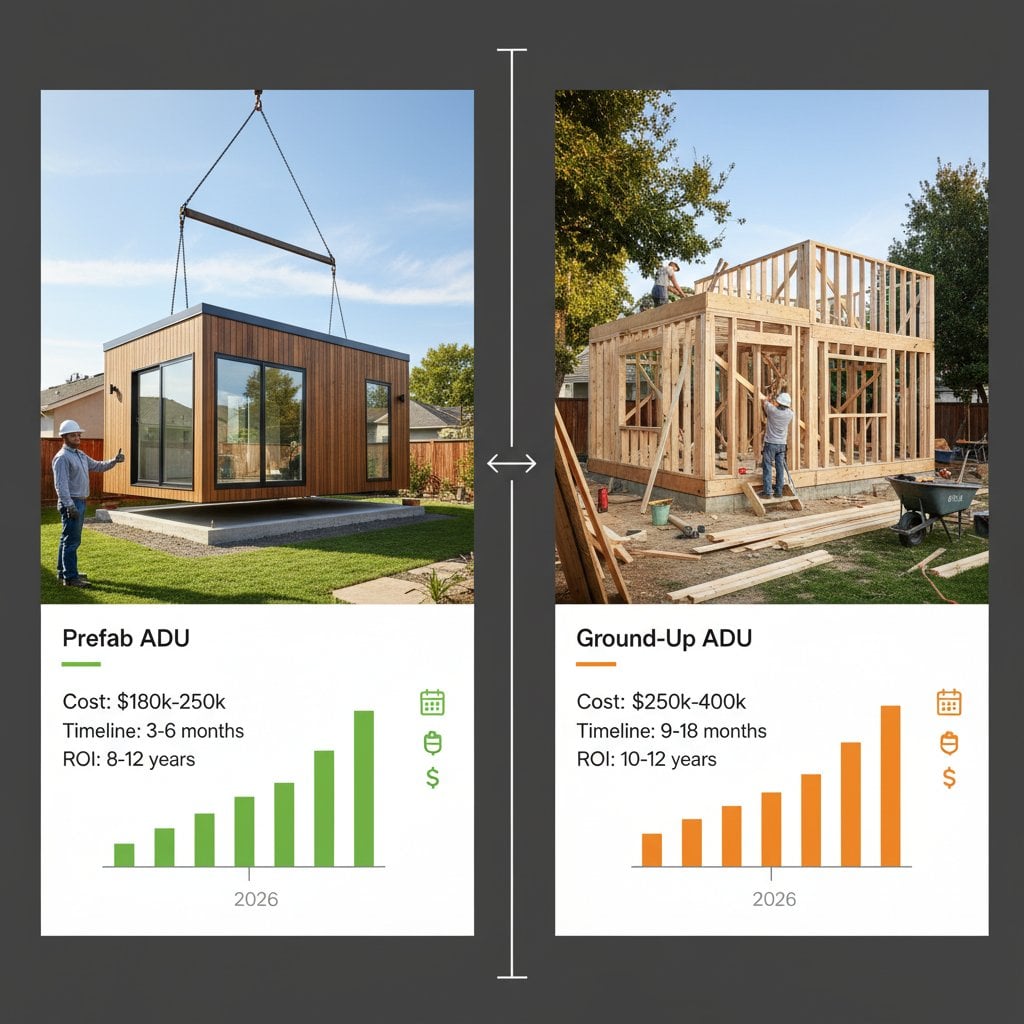
| Type | Cost per Square Foot | Average Total Cost | Estimated Timeline |
|---|---|---|---|
| Prefabricated ADU | $300 to $450 | $180,000 to $350,000 | 2 to 4 months |
| Ground-Up ADU | $400 to $600 | $250,000 to $550,000 | 6 to 10 months |
These figures account for standard configurations in moderate climates; adjustments apply for luxury features or complex sites.
Key Expense Factors
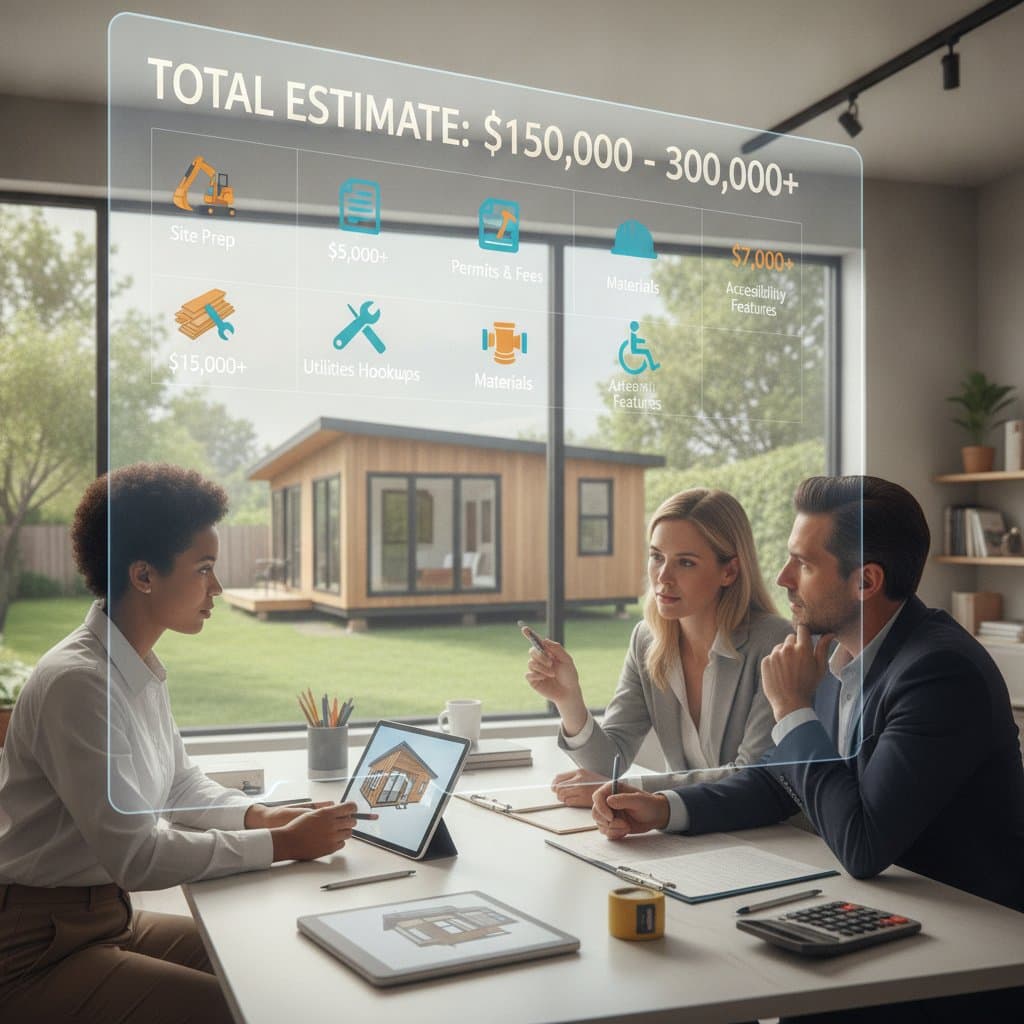
Foundational and preparatory site tasks remain essential for both types. Prefabricated units necessitate concrete slabs or elevated piers, along with land leveling and initial utility alignments, typically ranging from $20,000 to $40,000.
Regulatory approvals add another layer. Permitting processes in urban areas may impose fees of $5,000 to $20,000, influenced by inspections and compliance verifications.
Infrastructure integrations represent a significant outlay. Connections for water, sewage, and electricity frequently total $10,000 to $30,000, with costs escalating in remote locations requiring extensive piping.
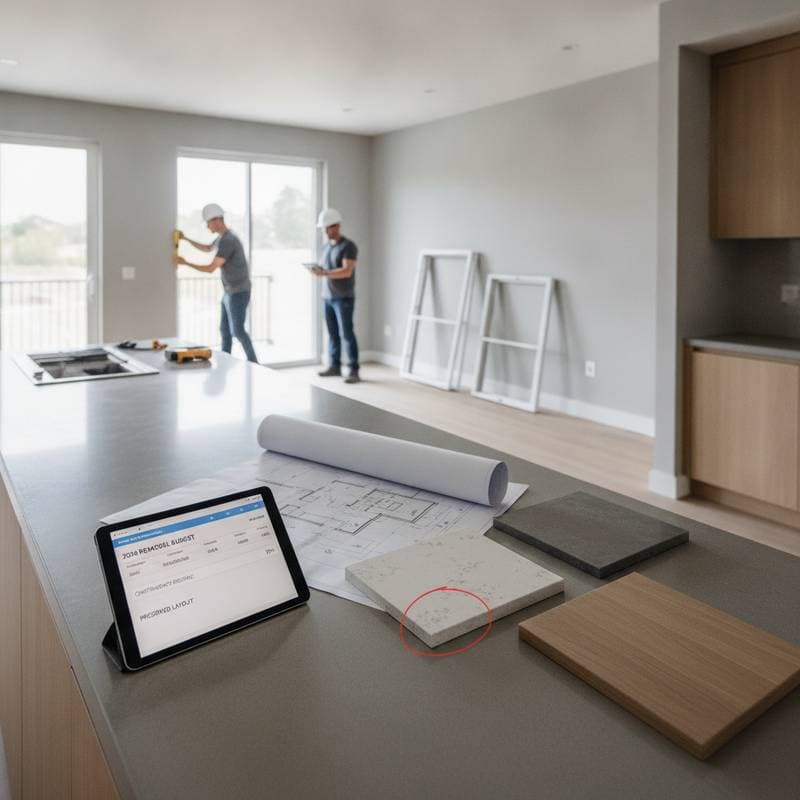
Interior enhancements drive variability. Selections like bespoke cabinetry, granite surfaces, or premium flooring can increase budgets by $10,000 to $50,000. Prefabricated options often bundle basic finishes, whereas ground-up projects permit incremental upgrades to distribute expenses.
Investment Returns and Sustained Benefits
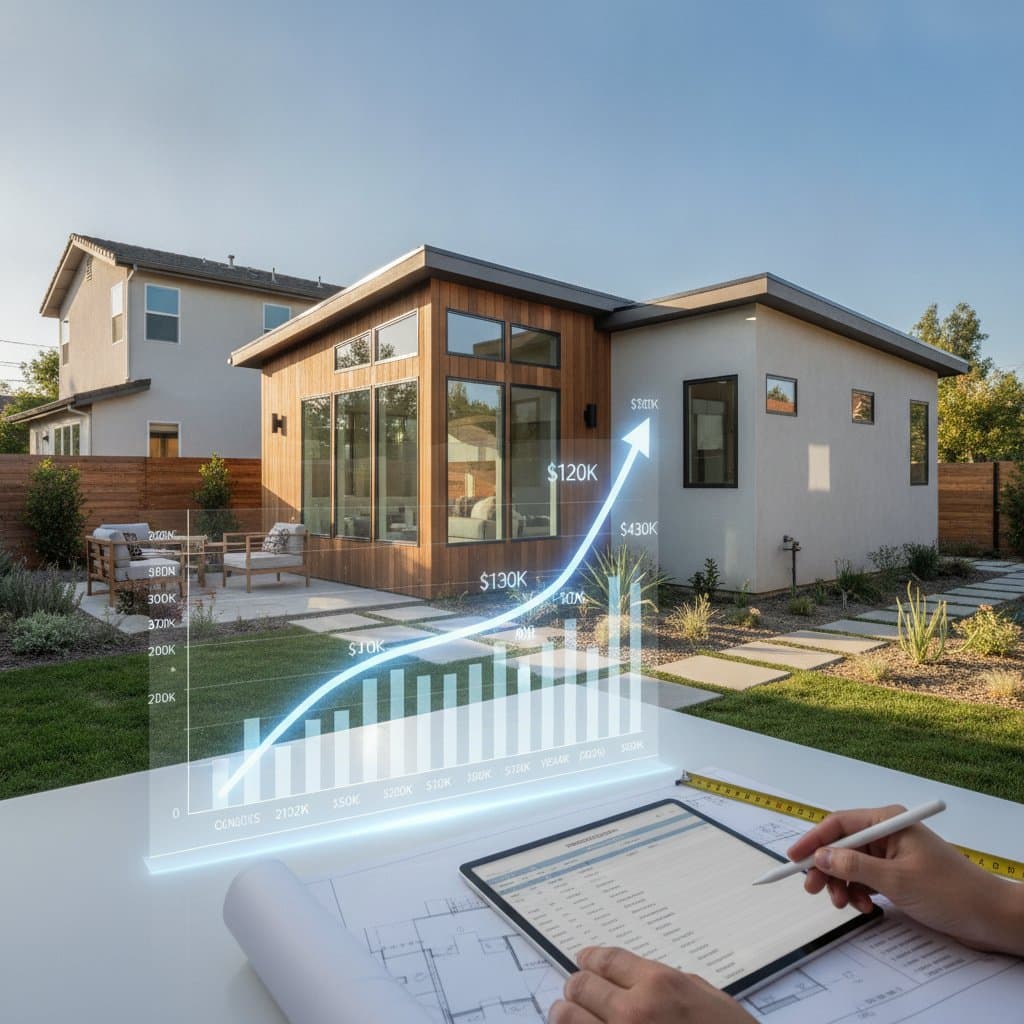
Prefabricated and ground-up ADUs both contribute substantially to property equity, though their value trajectories differ.
Prefabricated units facilitate rapid recoupment through reduced initial investments and swift usability. A thoughtfully executed model may boost home valuation by 20 to 30 percent of its construction price, appealing in markets favoring quick enhancements.
Ground-up constructions excel in enduring appreciation due to their cohesive aesthetics and robust build quality. These additions often recapture 50 to 70 percent of expenses in heightened property worth, particularly where custom designs command premiums.
Revenue from leasing adds further appeal. In high-demand regions, a 600-square-foot unit might secure $1,500 to $2,500 monthly, effectively covering financing or maintenance obligations over time.
Strategies for Expense Management
-
Establish dimensions at the outset. Additional 100 square feet may incur $30,000 to $50,000; focus on compact, multifunctional designs to optimize space.
-
Opt for conventional materials. Standard factory components in prefabricated units or intermediate-grade selections in site-built projects preserve affordability while upholding quality.
-
Align utilities thoughtfully. Locate the ADU proximate to current lines to limit excavation and connection fees.
-
Integrate concurrent improvements. Coordinate ADU development with planned pavement or garden modifications to consolidate workforce and machinery expenditures.
-
Pursue local subsidies. Certain jurisdictions provide grants or waived charges for auxiliary housing; consult planning offices for eligibility details.
Detailed planning documents and comprehensive agreements safeguard against unplanned expansions, the primary culprit of budget overruns.
Common Questions
Do prefabricated ADUs endure comparably to site-built structures?
High-caliber prefabricated units employ identical framing and cladding as conventional homes, enduring 40 years or longer under routine care.
Is financing available for ADU projects?
Homeowners frequently utilize equity-based loans or specialized construction financing. Emerging programs target ADU investments specifically.
Do authorities classify prefabricated ADUs as fixed installations?
Most qualify as permanent when affixed to compliant foundations and services; verify local ordinances prior to procurement.
Must an ADU receive its own mailing address?
Many locales mandate secondary addressing during approval stages, essential for leasing permits and independent metering.
Is relocation feasible for a prefabricated ADU?
Modular designs permit disassembly and transport in select cases, though expenses prove substantial; view them as stationary unless portability defines the priority.
Launching Your ADU Initiative
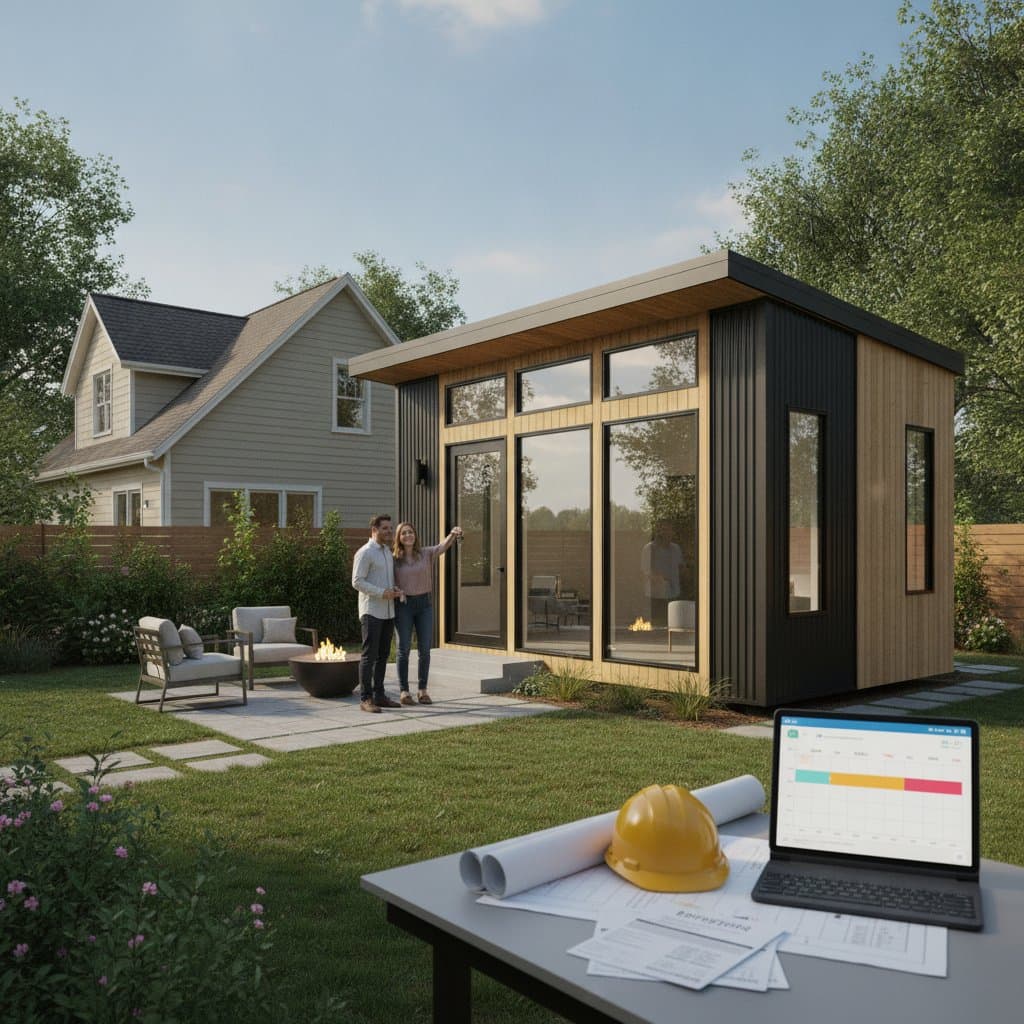
Selecting between prefabricated and ground-up paths hinges on deliberate preparation, fiscal discipline, and specialist input. Articulate the intended purpose, from guest quarters to income generation, to guide choices.
Prefabricated solutions promise expedited timelines and stable forecasts, ideal for urgent needs. Ground-up endeavors grant unparalleled adaptation and site synergy, fostering lasting enhancements. Either route amplifies residential capacity and economic potential through meticulous oversight of blueprints, fiscal controls, and craftsmanship standards.