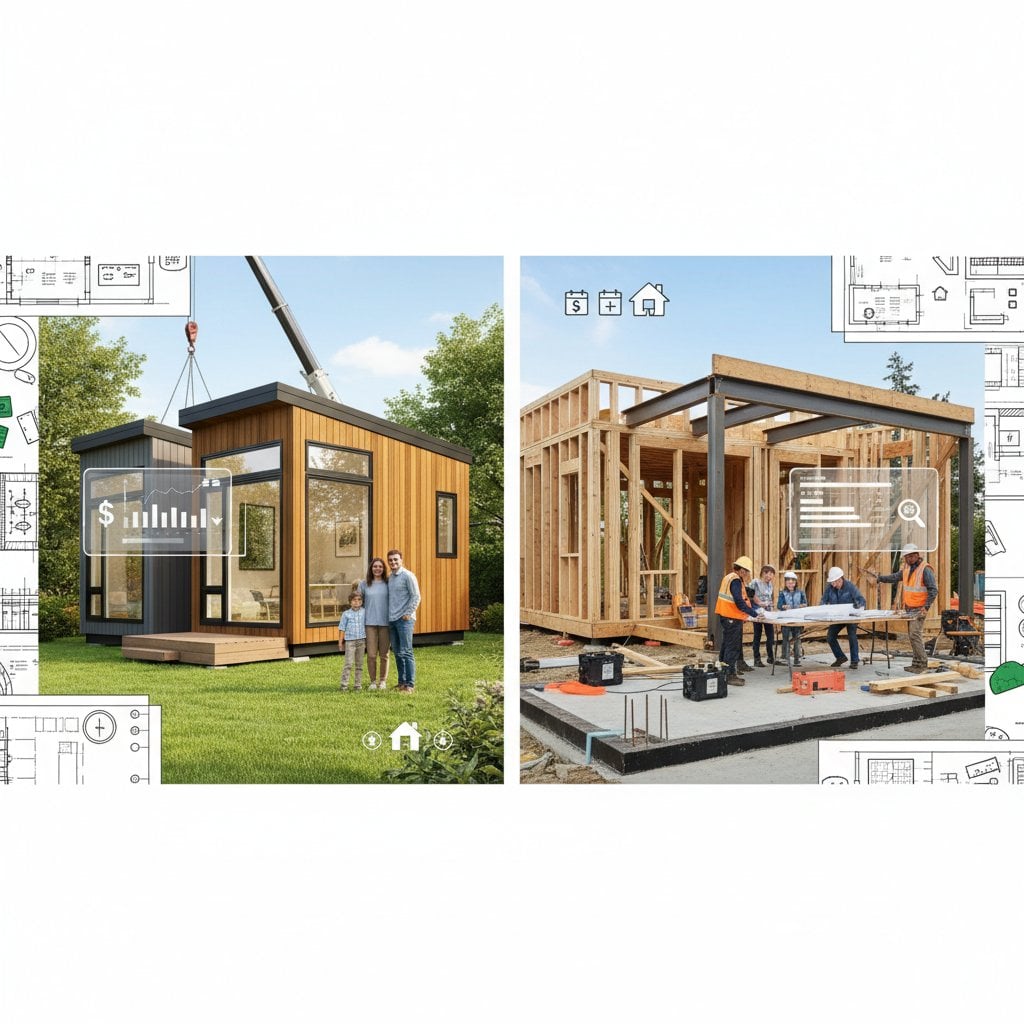
Prefab ADU vs Ground-Up: 2026 Cost Showdown
Accessory Dwelling Units, or ADUs, represent one of the most practical methods to expand livable space and enhance property value. This guide compares prefabricated ADUs with ground-up construction options in terms of cost, timeline, complexity, and ongoing maintenance. Readers gain insights to determine which approach aligns with their budget, expertise, and site characteristics.
Cost and Timeline Overview
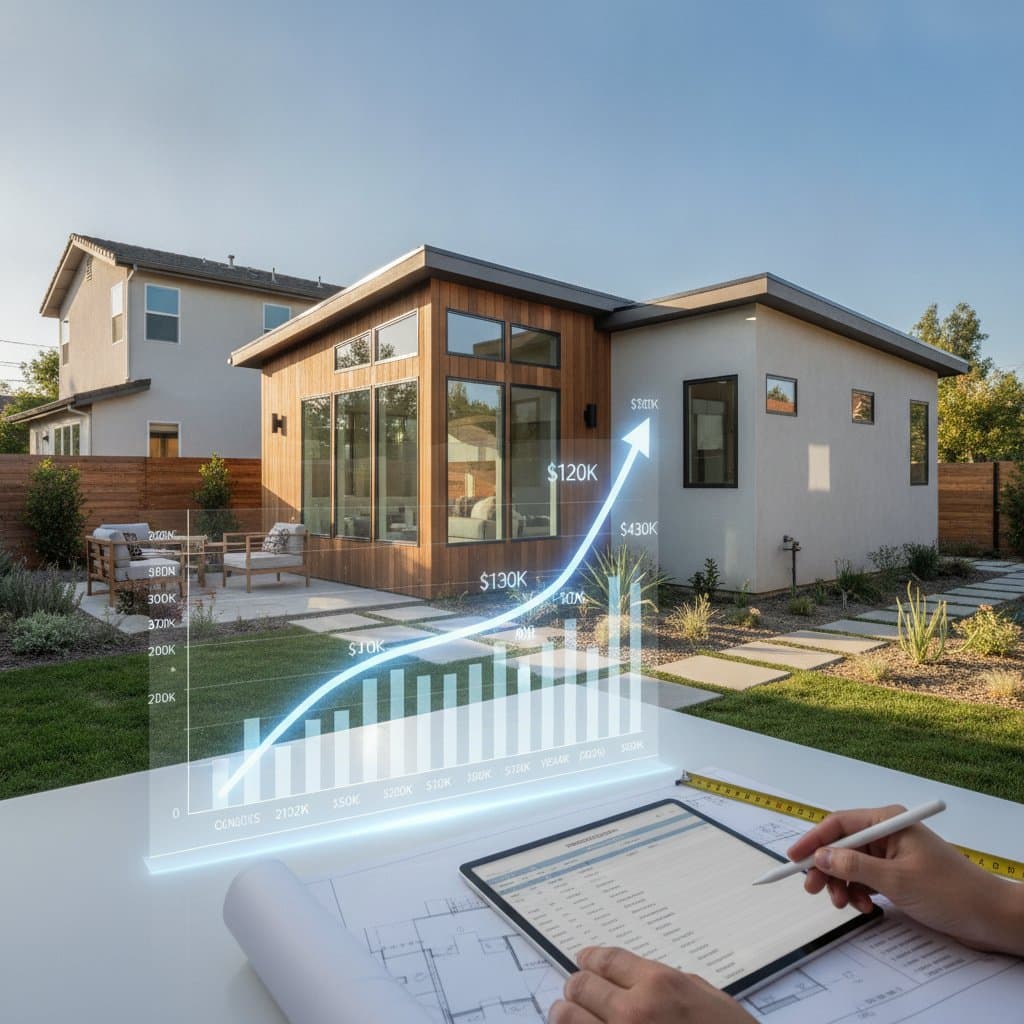
Prefab ADUs typically range from 200 to 350 dollars per square foot for materials and the unit itself. Installation and site preparation add 30,000 to 80,000 dollars, leading to a total cost of 160,000 to 280,000 dollars for a 600-square-foot unit. These figures account for standard finishes and urban permitting fees.
Ground-up ADUs involve materials and labor costs of 250 to 500 dollars per square foot. Permits, site work, and utility connections contribute an additional 40,000 to 100,000 dollars, resulting in totals from 190,000 to 400,000 dollars for the same size. Variations depend on material selections and labor rates in specific regions.
Prefab projects require 3 to 6 months, including permitting phases. Ground-up builds extend to 6 to 12 months, influenced by design intricacy and weather conditions. Prefab options reduce on-site labor, while ground-up methods allow precise adaptations to site contours.
Complexity levels rate prefab as moderate, suitable for those with basic oversight skills. Ground-up construction demands advanced knowledge of building codes and techniques. Local factors, such as soil stability and zoning restrictions, further influence these estimates.
Step-by-Step Guide for Prefab ADU
1. Conduct Site Assessment
Evaluate available space and verify setback requirements through consultation with the local planning office. Assess utility access points and terrain slope to identify potential challenges. The site must comply with zoning laws and accommodate delivery vehicle access for successful progression.
2. Select a Prefab Model
Review unit dimensions and configurations from reputable, certified manufacturers. Request documentation on factory quality inspections and warranty terms. Ensure the model adheres to municipal ADU regulations and aesthetic guidelines.
3. Secure Permits
Prepare and submit site plans, foundation specifications, and utility schematics to the building department. Address any revisions promptly to avoid delays. Approval of all permits precedes unit ordering to maintain project momentum.
4. Prepare Site and Foundation
Excavate the area and install a concrete slab or pier foundation according to manufacturer guidelines. Route utilities to designated connection points. Verify foundation levelness within one-eighth inch tolerance and obtain inspection clearance prior to delivery.
5. Handle Delivery and Installation
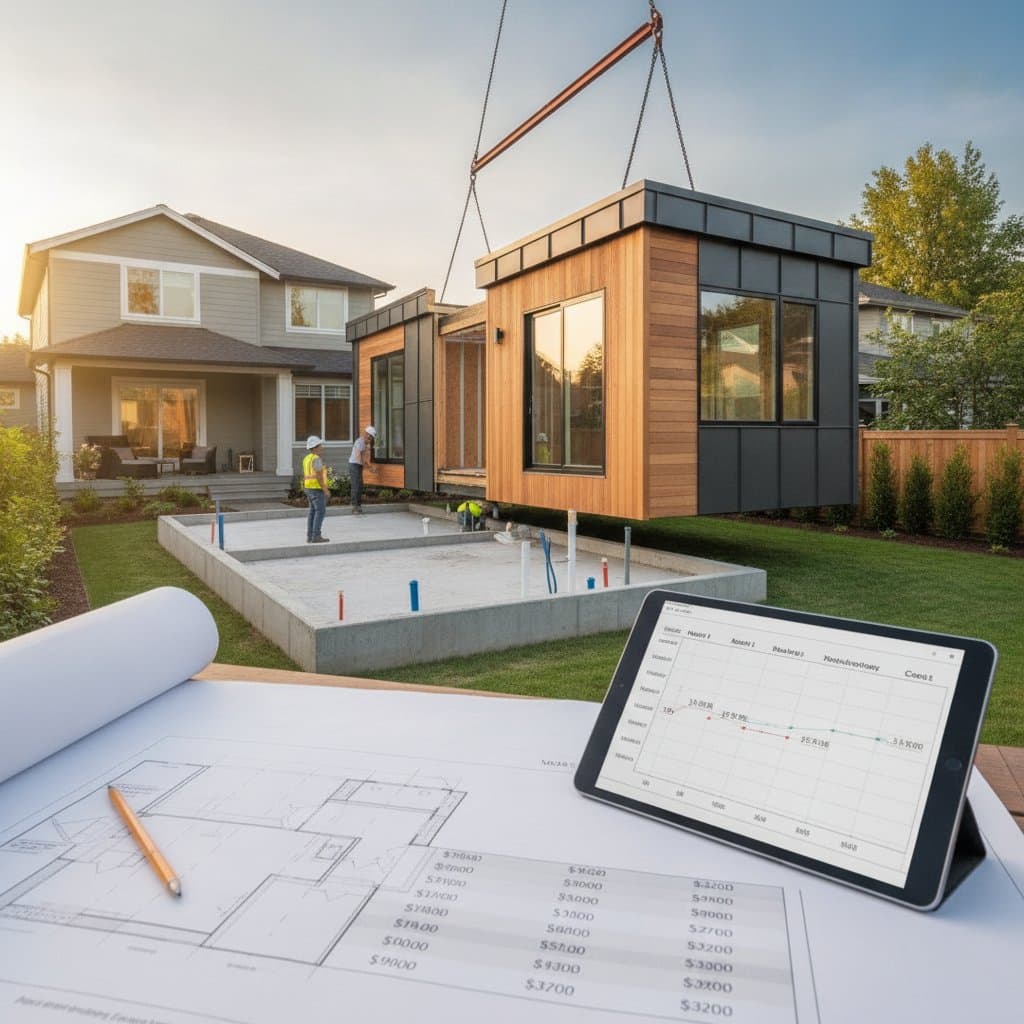
Coordinate crane or truck transport to the site. Anchor the unit securely to the foundation and integrate utility lines. Confirm the structure remains level and that connections meet inspection standards.
6. Complete Interior and Final Inspection
Apply paint, install trim elements, and verify fixture functionality. Arrange for the final building inspection. Issuance of the certificate of occupancy confirms compliance and readiness for use.
Step-by-Step Guide for Ground-Up ADU
1. Perform Detailed Site Evaluation
Survey the property for space availability, soil composition, and environmental factors. Consult engineers if slopes exceed 15 percent or drainage issues exist. Documentation of these elements supports permit applications and design decisions.
2. Develop Custom Design Plans
Engage architects or use approved software to draft layouts that integrate with the existing home. Incorporate energy-efficient features and material lists compliant with local codes. Review plans for feasibility in terms of budget and timeline constraints.
3. Apply for Permits and Approvals
Compile comprehensive blueprints, engineering reports, and environmental impact statements for submission. Respond to departmental feedback to refine proposals. Full approval establishes the legal framework for construction commencement.
4. Execute Site Preparation and Foundation Work
Clear vegetation, grade the land, and excavate for the foundation type selected, such as slab or crawl space. Install footings and reinforce with rebar before pouring concrete. Professional inspection ensures structural integrity before framing begins.
5. Construct Framing and Enclosure
Erect walls, install roof trusses, and sheath the exterior. Integrate windows, doors, and initial insulation layers. Weatherproof the structure to protect against elements during subsequent phases.
6. Install Systems and Finishes
Route plumbing, electrical, and HVAC systems per code specifications. Apply drywall, flooring, and cabinetry with attention to detail. Conduct phased inspections for each system, culminating in final occupancy certification.
Essential Safety Guidelines
Electrical work presents significant hazards; disconnect power sources before any modifications and engage licensed professionals for installations. Structural alterations require engineering approval to prevent instability or collapse risks.
Elevated tasks demand ladder stabilizers and personal fall arrest systems to mitigate injury. Maintain a tidy worksite by removing debris promptly, and equip workers with protective eyewear, gloves, and hearing safeguards. Adherence to these practices minimizes accidents and ensures regulatory compliance.
Waste Management Practices
Arrange for debris removal services or secure a dumpster to handle construction remnants efficiently. Segregate recyclable materials like metals, wood, and concrete where municipal programs support such efforts. Direct hazardous items, including paints and solvents, to designated disposal facilities.
Thorough site cleanup facilitates inspections and preserves environmental standards. Prefab processes generate approximately 30 percent less waste than traditional methods, yet both approaches benefit from organized disposal strategies.
Indicators for Professional Involvement
Engage licensed contractors when sites feature challenging topography, such as steep inclines or poor drainage. Major utility modifications or unfamiliarity with inspection protocols also warrant expert assistance. Rental intentions necessitate certified builds to meet habitability standards.
Professional fees for prefab setup and connections range from 20,000 to 60,000 dollars. Full oversight of ground-up projects costs 50,000 to 120,000 dollars. Verify contractor credentials through state licensing, insurance coverage, detailed contracts, client references, and workmanship guarantees.
Strategies for Optimal Outcomes
Validate zoning compliance early to prevent redesigns in prefab or excavation phases. Calculate comprehensive expenses, encompassing permits, groundwork, and integrations beyond per-square-foot metrics. Inquire about accelerated permitting for modular units at the local department.
Anticipate delivery logistics, as narrow access routes or low-hanging utilities may incur extra crane expenses. Document all inspections and warranties meticulously for future property transactions or financial adjustments.
Achieving Your ADU Goals
Prefabricated ADUs provide efficiency in timelines and cost predictability, ideal for urgent space needs. Ground-up constructions enable tailored designs that harmonize with primary residences, fostering enduring enhancements. Selection hinges on site specifics, financial parameters, and desired involvement in the process.
Assess terrain features, adhere to regulatory frameworks, and project holistic expenditures prior to initiation. Thoughtful execution through either avenue yields expanded accommodations, revenue opportunities from rentals, and elevated asset worth, free from avoidable setbacks.