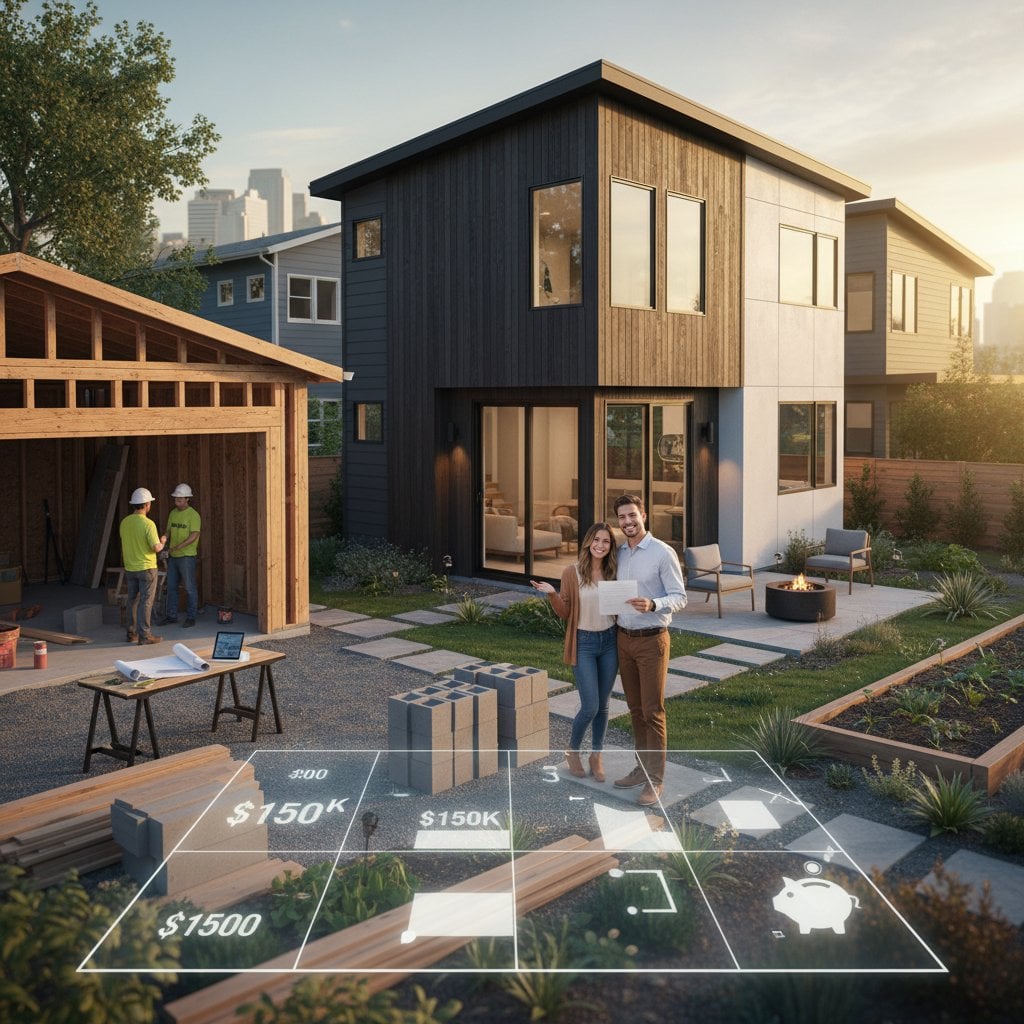
Understanding ADU Costs in 2026
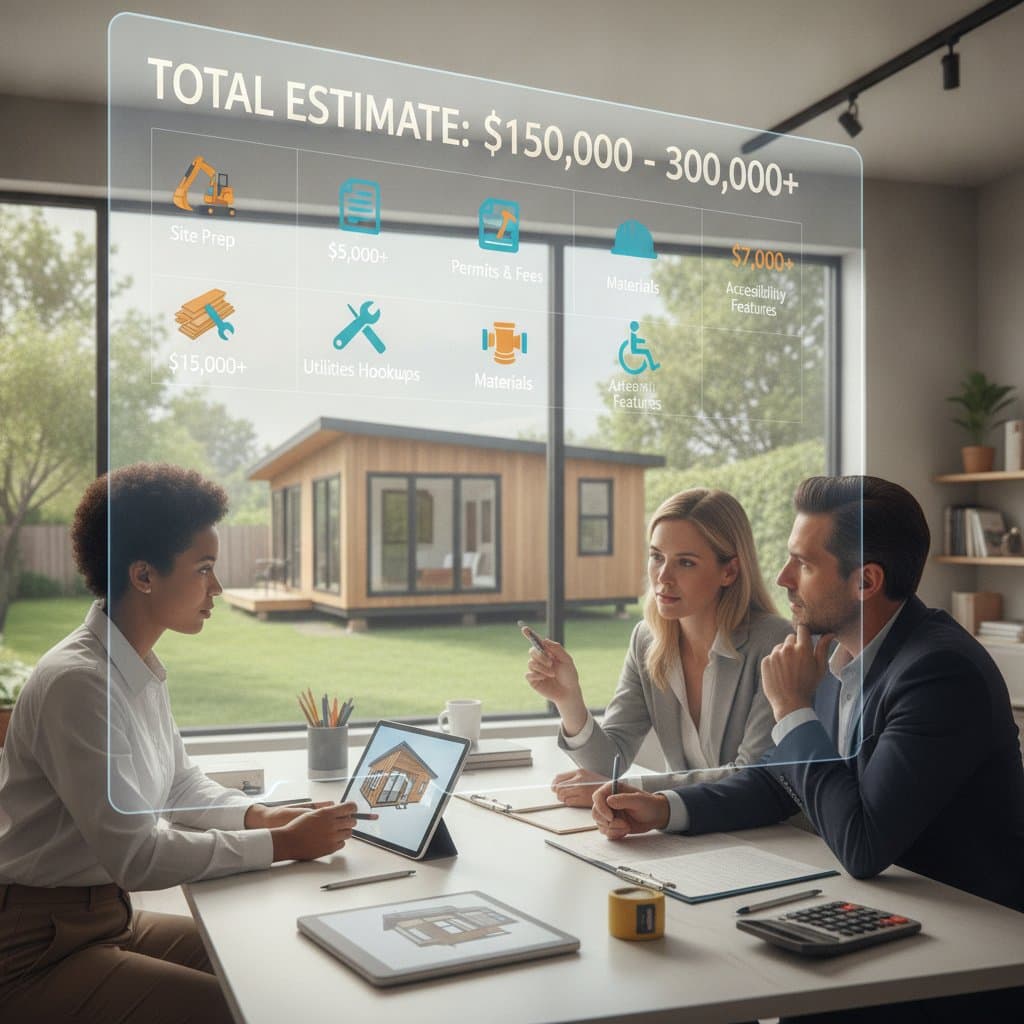
Accessory Dwelling Units (ADUs) offer homeowners versatile options for additional living space, such as rental income or family accommodations. In 2026, building costs range from $150,000 to $350,000, influenced by location, design, and construction methods. This guide breaks down the factors driving these prices and provides practical strategies for effective budgeting.
Factors Influencing ADU Costs
Several elements determine the final price of an ADU project. Site preparation, including soil testing and utility connections, can add $10,000 to $30,000 depending on the property's existing infrastructure. Material choices, from basic framing to premium finishes, significantly impact expenses; for instance, standard vinyl siding costs less than custom stone facades.
Labor rates vary by region, with urban areas commanding higher fees due to demand and regulations. Permitting and compliance with local zoning laws often require professional consultations, contributing another $5,000 to $15,000. Design complexity, such as incorporating smart home features or multi-level layouts, further escalates budgets.
Average Costs by ADU Type
Garage Conversions
Garage conversions represent one of the more affordable ADU options, typically ranging from $150,000 to $200,000. These projects leverage existing structures, minimizing foundation and framing needs. However, upgrades for insulation, plumbing, and electrical systems are essential to meet habitability standards.
Detached Cottages
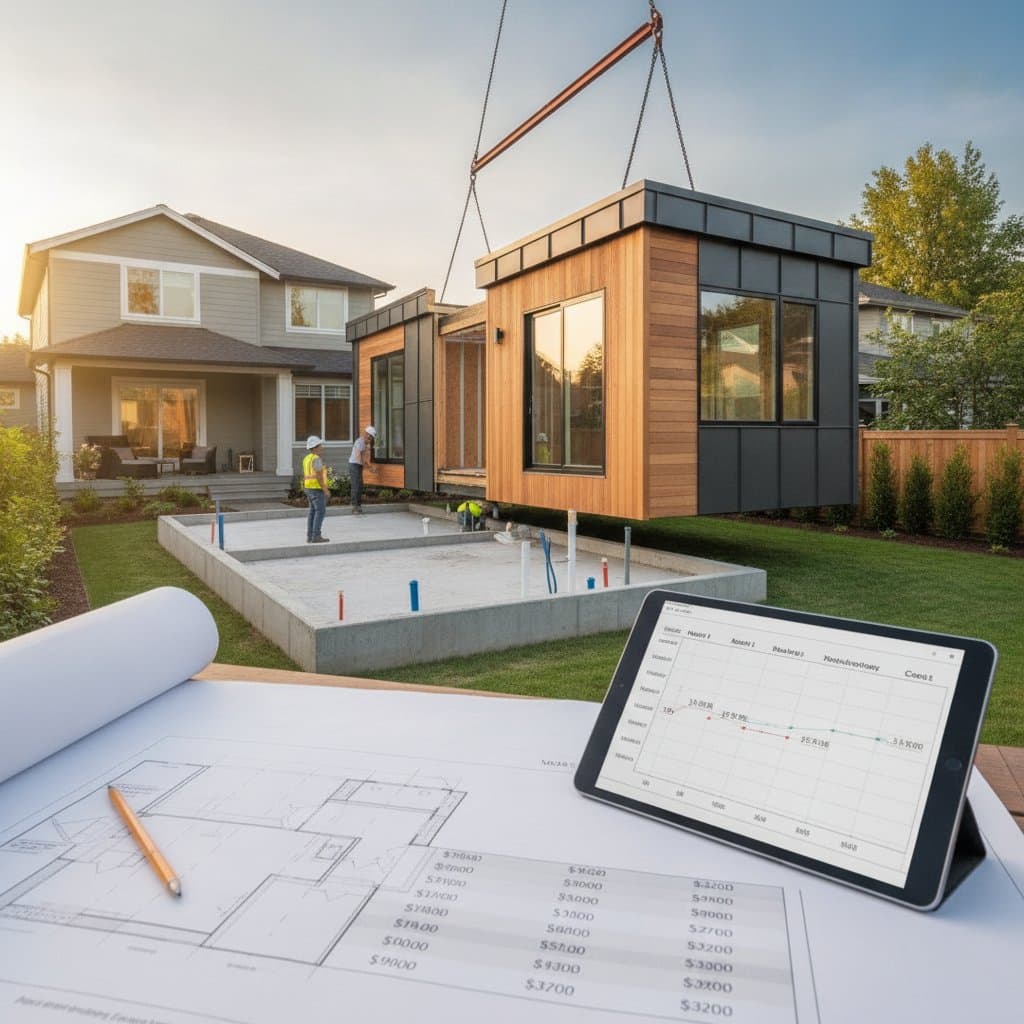
Detached units, like backyard cottages, fall between $200,000 and $300,000. Construction involves full site work, including new foundations and roofing. Size matters here; a 400-square-foot cottage costs less than an 800-square-foot model with additional amenities like a full kitchen.
Attached Additions
Attached ADUs, built onto the main home, average $180,000 to $250,000. Shared walls reduce exterior construction, but integration with the existing house demands careful engineering to avoid structural issues. These options suit properties with limited yard space.
Budgeting Breakdown
A typical ADU budget allocates 40 percent to construction, 20 percent to materials, 15 percent to permits and fees, and the remainder to contingencies and finishes. For a $250,000 project, expect $100,000 for labor and framing alone. Homeowners should reserve 10 to 15 percent for unexpected costs, such as weather delays or code changes.
Financing options include home equity loans or construction-specific mortgages, with interest rates projected at 5 to 7 percent in 2026. Consulting a financial advisor early helps align the project with long-term goals, ensuring affordability without straining resources.
Strategies to Control Expenses
Opt for prefabricated components to cut labor by up to 30 percent; modular ADUs arrive nearly complete, reducing on-site time. Select energy-efficient materials that qualify for rebates, potentially saving $5,000 to $10,000 through incentives. Phased construction, starting with essentials and adding features later, maintains flexibility within budget limits.
Collaborate with experienced contractors who provide detailed quotes, avoiding hidden fees. Research local grants for ADUs aimed at increasing housing density, which can offset 5 to 20 percent of costs in supportive communities.
Long-Term Value and Returns
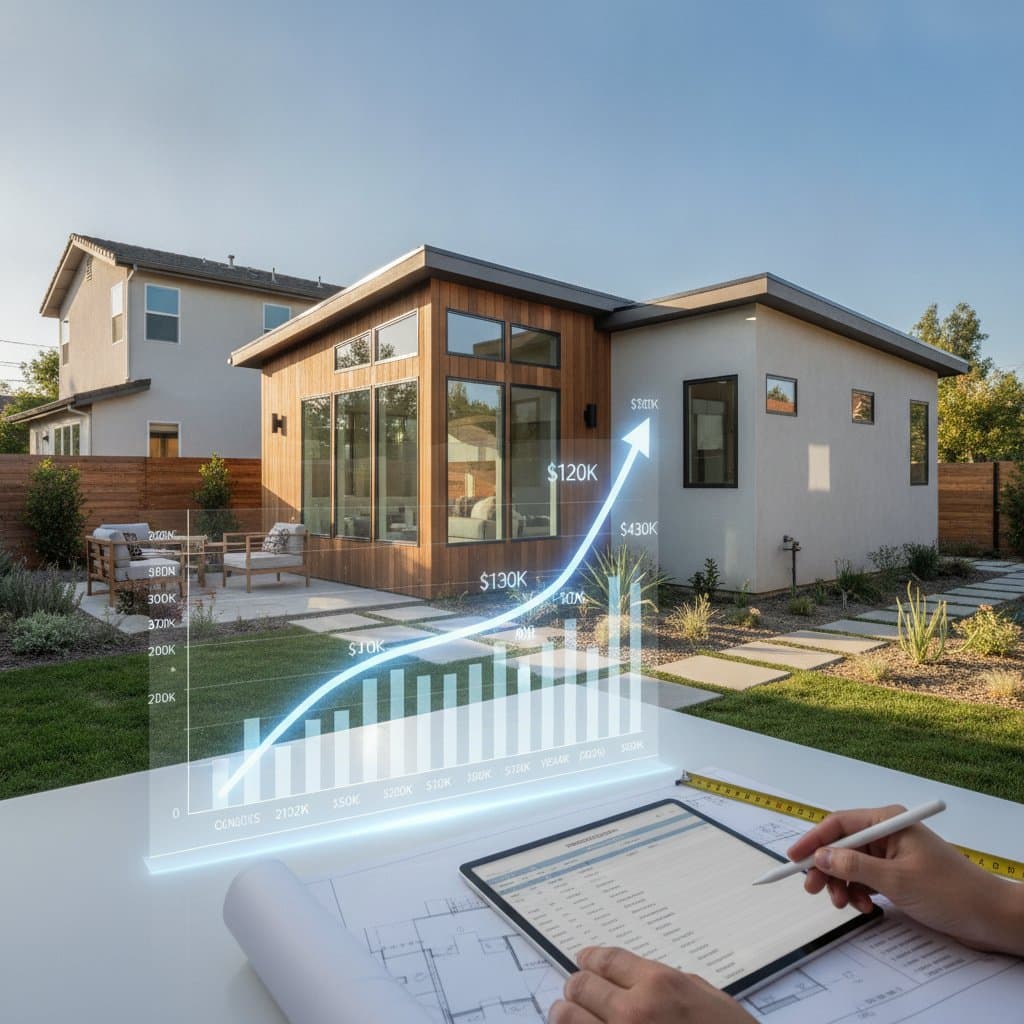
Investing in an ADU enhances property appeal, often increasing home value by 20 to 30 percent. Rental potential yields $1,500 to $3,000 monthly income, depending on location and size, providing a strong return on investment within 5 to 10 years. Beyond finances, ADUs support multigenerational living or home office setups, adding practical flexibility.
Homeowners gain equity and utility from these structures, making them a forward-thinking choice amid rising housing demands. Careful planning ensures the project delivers lasting benefits tailored to individual needs.