Understanding 2026 Costs for Prefab ADUs and Their Potential Returns
Essential Overview
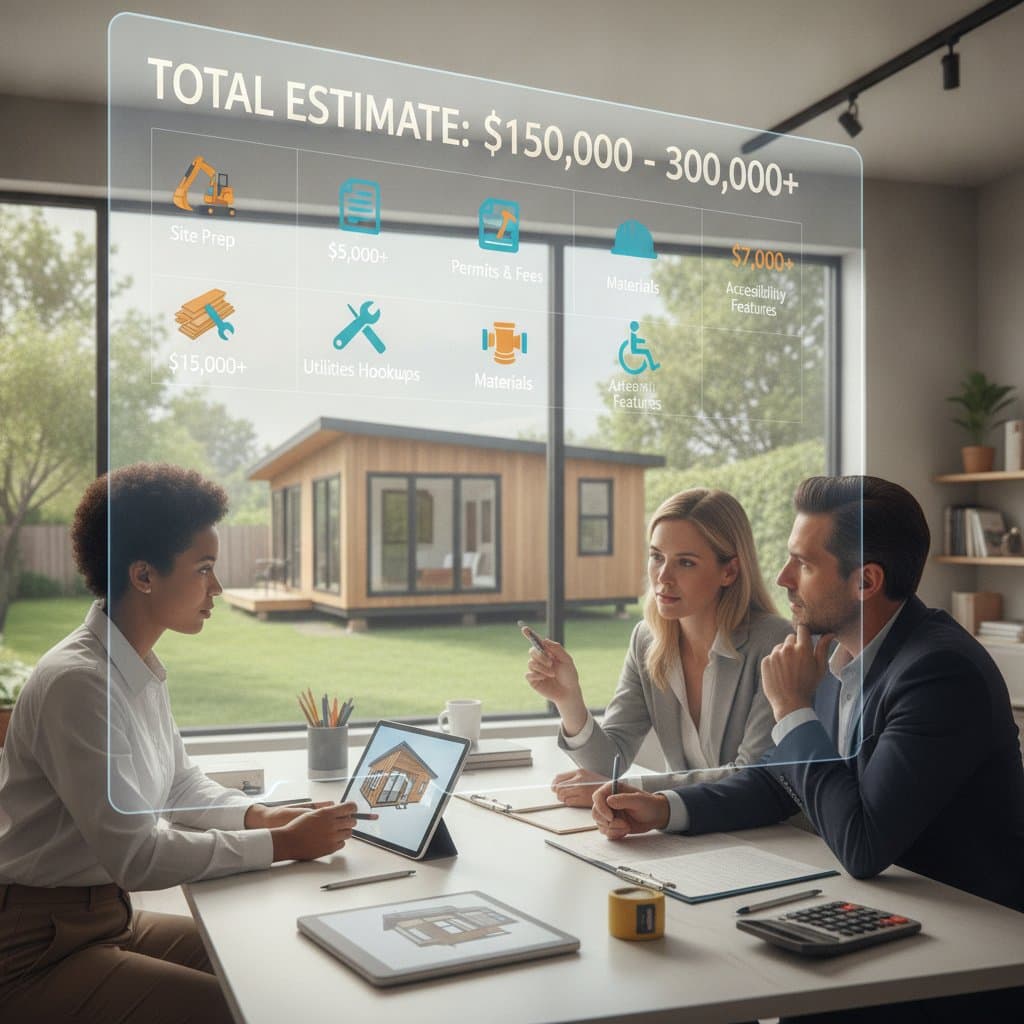
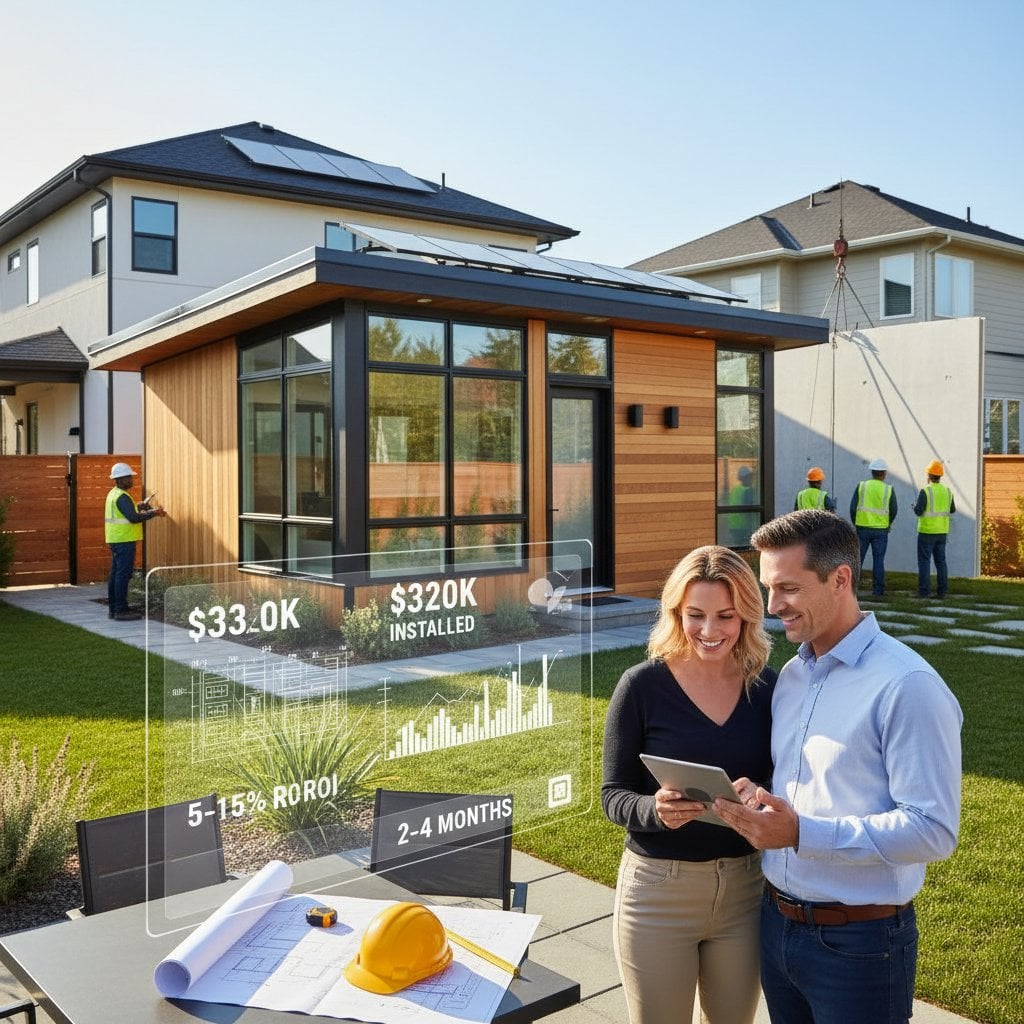
Prefab accessory dwelling units, known as ADUs, serve as compact, factory-built structures installed on existing properties. These units typically range in cost from $160,000 to $320,000 once fully installed, influenced by factors such as overall size, interior finishes, and specific site requirements. Projects generally span two to four months from permit approval to completion. Managing contractors presents a moderate challenge, while attempting a full do-it-yourself approach demands advanced skills. Physical risks remain low when licensed professionals handle critical elements like electrical systems, plumbing, and foundations. Return on investment varies by local rental markets and may yield 5 to 15 percent annually through rental revenue or enhanced resale value.
Detailed Installation Process
1. Assess Property Suitability
Begin by examining access routes for delivery vehicles and cranes. Ensure a clear pathway at least 12 feet wide, with 14 feet of overhead clearance to accommodate transport.
The site must remain level within four inches and clear of debris, tree roots, or other obstructions that could complicate placement.
2. Conduct a Professional Site Survey
Engage a licensed surveyor to delineate property boundaries and measure elevations accurately. This step confirms that the foundation aligns with building codes and prevents any boundary encroachments.
The survey report should detail utility line positions and any existing easements to guide subsequent planning.
3. Select an Appropriate Prefab Model
Choose a model that fits within your budget and adheres to local zoning regulations. Standard options span 300 to 800 square feet, accommodating various needs from studios to one-bedroom layouts.
Verify that the selected unit features energy-efficient windows, insulation achieving at least R-21 rating, and low-flow plumbing fixtures to promote sustainability and compliance.
4. Obtain Necessary Permits
Provide your local building department with manufacturer-provided drawings, site plans, structural engineering calculations, energy compliance documentation, and utility connection specifications.
Retain copies of all approved and stamped documents prior to initiating any construction activities to maintain a complete project record.
5. Prepare the Foundation Site
Excavate according to local building codes, opting for slab or pier foundations as suitable for prefab ADUs.
Locate and mark all underground utility lines before any digging begins; contact your regional utility marking service to avoid disruptions or hazards.
Ensure the completed foundation measures square, remains perfectly level, and undergoes inspection prior to the unit's arrival.
6. Arrange Delivery and Placement
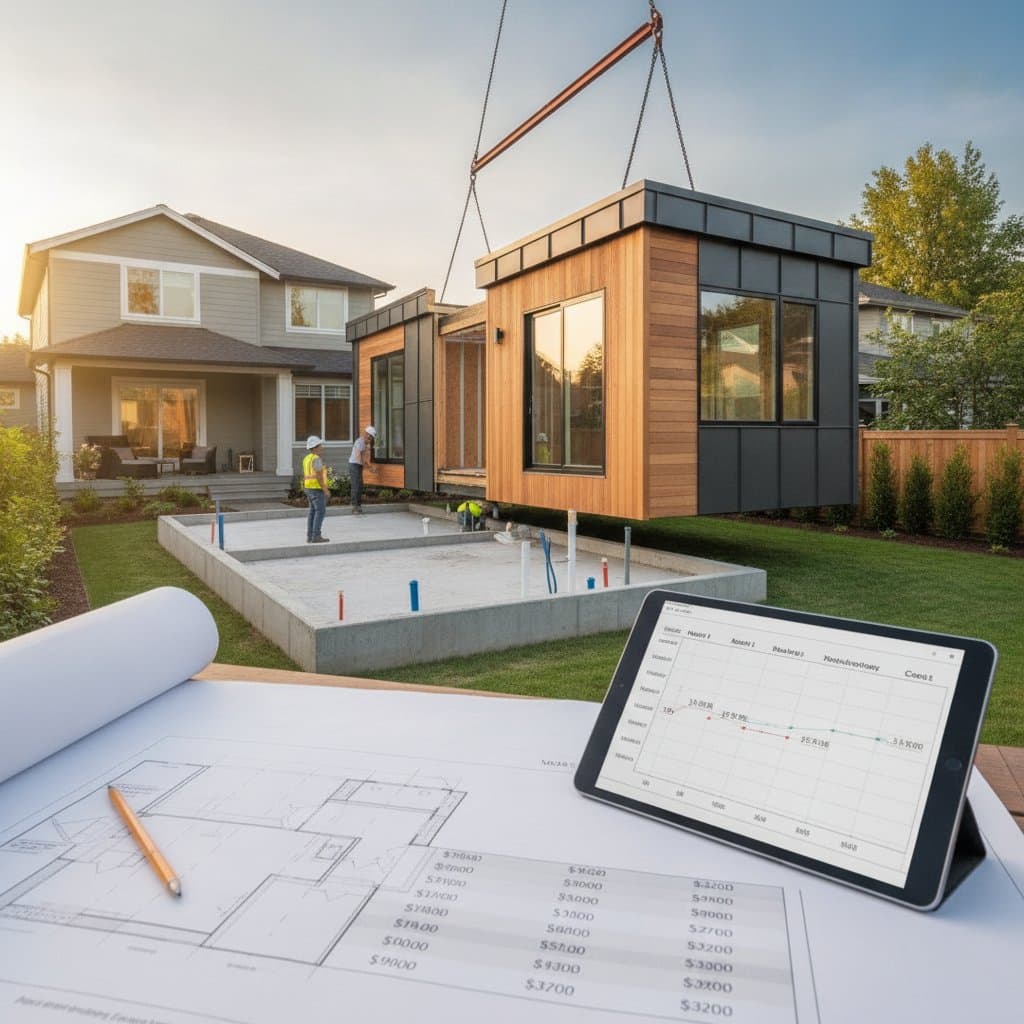
Work with the manufacturer to schedule delivery and crane-assisted installation. Clear driveways, gates, and overhead power lines to facilitate smooth access.
The delivery team must confirm proper alignment and positioning before securing the unit in place.
7. Integrate Utility Connections
Employ licensed specialists for all electrical, plumbing, and gas connections to ensure safety and code adherence.
For electrical work, install a dedicated subpanel equipped with a main breaker. Plumbing requires PVC or PEX piping suitable for potable water, while sewer lines connect via approved fittings to the primary system.
Each utility integration demands individual inspection and approval before proceeding with backfill or finishing.
8. Complete Exterior and Interior Finishes
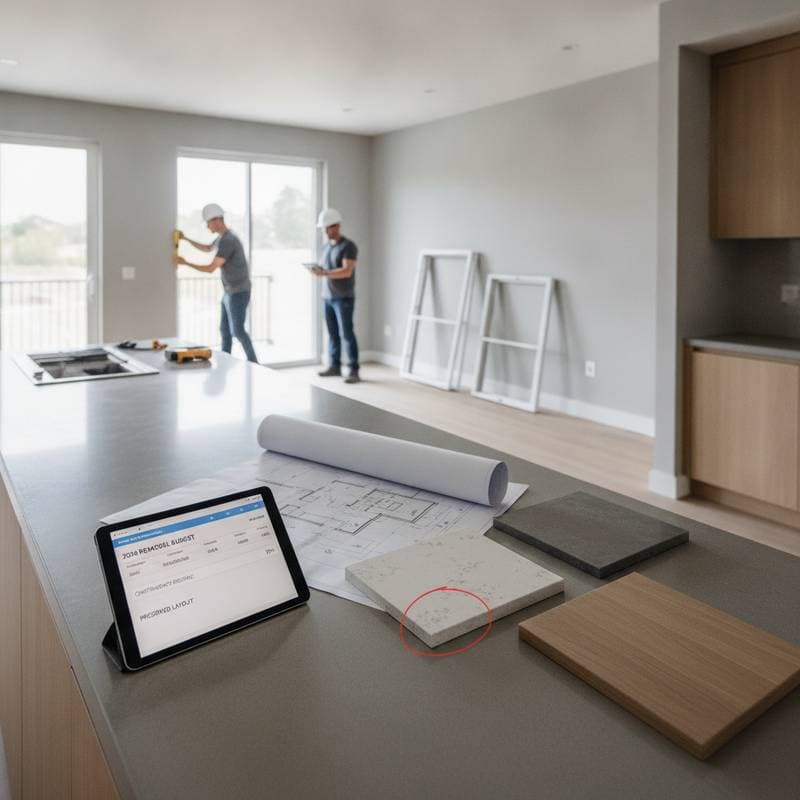
Apply manufacturer-recommended flashing and weatherproof caulk to seal joints between modules effectively. Add trim, protective skirting, and access stairs as needed for the design.
Inspect the entire structure to confirm no visible gaps or unsealed seams compromise weather resistance.
9. Arrange Final Building Inspection
Contact your building department to schedule a comprehensive walk-through. Officials will evaluate structural integrity, electrical installations, plumbing systems, and energy efficiency measures.
Display all approval stickers or certificates prominently upon successful inspection to authorize occupancy.
Ensuring Quality and Addressing Issues
Frequent Challenges and Resolutions
Uneven foundations often lead to sticking doors or windows; remedy this by re-leveling the base or installing adjustment shims as required.
Leaking joints at roof or wall seams require immediate attention; inspect and reapply caulking following the first significant rainfall.
Electrical flickering signals potential issues with neutral or ground connections; consult a licensed electrician for thorough diagnostics.
Inadequate drainage around the site can cause water pooling; regrade the surrounding soil to achieve a six-inch drop over 10 feet, directing flow away from the structure.
Straightforward Maintenance Adjustments
Secure all visible bolts and fasteners after initial settling occurs to maintain stability. Replace any cracked weather seals promptly to preserve integrity.
Monitor paint and siding for signs of premature wear, addressing touch-ups to extend the unit's lifespan.
Guidance on Professional Assistance
Seek licensed experts in these scenarios:
- Installation or alteration of gas, sewer, or electrical infrastructure
- Foundation cracks exceeding 1/8 inch in width
- Noticeable shifting or separation from the foundation
- Plans for expansions or additional plumbing features
Estimated Professional Expenses
Licensed electricians charge $80 to $150 per hour for their services. Plumbers bill between $75 and $140 hourly.
Concrete foundations cost $8 to $14 per square foot, depending on depth and soil conditions. Crane delivery and setup range from $3,000 to $8,000.
When selecting contractors, request their active license number, insurance documentation, a detailed written estimate outlining the scope, and references from comparable prefab projects.
Withhold the final 10 percent of payment until all inspections confirm satisfactory completion.
Calculating Returns on Prefab ADUs
Returns hinge primarily on rental revenue and overall property appreciation.
Generating Rental Income
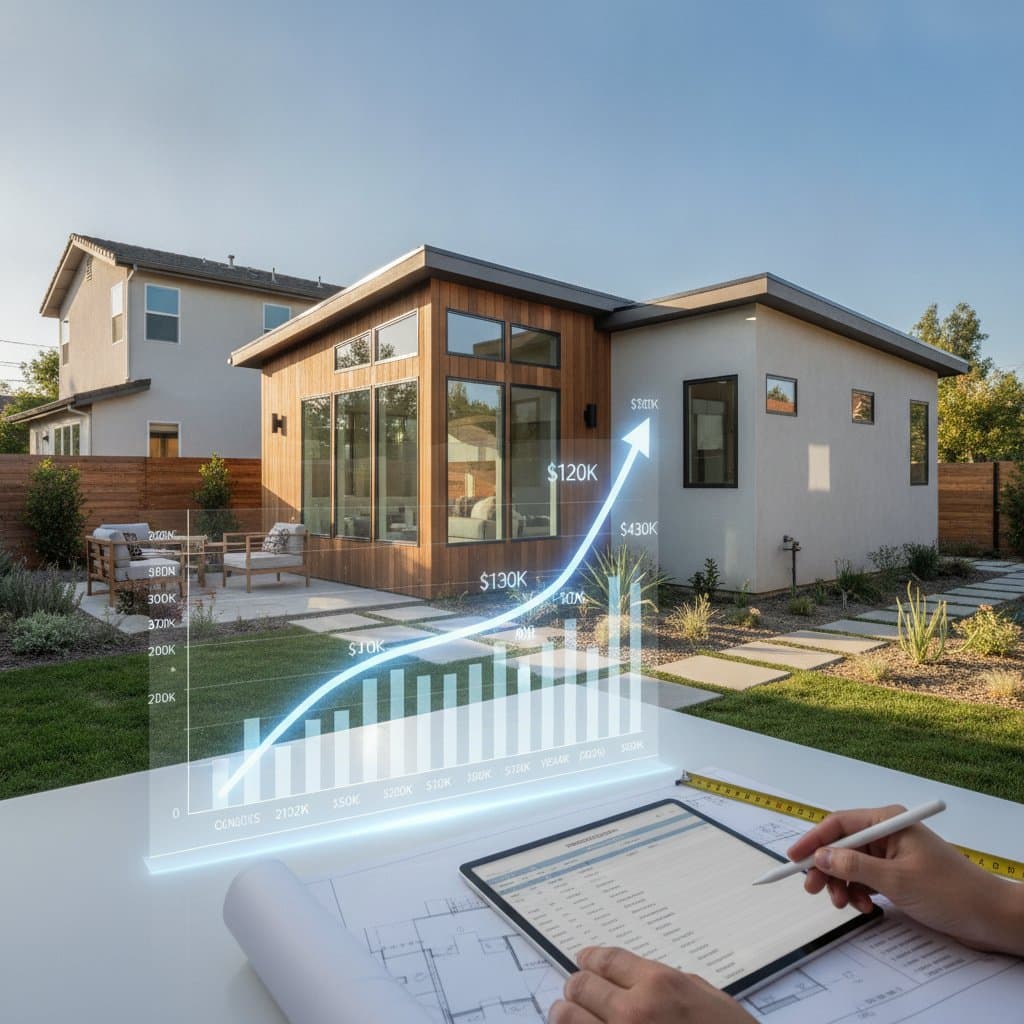
In desirable locations, a prefab ADU rents for $1,200 to $2,500 monthly. After deducting expenses for maintenance, insurance, and property taxes, net annual yields typically fall between 5 and 10 percent.
Enhancing Property Value
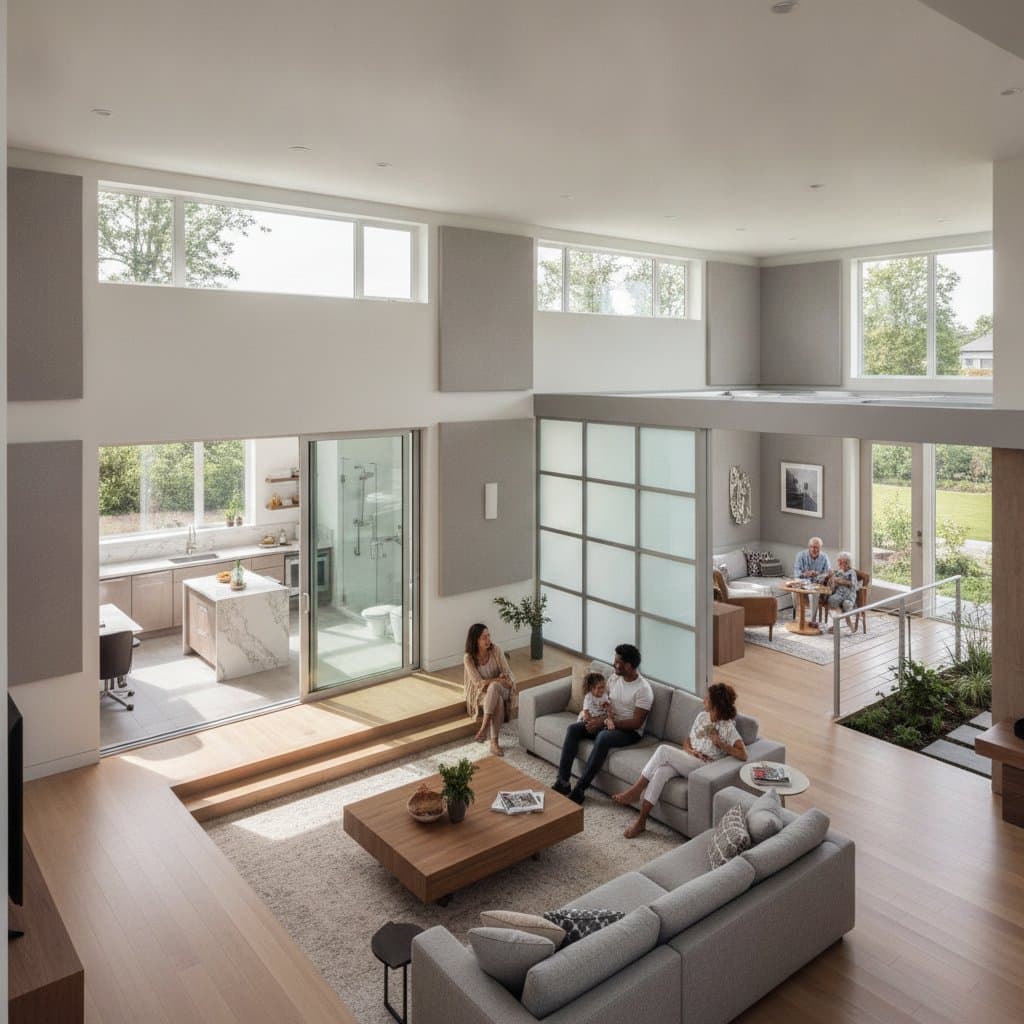
A compliant ADU addition can elevate property worth by 20 to 35 percent. This uplift reflects local zoning policies, market demand for multi-unit or intergenerational living, and buyer preferences.
Investment Recovery Period
Homeowners often recoup costs in 8 to 15 years via rental proceeds or resale gains. Regions with robust rental markets and reasonable utility rates accelerate this timeline.
Strategies for Optimal Outcomes
Partner with prefab manufacturers offering dedicated permit assistance to minimize bureaucratic delays.
Ensure the unit complies with state modular building standards rather than mobile home regulations for broader applicability.
Incorporate a separate electrical subpanel to streamline metering and ongoing upkeep.
Provision independent internet and cable connections to prevent conflicts with primary residence users.
Document all inspection appointments in writing and organize records in a dedicated project binder for reference.
Prefab ADUs deliver efficient expansion options with thoughtful preparation. Adhering to established building protocols, securing permits, and engaging qualified professionals results in a resilient, regulation-compliant addition that substantially enhances property utility and market appeal.