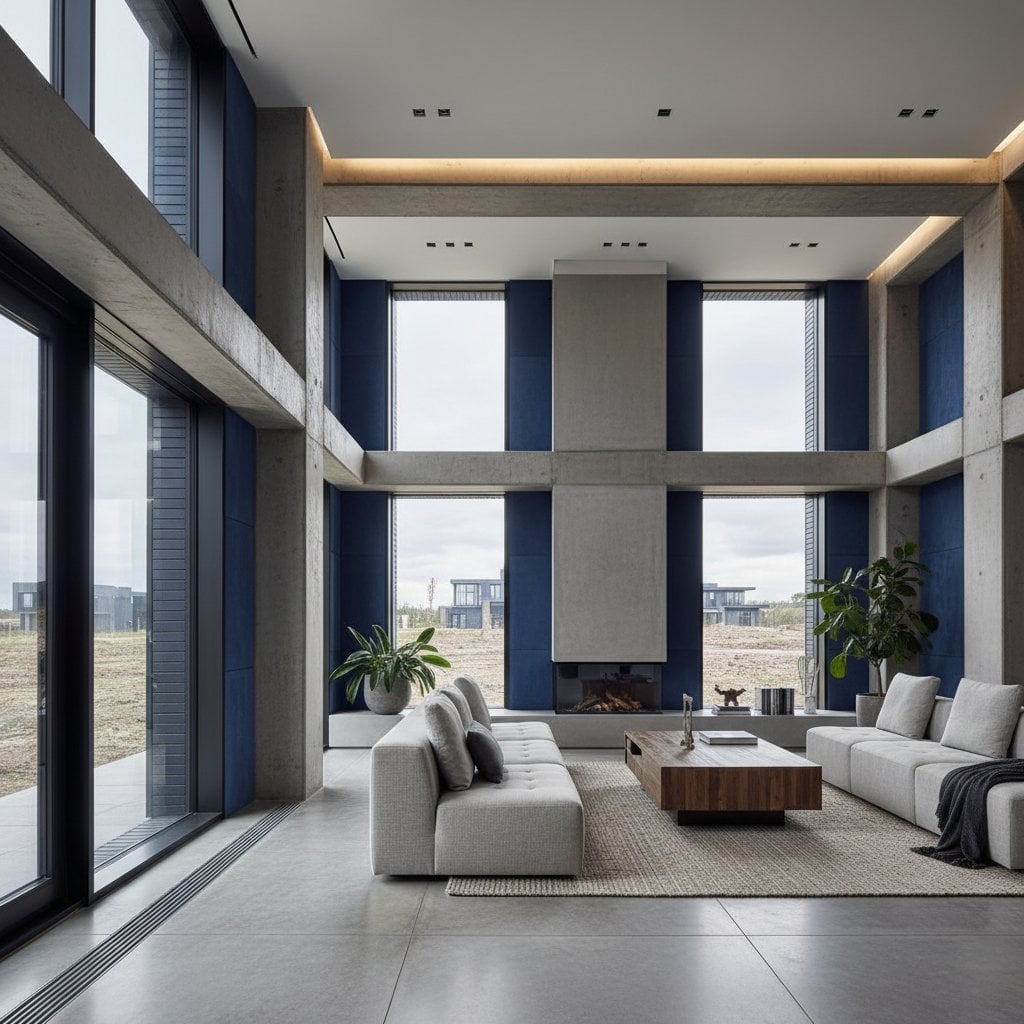
Building Storm-Proof Homes: Understanding the $70,000 Cost Premium
Storm-proof homes represent a significant advancement in residential construction, designed to withstand severe weather events such as hurricanes, tornadoes, and heavy storms. These structures incorporate advanced materials and engineering techniques that go beyond standard building practices. While the initial investment exceeds typical costs by approximately $70,000 for an average-sized home, this premium delivers unparalleled protection and peace of mind.
The decision to build a storm-proof home often arises from growing concerns over climate change and increasing frequency of extreme weather. Homeowners in vulnerable regions prioritize resilience to safeguard their families and properties. This article explores the factors driving the higher costs, the components involved, and the long-term advantages that justify the expense.
Key Elements of Storm-Proof Construction
Storm-proof homes feature specialized components that enhance structural integrity. Reinforced foundations, impact-resistant windows, and fortified roofing systems form the core of these designs. Builders adhere to stringent codes, such as those outlined by the International Building Code for high-wind zones, ensuring compliance with safety standards.
Materials That Drive Up Expenses
High-quality materials account for a substantial portion of the cost increase. For instance, concrete or steel-reinforced walls replace traditional wood framing to resist high winds and flying debris. Impact-rated glass for windows and doors, capable of withstanding projectiles at speeds up to 50 miles per hour, adds durability but elevates material expenses by 20 to 30 percent.
Roofing materials shift from asphalt shingles to metal panels or concrete tiles, which secure tightly against uplift forces. These options not only endure gale-force winds but also prevent water intrusion during prolonged storms. Sourcing such specialized products often involves premium suppliers, further contributing to the overall budget.
Labor and Expertise Requirements
Skilled labor plays a critical role in storm-proof builds. Certified contractors with experience in resilient construction install these components precisely, following engineered blueprints. This expertise commands higher wages, typically 15 to 25 percent above standard rates, due to the complexity and safety protocols involved.
Installation processes demand additional time. Securing tie-down anchors or integrating shear walls requires meticulous attention to detail, extending project timelines by weeks. In regions prone to storms, local regulations may mandate inspections at multiple stages, increasing labor hours and associated fees.
Engineering and Design Considerations
Professional engineering elevates the design phase. Structural engineers analyze site-specific risks, such as soil type and wind exposure, to customize plans. This tailored approach ensures the home integrates seamlessly with its environment while meeting or exceeding building codes.
Advanced software simulations test virtual storm scenarios, refining designs before construction begins. These services, often costing $10,000 to $20,000, prevent costly errors and optimize material use. The result is a home engineered for longevity, reducing the likelihood of repairs after weather events.
Breaking Down the $70,000 Premium
For a 2,000-square-foot home, standard construction might total $300,000, while a storm-proof version reaches $370,000 or more. This 15 to 35 percent uplift breaks down across categories: materials contribute about 40 percent, labor 30 percent, and engineering plus permits the remainder.
Regional variations influence pricing. Coastal areas with hurricane risks incur higher costs due to elevated standards, whereas inland zones might see moderated expenses. Homeowners can mitigate some increases by selecting modular storm-proof elements or phased upgrades during initial builds.
To illustrate, consider a basic cost comparison:
- Standard foundation: $20,000; Storm-proof (reinforced concrete): $35,000.
- Roofing: $15,000; Storm-resistant (metal with straps): $25,000.
- Windows and doors: $10,000; Impact-rated: $20,000.
These increments accumulate quickly, underscoring the need for detailed budgeting from the outset.
Long-Term Benefits Outweighing Initial Costs
The upfront premium pales in comparison to the enduring value of storm-proof homes. Reduced maintenance needs stem from durable materials that resist wear from everyday elements, potentially saving thousands annually. Insurance providers often offer discounts of 10 to 30 percent for resilient features, lowering premiums over the home's lifespan.
Resale value sees a notable boost. Properties certified as storm-resistant appeal to buyers in high-risk areas, commanding prices 5 to 10 percent above comparable homes. In disaster-prone communities, this edge translates to faster sales and greater financial returns.
Beyond economics, the psychological benefits prove invaluable. Families gain confidence knowing their home stands firm against nature's fury, fostering a sense of security. Communities with more resilient structures experience less disruption and quicker recovery after storms, enhancing overall quality of life.
Steps to Incorporate Storm-Proof Features
Prospective builders should start by assessing local risks through tools like FEMA flood maps or wind zone charts. Consult with architects specializing in resilient design to align features with budget constraints. Obtain quotes from multiple contractors to compare approaches and identify cost-saving opportunities.
Prioritize essential elements, such as foundation reinforcement and window protection, before optional upgrades like advanced HVAC systems sealed against debris. Secure financing options that account for the premium, including green building incentives where applicable. Regular maintenance post-construction ensures features perform as intended.
Investing in Resilience for the Future
Opting for a storm-proof home positions owners ahead of escalating weather threats. The $70,000 investment secures not just a structure, but a safeguard for assets and loved ones. As climate patterns evolve, this forward-thinking choice delivers stability in an uncertain world.