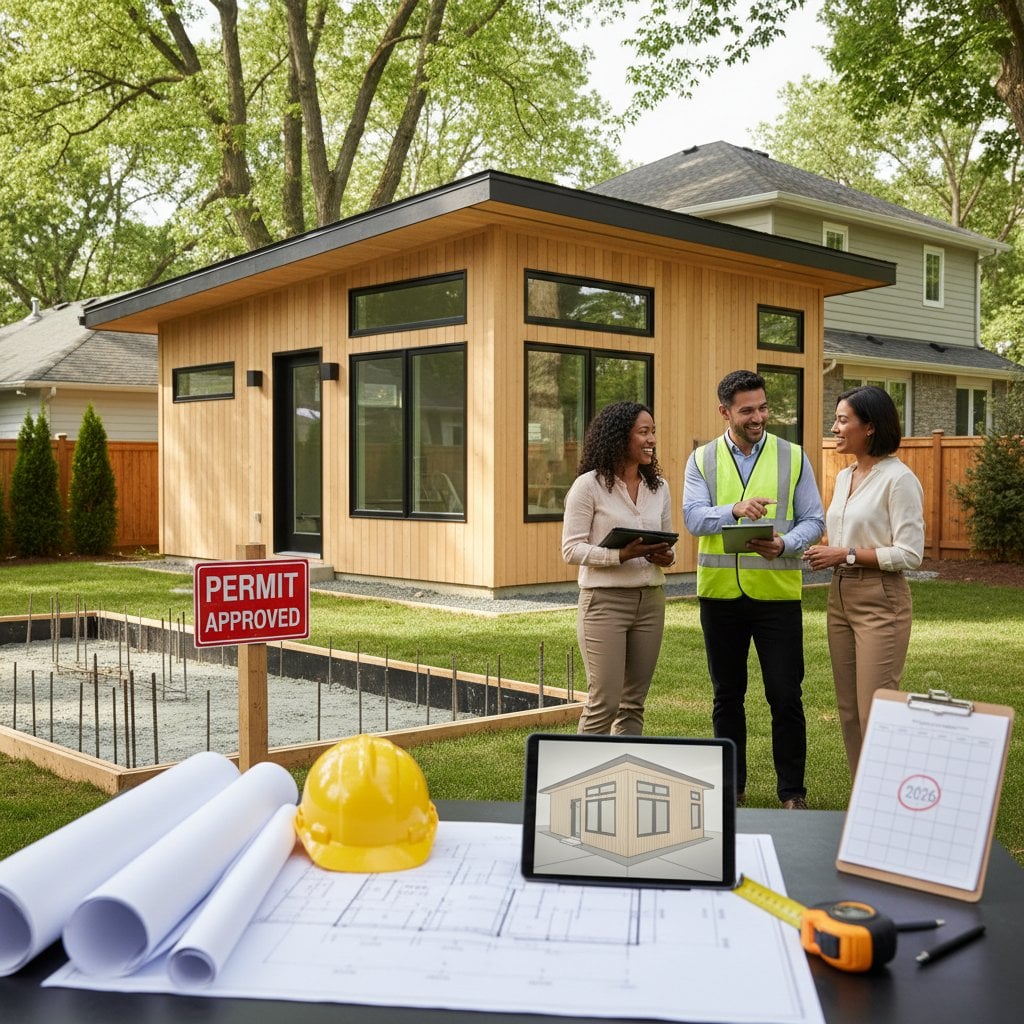
Lowering Costs for 2026 ADU Projects: Permits and Key Insights
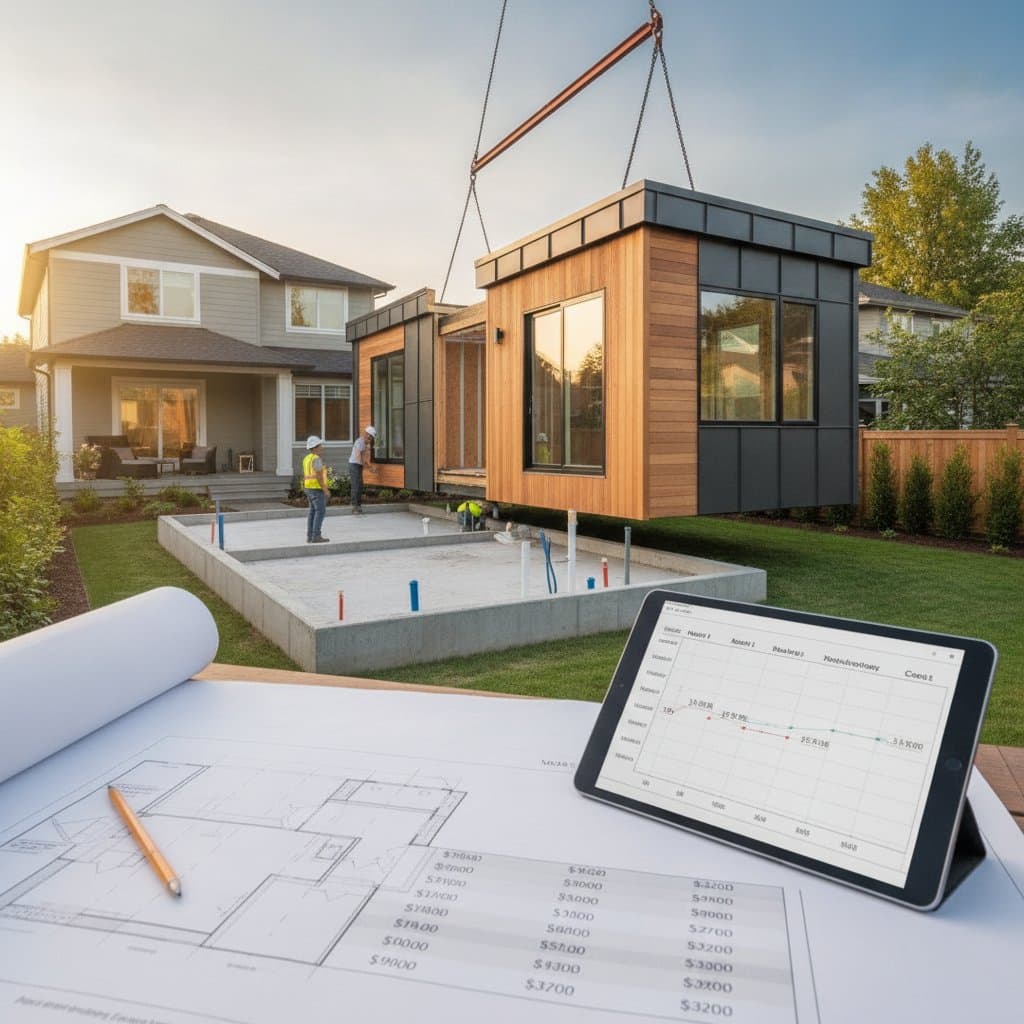
Accessory Dwelling Units (ADUs) provide expanded living areas, potential rental revenue, or accommodations for extended family. For those planning construction in the near future, addressing expenses during the initial phases yields substantial savings. This overview details how permitting processes, design decisions, and planning methods contribute to cost reductions in ADU developments.
Core Elements of ADU Expenses
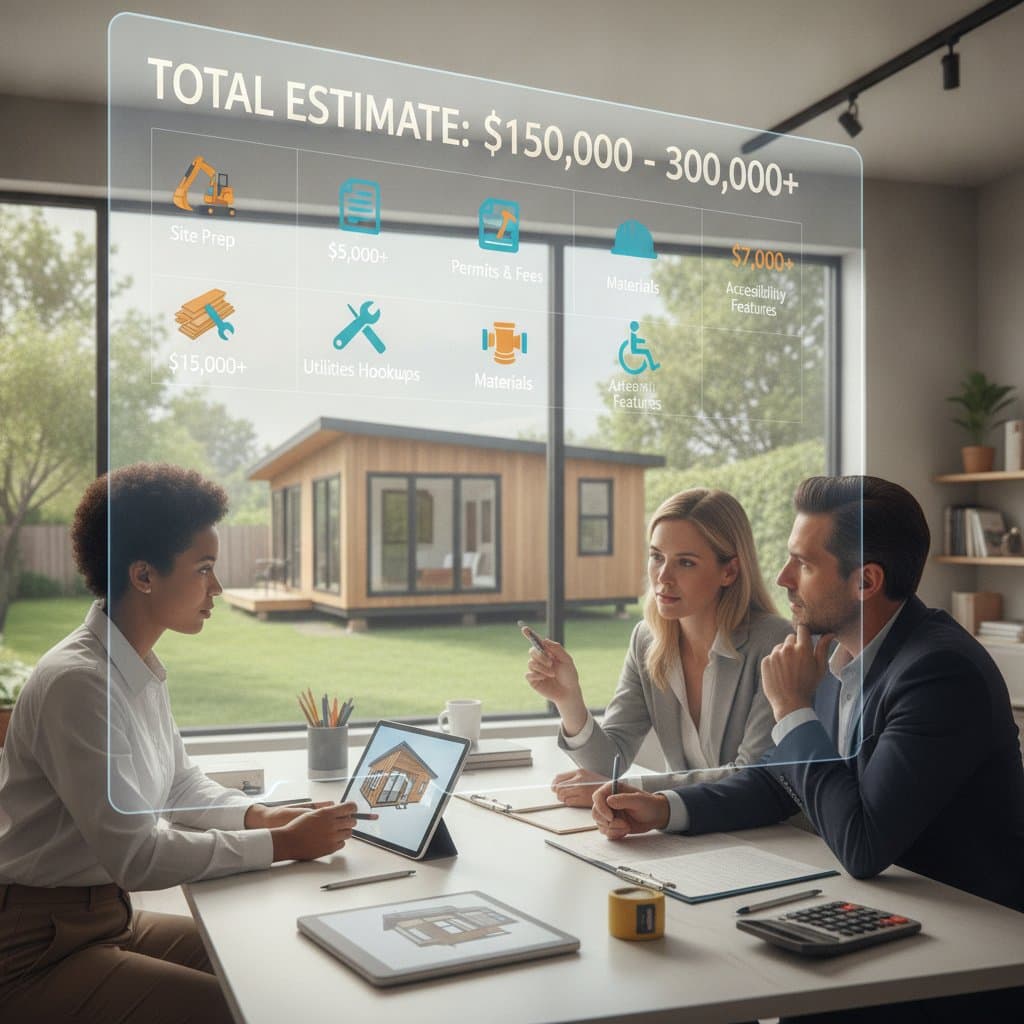
ADU projects mirror the financial demands of primary residences, albeit on a reduced scale. Budgets must cover site preparation, foundations, utility integrations, framing, roofing, insulation, interior detailing, and permitting. Expenses fluctuate based on the selected ADU configuration, including:
- Detached backyard units: Independent structures that prioritize seclusion and adaptability.
- Attached extensions: Additions connected to the primary residence, frequently sharing utilities or walls.
- Garage conversions: Adaptations of pre-existing buildings into habitable areas, which diminish needs for new foundations and framing.
Each variant involves distinct permitting obligations and opportunities for economies. Establishing familiarity with site conditions and municipal codes proves essential prior to plan commitment.
The Role of Permits in Cost Management
Permits extend beyond administrative requirements; they confirm adherence to zoning, safety, and environmental standards. Securing approvals at the outset averts expensive modifications or halts in construction. Fees differ by locality and unit dimensions, yet targeted approaches can mitigate these outlays.
Approaches to Minimize Permit Expenses
- Utilize pre-approved designs: Numerous areas provide template ADU plans compliant with building codes. Adoption of these templates decreases design expenditures and accelerates review processes.
- Integrate multiple permits: When scheduling concurrent renovations, such as roofing updates or driveway modifications, consolidate applications to lessen processing charges.
- Engage qualified experts: Professionals versed in regional rules minimize mistakes that incur resubmission penalties.
- Assess zoning in advance: Localities enforce specific guidelines on setbacks, elevations, and allowable areas. Verification at this stage prevents subsequent adjustments to designs.
Analyzing Primary Cost Drivers
Selections in design and execution directly impact overall budgets. Grasping expenditure allocations enables deliberate compromises aligned with financial constraints.
1. Dimensions and Configuration
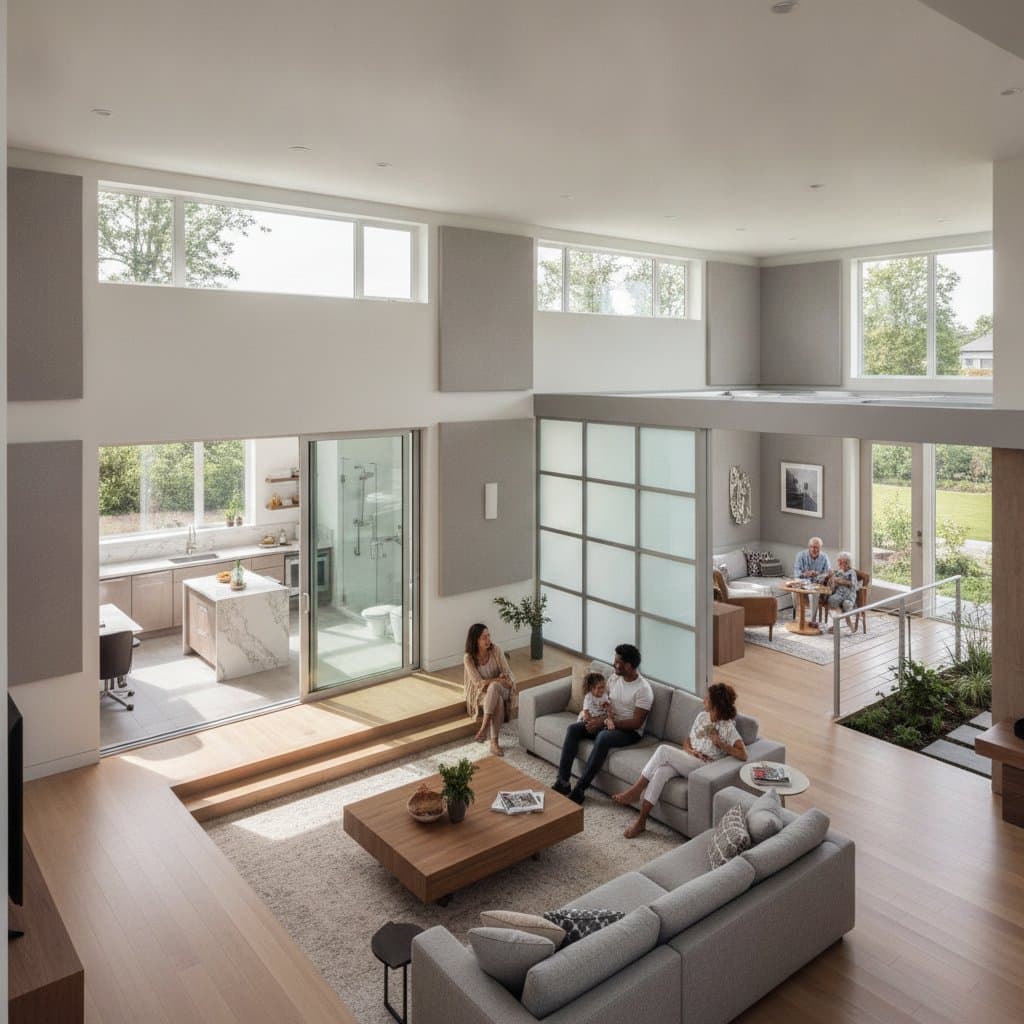
Compact ADUs incur lower total costs, though per-square-foot rates may rise due to invariant elements like electrical and plumbing installations. Efficient spatial arrangements reconcile affordability with usability. Designs featuring open layouts and elevated ceilings foster spaciousness absent additional area.
2. Foundation Options
Concrete slab foundations typically represent the most economical choice, whereas crawl spaces or subterranean levels elevate costs while offering storage or access benefits. Decisions should hinge on terrain gradient, soil composition, and water management rather than visual appeal alone.
3. Utility Integrations
Linking to established water, sewage, and power supplies conserves thousands relative to novel installations. Positioning the ADU proximate to current lines, where site conditions permit, curtails excavation and supply demands.
4. Material Selections
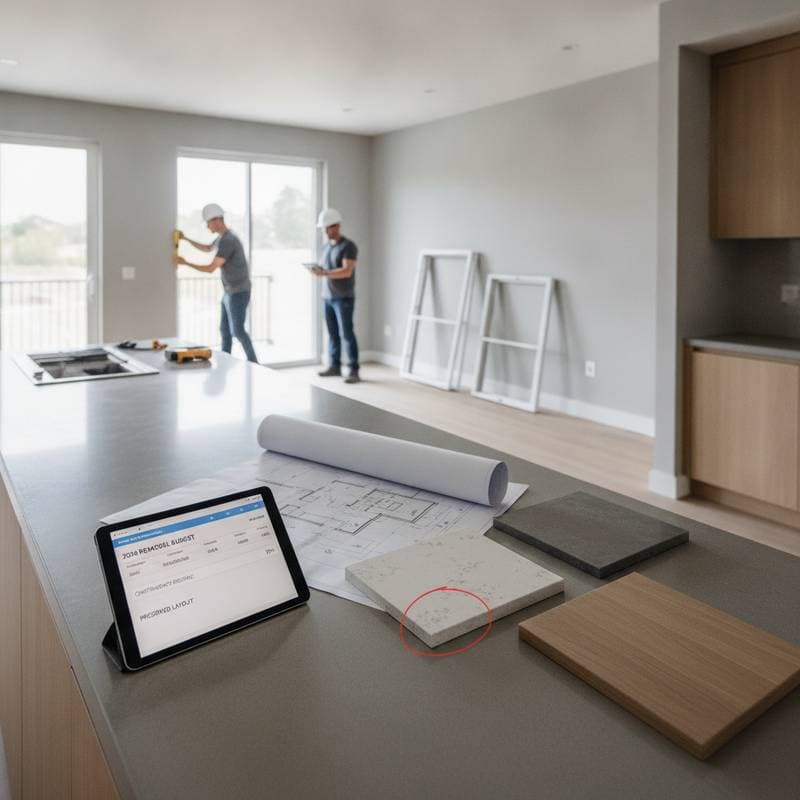
Resilient, upkeep-light materials demand higher initial investments but curtail ongoing costs. Options such as fiber cement exteriors, metallic roofs, and synthetic windows endure climatic stresses with limited maintenance. For interiors, selections like synthetic wood flooring or engineered stone surfaces merge longevity with aesthetics.
5. Workforce and Oversight
Contracting integrated design-build teams facilitates coordination and limits revisions. Should you oversee segments independently, such as painting interiors or establishing grounds, schedule meticulously to preclude disruptions in professional timelines.
Typical Cost Intervals and Strategic Reductions
Regional variations and material grades cause ADU outlays to span broad ranges. Detached units often exceed expenses for conversions or appendages. To economize while upholding standards, target these facets:
- Streamline architecture: Employ linear roof profiles and boxy forms to trim framing and covering expenditures.
- Select conventional openings: Standard dimensions for windows and doors expedite fabrication and reduce structural reinforcements.
- Incorporate compact systems: Ductless heating-cooling units and instantaneous water heaters optimize area and efficiency.
- Consolidate plumbing: Align kitchen and bath elements along shared walls to shorten conduit lengths and installation efforts.
Refrain from economizing on thermal barriers, moisture barriers, or load-bearing features. Such elements influence sustained habitability, security, and operational efficiency.
Complying with Regional Standards
Municipalities dictate unique ADU parameters, encompassing dimensional caps, parking mandates, and habitation stipulations. Initiate by consulting local planning resources or portals for prevailing criteria. Prevalent provisions encompass:
- Area ceilings scaled to the principal dwelling.
- Boundary offsets specifying proximity to lot edges.
- Vertical limits ensuring harmony with adjacent properties.
- Residency mandates outlining occupancy for primary and secondary units.
Early comprehension facilitates compliant designs and obviates plan alterations.
Funding Options and Value Projections
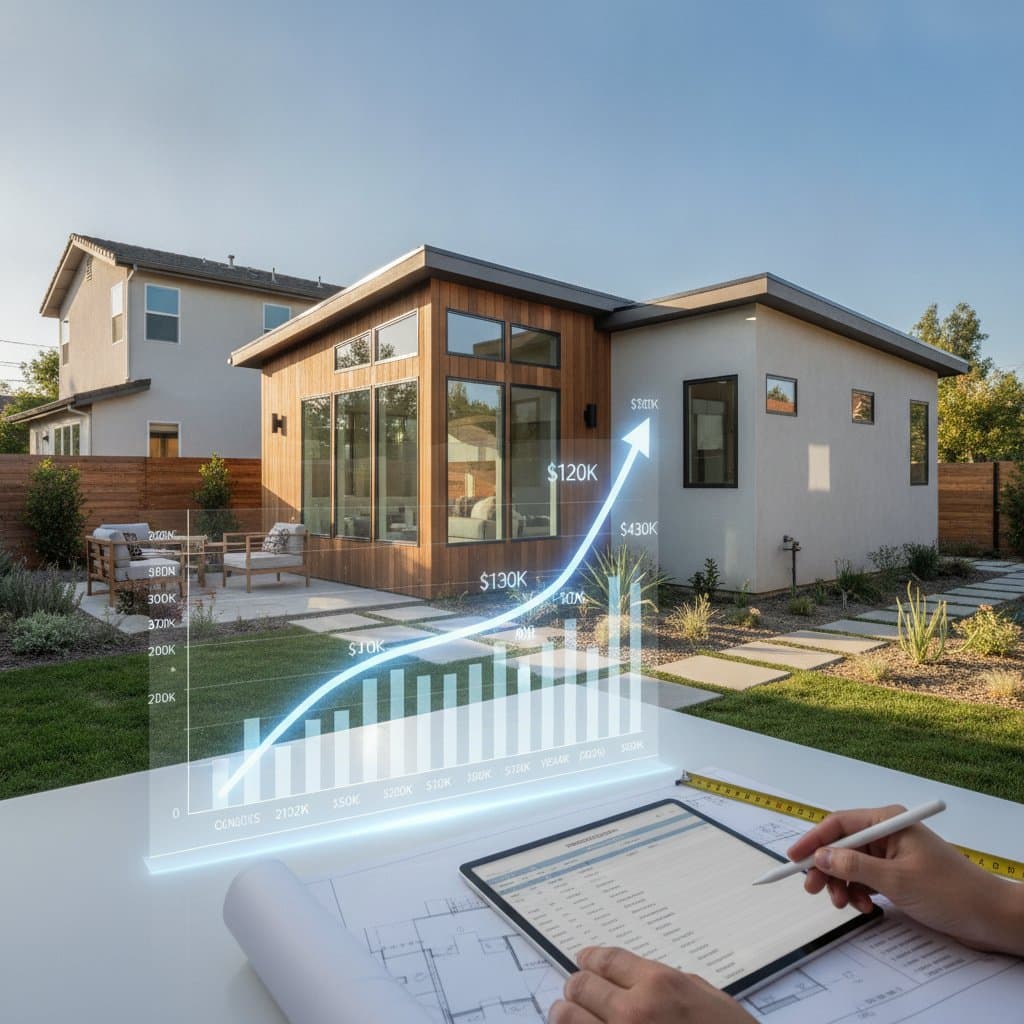
ADU funding avenues include equity-based loans, build-specific financing, or refinance withdrawals. Some leverage personal reserves or collaborative arrangements to distribute burdens and prospective yields. Initial investments may appear formidable, yet enduring advantages frequently compensate. ADUs elevate asset worth, generate leases, or house relatives sans supplementary acquisitions.
Incorporate a 10 to 15 percent reserve in projections for contingencies like geotechnical challenges or supply interruptions. This buffer sustains fiscal discipline.
Tactics for Expenditure Oversight
- Solicit bids from certified firms and evaluate comprehensive proposals beyond mere figures.
- Demand detailed breakdowns to trace fund allocations.
- Anticipate upkeep needs, including facade refreshes or roof renewals.
- Monitor outlays regularly to detect deviations promptly.
- Stage non-critical enhancements, like landscaping, across periods.
These measures mitigate fiscal shocks and promote seamless execution.
Advancing Your ADU Development
ADUs rank among the most functional enhancements to real estate. Through proactive preparation, appropriate permitting, and judicious designs, expenses diminish and timelines shorten. Such foresight guarantees the addition aligns with requirements and resources, serving as income source, visitor quarters, or secluded haven. Deliberate selections and orchestrated efforts propel the endeavor from ideation to realization, yielding confidence and persistent utility.