Navigating Prefab and Traditional Construction in a Tight Labor Market
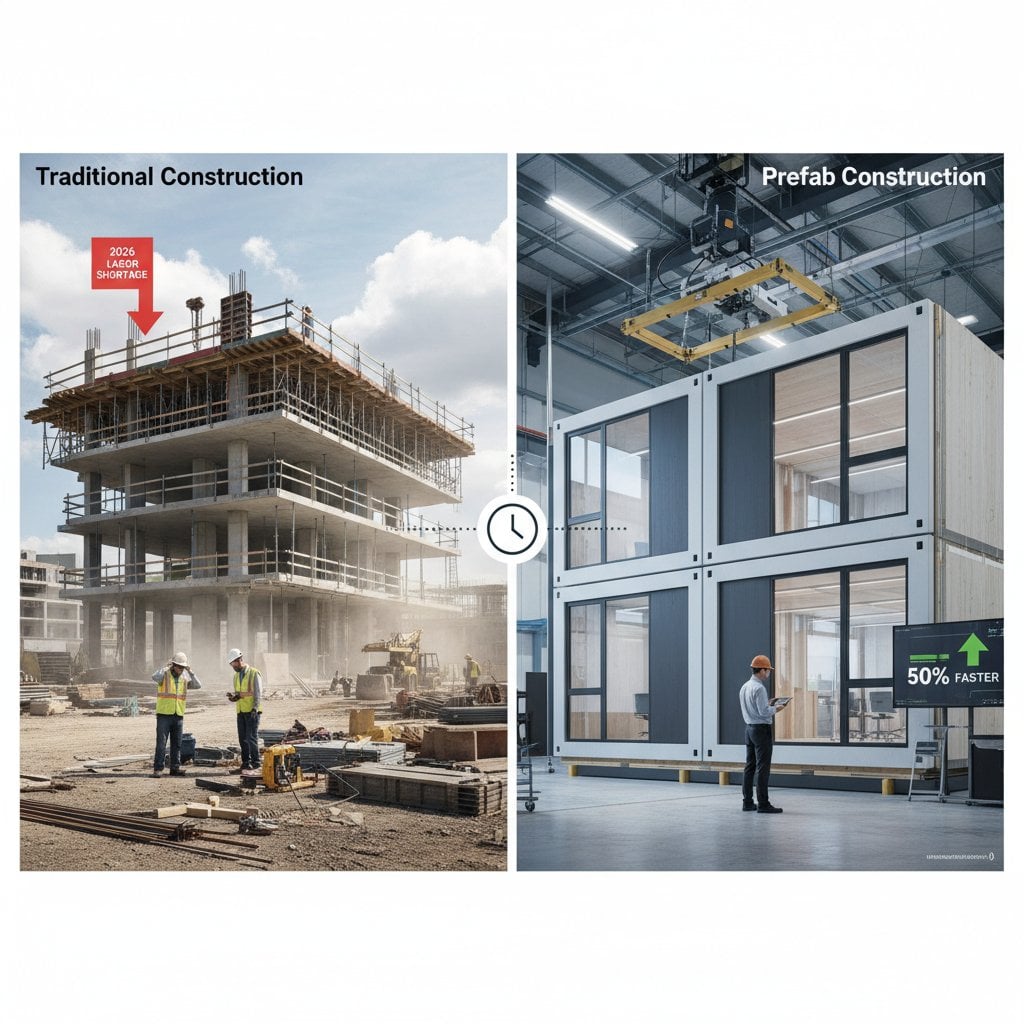
The construction sector confronts escalating challenges from a shrinking labor pool, particularly as shortages are expected to peak in 2026. Prefabricated building techniques provide a viable path forward by streamlining processes and reducing dependency on on-site workers. This analysis contrasts prefab with traditional approaches, detailing their influences on expenses, quality, and timelines, while offering contractors practical adaptations to sustain productivity under constrained conditions.
Analyzing Costs and Timelines
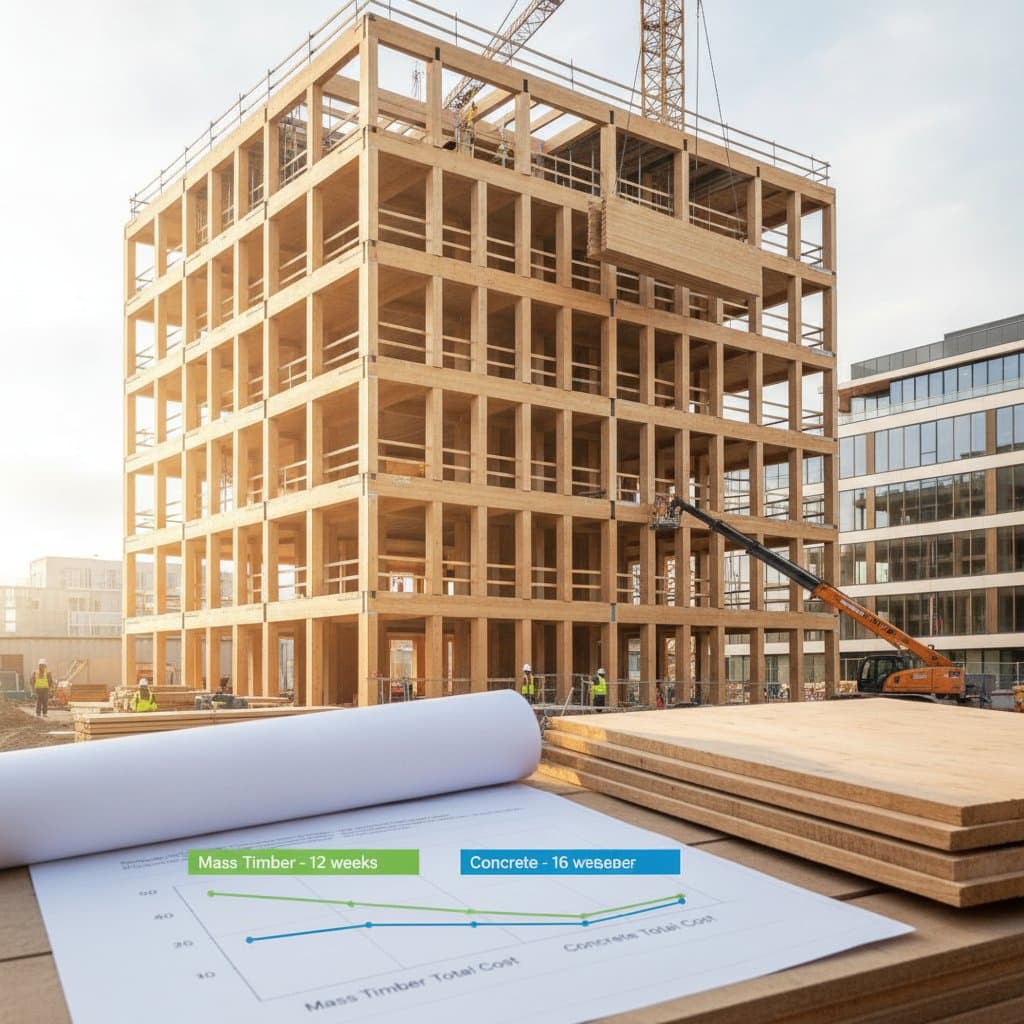
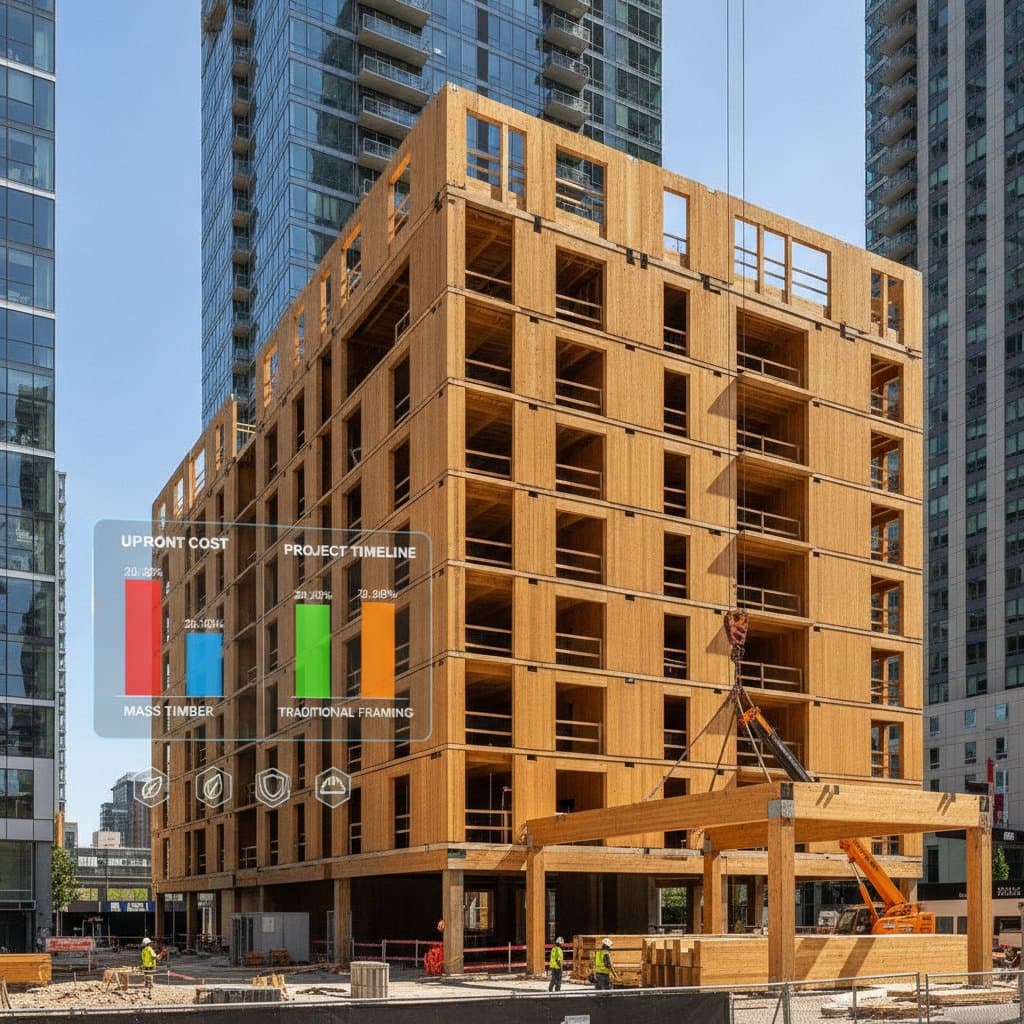
Prefabricated construction generally incurs 10 to 25 percent lower costs than traditional methods, varying with project intricacy and material selections. Factory-based assembly cuts on-site labor demands, thereby decreasing wage outlays and exposure to weather interruptions. In contrast, traditional construction elevates labor expenses and extends durations due to extensive site-based activities.
Projected timelines:
- Prefab: 2 to 4 months for residential or light commercial endeavors.
- Traditional: 4 to 8 months for comparable projects.
Complexity level: Moderate to advanced. Prefab demands precise synchronization with manufacturers, whereas traditional efforts necessitate sizable crews and intricate trade coordination.
Factors such as geographic location, regulatory permits, and logistics for material transport can alter overall figures. Availability of local workers emerges as the predominant influencer.
Weighing DIY Options Against Professional Expertise
Full do-it-yourself execution proves impractical for prefabricated structures. Modules typically arrive pre-equipped with electrical, plumbing, and structural components calibrated to rigorous building codes. Licensed contractors and certified installers alone possess the qualifications to manage assembly and integrations.
For traditional undertakings on a modest scale, like garages or storage sheds, seasoned DIY participants may handle portions if local regulations permit. Nonetheless, elements involving structural framing, load-bearing elements, and mechanical installations warrant professional supervision.
Expense breakdown:
- Prefab with professional setup: Approximately 80 to 120 dollars per square foot.
- Traditional via general contractor: Approximately 120 to 180 dollars per square foot, influenced by regional variations and prevailing labor rates.
Detailed Step-by-Step Breakdown
- Design and Planning Phase
- Prefab: Select from manufacturer-provided standard or semi-custom designs.
- Traditional: Engage an architect to develop bespoke plans.
- Verification: Ensure designs align with local codes and site-specific requirements.
- Permitting Process
- Prefab: Present pre-engineered factory plans for preliminary approval.
- Traditional: Provide comprehensive architectural submissions for evaluation.
- Verification: Validate that foundation and utility linkages satisfy inspection criteria.
- Site Preparation Stage
- Prefab: Establish foundation and utility infrastructure prior to module arrival.
- Traditional: Initiate with excavation, framing, and concrete slab pouring.
- Verification: Confirm foundation achieves level alignment with specified dimensions.
- Core Construction or Assembly
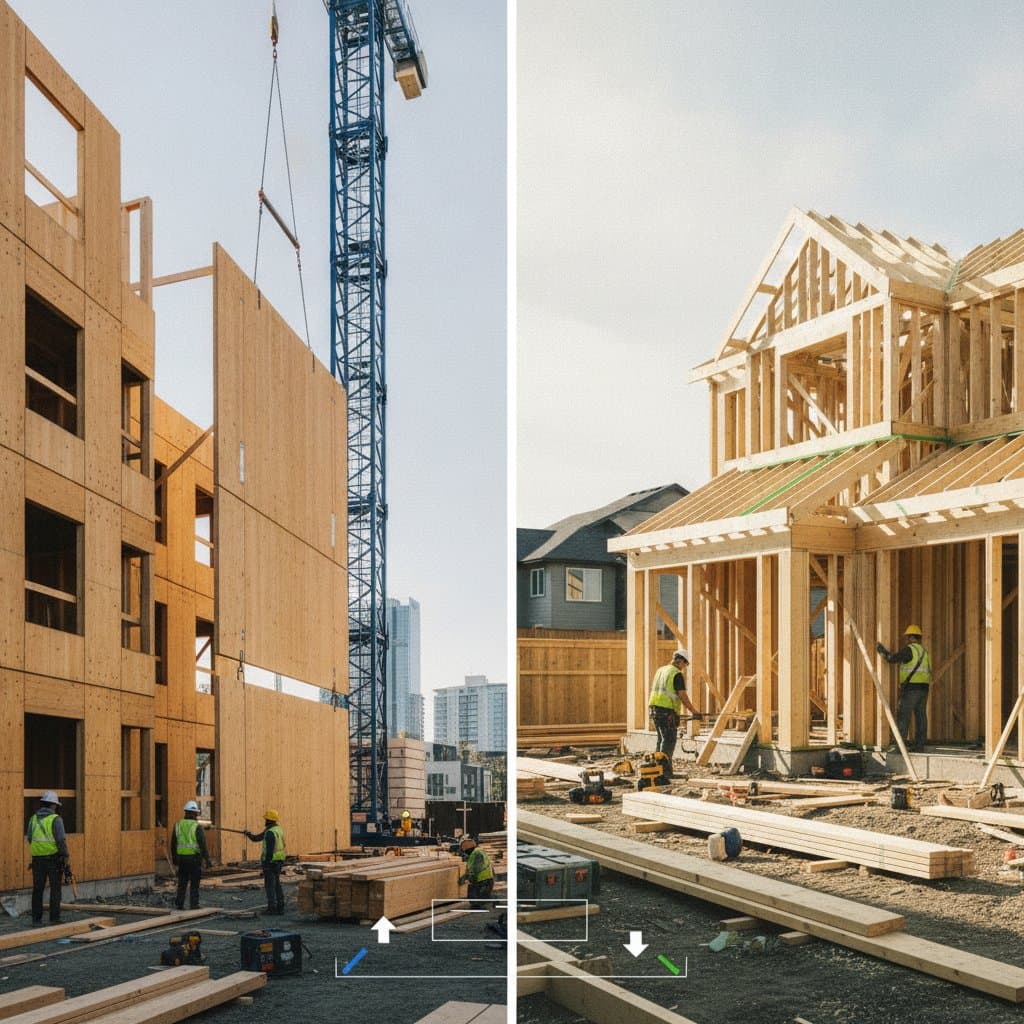
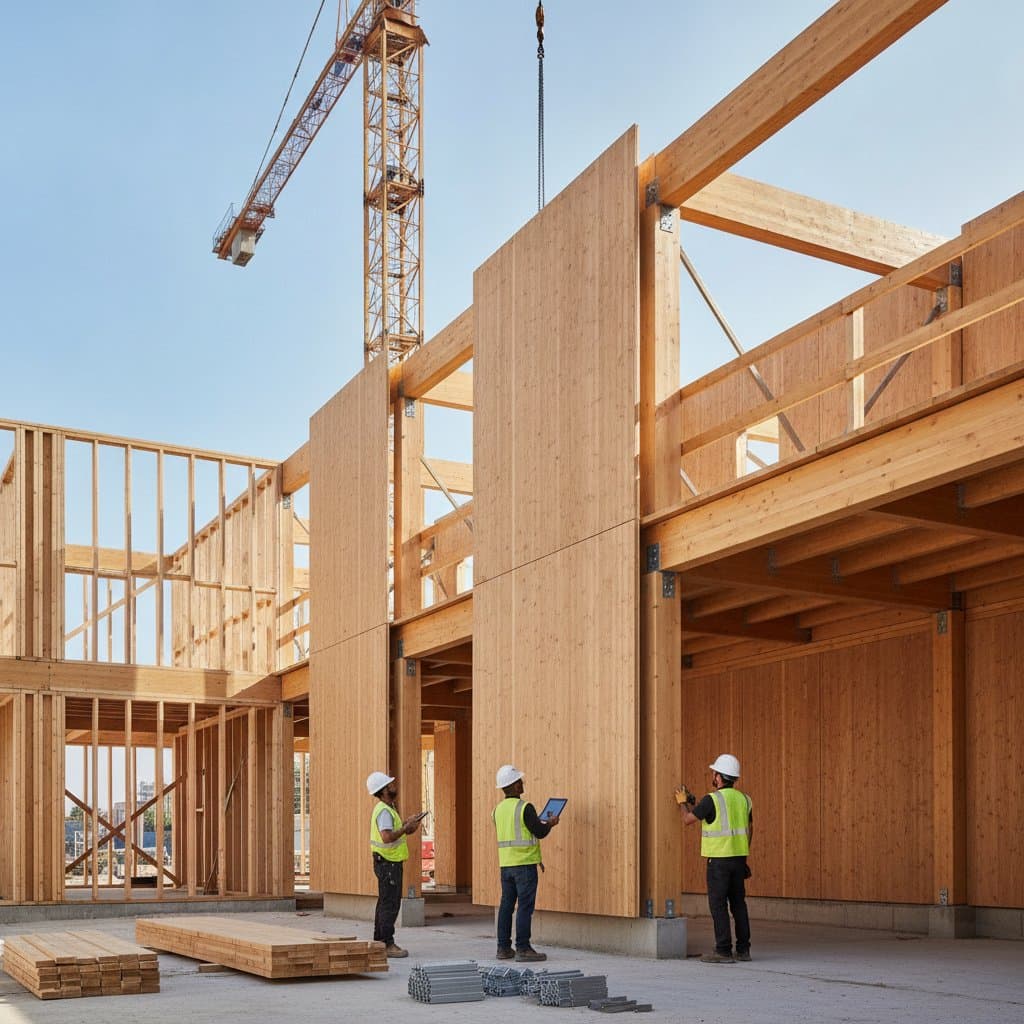
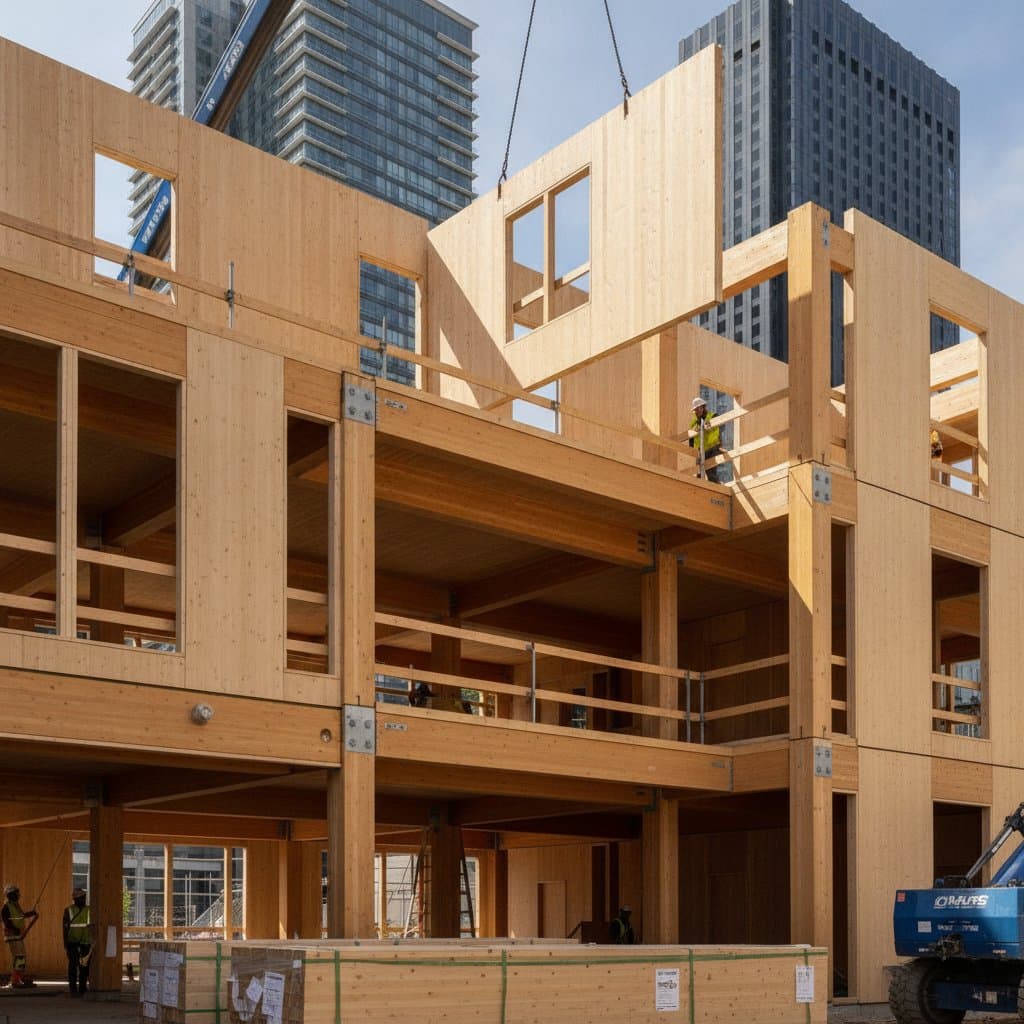
- Prefab: Deploy modules via crane, completing placement in one to two days.
- Traditional: Progress through framing, roofing, and exterior finishing across multiple months.
- Verification: Secure and weatherproof all module interconnections.
- Finishing Touches and Final Inspections
- Prefab: Conduct limited on-site refinements, as factory completion covers most elements.
- Traditional: Advance interior work and inspections concurrently with construction.
- Verification: All systems undergo local code evaluations prior to occupancy approval.
Essential Safety Protocols and Precautions
- Critical Alert: Structural Compromise. Avoid any on-site alterations to prefab module frameworks, as such changes undermine overall stability.
- High-Risk Advisory: Electrical and Plumbing Hazards. Isolate power sources and water supplies before integrating prefab systems.
- Always equip personnel with gloves, protective eyewear, and helmets during site operations.
- Verify that cranes and rigging equipment adhere to load capacities for module handling.
Resolving Issues and Ensuring Quality
Prefabricated units demand exact foundation matching. In cases of misalignment, assess diagonal measurements to verify squareness. For traditional framing, evaluate vertical alignment and levelness prior to applying sheathing.
Examine every seal and joint for potential air or water infiltration. Subject electrical, plumbing, and heating, ventilation, and air conditioning systems to comprehensive load testing before ultimate inspections.
Managing Waste and Site Cleanup
Prefabricated initiatives produce reduced waste volumes, thanks to factory precision cutting of materials. Traditional projects frequently involve substantial debris from wood scraps, drywall remnants, and packaging.
Utilize licensed waste management services or designated recycling facilities for disposal. Certain jurisdictions mandate segregated handling for items like treated wood or concrete aggregates.
Long-Term Upkeep and Durability
Prefabricated edifices exhibit longevity comparable to traditional counterparts, enduring decades with consistent maintenance. Perform yearly evaluations of seals, roofing materials, and exterior siding. Apply fresh paint or reseal surfaces at intervals of several years to guard against moisture ingress.
The modular nature allows for targeted component replacements, easing ongoing care relative to comprehensive structural overhauls.
Indicators for Engaging Professionals
Summon a licensed contractor for ventures encompassing numerous modules, elaborate site groundwork, or intricate utility integrations exceeding personal proficiency. Specialists manage permitting, crane maneuvers, and concluding assessments.
Standard professional fees:
- Project oversight and assembly: 15 to 25 percent of aggregate construction expenses.
- Site groundwork and utility provisions: 10 to 20 percent, contingent on terrain and accessibility.
Contractor evaluation criteria:
- Possession of current licensing and insurance coverage.
- Proven track record in prefab or modular applications.
- Provision of workmanship guarantees in writing.
- Confirmation of references from contemporary projects.
Strategies for Optimal Project Outcomes
Initiate planning well in advance to reserve manufacturing capacity amid increasing demand. Map out delivery pathways and crane positioning prior to module procurement. Foster ongoing dialogue among manufacturers, contractors, and inspectors to preempt timeline disruptions.
By integrating these prefab advantages, construction professionals can navigate labor constraints effectively, delivering projects that balance speed, economy, and reliability.