2026 ADU Costs Revealed: Plan Your Backyard Cottage
Adding an accessory dwelling unit, or ADU, brings flexibility, rental potential, and long-term value to a property. Homeowners refer to these structures as backyard cottages, granny flats, or guest houses. This guide details the expenses, design choices, and construction factors for building an ADU. Readers gain informed perspectives to support project decisions.
Understanding ADU Cost Basics
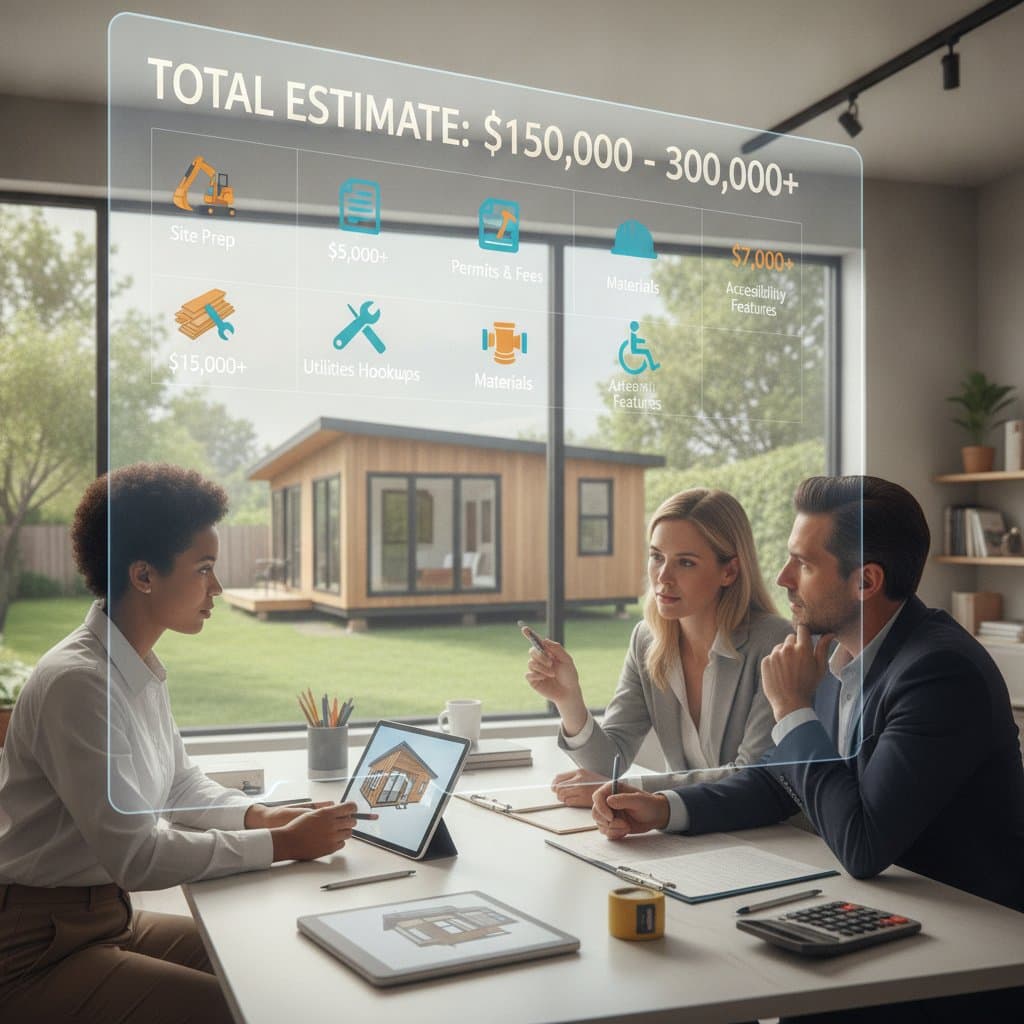
Total ADU costs vary based on size, design complexity, materials, and site conditions. In typical markets, homeowners anticipate a range that accounts for structure type and finish level. Detached backyard cottages exceed costs of garage conversions or attached units. These detached options demand new foundations, utilities, and exterior finishes.
A comprehensive budget covers the building, site preparation, permits, and utility connections. Homeowners often overlook these elements in initial estimates. Such oversights lead to substantial additions in total expenses. Accurate scoping of work during planning avoids later financial surprises.
Key Cost Components
Break down typical categories to identify expense allocation:
-
Design and Planning
Architectural fees encompass layout development, structural engineering, and permit drawings. Custom designs exceed prefabricated plans in cost, yet they integrate seamlessly with existing homes and yards. This phase represents approximately 5 to 10 percent of the total project budget. -
Permits and Fees
Local jurisdictions impose specific requirements. Budget for building permits, utility connection fees, and potential impact fees. Certain areas offer reductions for ADUs under 500 square feet or those designated for family use. Review regulations at the outset to identify applicable incentives. -
Site Preparation
Tasks such as grading, tree removal, and utility trenching impact costs significantly. Properties with flat terrain and straightforward access incur lower preparation expenses. Sloped sites or constrained urban lots demand additional engineering and equipment. -
Construction
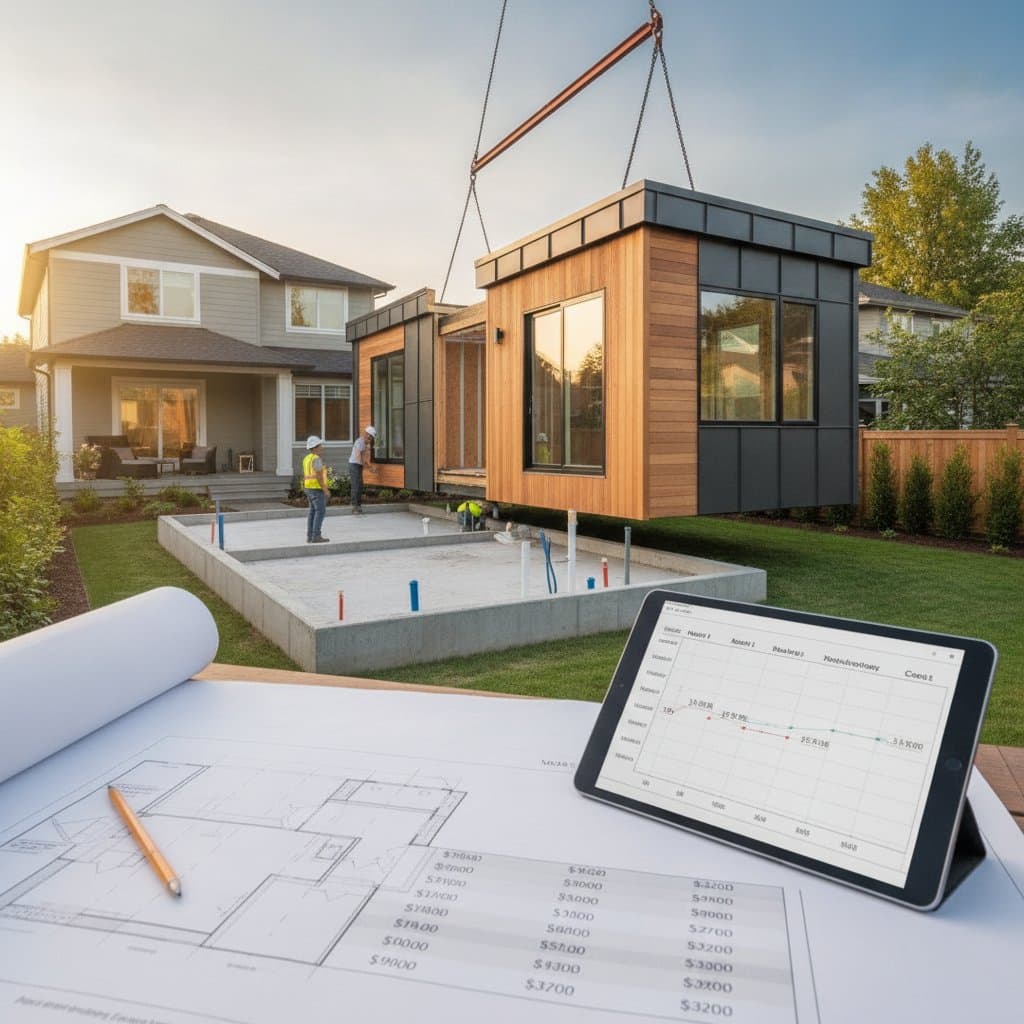
Elements like framing, roofing, siding, insulation, and interior finishes constitute the bulk of the budget. Select materials strategically: fiber cement siding, metal roofing, and energy-efficient windows elevate initial outlays but lower long-term maintenance. Prefabricated or modular ADUs accelerate timelines and curb labor expenses, provided skilled crews handle delivery and assembly. -
Utilities and Systems
Electrical, plumbing, and HVAC installations hinge on proximity to the main house and service capacity. Panel upgrades or sewer line extensions increase expenditures. Verify utility access during design to anticipate these needs. -
Interior Finishes
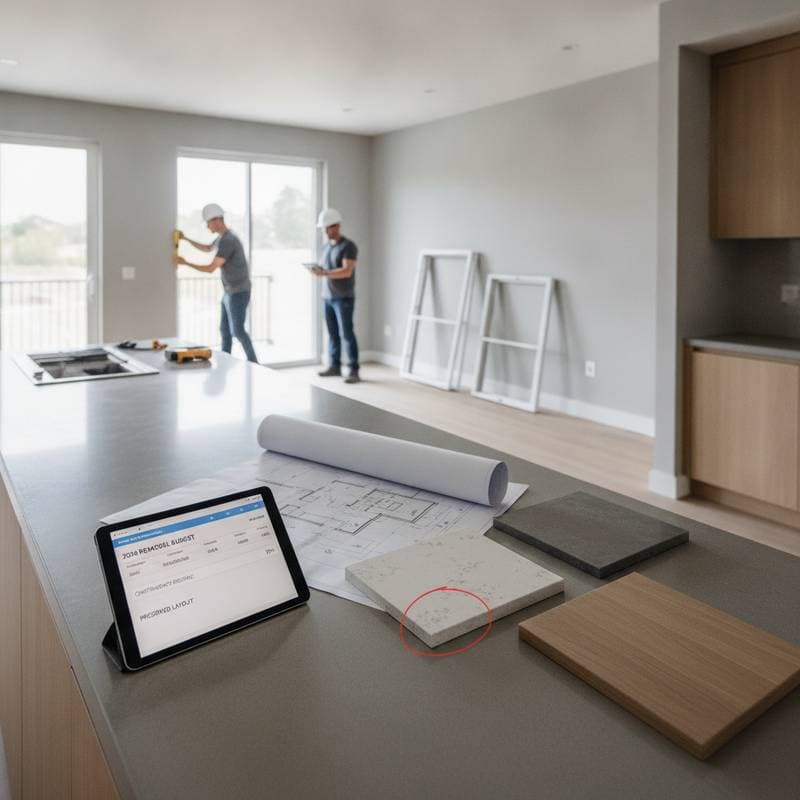
Options for flooring, cabinetry, countertops, and fixtures span a broad price spectrum. Opt for durable selections suited to compact living spaces. Compact kitchens with efficient storage solutions achieve cost-effectiveness alongside comfort.
Cost by ADU Type
ADU types differ in construction approach and expense profile.
-
Garage Conversion ADU: This approach proves most economical when foundations and walls exist. Expenses remain modest if the garage stands in solid condition with nearby utilities. Typical costs range from $50,000 to $100,000, depending on required modifications.
-
Attached ADU: Additions linked to the primary residence cost more than conversions but less than detached builds. Shared walls, rooflines, and utilities trim certain outlays. Budget $150,000 to $250,000 for these configurations.
-
Detached Backyard Cottage: Standalone units deliver privacy and versatility at the highest price point. Full ground-up construction drives expenses to $200,000 or more. These ADUs hold strong potential for rental revenue and property appreciation.
Size and Layout Influence
Unit size correlates directly with price. Compact designs minimize materials and labor, though they require precise space utilization. Larger ADUs enhance functionality and comfort at elevated construction and utility costs.
Studio or one-bedroom layouts balance affordability with practicality. Two-story designs expand square footage without enlarging the footprint. However, added structural reinforcements and accessibility features may increment expenses by 15 to 20 percent.
Material and Style Choices
Exterior materials determine aesthetics and longevity. Consider these siding options:
- Fiber Cement: Offers low maintenance, fire resistance, and diverse colors and textures.
- Wood Lap or Shingle: Provides a warm, traditional aesthetic but necessitates periodic sealing or painting.
- Stucco: Delivers a smooth finish for modern or southwestern designs, though it risks cracking from soil shifts.
- Metal Panels: Suits contemporary styles with exceptional durability and minimal maintenance.
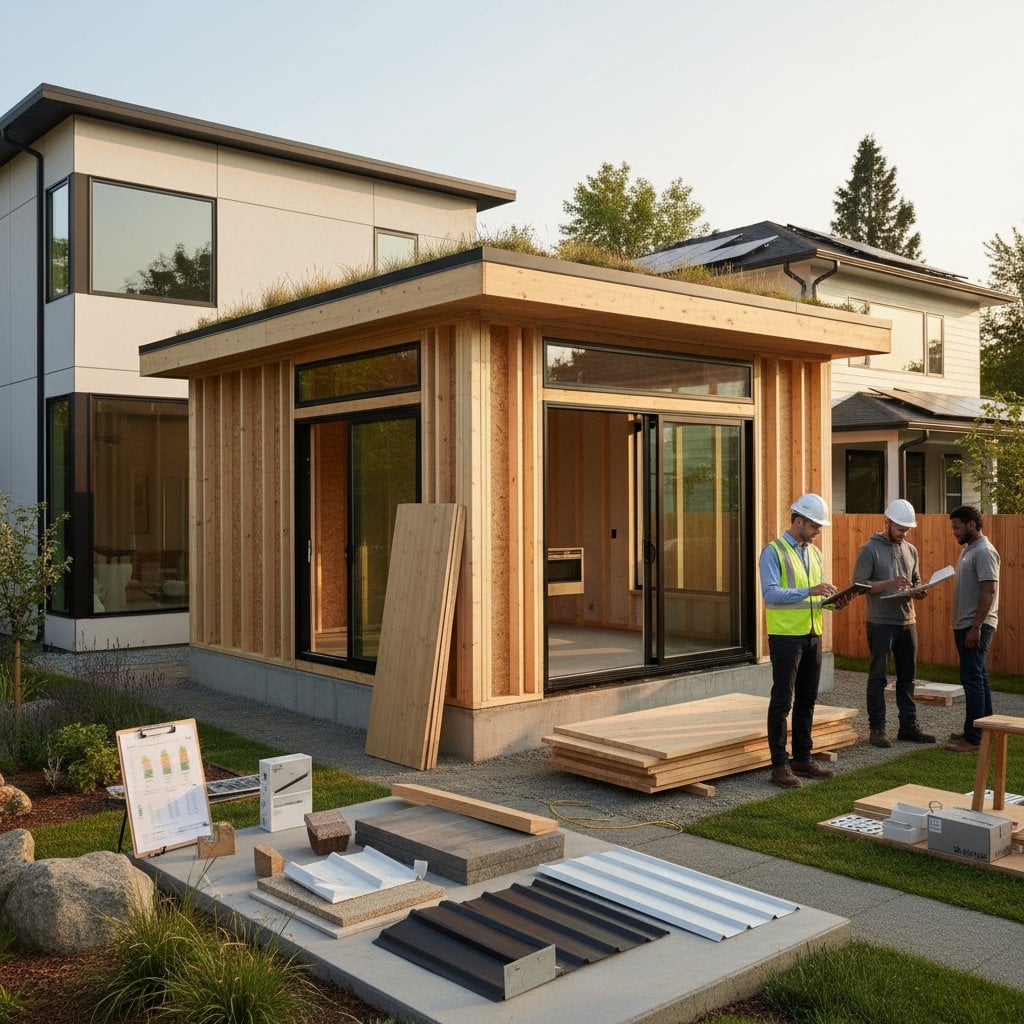
Roofing selections range from economical asphalt shingles to enduring standing seam metal roofs. The latter excels in heat reflection for sunny regions. Align trim colors, window styles, and doors with the main house to preserve cohesive curb appeal.
Regional and Site Factors
Climate, soil composition, and access influence expenditures. Colder areas necessitate enhanced insulation and heating systems. Coastal or windy zones require robust framing and corrosion-resistant materials.
Urban properties with restricted equipment access elevate labor charges. Existing backyard utilities reduce trenching needs and associated fees. Absent such infrastructure, allocate funds for comprehensive groundwork.
Long-Term Value
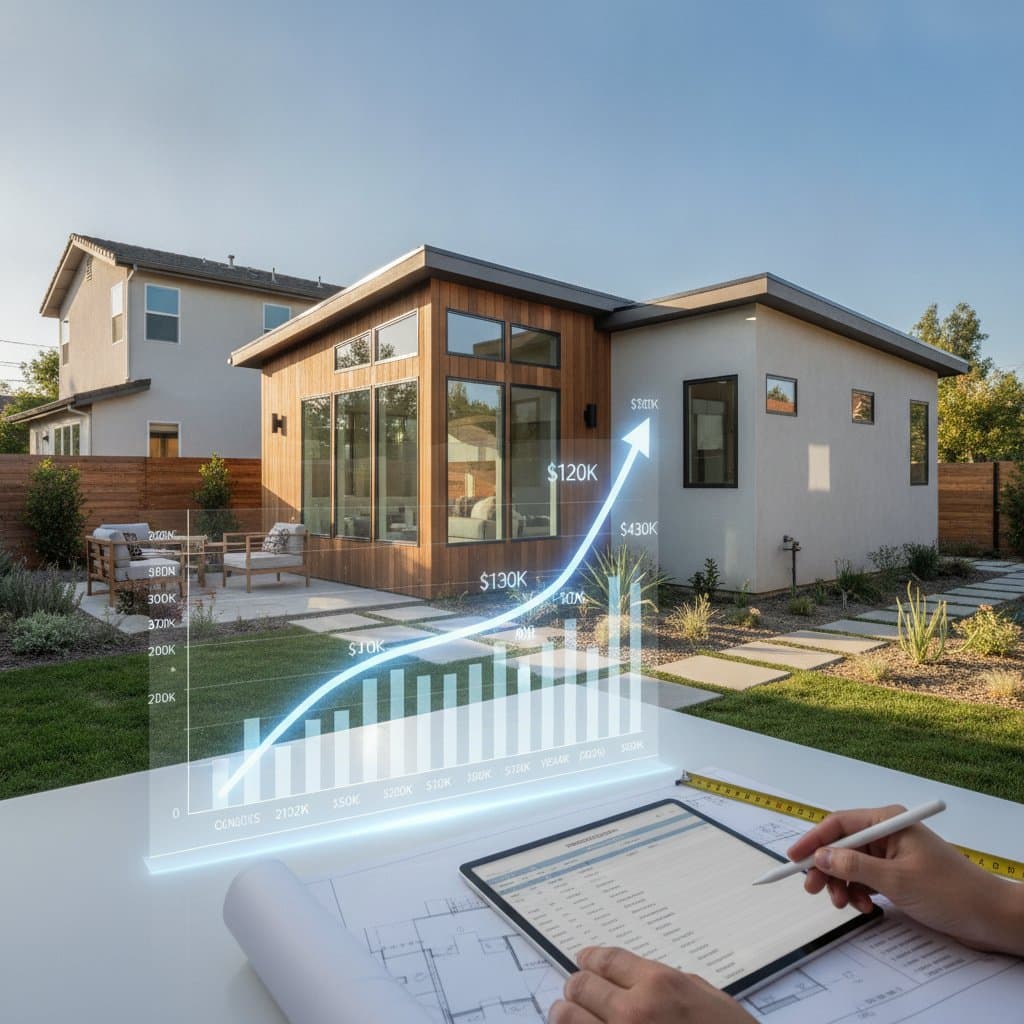
ADUs boost property worth and generate income streams. Rental yields recoup construction costs within 5 to 10 years in high-demand markets. Multigenerational setups benefit from added living space with preserved independence.
Energy-efficient builds cut ongoing utility expenses. Resilient finishes limit repair demands. These attributes amplify return on investment over the asset's lifespan.
Cost-Saving Tips
Implement these strategies to control spending while upholding standards:
- Adopt a compact footprint and open floor plan to lessen material and labor demands.
- Leverage existing structures, like garages or basements, for conversions.
- Select mid-tier finishes that combine aesthetics with resilience.
- Map utility paths during planning to prevent mid-project alterations.
- Solicit bids from multiple contractors and confirm their ADU expertise.
Homeowners adept in basic tasks may handle non-structural finishes, such as painting or flooring installation. Professionals must manage framing, electrical, and plumbing elements to ensure compliance and safety.
Outline Your ADU Project Goals
Define objectives early, such as rental generation, family housing, or value enhancement. Engage builders specializing in compact constructions for precise estimates. Evaluate designs compatible with your site's layout and zoning constraints.
A thoughtfully executed ADU merges utility, ease, and design. Through meticulous planning and budgeting, this backyard cottage emerges as a enduring enhancement to home flexibility and worth.