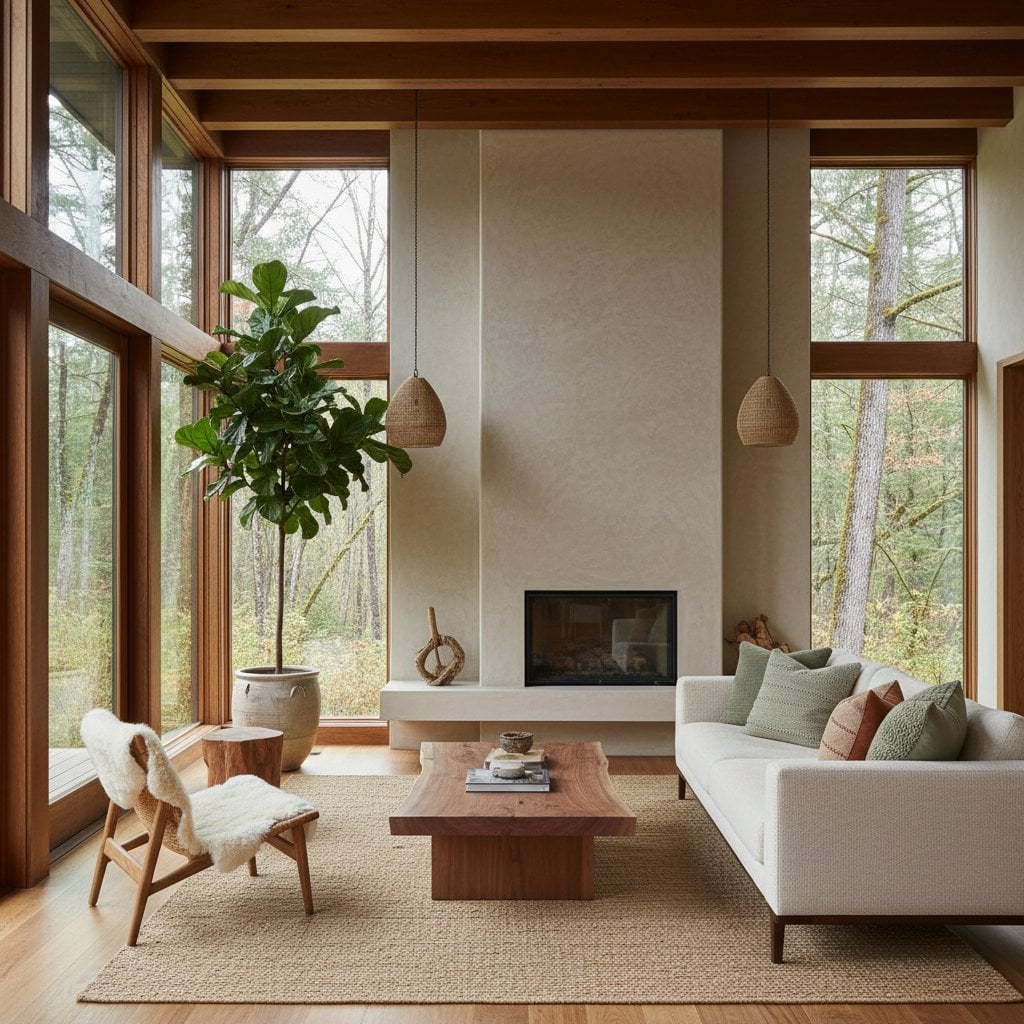
Natural Materials That Elevate Biophilic Home Wellness
Bringing natural materials into your home design helps you create a space that feels calm, balanced, and connected to the outdoors. This approach, known as biophilic design, uses the textures, colors, and patterns of nature to support wellness. Choosing materials that reflect the natural world can transform your home into a place that nurtures both body and mind.
Understanding the Biophilic Principle
Biophilic design centers on the idea that humans thrive when surrounded by nature. It draws from shapes, materials, and sensory experiences found in the environment. Natural materials such as wood, stone, clay, and plant fibers can reduce stress, support healthy indoor air quality, and create a sense of authenticity.
The goal is to design spaces that feel alive and grounded, not sterile or artificial. When selecting materials, consider how they look, feel, and age over time. A surface that changes subtly with use or light variation adds character and visual depth.
Warmth and Comfort with Natural Wood
Wood is one of the most versatile materials for creating a biophilic environment. Its organic grain patterns and warm tones work well in nearly any architectural style. Wood introduces warmth and tactile variety.
Studies show that natural wood finishes can lower stress and foster relaxation. The visible grain connects interior spaces to forest landscapes, even in urban settings. Use oak or walnut for flooring and cabinetry to add depth and richness.
Choose light maple or birch for modern, airy interiors. Combine wood with soft textiles like cotton or wool to balance texture and comfort. Rustic beams in a farmhouse kitchen, cedar paneling in a bathroom, or a reclaimed wood feature wall all create visual interest and a grounded atmosphere.
Timeless Texture with Natural Stone
Stone brings permanence and texture to a home. Each piece has unique color variations that catch light differently throughout the day. Stone carries a sense of stability and calm.
It provides a tactile contrast to smooth surfaces and can regulate temperature by absorbing and releasing heat slowly. Use limestone or travertine for flooring in living areas. Add granite or soapstone to kitchen counters for durability.
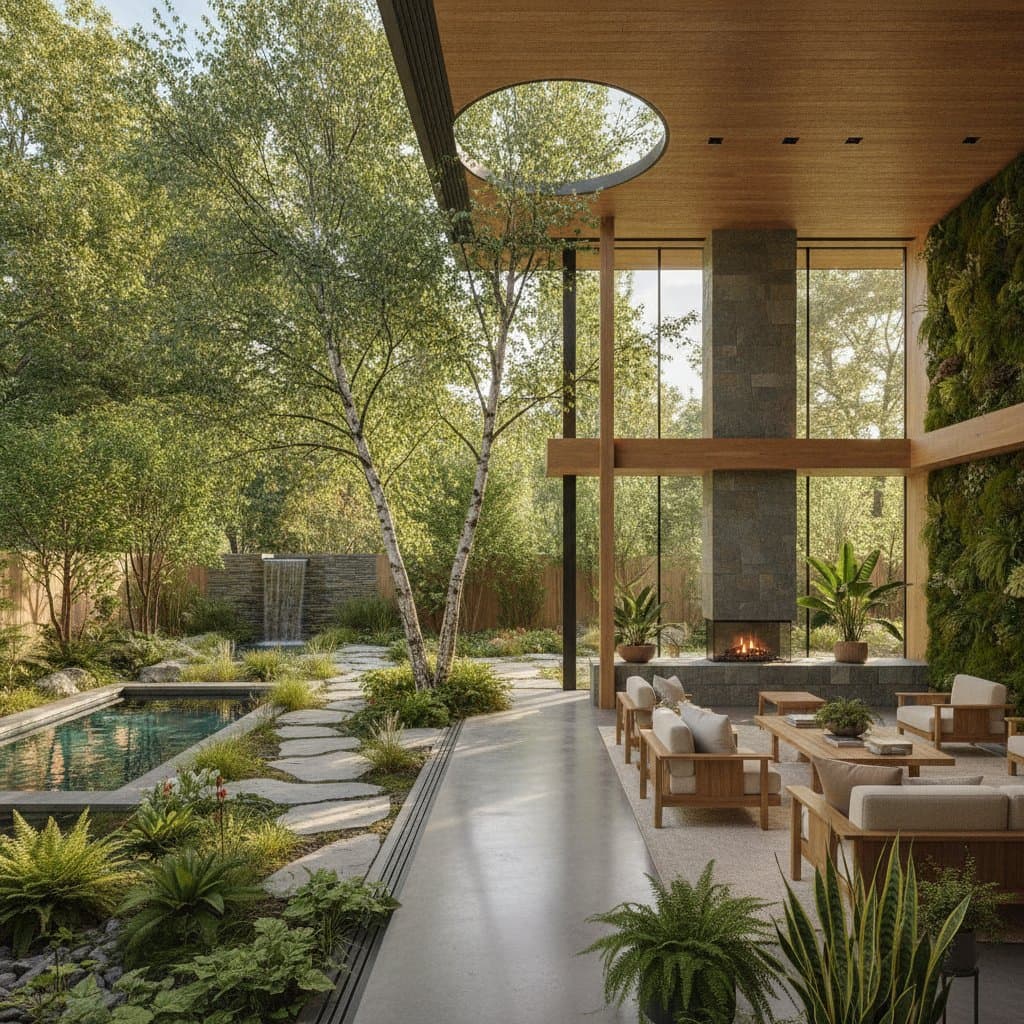
Combine with warm wood cabinetry or brushed metal fixtures to balance cool and warm tones. A slate fireplace surround or a marble entryway floor can anchor the design while adding natural elegance.
Organic Elegance with Clay and Plaster
Clay-based materials bring a refined, earthy quality to walls and finishes. They create soft light diffusion and a natural matte texture. Clay and lime plasters help regulate indoor humidity and improve air quality.
Their subtle color variations mimic natural surfaces like sand or stone, which makes rooms feel more restful. Use lime plaster in living spaces for a smooth, breathable surface. Try earth plaster in natural tones such as soft beige, terracotta, or gray-green.
Pair with wood trim or stone accents for a cohesive palette. A clay-plastered wall behind a wooden headboard or in a reading nook creates a calming visual rhythm that invites relaxation.
Renewal and Freshness with Natural Fibers
Textiles from natural sources help soften the look of structural materials while maintaining a connection to nature. Fibers such as cotton, linen, hemp, and wool breathe better than synthetics. They provide texture and warmth without feeling heavy.
Their organic irregularities add depth and authenticity. Use linen drapery to filter natural light. Choose wool rugs for underfoot comfort and insulation. Add jute or seagrass mats in entryways for a natural transition from outdoors to indoors.
A wool throw on a wood bench or linen cushions on a stone window seat can make the space feel balanced and welcoming.
Grounded Beauty with Natural Clay Tile
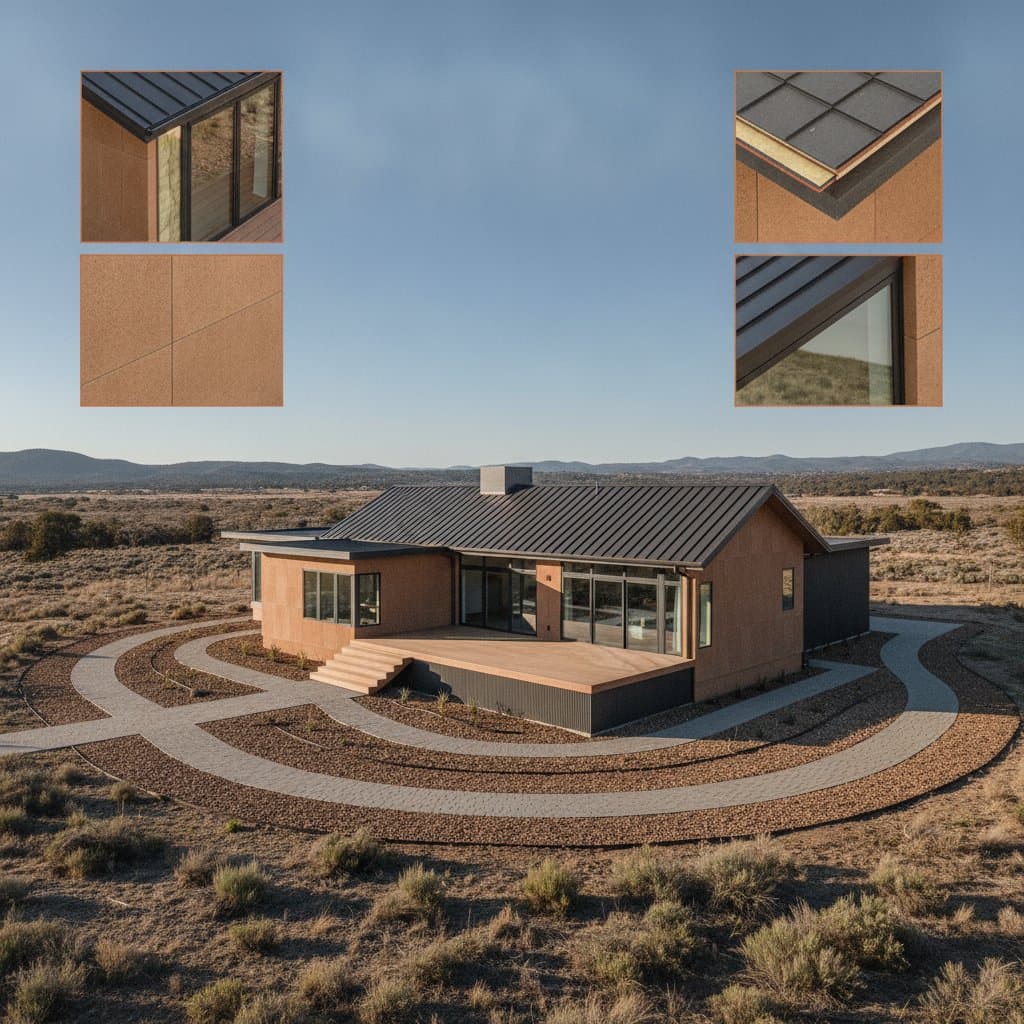
Clay tiles have been used for centuries for their durability and visual warmth. They can suit both modern and traditional homes. The earthy tones and natural finish of clay tile bring depth and character to floors, backsplashes, or exterior walkways.
Their subtle imperfections reflect the handmade quality that defines biophilic design. Choose terracotta for a Mediterranean feel. Combine glazed clay tiles with matte finishes for visual variety.
Pair with neutral walls and wood furniture to highlight the tile color variations. Terracotta tiles in a sunroom or clay pavers on a patio create continuity between indoor and outdoor spaces.
Living Green with Plants and Natural Textures
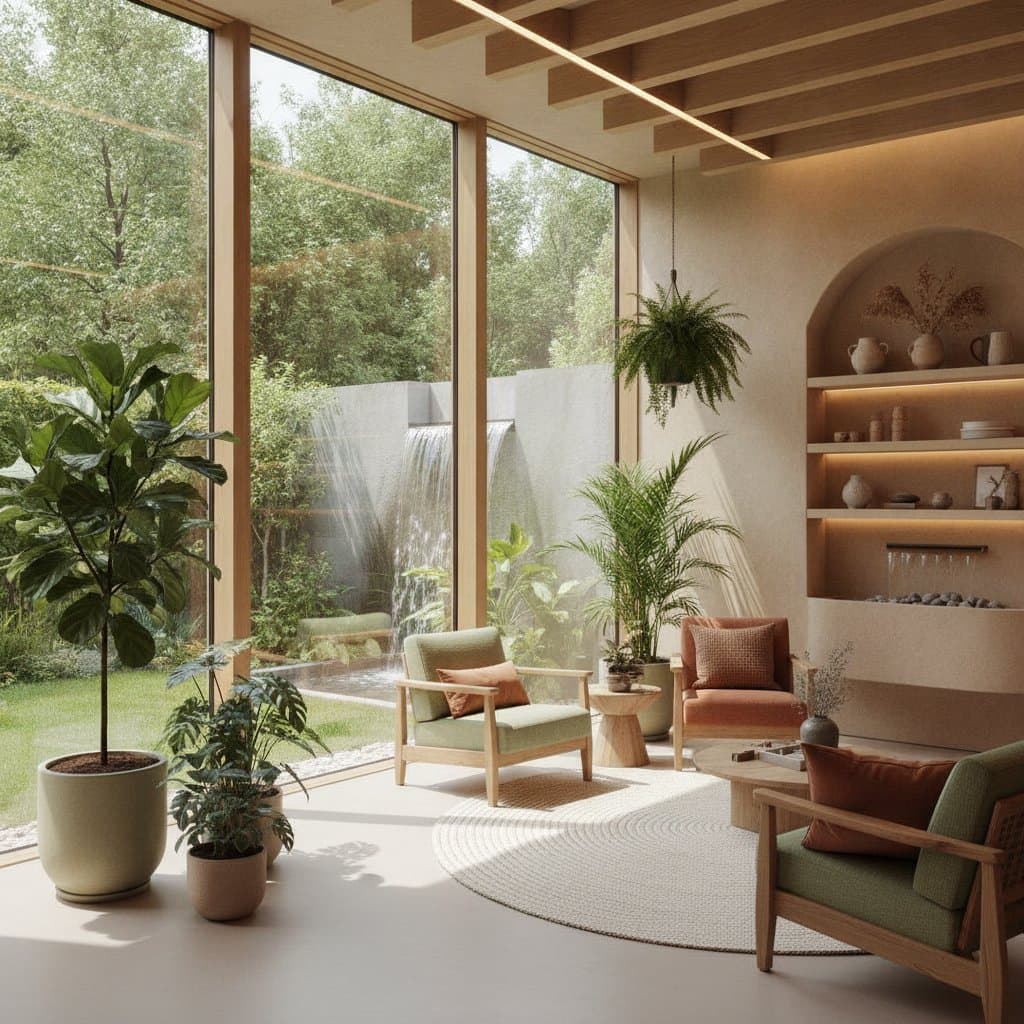
Plants are a direct expression of biophilic design. They add life, texture, and subtle movement to a space. Greenery improves air quality, reduces stress, and enhances visual harmony.
Natural textures like rattan, bamboo, or cork support this effect by reinforcing organic patterns. Use rattan furniture or bamboo shades to complement indoor plants. Add cork wall panels for sound absorption and a warm tone.
Place potted herbs in the kitchen or ferns in bathrooms for freshness. A living wall in the dining area or a bamboo light fixture over a wood table invites a continuous sense of nature indoors.
Subtle Strength with Metal Accents
Metals such as copper, brass, and iron can enhance natural materials and reflect light in appealing ways. Natural-finish metals patina over time, adding character. They serve as a contrast to wood and stone, helping to define structure without overpowering softness.
Use copper fixtures with marble or limestone for warmth. Combine brushed brass with oak cabinetry for a timeless look. Introduce wrought iron details in railings or window frames to ground the space.
A copper sink paired with stone counters or iron stair rails beside wood treads can highlight craftsmanship and natural form.
Practical Considerations for Wellness-Focused Building
When designing a home with natural materials, think about maintenance, sourcing, and performance. Reclaimed or locally sourced materials reduce environmental strain and add authenticity. Finishes should be non-toxic and breathable to maintain indoor air quality.
Natural oils, waxes, or water-based sealers are safer alternatives to chemical coatings. Color temperature matters too. Warm neutrals drawn from stone or sand create comfort, while greens and blues connect you to nature calm palette.
Balance light and shade to prevent glare and highlight texture. Natural light enhances the beauty of organic materials, emphasizing grain, tone, and shadow.
Integrating Natural Elements Daily
Building or renovating with natural materials supports health, comfort, and a meaningful connection to the environment. Each surface tells a story of origin and transformation. Select one material to introduce this week and observe how it shifts the feel of your space over time.