Understanding Aging-in-Place Remodels in 2025
Aging in place allows individuals to remain in their homes as they age, enhancing comfort and independence. Remodels focus on accessibility features that reduce fall risks and simplify daily tasks. In 2025, costs range from $9,000 for basic updates to $75,000 for comprehensive transformations, influenced by home size, location, and customization.
These projects blend functionality with aesthetics, ensuring homes support long-term living. Homeowners benefit from increased safety and property value. Planning involves assessing needs and consulting professionals early.
Cost Breakdown for Common Upgrades
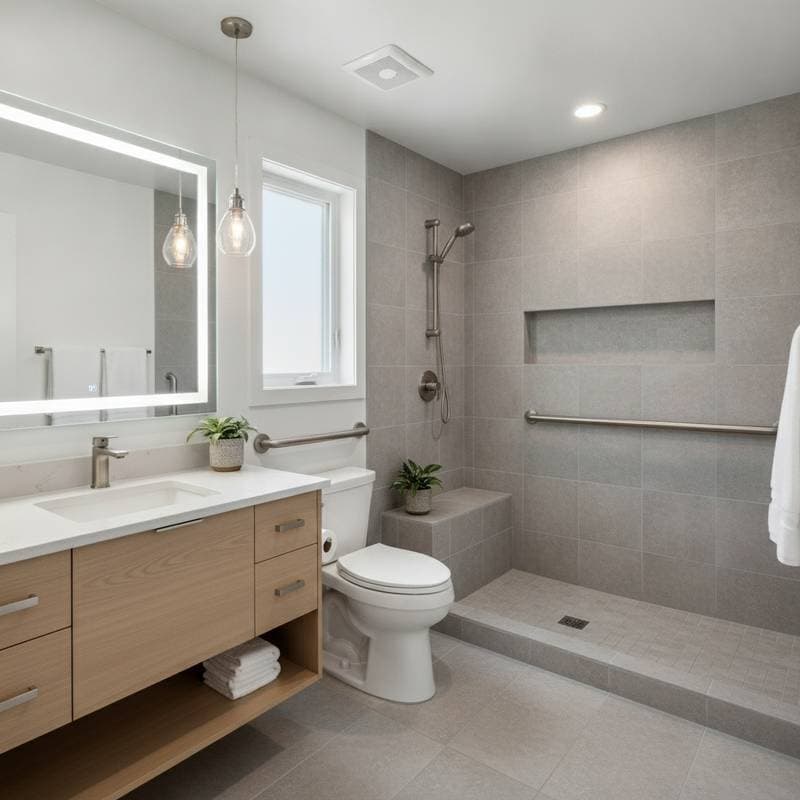
Basic modifications start at the lower end of the spectrum. For instance, installing grab bars in bathrooms and hallways costs around $9,000. This package includes reinforced mounting hardware and non-slip flooring accents in high-traffic areas.
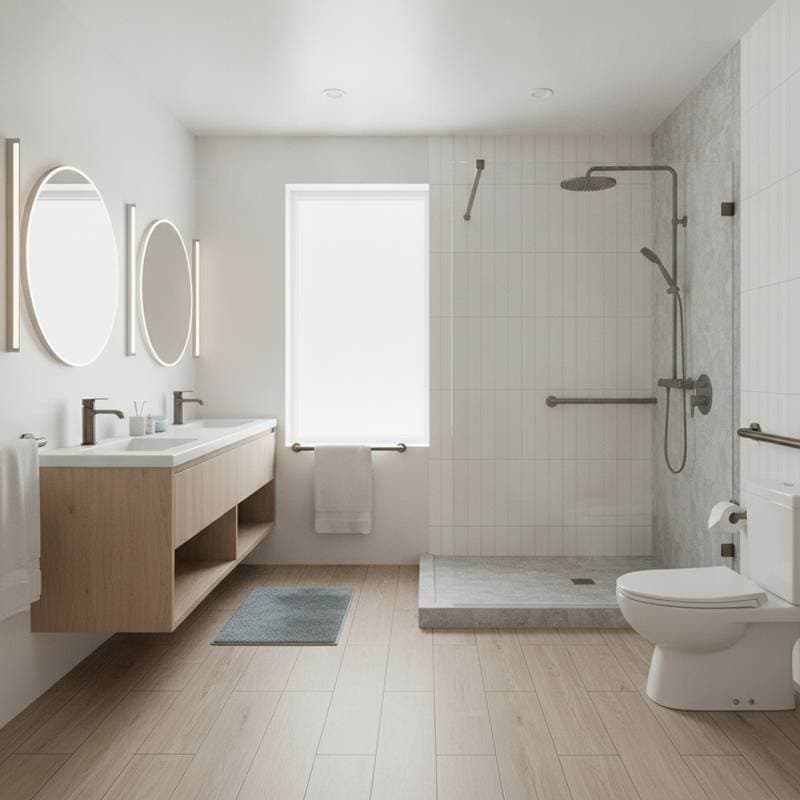
Grab bars provide essential support during transfers, while lever-style door handles replace knobs for easier operation. These changes require minimal disruption, often completing within a week. Labor accounts for 40 percent of this budget, with materials covering the rest.
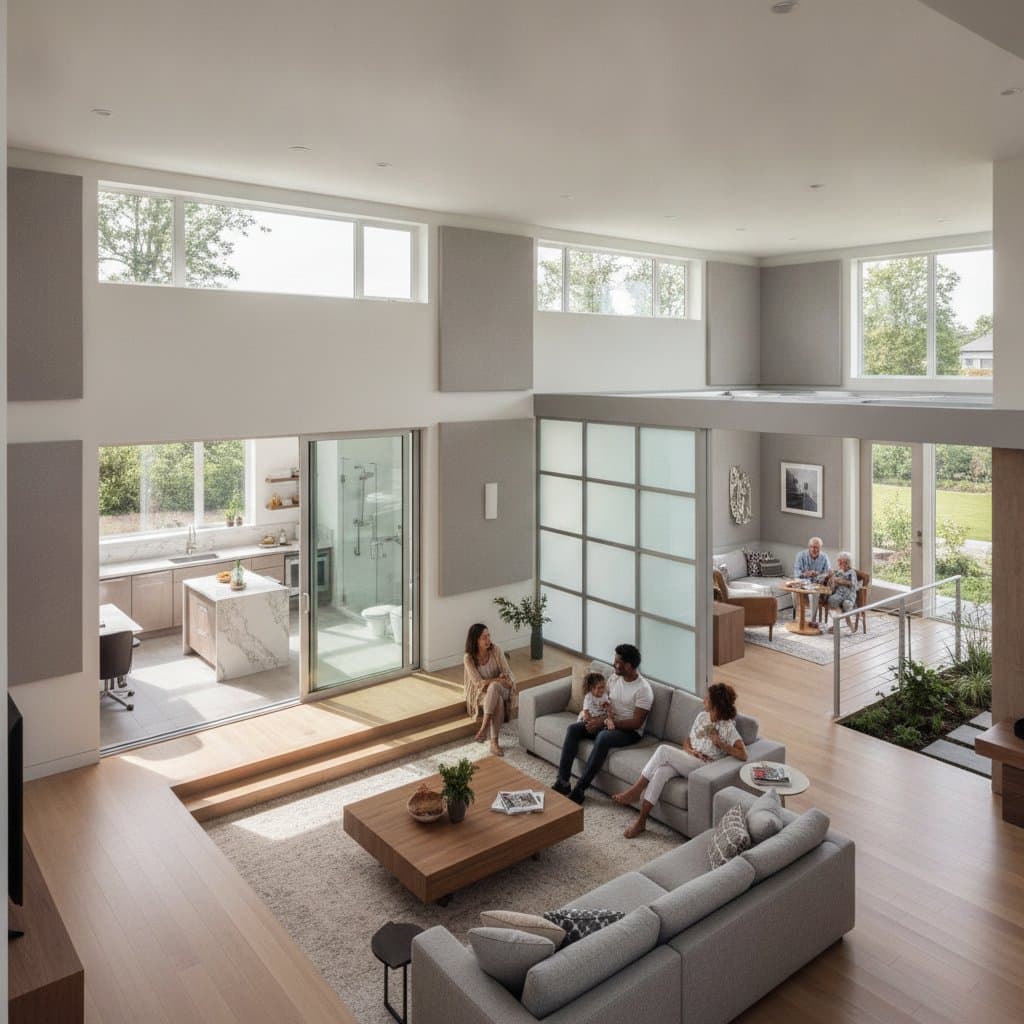
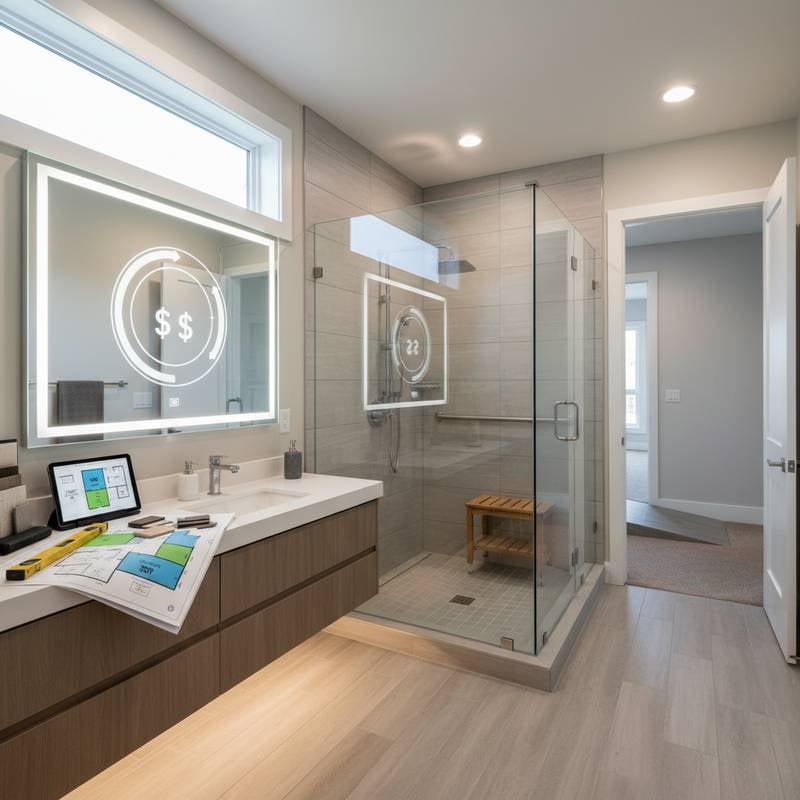
Mid-range remodels, priced at $25,000 to $40,000, expand to kitchen and entryway enhancements. Widening doorways to 36 inches accommodates wheelchairs, and adding a walk-in shower eliminates tub-step hazards. Countertops lower to 34 inches support seated cooking.
These upgrades incorporate universal design principles, benefiting all household members. Electricians update outlets for easier reach, and carpenters frame ramps at subtle inclines. Regional labor rates vary, with urban areas adding 20 percent to totals.
Full-home conversions reach $75,000, transforming multiple rooms for complete accessibility. Elevators or stairlifts serve multi-level homes, while main-floor master suites relocate sleeping areas. Smart home integrations, like voice-activated lighting, enhance usability.
Structural assessments ensure load-bearing walls support additions. Plumbing reroutes create zero-threshold entries, and HVAC systems adjust for consistent temperatures. These extensive projects span several months, yielding homes that adapt to evolving needs.
Factors Influencing 2025 Pricing
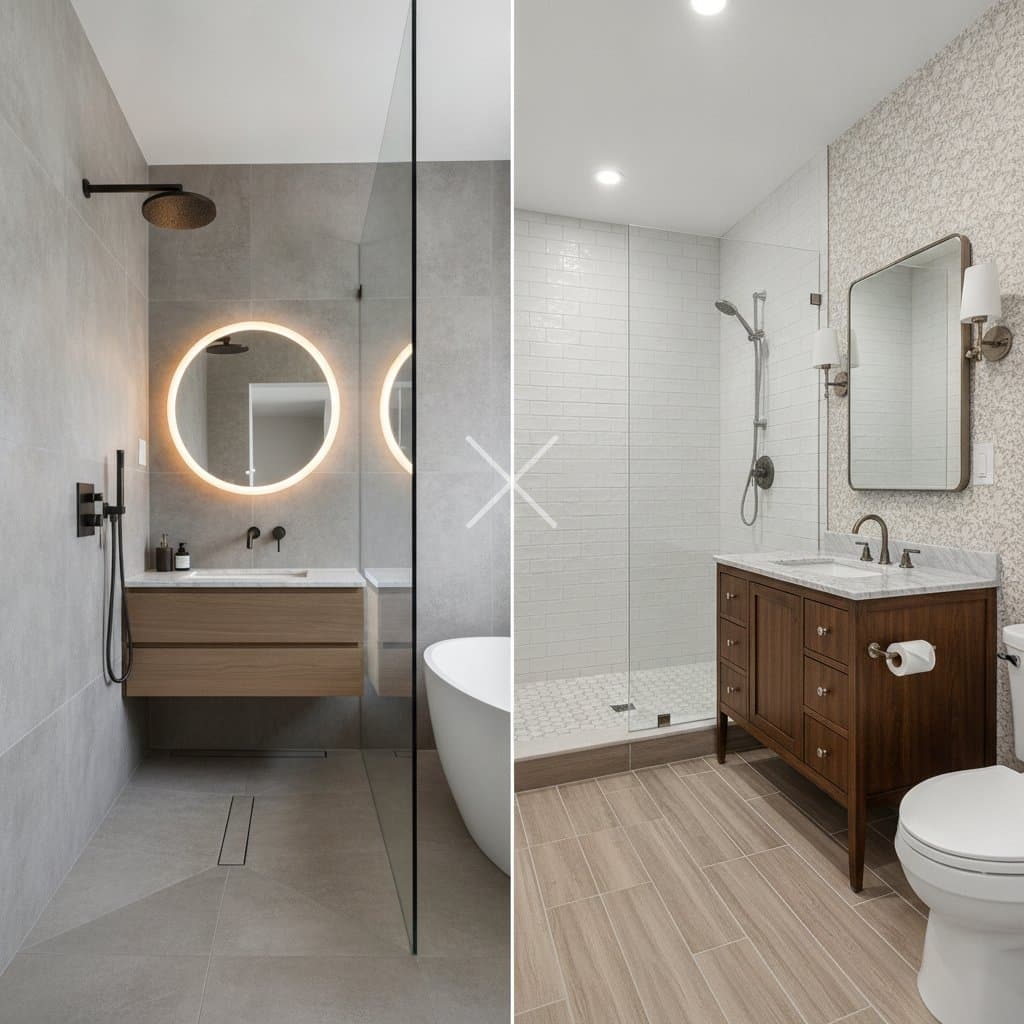
Material selections drive significant variations. Sustainable options, such as bamboo flooring, cost 15 percent more than vinyl but offer durability. Custom cabinetry with pull-out shelves elevates expenses over stock units.
Labor shortages in skilled trades push rates upward by 10 percent from 2024. Certified aging-in-place specialists command premiums for their expertise in ADA-compliant designs. Permits and inspections add $1,500 to $3,000, depending on local codes.
Home specifics play a key role. Older structures demand foundation reinforcements, increasing budgets by 25 percent. Geographic factors, like coastal humidity, require corrosion-resistant fixtures. Inflation on supplies, projected at 4 percent, further impacts estimates.
Energy-efficient features, including LED lighting and insulated windows, qualify for rebates. These reduce long-term utility costs while meeting green building standards. Detailed quotes from multiple contractors reveal hidden fees early.
Planning Your Budget Effectively
Start with a professional evaluation to identify priorities. Occupational therapists assess mobility challenges, guiding feature selections. This step prevents over-investing in unused elements.
- List essential modifications based on current health.
- Obtain three bids from licensed remodelers.
- Allocate 15 percent contingency for surprises.
- Explore financing options like home equity loans.
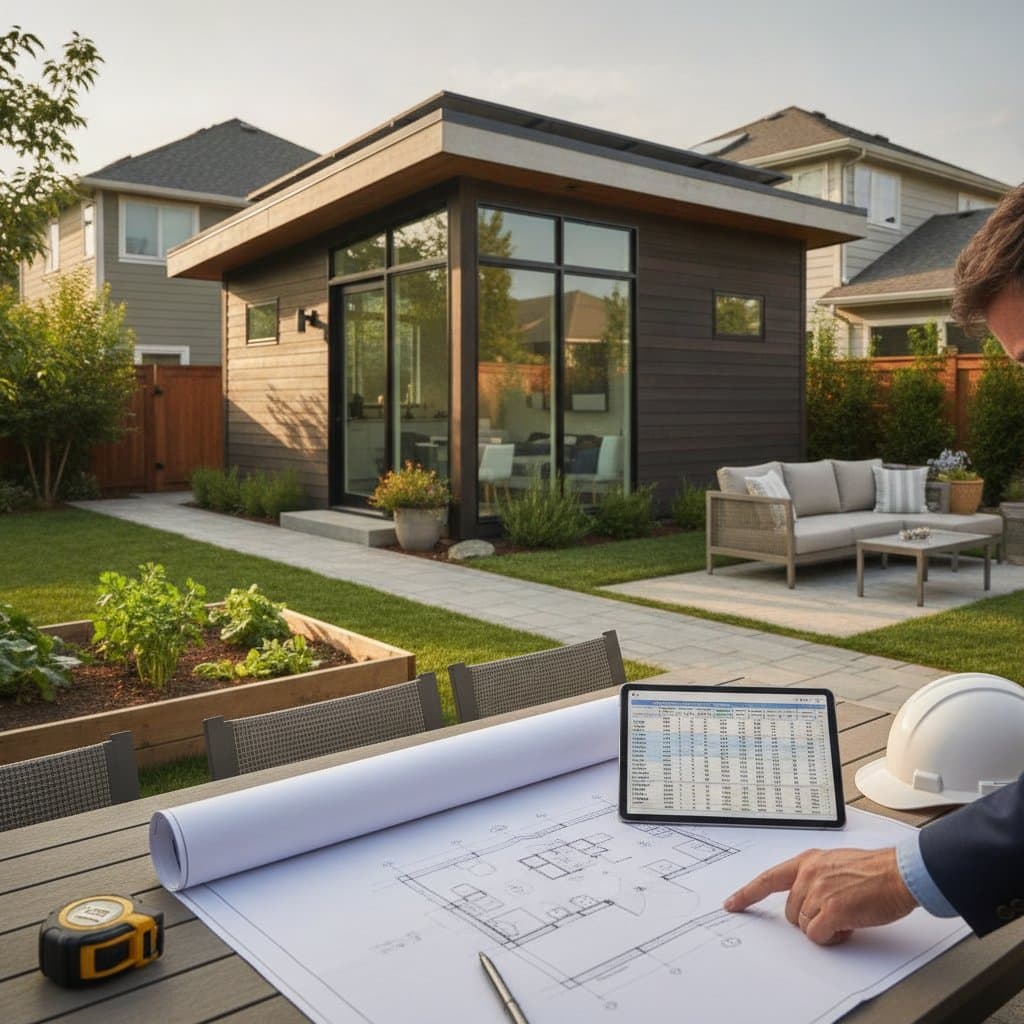
- Track expenses with spreadsheets for transparency.
Phased approaches spread costs over time. Begin with safety essentials, then add conveniences. Tax credits for medical necessities offset up to 20 percent of expenses.
Savings Strategies and Return on Investment
Bulk purchasing through designer showrooms cuts material costs by 10 to 20 percent. DIY tasks, like painting accent walls, save on labor if within skill limits. Seasonal promotions from suppliers align with project timelines.
ROI materializes in multiple ways. Accessible homes sell 15 percent faster, with values rising by $20,000 on average. Insurance premiums drop due to reduced liability risks. Long-term care savings accumulate as independence extends.
Achieving Long-Term Home Comfort
Successful remodels prioritize user input throughout design. Regular maintenance preserves investments, ensuring features function reliably. These adaptations create sanctuaries that evolve with life stages, promoting dignity and ease.