Streamlined 2026 ADU Permit Rules Accelerate Approvals for Homeowners
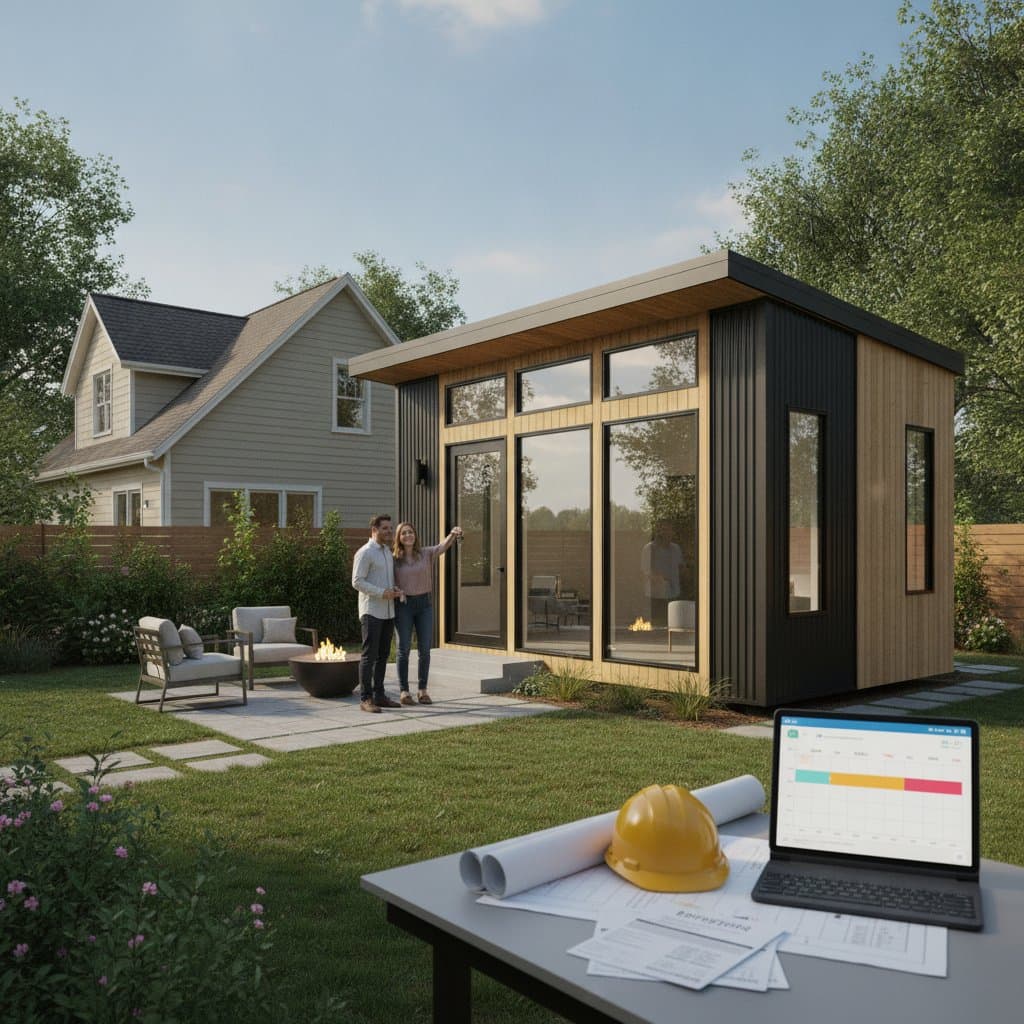
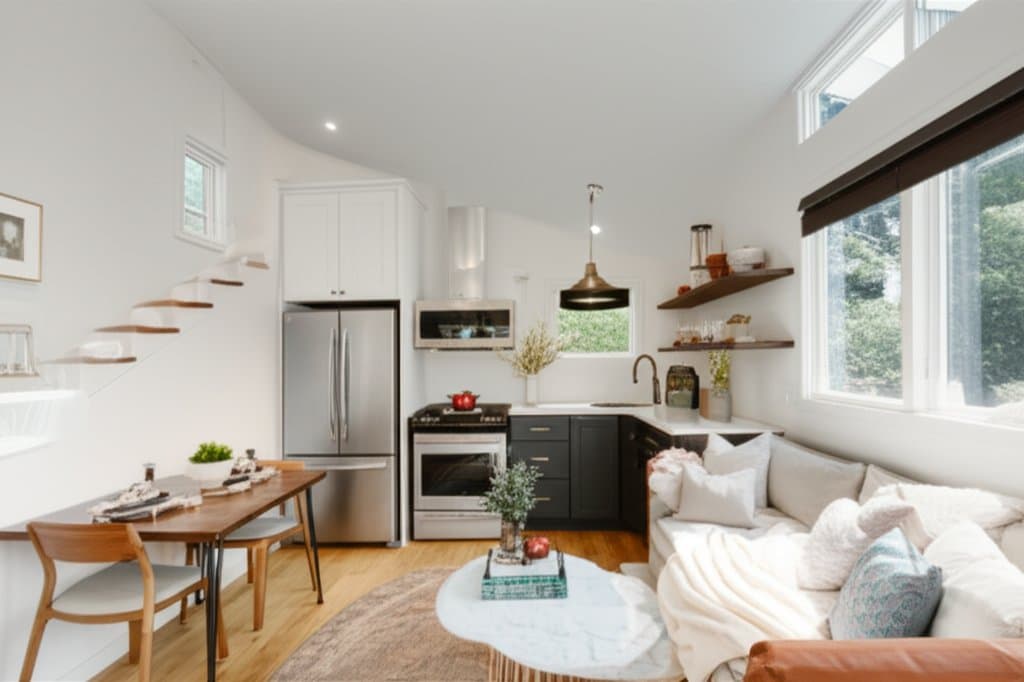
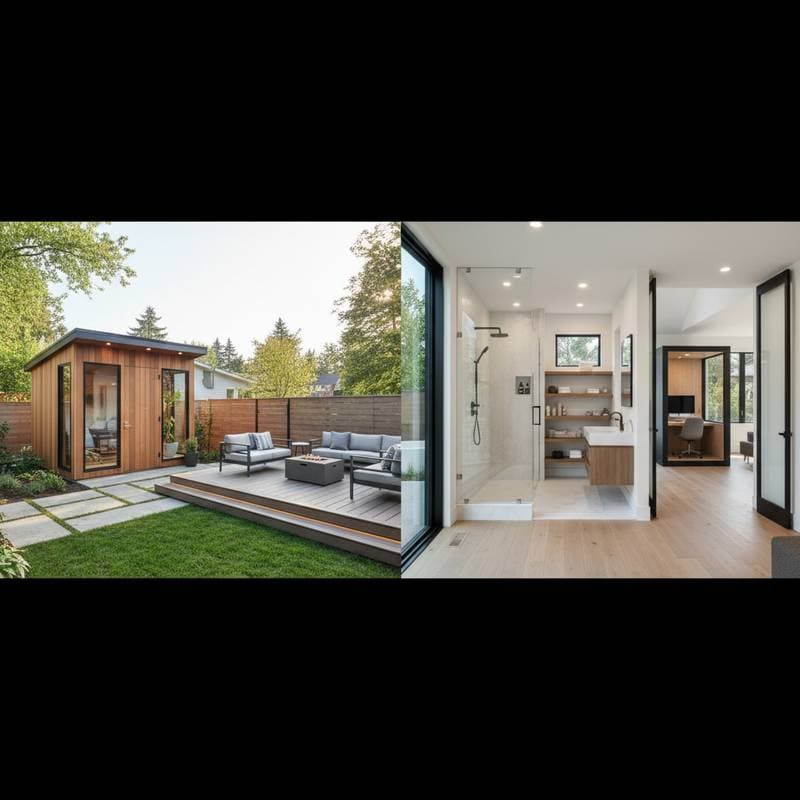
Accessory dwelling units, known as ADUs or backyard cottages, provide homeowners with expanded living options and increased property value. Recent 2026 regulatory updates mandate that cities and counties process ADU permits within defined timelines, addressing previous delays that deterred many projects. These changes promote housing density, simplify bureaucratic steps, and offer greater certainty for builders and owners.
Permit Cost Overview
ADU permit fees typically range from $1,500 to $8,000, influenced by local regulations, project intricacy, and scale. Homeowners allocate approximately $4,000 for the permitting stage prior to construction. Key expenses include:
- Application processing and plan examinations
- Evaluations for structural integrity and zoning compliance
- Assessments for utility integrations
- Fees for architects or consultants when expertise is required
Although the updates emphasize efficiency, they also curb indirect costs from prolonged waits, such as escalated labor rates and repeated design adjustments.
Essential Changes and Benefits
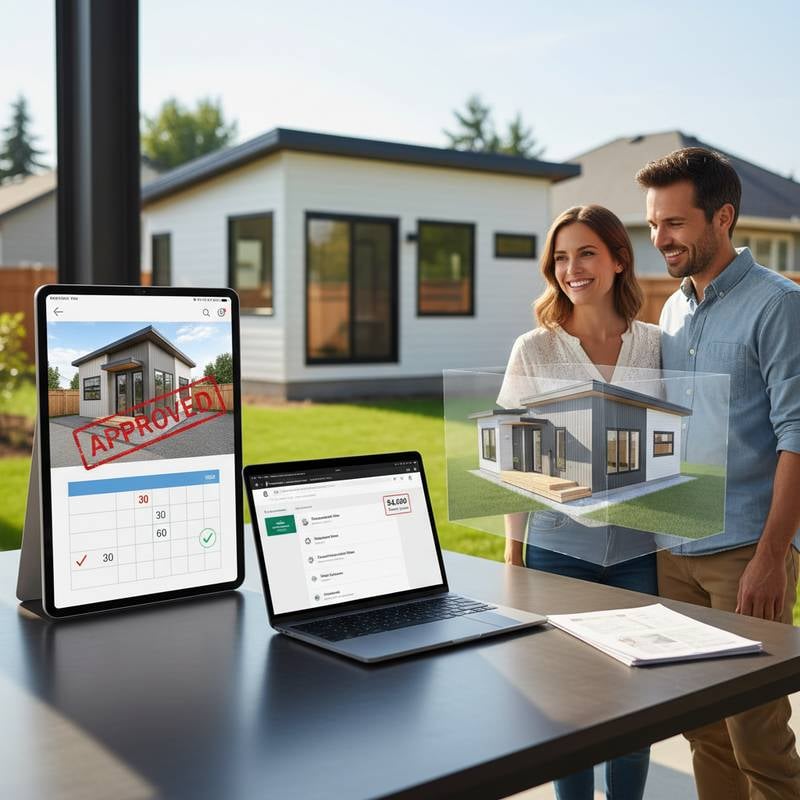
Local governments face enforced deadlines for ADU reviews, ensuring applications receive prompt attention. Homeowners encounter fewer iterative exchanges with planning offices, streamlining communication. Many jurisdictions now endorse standardized blueprints, which cut design expenditures. Electronic filings and digital approvals have become standard, facilitating remote submissions. While fees hold steady, abbreviated timelines translate to overall savings on project duration.
Permit Fees by ADU Scale and Configuration
Fees correlate less directly with size than construction budgets do, yet expansive or intricate designs prompt supplementary scrutiny. Consider these breakdowns:
- Compact studio ADU (under 500 square feet): $1,500 to $3,000
- Single-bedroom ADU (500 to 800 square feet): $2,500 to $5,000
- Two-bedroom or standalone cottage (over 800 square feet): $4,000 to $8,000
Garage conversions or attached units often bypass extensive structural checks compared to detached structures, further expediting reviews.
Engaging Professionals for Permitting
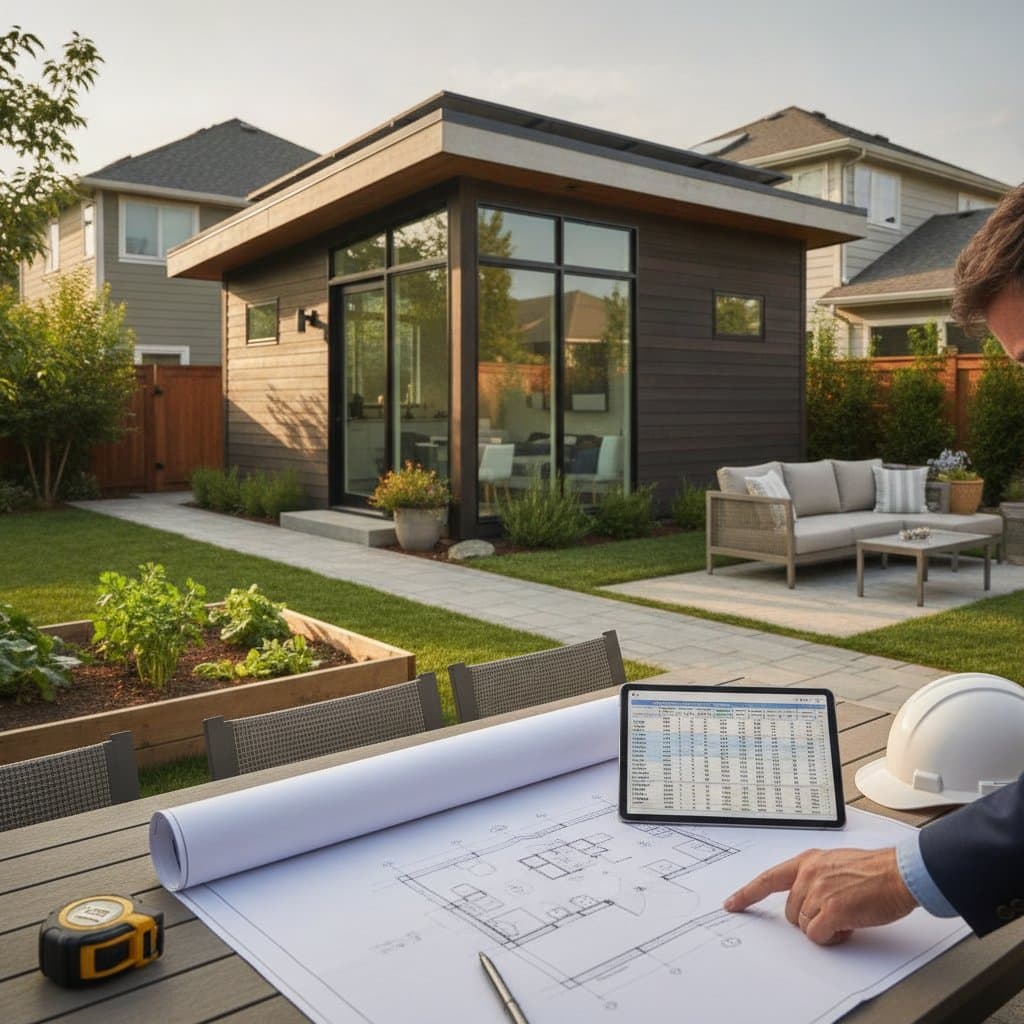
Retaining a contractor or permitting specialist incurs an additional $500 to $2,000, yet accelerates the process significantly. Experts navigate zoning nuances and preempt submission errors. Self-managed permitting conserves service charges but demands meticulous preparation to evade extended reviews from incomplete documentation.
Individuals handling their own applications must anticipate potential revisions and swift responses to departmental feedback. Licensed professionals manage these interactions, maintaining momentum and minimizing disruptions.
Influences on Costs and Timelines
Multiple elements shape permit expenses and processing speed:
- Design Intricacy: Nonstandard features like varied roofing or multilevel structures necessitate prolonged evaluations.
- Utility Integrations: New installations for water, sewage, or power lines generate extra charges.
- Zoning Restrictions: Neighborhood-specific rules on setbacks or elevations prolong assessments.
- Specialized Reviews: Sites in historic districts or environmentally sensitive areas require supplemental reports.
The regulations cap agency decision periods, though layered examinations persist for challenging locations. Thorough site analysis remains essential.
Strategies to Minimize Expenses
Homeowners lower permitting outlays through proactive measures:
- Select city-provided preapproved ADU templates to sidestep custom design fees.
- Integrate ADU work with concurrent renovations, such as electrical or plumbing enhancements, for consolidated inspections.
- File plans electronically to eliminate reproduction and delivery expenses.
- Verify zoning alignment early, prior to investing in detailed schematics.
Such preparations avert expensive rework and compress overall timelines.
Investment Potential
A thoughtfully executed ADU boosts property worth by 20 to 35 percent, varying with locale and execution. Rental yields from these units recoup building investments in a few years. Expedited permits enable earlier revenue generation, amplifying financial gains. For resale-oriented builds, prioritize resilient materials, optimized spatial arrangements, and adherence to energy codes.
Data Sources for Cost Estimates
These figures draw from aggregated data across building authorities, contractor estimates, and review records. They encompass routine fees and advisory support but omit build and outfitting costs. Variations occur based on geography, zoning categories, and project magnitude.
Self-Directed Versus Expert-Assisted Permitting
For straightforward attached ADUs or garage adaptations with template plans, self-permiting proves feasible via online portals and guided protocols. Detached builds or those involving utility expansions benefit from professional involvement. Specialists interpret recent code amendments, address technical specifications, and orchestrate examinations. The incremental expense pales against time efficiencies and avoidance of corrective work.
Common Questions
What is the current timeline for ADU permit approvals?
Projects typically clear review in 30 to 60 days, contingent on submission quality and agency capacity.
Is online plan submission available for ADUs?
Affirmative. Most areas accept digital uploads, removing the need for physical visits.
How do these rules impact construction expenses?
Permitting guidelines do not alter direct build costs, but reduced delays prevent inflation in labor and supplies.
What size restrictions apply to ADUs?
Zoning ordinances dictate limits, generally 800 to 1,200 square feet, scaled to parcel dimensions and site conditions.
Launch Your ADU Project with Confidence
These 2026 permit reforms establish reliable frameworks for homeowners seeking additional space or income streams. Assemble comprehensive plans, leverage approved designs, and collaborate with seasoned experts to capitalize on accelerated processes. Quicker approvals lead to prompt construction initiation, diminished holding expenses, and enhanced investment outcomes.