Understanding Delays in ADU Permitting
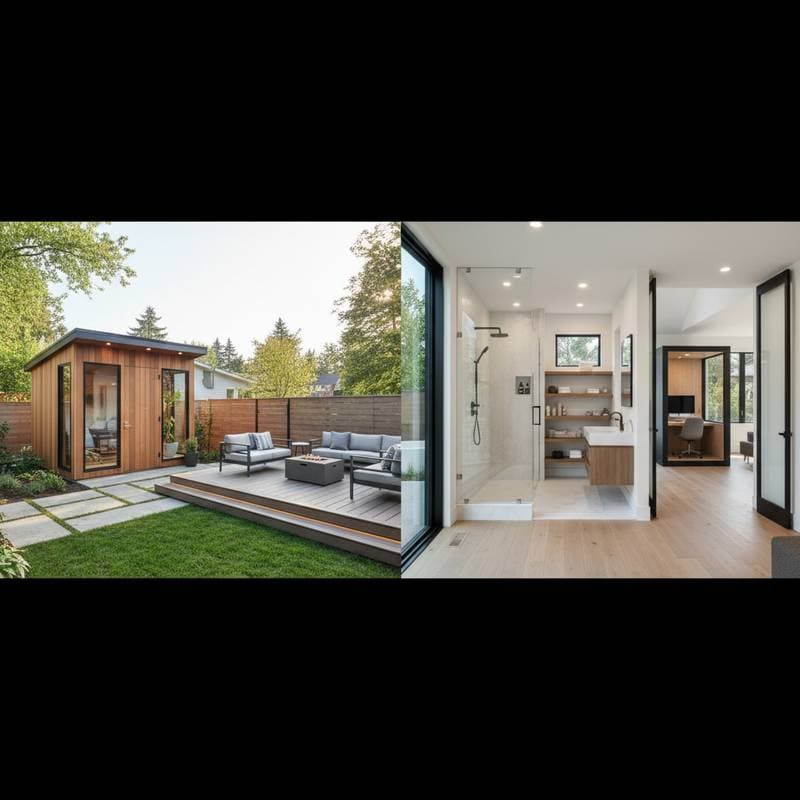
Accessory dwelling units (ADUs) offer versatile solutions for additional living space, such as guest houses or rental units, on existing properties. However, the permitting phase frequently halts progress before construction begins. Local regulations aim to ensure safety, environmental harmony, and infrastructure capacity, yet these requirements can prolong approvals by weeks or months.
Several factors commonly trigger these delays. Detached ADUs requiring new utility connections demand coordination with municipal services, which involves feasibility studies and potential infrastructure upgrades. Projects involving structural modifications, electrical systems, or plumbing installations necessitate detailed engineering reviews to verify code adherence. Sites subject to grading, drainage, or easement restrictions face additional scrutiny from environmental and planning departments to prevent issues like flooding or neighbor disputes.
These elements not only extend review periods but also increase the risk of revisions. For instance, inadequate site preparation plans might require resubmission, compounding timelines. Early identification of these challenges allows property owners to allocate resources effectively and avoid budget overruns.
Financial Implications of Permit Delays
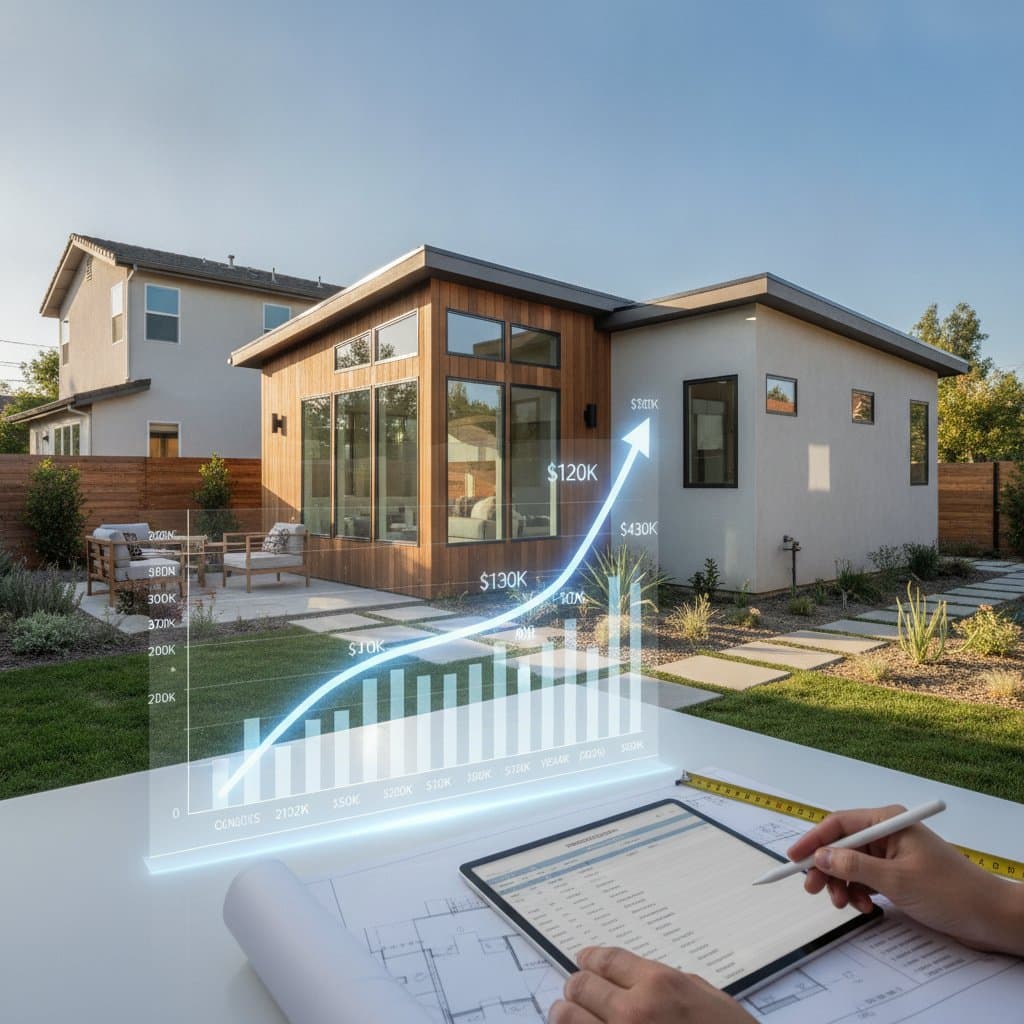
Delays in permitting translate directly to financial strain. Idle planning periods mean ongoing costs for labor, materials storage, and opportunity losses from delayed occupancy or rental income. On average, a three-month setback can add 10 to 20 percent to the total project budget through inflation and extended financing.
Hiring a professional designer or contractor upfront incurs an initial expense of $5,000 to $15,000. This investment covers comprehensive plan development and pre-submission consultations, which often prevent rejections and shorten the overall timeline by several months. In contrast, self-managed applications risk multiple iterations, each costing additional fees and time.
Property owners should weigh these costs against potential savings. Engaging experts early facilitates smoother interactions with authorities and reduces the likelihood of costly errors, such as non-compliant designs that necessitate demolition or redesign post-approval.
Step-by-Step Guide to the ADU Permit Process
Navigating the permit process requires methodical preparation. Below is a detailed sequence to follow, ensuring each stage builds toward approval without unnecessary interruptions.
-
Verify Zoning Eligibility.
Consult your local zoning map and ordinances to confirm ADUs are permitted on your property. Assess specific parameters, including maximum height, setback distances from property lines, and allowable square footage. Contact the planning department for clarification if your lot borders sensitive areas like wetlands.
Success indicator: Documentation confirms compliance without the need for a variance application, which can add 60 to 90 days. -
Create Conceptual Plans.
Sketch initial floor plans, exterior elevations, and site layouts that incorporate room dimensions, utility placements, and access routes. Use free online tools or basic software to visualize how the ADU integrates with the existing landscape.
Success indicator: Plans align with lot coverage ratios and setback requirements, minimizing early feedback loops. -
Engage Design Professionals.
Collaborate with a licensed architect or engineer to refine drawings into code-compliant submissions. These experts incorporate structural analyses, electrical schematics, and plumbing diagrams tailored to local standards.
Success indicator: Completed drawings feature all necessary details, including load calculations and material specifications, ready for official review. -
Submit Permit Applications.
Compile and file architectural plans, site surveys, energy efficiency reports, and supporting forms with the building department. Include fees based on project scope, typically ranging from $1,000 to $3,000.
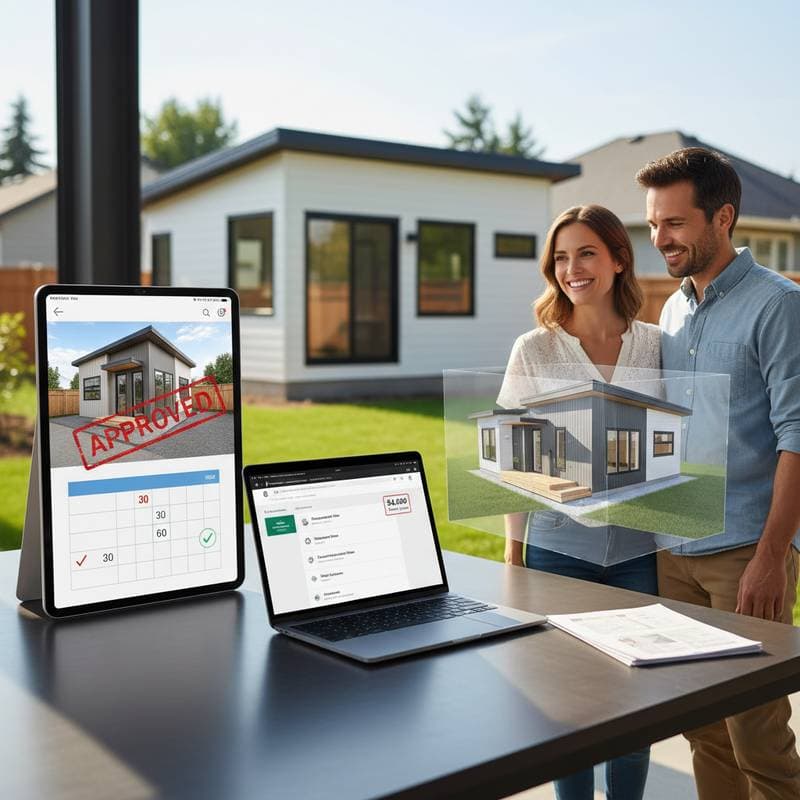
Success indicator: Receipt of a submission acknowledgment and assigned tracking number enables monitoring of progress. -
Undergo Plan Review.
Authorities evaluate submissions for adherence to zoning, building codes, fire safety, and environmental guidelines. This phase may involve input from multiple departments, such as public works for drainage impacts.
Success indicator: Feedback arrives as either full approval or a targeted list of corrections, allowing focused revisions. -
Address Review Feedback.
Update plans according to comments received, such as adjusting window placements for natural light compliance or reinforcing foundations for seismic zones. Resubmit promptly to maintain momentum.
Success indicator: Revisions satisfy all concerns, leading to unconditional approval. -
Secure Final Permits.
Upon clearance, obtain individual permits for building, electrical, plumbing, and mechanical work. These documents authorize on-site activities and outline inspection schedules.
Success indicator: Permits in hand permit immediate commencement of construction, with clear guidelines for compliance.
Essential Safety Considerations
Safety remains paramount throughout the ADU development. Adhering to protocols protects occupants and avoids legal liabilities.
Electrical Safety Alert:
Refrain from any alterations to electrical systems without oversight from a licensed electrician. Improper wiring poses risks of fires, shocks, or system failures that endanger lives and property.
Structural Integrity Caution:
Avoid modifications to load-bearing elements like walls or foundations unless supported by professional engineering assessments. Deviations from approved plans can compromise stability and lead to collapses.
On-Site Documentation Practice:
Maintain physical and digital copies of all approved documents at the construction site. Inspectors routinely request these during visits to verify ongoing adherence to permits.
Resolving Common Permit Challenges
Even prepared applications encounter obstacles. Recognizing and mitigating these issues preserves project velocity.
- Zoning Discrepancies: Designs that infringe on height limits or setbacks require prompt redesigns. Review municipal guidelines iteratively to preempt conflicts.
- Incomplete Documentation: Omissions in structural details or energy performance data prompt automatic rejections. Task your designer with a pre-submission audit to confirm completeness across all required plan sheets.
- Utility Integration Hurdles: Delays arise from uncoordinated connections to water, sewer, or power grids. Initiate discussions with utility providers during the conceptual phase to secure capacity confirmations.
Verification Protocol:
Cross-reference final permits against construction blueprints for exact alignment. Discrepancies must resolve prior to groundbreaking to prevent mid-project halts.
Managing Construction Waste
ADU projects produce substantial debris, including wood remnants, drywall fragments, and packaging materials. Proper handling supports environmental responsibility and complies with local disposal rules.
Arrange for a construction dumpster suited to mixed waste volumes, typically 20 to 30 cubic yards for standard ADUs. Segregate recyclables such as metals, concrete, and lumber where ordinances mandate, potentially qualifying for fee reductions. Direct hazardous items like paints, solvents, and adhesives to designated collection facilities to avoid fines or environmental harm.
Efficient waste management not only streamlines site operations but also enhances safety by reducing clutter that could cause accidents.
Ensuring Long-Term Durability
A well-constructed ADU withstands decades of use, mirroring the longevity of primary residences. Routine upkeep preserves value and functionality.
Conduct annual inspections of the roof, exterior siding, and foundation for signs of damage, such as cracks or moisture infiltration. Schedule gutter cleaning biannually to divert water away from structural components. Arrange professional servicing for plumbing, electrical, and heating, ventilation, and air conditioning (HVAC) systems every three to five years to maintain efficiency and prevent breakdowns.
These practices extend the unit's lifespan, minimize repair expenses, and uphold aesthetic appeal for potential resale or rental.
Indicators for Professional Involvement
Certain scenarios demand expert intervention to safeguard project success.
Seek a licensed contractor or architect if permit denials recur, indicating underlying compliance gaps. Professional assistance proves essential for generating structural computations, energy audits, or reports on sustainable features. Complex elements like novel utility extensions or advanced drainage solutions benefit from specialized knowledge to navigate regulatory nuances.
Additionally, coordination across inspectors and agencies, such as health departments for septic systems, requires experienced oversight.
Associated Expenses:
- Permit advisory services: $2,000 to $5,000
- Comprehensive design packages: $4,000 to $12,000
- Contractor oversight fees: 10 to 20 percent of overall construction budget
Selecting Reliable Partners:
Confirm active state licensing and comprehensive insurance. Request references from comparable ADU endeavors, focusing on timelines and outcomes. Scrutinize contracts for scope definitions, payment schedules, and warranty provisions to align expectations.
Advanced Strategies for Efficient Permitting
Proactive measures distinguish successful ADU projects. Schedule a preliminary consultation with the building department to outline zoning and utility prerequisites, avoiding surprises after design investments. Organize a centralized digital repository for all correspondence, plans, and approvals to facilitate quick retrieval.
Establish timelines with buffers for processing, recognizing that thorough applications still require 4 to 12 weeks. Foster ongoing dialogue among designers, contractors, and authorities to monitor advancements and resolve emerging concerns swiftly.
Realizing Your ADU Vision Without Setbacks
Mastering the permit landscape transforms potential frustrations into manageable steps. Through diligent zoning checks, professional collaborations, and anticipatory planning, property owners minimize delays and control expenditures. This approach not only fulfills regulatory demands but also delivers a durable, compliant ADU that enhances property utility and value for years ahead.