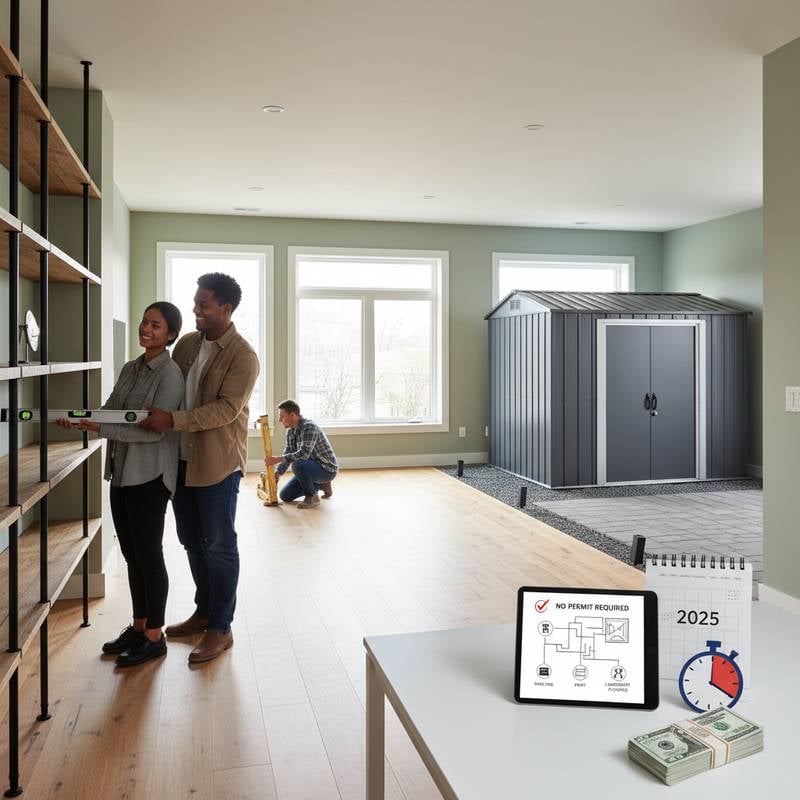
Which Home Improvements Skip Permits in 2025
Home renovation regulations often create uncertainty, particularly when determining whether a permit is necessary. This guide clarifies which projects typically bypass permits, outlines applicable limits, and identifies situations requiring approval prior to commencement. Readers will gain insights into recognizing exempt activities, preventing penalties, and ensuring adherence to local building codes.
Cost and Time Estimates
Projects exempt from permits offer savings in both finances and duration, though benefits vary by task scope.
Typical cost savings:
- Permit avoidance yields reductions of $75 to $500 in filing fees.
- Inspection exemptions further cut expenses by $100 to $300.
- Self-performed labor decreases overall costs by 30 to 60 percent, based on project intricacy.
Estimated timelines:
- Interior refreshes such as painting or basic flooring: 1 to 3 days.
- Exterior maintenance like fence mending or deck coating: 1 to 2 days.
- Appliance or fixture exchanges, including faucets and lights: Under one day.
Difficulty rating: Easy to moderate. These initiatives generally involve superficial modifications that preserve structural, plumbing, and electrical integrity.
Common Home Improvements That Skip Permits
Building codes differ by locality, yet most jurisdictions waive requirements for non-structural alterations that pose no risk to safety or utilities.
Interior Improvements
Several interior tasks commonly evade permit mandates:
- Painting or wallpapering: These activities produce no alterations to structure or safety features.
- Flooring replacement: Encompasses laminate, vinyl, carpet, or tile applications without subfloor alterations.
- Cabinet or countertop upgrades: Permissible provided the existing layout remains intact.
- Trim, molding, and door replacement: Feasible when doorway dimensions stay consistent.
- Minor fixture replacements: Involves light fixtures, ceiling fans, and plumbing elements without introducing new wiring or pipes.
Exterior Improvements
Cosmetic exterior enhancements frequently qualify for exemption:
- Fence repair or replacement under height limits: Generally capped at 6 feet in residential areas.
- Deck resurfacing: Admissible if the foundational framework remains unmodified.
- Siding repair or repainting: Surface treatments require no authorization.
- Gutter or downspout replacement: Exempt provided drainage configurations persist unchanged.
- Window or door swaps of identical size: Larger modifications or relocations necessitate permits.
Yard and Landscape Work
Landscaping efforts seldom demand permits unless they influence drainage or foundational elements:
- Planting trees, shrubs, or gardens: Freestanding vegetation installations.
- Installing irrigation systems not connected to potable water lines: Basic drip or sprinkler setups.
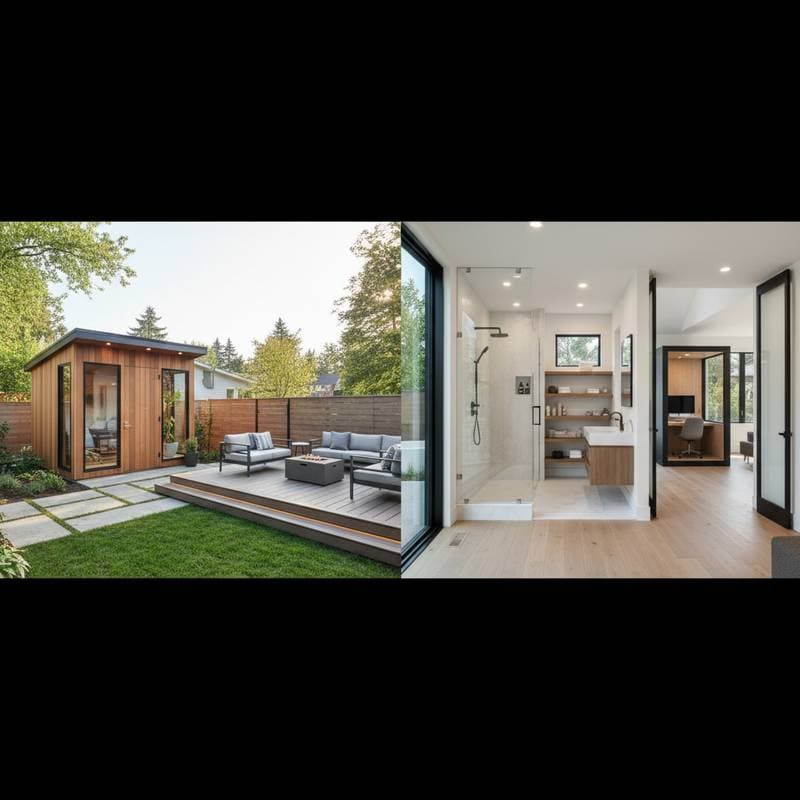
- Constructing small sheds under size limits: Typically below 120 square feet and without electrical connections.
- Building low retaining walls: Restricted to under 3 feet tall.
Verification of local zoning provisions is essential prior to installing fences, sheds, or retaining walls, as specifications for height and placement vary regionally.
Safety Warnings and Tips
Warning: Electrical Hazard
Modifications to wiring demand permits and professional electricians. Concealed electrical adjustments risk fires and may invalidate insurance policies.
Caution: Plumbing Risk
Refrain from adjusting drain or supply lines independently. Unauthorized plumbing alterations can result in leaks or water contamination.
Caution: Structural Integrity
Avoid dismantling walls, joists, or beams absent thorough inspection. Minor framing adjustments can compromise load-bearing capacity.
Protective gear:
- Employ gloves, goggles, and hearing protection during cutting or demolition.
- Utilize respirators for sanding, painting, or insulation handling.
Permit tip: Seek confirmation whenever doubt arises. Proactive verification simplifies compliance over post-project remediation.
Cleanup and Disposal
Project completion requires methodical waste management:
- Gather debris, paint containers, and wrappings.
- Categorize recyclables including metals, cardboard, and glass.
- Transport hazardous items such as paint thinners, solvents, and adhesives to designated facilities.
- Vacuum or sweep surfaces to eliminate dust and fragments.
- Seal surplus materials for potential future applications.
Consult local waste authorities for guidance on disposing construction remnants or hazardous substances responsibly.
When to Call a Professional
Certain scenarios warrant specialist involvement, regardless of apparent simplicity.
Call a contractor when:
- Tasks involve structural framing, electrical systems, plumbing, or HVAC components.
- Plans include wall removal or repositioning.
- Modifications impact fire safety, egress paths, or detection devices.
- Home sale approaches, necessitating code verification for prior alterations.
Typical professional costs:
- Structural assessment: $200 to $400.
- Electrical evaluation: $150 to $300.
- Plumbing rectification: $250 to $600.
- Contractor-handled permit processing: $75 to $250.
Checklist for choosing a contractor:
- Confirm licensing and insurance status.
- Obtain detailed written estimates and schedules.
- Secure assurances on labor and material warranties.
- Review references and examples of comparable projects.
Engaging certified experts guarantees regulatory adherence and hazard mitigation, particularly for retrofitting undocumented modifications.
Pro Tips for Success
- Retain a physical record of local exemption guidelines within project documentation.
- Capture photographs documenting each phase from initiation to completion.
- Mark circuit breakers and shutoff valves during proximity to electrical or plumbing elements.
- Time undertakings for favorable weather to minimize interruptions and deterioration.
- Archive excess supplies to facilitate subsequent maintenance or aesthetic consistency.
Ensuring Compliant Renovations
Mastery of permit exemptions empowers efficient project orchestration and sidesteps regulatory pitfalls. Prioritize local ordinance review for all endeavors, including modest ones. Jurisdictions generally permit superficial and aesthetic interventions without oversight, while foundational, electrical, and plumbing interventions mandate scrutiny. Document activities meticulously, prioritize safety protocols, and perform routine upkeep to sustain enhancements effectively.