Tiny Home Permits in 2025: What You Need to Know
Tiny homes have become a popular choice for those seeking affordable, sustainable, and adaptable living spaces. However, before you start building or placing one, navigating the maze of permits, zoning laws, and inspections is essential. This guide breaks down the critical regulations for 2025, including costs, timelines, and practical advice on whether to tackle the project yourself or hire a professional. With the right preparation, you can ensure your tiny home is safe, legal, and built to last.
Understanding Permit Costs and Timelines
Securing permits for a tiny home involves several fees and waiting periods, which vary based on location and project scope. Here is a detailed look at what to expect.
Permit Expenses
- Building Permit: Ranges from $500 to $2,500, depending on your area and the home's square footage.
- Zoning or Land-Use Review: Typically costs between $200 and $1,000 to confirm your property allows tiny homes.
- Utility Connection Permits: Expect to pay $300 to $1,200 for electrical, water, or sewer hookups.
- Total Average Cost: Most projects fall between $1,000 and $4,500 for all necessary permits.
Construction Budgets
- DIY Builds: A self-built tiny home often costs between $25,000 and $50,000, assuming standard materials and personal labor.
- Professional Builds: Hiring a contractor can push costs to $60,000 to $110,000, influenced by design complexity and finishes.
Timeframes to Plan For
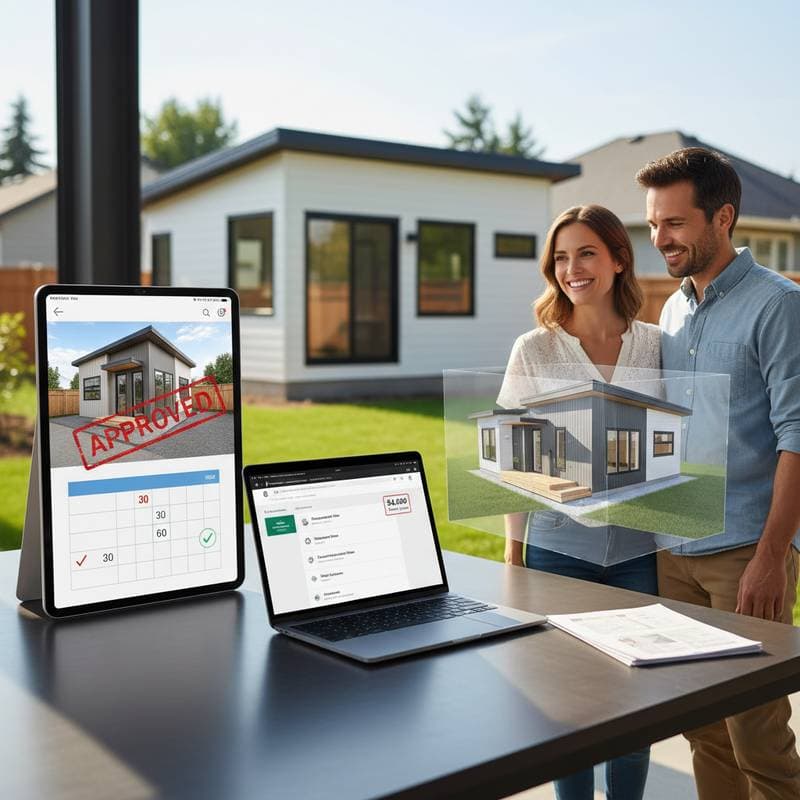
- Permit Approval: Processing usually takes 2 to 8 weeks, depending on local government efficiency and application completeness.
- DIY Construction: Completing the build yourself may require 4 to 12 months, based on skill level and available time.
- Professional Construction: Contractors often finish in 3 to 6 months, streamlining the process with experience and resources.
Skill Level Assessment
- DIY Difficulty: Rated as advanced, requiring knowledge of framing, electrical systems, and plumbing.
- Contractor Involvement: Rated as moderate, since professionals handle technical aspects while you oversee decisions.
Should You Build Yourself or Hire Help?
Deciding between a DIY approach and professional assistance hinges on your skills, project complexity, and local regulations. If you possess construction experience, building your own tiny home can save significant costs, but mistakes may lead to failed inspections or safety hazards. On the other hand, professionals bring expertise and often include permit management in their services, though at a higher price.
When DIY Makes Sense
- You own the land and plan a stationary tiny home.
- You have hands-on experience with framing, wiring, and plumbing.
- You are prepared to handle permit applications and inspection schedules independently.
When to Hire a Professional
- Your tiny home is on wheels and must comply with RV or mobile home standards.
- The project requires full utility connections like sewer, gas, or electrical grids.
- Local codes demand architect-stamped plans or engineering approvals.
- Zoning laws in your area are strict or unclear, needing expert navigation.
Budget Comparison
- DIY Total: Between $25,000 and $50,000, plus permit fees and tool investments.
- Professional Total: Ranges from $60,000 to $110,000, with permits typically bundled into the quote.
Step-by-Step Guide to Building Your Tiny Home
Follow these actionable steps to move from planning to living in your tiny home, ensuring compliance at every stage.
- Research Zoning Laws: Confirm that your property permits tiny homes, often classified as accessory dwelling units. Check for minimum size requirements, as some areas mandate at least 150 square feet for habitable spaces. Success means your land is zoned for residential use with allowance for small dwellings.
- Secure Necessary Permits: Submit detailed site plans showing placement, setbacks, and utility connections, along with required fees. Include construction drawings if requested by your local authority. Success is receiving written approval from the building department.
- Prepare Your Site: Clear vegetation, level the ground, and establish boundaries. Install footings or a foundation if building on-site. Success is a leveled site ready for construction or trailer placement.
- Construct or Position the Home: For stationary builds, frame walls, floors, and roofs to meet code standards. For mobile units, secure the structure to a trailer with appropriate load ratings. Success is passing an initial framing inspection.
- Set Up Utilities: Run electrical wiring per national codes, install plumbing with approved materials, and add compact HVAC systems. Success is passing a rough-in inspection before enclosing walls.
- Finish Interior and Exterior: Apply insulation, drywall, and flooring, then install sealed windows and doors. Add exterior siding for protection. Success is a weather-tight structure ready for final checks.
- Pass Final Inspection: Ensure compliance with electrical, plumbing, structural, and fire safety standards. Success is obtaining a certificate of occupancy, allowing legal residence.
Safety Precautions and Maintenance Tips
Safety cannot be overlooked during construction or after move-in. Always disconnect power before electrical work and consider a licensed electrician if unsure. Use scaffolding or harnesses for roof tasks to prevent falls. Install smoke and carbon monoxide detectors in sleeping areas, and have gas connections tested by professionals. Wear protective gear like gloves and goggles throughout the build.
For long-term care, inspect roofing and siding biannually for damage, test detectors monthly, and flush plumbing traps during extended vacancies. With proper upkeep, wood framing can last 50 years, roofing 15 to 25 years, and electrical systems up to 30 years.
Moving Forward with Confidence
Building a tiny home in 2025 requires careful attention to permits, zoning, and safety standards, but the reward of a personalized, cost-effective space is worth the effort. Start by visiting your local planning office to clarify regulations before purchasing land or materials. Keep meticulous records of permits and inspections in a dedicated binder to streamline the process. By planning thoroughly and knowing when to seek professional help, you can create a tiny home that meets all legal requirements while fitting your lifestyle perfectly.