Key Factors Driving 2025 Prefab ADU Costs
Prefab accessory dwelling units provide homeowners with efficient ways to add living space, generate rental income, or accommodate extended family. These factory-assembled structures deliver consistent quality and reduced on-site disruption. However, 2025 pricing reflects rising material costs, labor demands, and regional regulations, often exceeding initial expectations.
This resource outlines pricing influences, permit requirements, and budgeting strategies. It also highlights professional involvement and design decisions that safeguard your investment while maximizing returns.
Breaking Down Prefab ADU Pricing
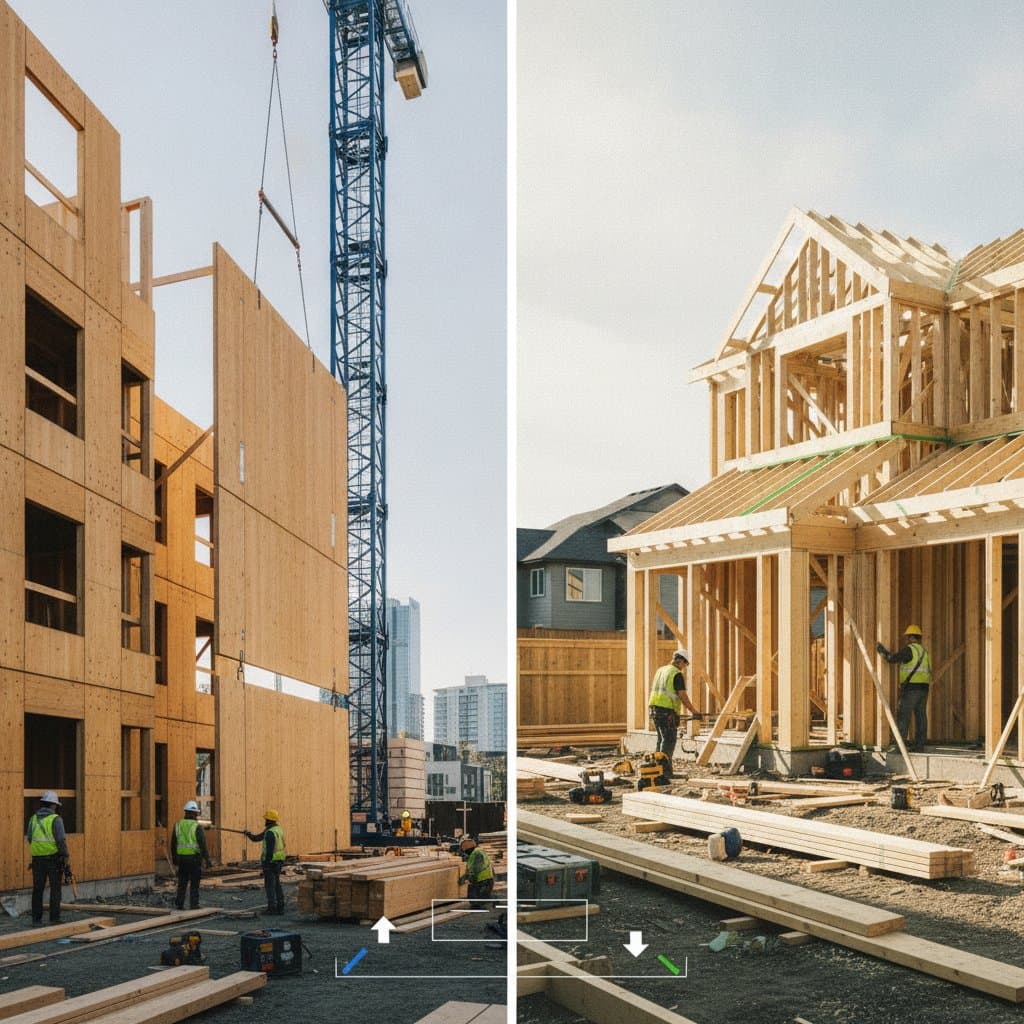
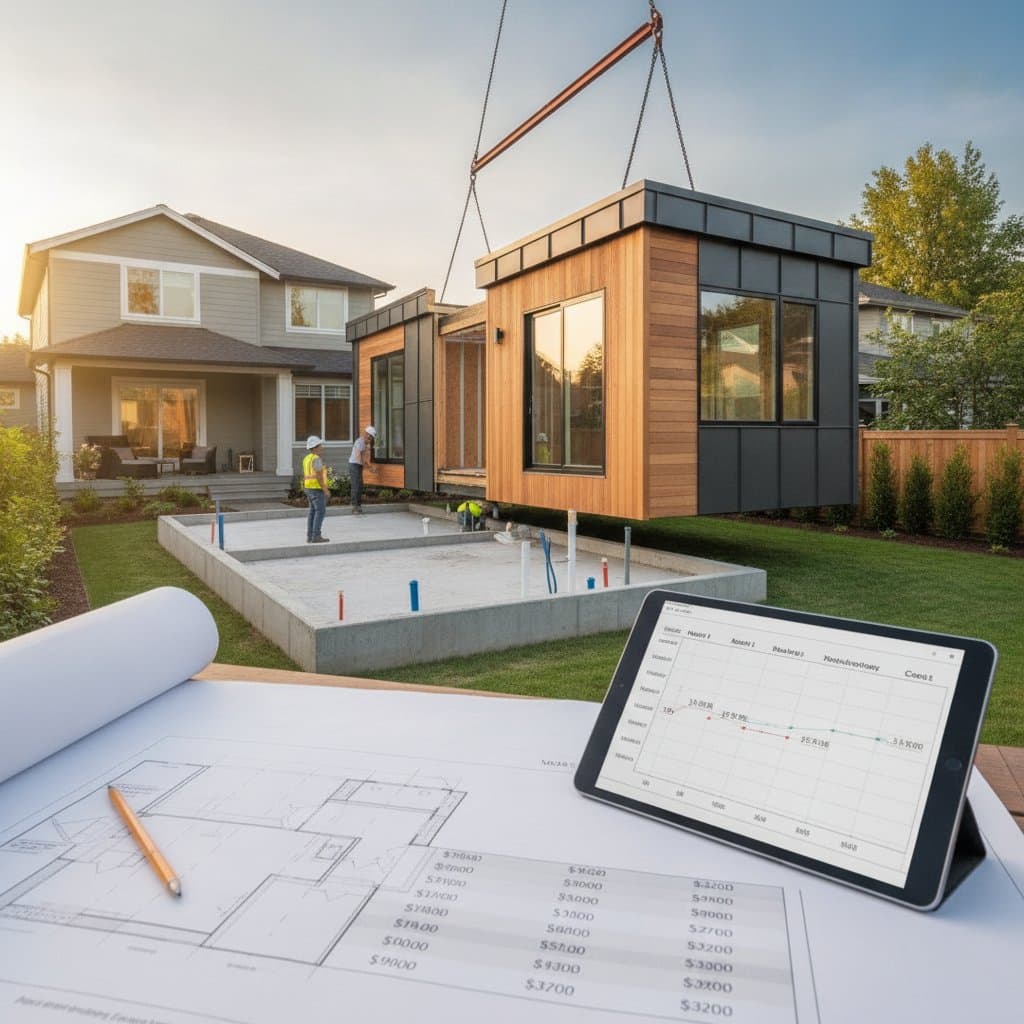
Manufacturers construct prefab ADUs in controlled factory settings, minimizing weather delays and material waste. Units arrive in modular sections for on-site assembly, which accelerates the timeline. Total expenses vary based on unit size, features, and local conditions.
Typical Cost Ranges
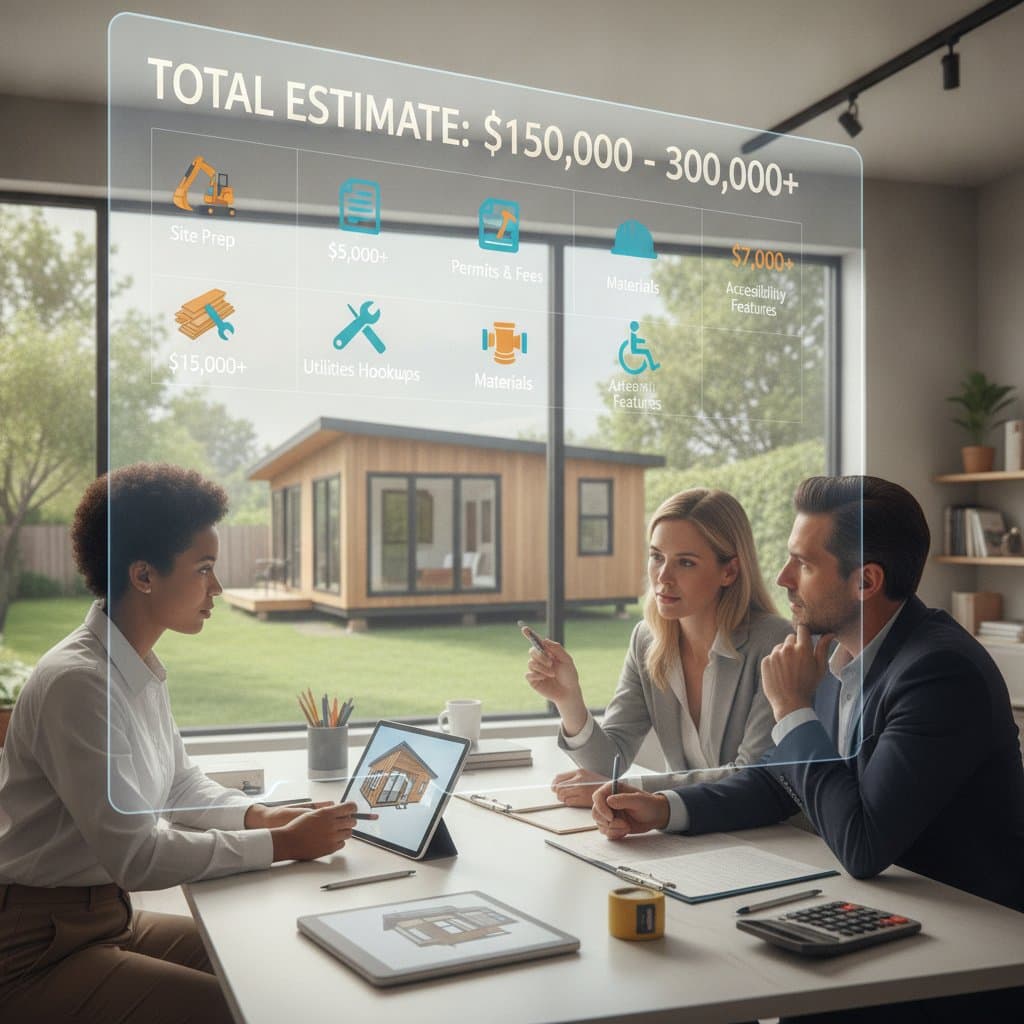
Expect costs of $180 to $450 per square foot for most prefab ADUs, influenced by finish quality, custom elements, and geographic location. For instance, a 400-square-foot studio may total $80,000 to $160,000, incorporating foundation, utilities, and permits. Larger 800-square-foot configurations with two bedrooms often exceed $250,000, aligning closely with site-built alternatives.
Basic studios or one-bedroom layouts remain the most economical choices. Premium options with luxury appliances or expansive layouts command higher rates due to added manufacturing complexity.
Detailed Cost Components
- Fabrication of the unit: Accounts for 50 to 60 percent of the budget, covering materials, labor, and factory assembly.
- Site preparation and foundation: Represents 15 to 25 percent, including excavation, concrete pouring, and grading adjustments.
- Utility hookups: Comprises 10 to 15 percent for electrical, plumbing, and sewage integrations.
- Permits and associated fees: Makes up 5 to 10 percent, varying by jurisdiction.
- Transportation and crane installation: Contributes 5 to 10 percent, affected by distance from the factory and access challenges.
Factors like remote delivery or uneven terrain can elevate these portions, so early site assessments prove essential.
Navigating Permits and Impact Fees
Permits ensure compliance with safety standards, even for prefab units that bypass much traditional construction. Local agencies treat ADUs similarly to primary dwellings, requiring thorough reviews.
Core Permitting Expenses
Building permits, plan reviews, and inspections typically range from $3,000 to $8,000 across most municipalities. Smaller ADUs under 500 square feet may qualify for streamlined fees or exemptions in progressive areas. Larger projects face proportional charges based on valuation and footprint.
Utility Integration Costs
Connecting to water, sewer, and power lines costs $2,000 to $10,000, depending on proximity to existing infrastructure. Tap fees for municipal services fluctuate significantly; septic additions or line extensions amplify expenses if main systems need reinforcement.
Infrastructure Impact Fees
These charges fund community upgrades like traffic improvements or school expansions, often waived for ADUs below 750 square feet. For bigger units, fees climb to $5,000 to $15,000, with some regions tying amounts to occupancy projections.
Processing Timelines
Approval durations span days to months, based on departmental backlogs and submission completeness. Opt for pre-vetted plans to expedite reviews, avoiding project stalls that incur holding costs or rental delays.
Strategies to Control and Optimize Costs
The appeal of prefab ADUs lies in their balance of speed and versatility, particularly for income generation. Effective cost management starts with proactive planning and targeted choices.
Streamline Architectural Choices
Select straightforward rectangular forms with simple gable roofs to minimize fabrication expenses. Avoid intricate details like angled walls, dormers, or oversized glazing, which extend production and raise material demands.
Leverage Standard Plans
Numerous jurisdictions provide code-compliant ADU templates online, slashing design costs and accelerating approvals. Adapting these to your lot saves thousands compared to bespoke engineering.
Coordinate On-Site Activities
Align ADU groundwork with broader property enhancements, such as paving or irrigation installation. This approach consolidates equipment rentals and crew time, trimming overall labor outlays by up to 20 percent.
Anticipate Infrastructure Needs
Engage certified electricians and plumbers for pre-purchase evaluations of your property's electrical capacity and plumbing lines. Proactive upgrades, like panel expansions, integrate seamlessly during initial site prep, preventing pricier post-installation modifications.
Explore Tailored Financing
Options include home equity lines, specialized construction financing, or FHA 203(k) loans that factor in future revenue streams. ADU-focused programs from select banks use rental projections to qualify borrowers, easing upfront burdens.
Scenarios Requiring Professional Permitting Assistance
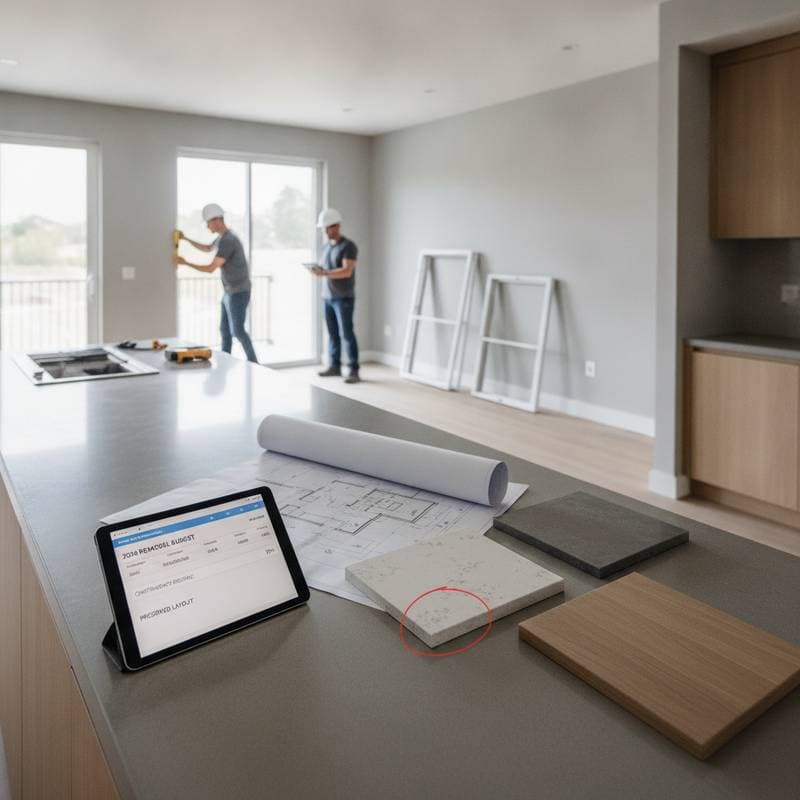
Navigating approvals involves coordination across zoning, building, and environmental offices, which can overwhelm novices. Permit expediters or licensed general contractors streamline this, averting errors that trigger redesigns or fines.
Seek expert help if your site features:
- Non-standard lot lines or shared boundaries.
- Integration of renewables like photovoltaic arrays or energy-efficient HVAC.
- Earthwork involving slopes, walls, or stormwater management.
- Location in high-risk areas prone to fires, floods, or seismic activity.
These specialists interpret ordinances, prepare documentation, and liaise with officials, ensuring adherence and timely progress.
Frequently Asked Questions on Prefab ADU Expenses
What represents the most budget-friendly prefab ADU?
Compact studios below 400 square feet with essential fixtures begin at $80,000 to $100,000, excluding site and regulatory costs.
Is relocating a prefab ADU feasible?
Certain designs support disassembly and transport, though expenses for disassembly, hauling, and utility reconnections frequently outweigh benefits.
Do prefab ADUs enhance property worth?
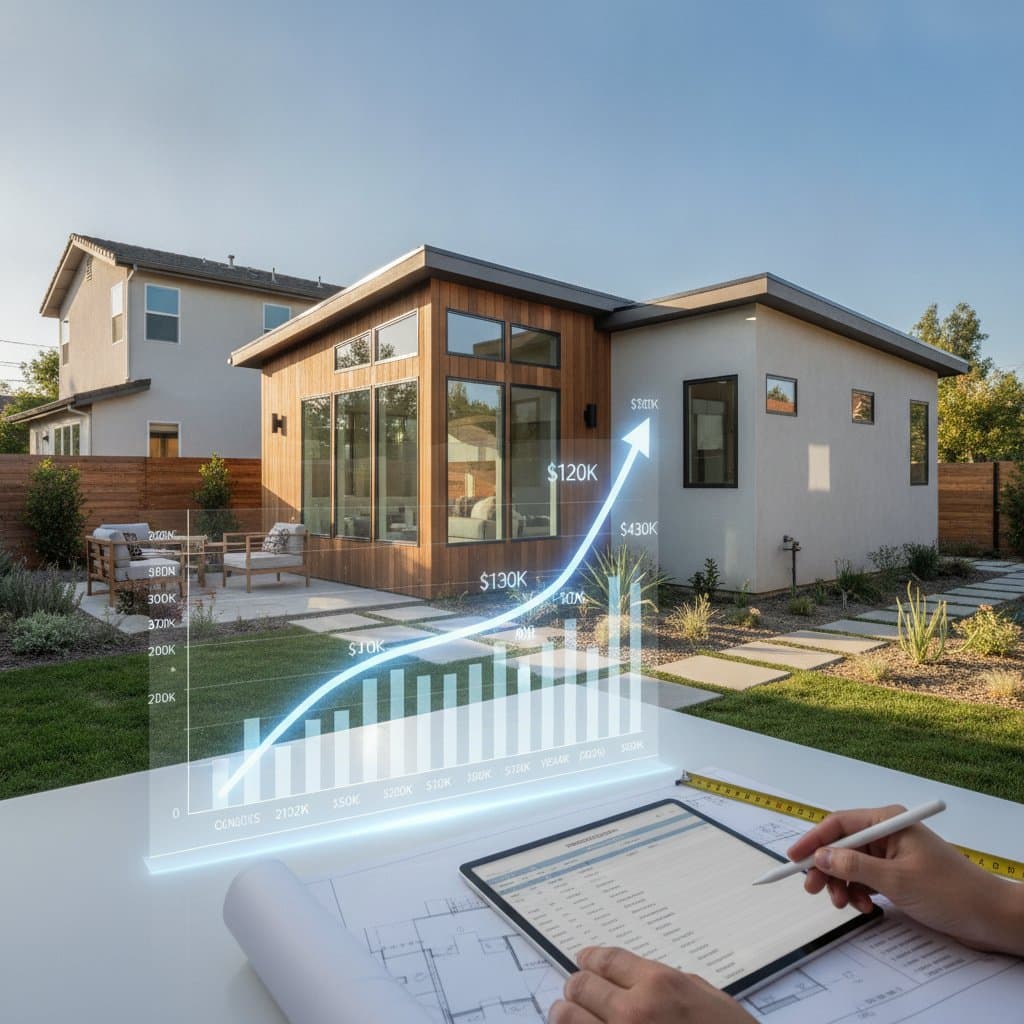
Affirmative; properly permitted units boost market value by providing adaptable space for living or leasing, appealing to diverse buyers.
What is the typical installation duration?
With preparatory steps complete, assembly spans one to two weeks, followed by hookups and verifications that extend the process by several days.
Securing Value Through Informed Planning
Investing in a prefab ADU transforms underused yard space into a revenue source or family haven. By addressing costs upfront—from fabrication to final inspections—homeowners achieve durable, code-compliant results. This forward-thinking approach not only curbs overruns but also positions the addition as a appreciating asset, delivering lasting comfort and financial advantages.