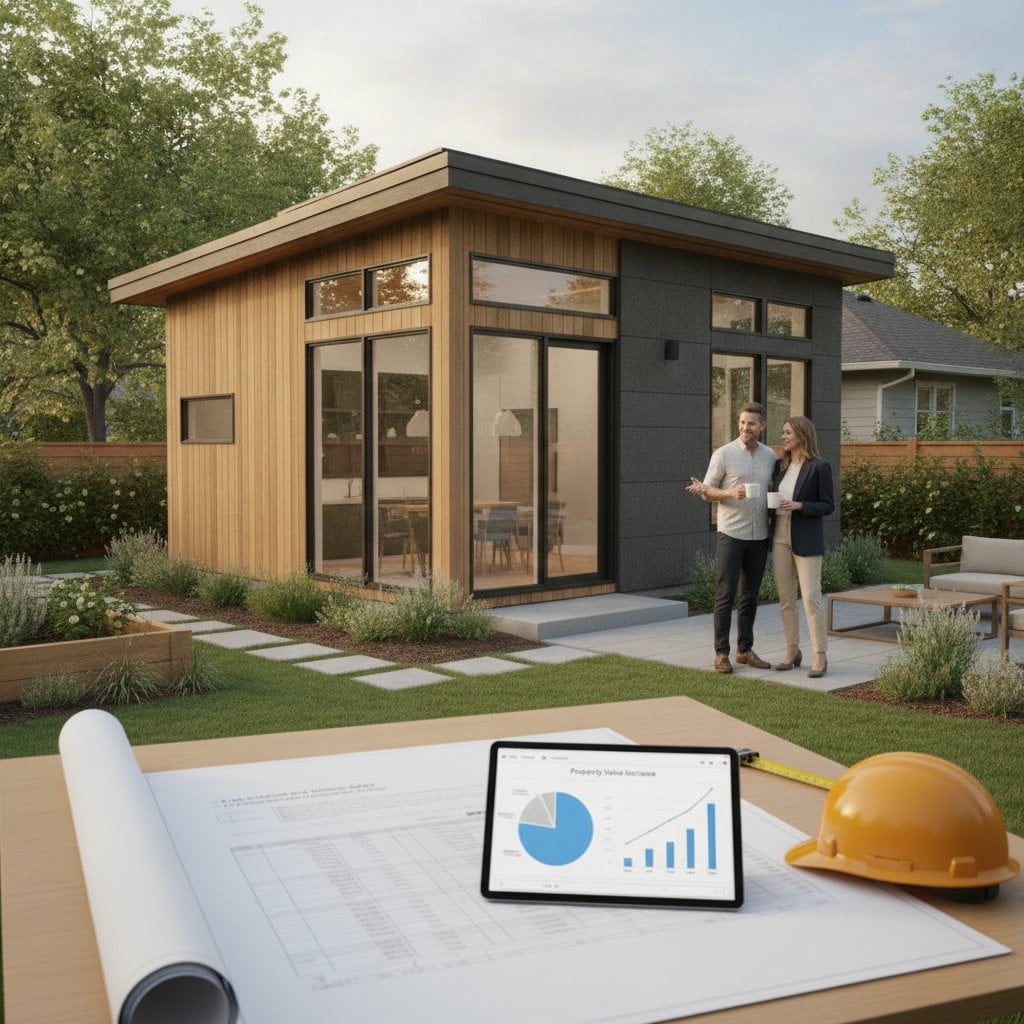
What ADU and Granny Flat Construction Will Cost in 2026
Accessory Dwelling Units, often called ADUs or granny flats, offer homeowners a direct path to added living space and increased property value. These units serve rental income, family housing, or home office needs when planned with accurate budgets. Clear understanding of cost drivers supports realistic project planning from the start.
Quick Cost Summary
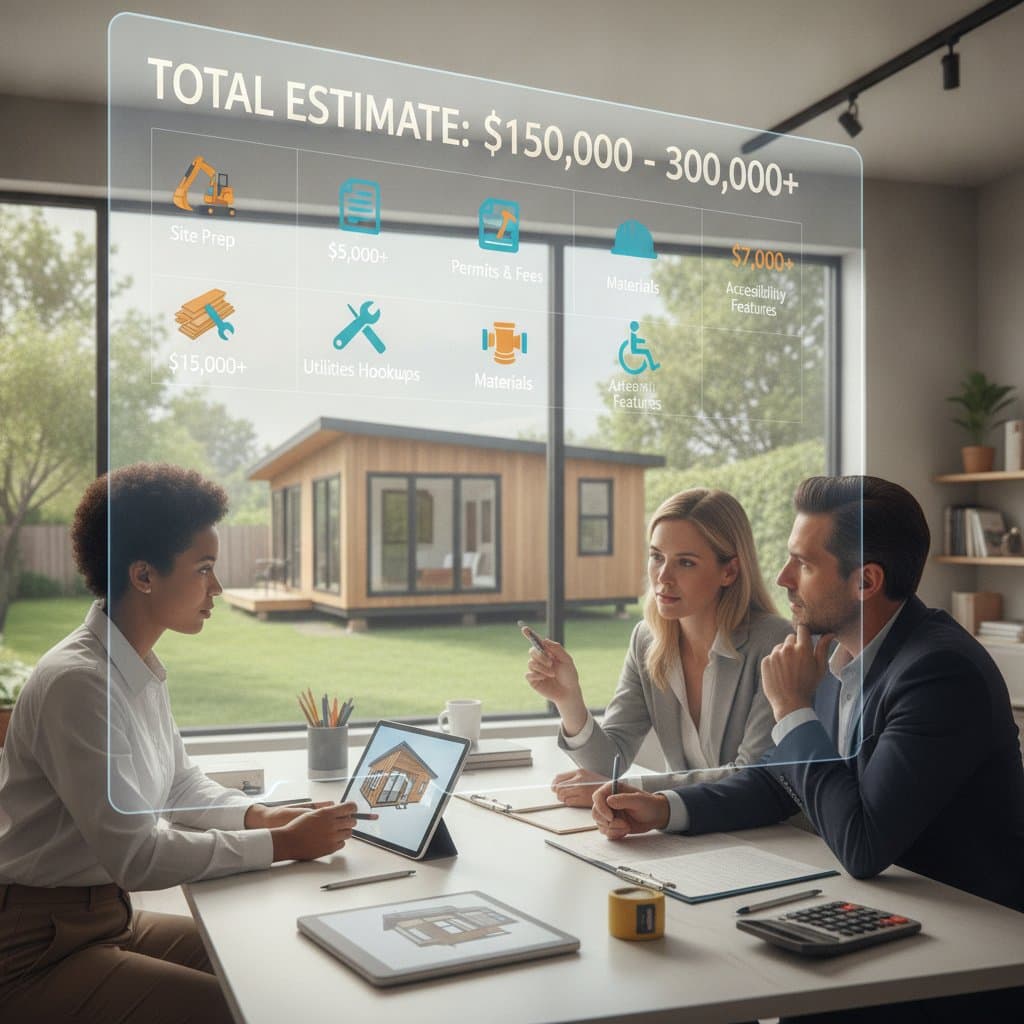
Construction of an ADU or granny flat ranges from 150000 to 400000 dollars. Most projects reach completion near 250000 dollars for a fully finished unit. Size, material selections, site conditions, and attached versus detached placement determine the final amount. Labor typically consumes 35 to 50 percent of the budget, while permits, utilities, and finishes create additional variation.
Highlights and Key Insights
- Average total cost reaches about 250000 dollars.
- Typical range spans 150000 to 400000 dollars.
- Cost per square foot falls between 300 and 600 dollars based on design and location.
- Labor represents roughly half of overall spending.
- Permitting and design average 10000 to 25000 dollars.
- High end finishes increase total costs by 20 percent or more.
Accurate contractor quotes and early permit applications reduce the chance of overruns. A line item breakdown guides decisions between basic and upgraded features.
Contractor Costs and Labor Breakdown
Labor forms the largest expense category on every ADU project. Builders, electricians, and plumbers together account for nearly half of spending. Complex layouts increase these charges further.
Typical Labor Distribution
- General contractor and project management: 10 to 20 percent.
- Framing and structural work: 15 to 20 percent.
- Electrical and plumbing: 10 to 15 percent.
- Interior finishing and cabinetry: 10 to 15 percent.
A licensed contractor maintains code compliance and inspection success. Skilled trades limit errors that lead to rework or delays.
Ways to Control ADU Construction Expenses
Homeowners reduce total spending through targeted design and sequencing choices.
- Select a smaller footprint to lower material and labor needs.
- Cluster plumbing fixtures near existing lines to shorten pipe runs.
- Specify standard window and cabinet sizes to avoid custom fabrication.
- Use simple roof forms such as gable or shed profiles.
- Select durable midrange finishes instead of premium brands.
- Coordinate all decisions with the contractor before framing begins.
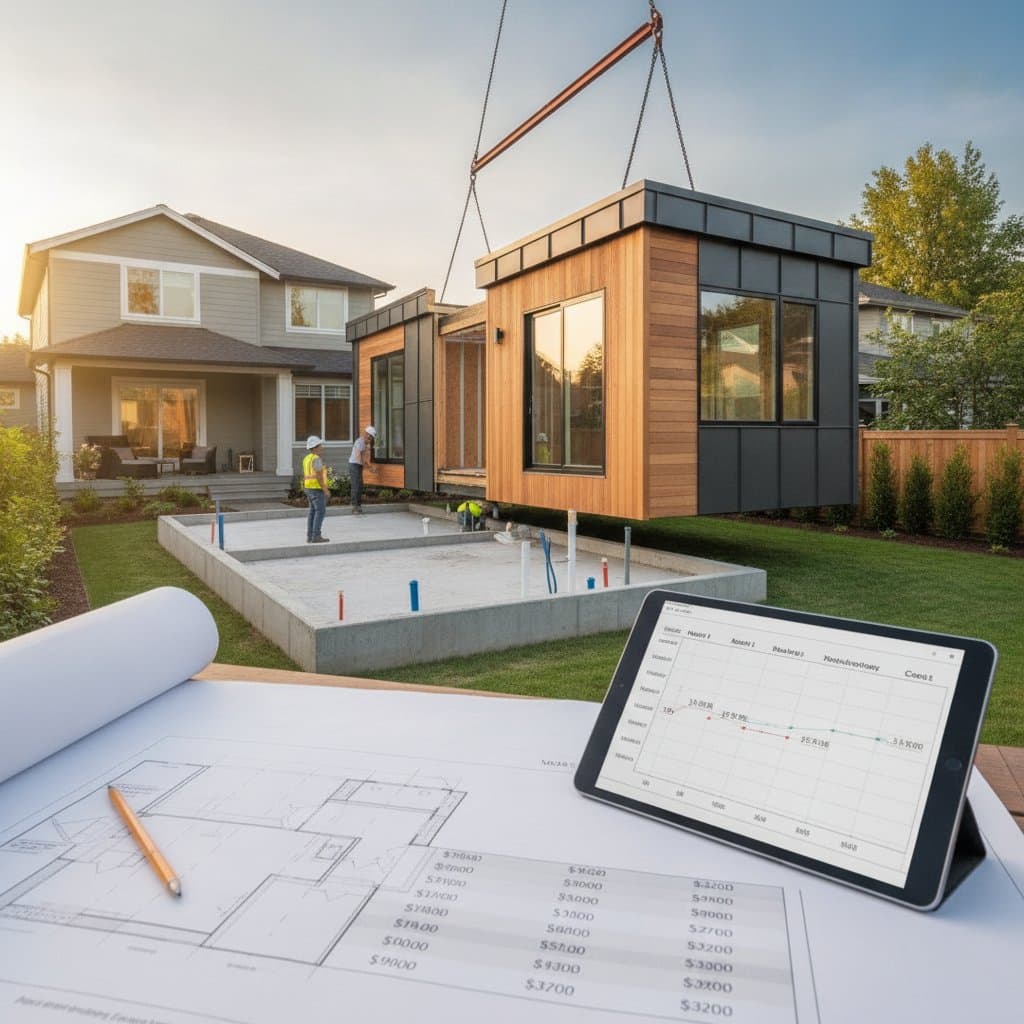
Prefabricated units can cut on site labor when site access allows crane or truck delivery.
Return on Investment Factors
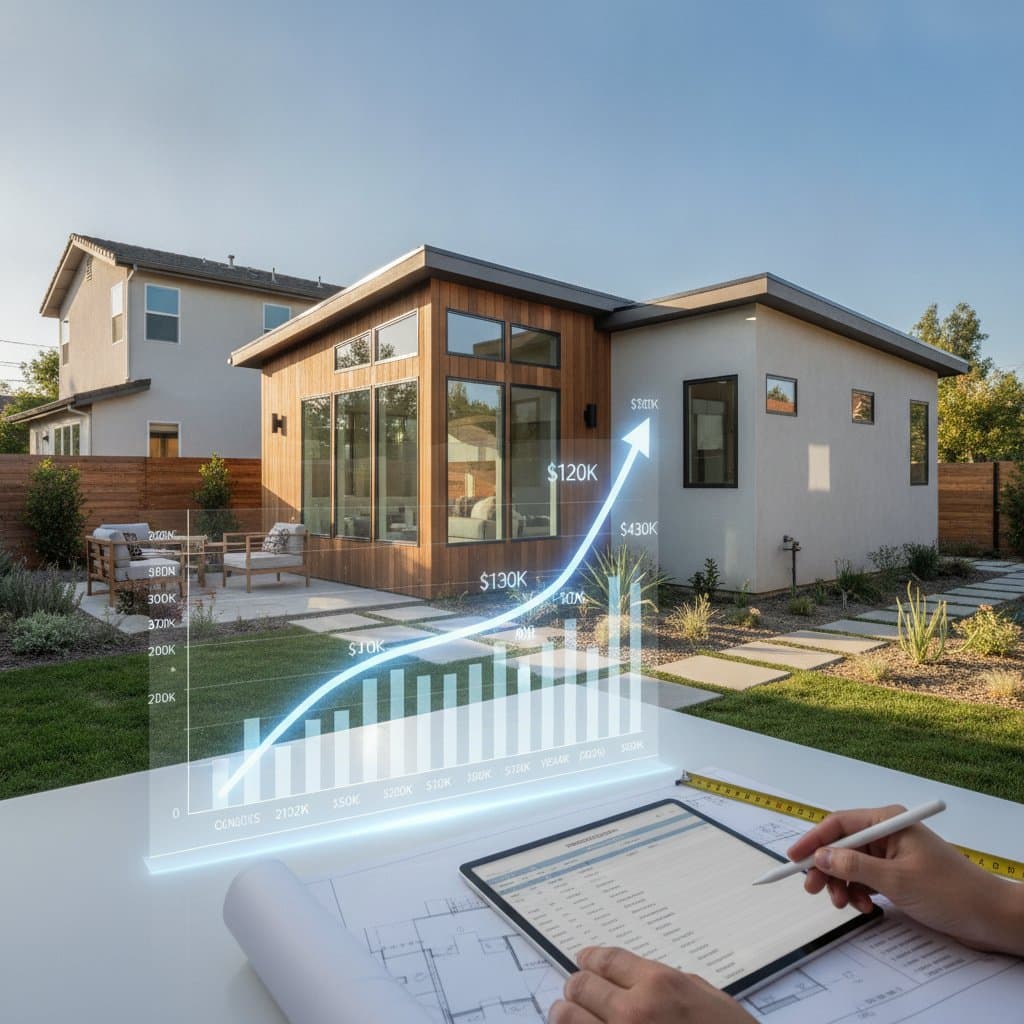
An ADU adds resale value and income potential in most markets. Returns often reach 60 to 80 percent of construction cost at sale. Rental income accelerates payback when local demand remains strong.
Factors Affecting ROI
- Local rental demand determines speed of cost recovery.
- Separate entrances and full kitchens increase tenant interest.
- Durable finishes lower ongoing maintenance and improve market appeal.
- Compliance with zoning rules protects legal rental status.
Units built for family use still deliver flexibility and long term equity growth.
Cost Data Sources
Figures reflect aggregated contractor bids, regional labor rates, and completed homeowner projects. All amounts cover permitted construction that includes design, site preparation, materials, and labor. Final prices vary with local codes and site specific conditions.
Frequently Asked Questions
How much does it cost to build a granny flat?
Most homeowners spend between 150000 and 400000 dollars depending on size, site conditions, and finish level.
Is a detached ADU more expensive than an attached one?
Yes. Separate foundations and utility connections raise costs by 15 to 25 percent.
Can I convert my garage into an ADU?
Yes. A garage conversion costs 100000 to 180000 dollars when the structure is sound and utilities are nearby.
Do I need a permit to build an ADU?
Almost always. Permits cover new living space, electrical work, and plumbing. Fees differ by jurisdiction.
What adds the most to ADU cost?
Labor, site preparation, and utility extensions drive the largest portions. Custom designs and premium finishes add further expense.
How long does construction take?
Most projects span several months from initial design through final inspection.
Does building an ADU add value to my home?
Yes. Added living space and rental income potential raise resale value in most areas.
Protecting Long Term Value
Annual inspections of roofing, siding, and plumbing prevent small issues from becoming major repairs. Clear drainage around the foundation reduces water damage risk. Durable finishes withstand tenant use and support consistent rental income. Documentation of permits and receipts assists future appraisals and insurance claims. A well planned ADU continues to serve changing household needs for decades.