Understanding Age-in-Place Remodeling
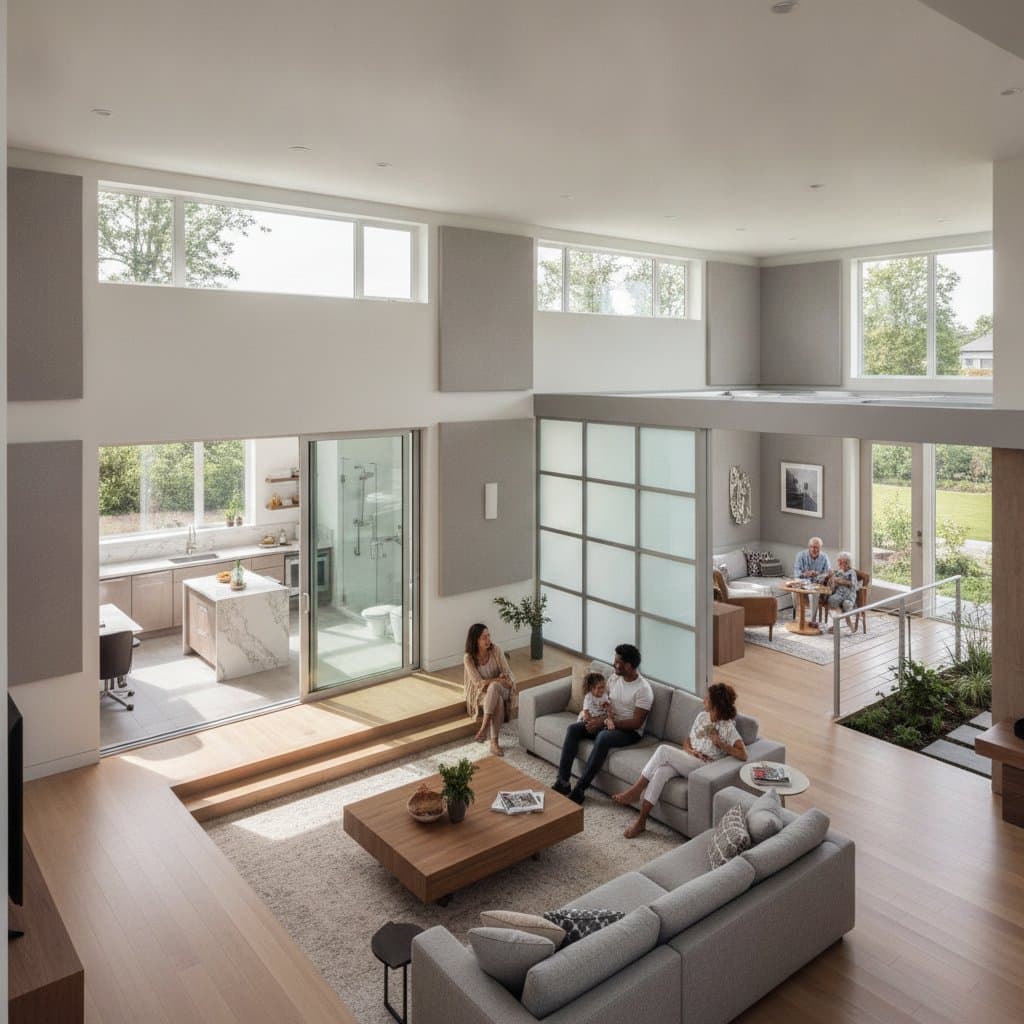
Aging in place allows individuals to remain in their homes as they grow older, maintaining independence and comfort. This approach involves targeted home modifications that enhance accessibility and safety. Universal design principles ensure spaces work for all ages and abilities, from wide doorways to lever-style handles.
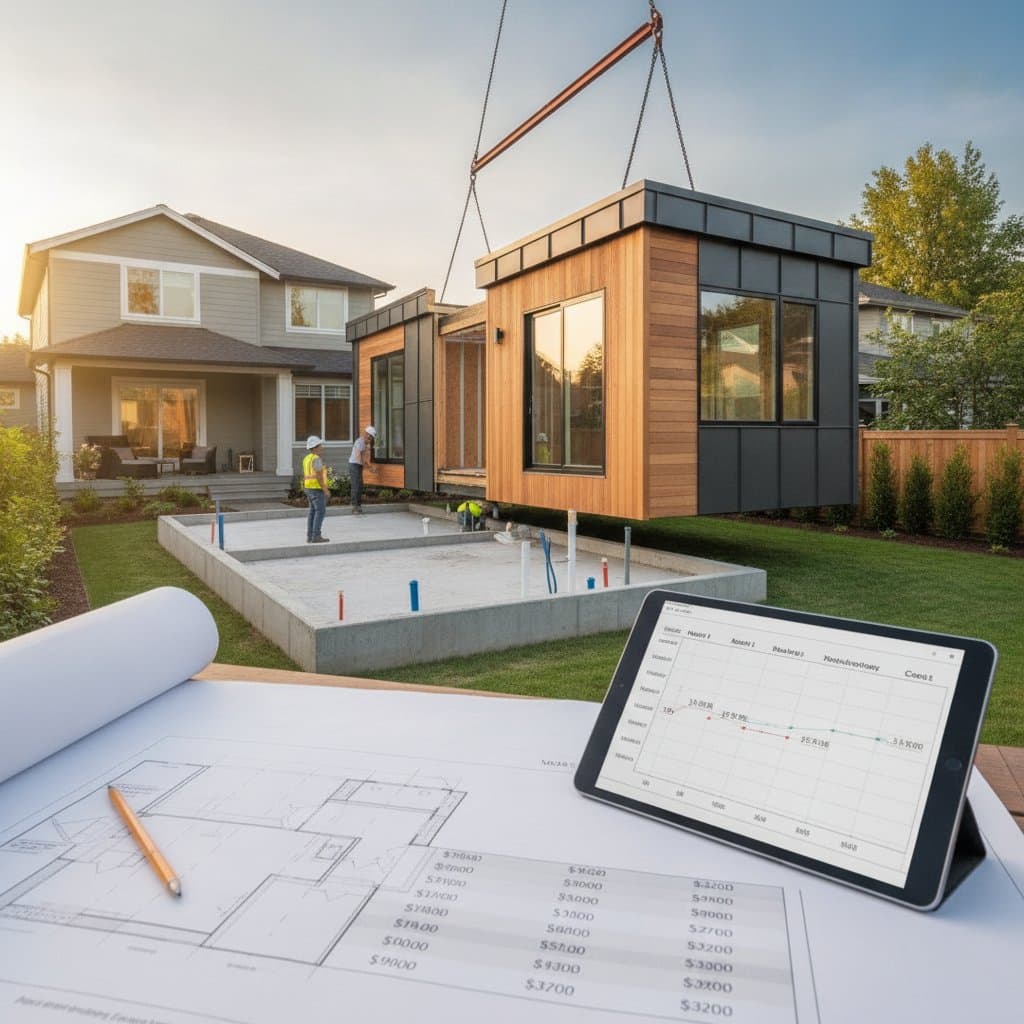
These remodels range in scope and expense. Simple updates cost as little as $3,000, while comprehensive projects reach $50,000 or more in 2025. Factors such as location, materials, and labor influence pricing, with urban areas often commanding higher rates due to permit fees and supply costs.
Planning begins with assessing current needs and future requirements. Consult occupational therapists for personalized recommendations. Early investments prevent larger expenses later, preserving home value and quality of life.
Cost Breakdown for 2025 Projects
Budgeting requires clear expectations. Entry-level modifications focus on high-impact, low-cost changes. For instance, installing grab bars and improving lighting totals around $3,000 to $5,000.
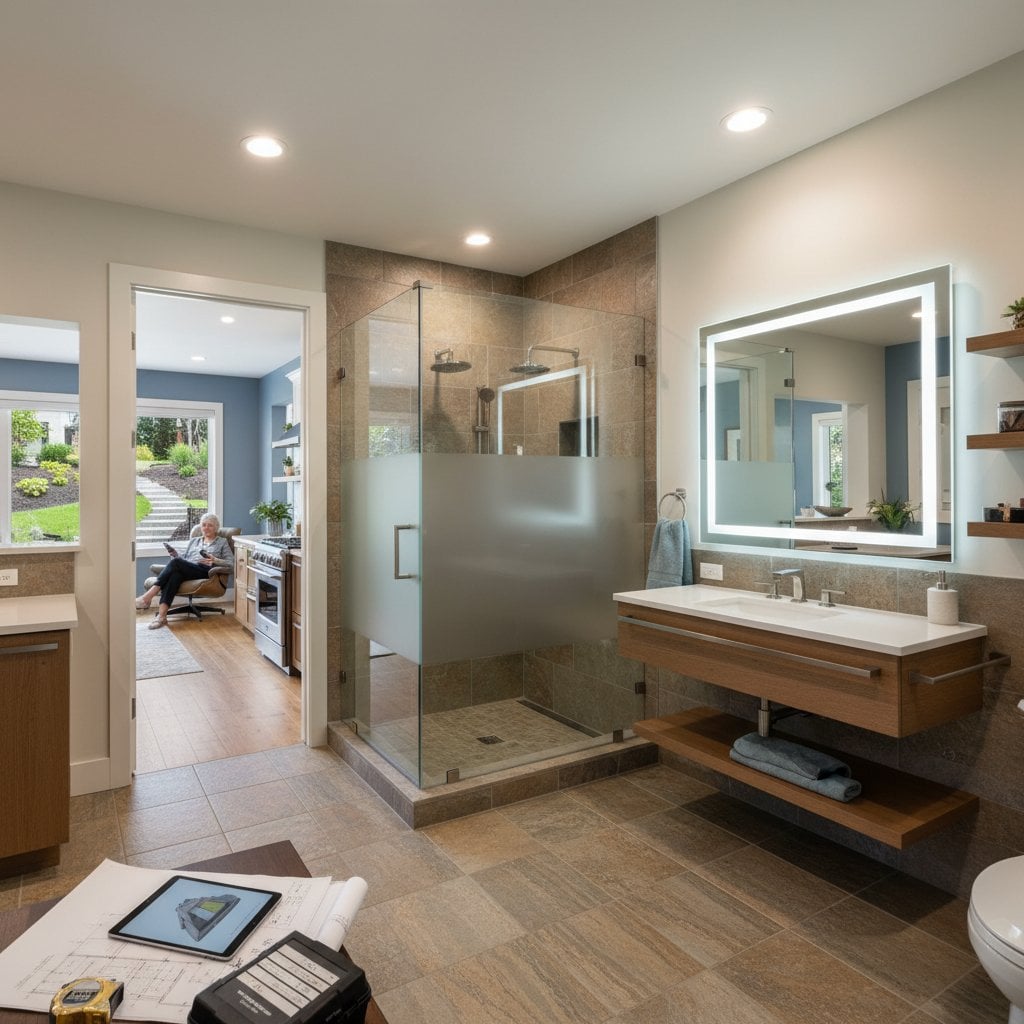
Mid-range projects, priced at $10,000 to $25,000, include bathroom or kitchen adaptations. These often involve replacing fixtures with accessible alternatives and widening pathways. Full-home overhauls, exceeding $30,000, encompass structural alterations like ramp installations or elevator additions.
Timelines vary by complexity. DIY-friendly tasks complete in days, while professional remodels span weeks to months. Factor in 10 to 20 percent extra for unforeseen issues, such as hidden wiring problems.
Essential Upgrades for Safety and Accessibility
Prioritize modifications that address common aging challenges. Each upgrade contributes to a seamless living environment. Below are ten practical options, progressing from basic to advanced.
1. Install Grab Bars in Bathrooms
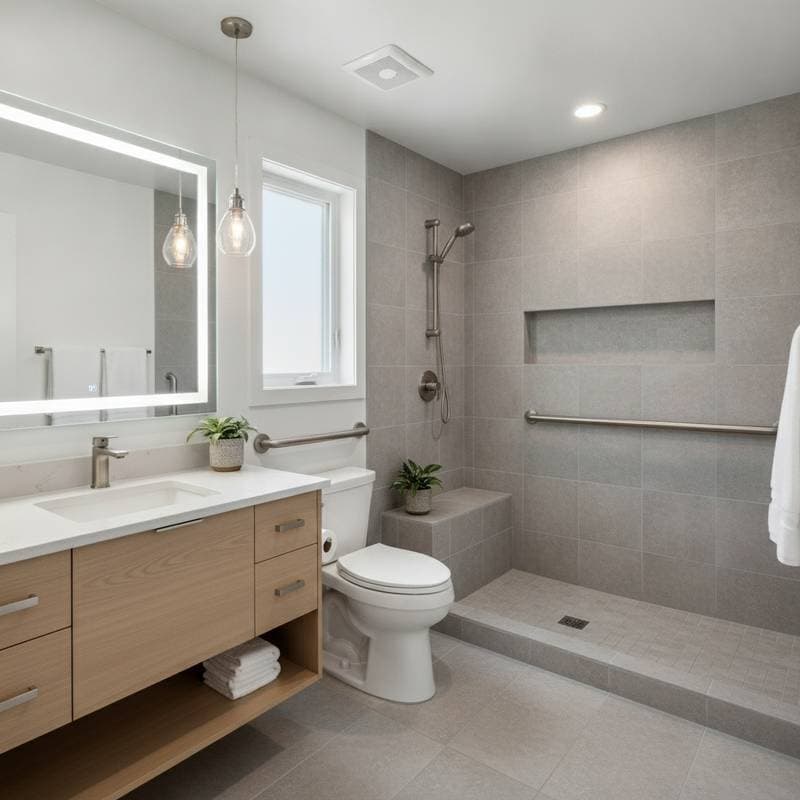
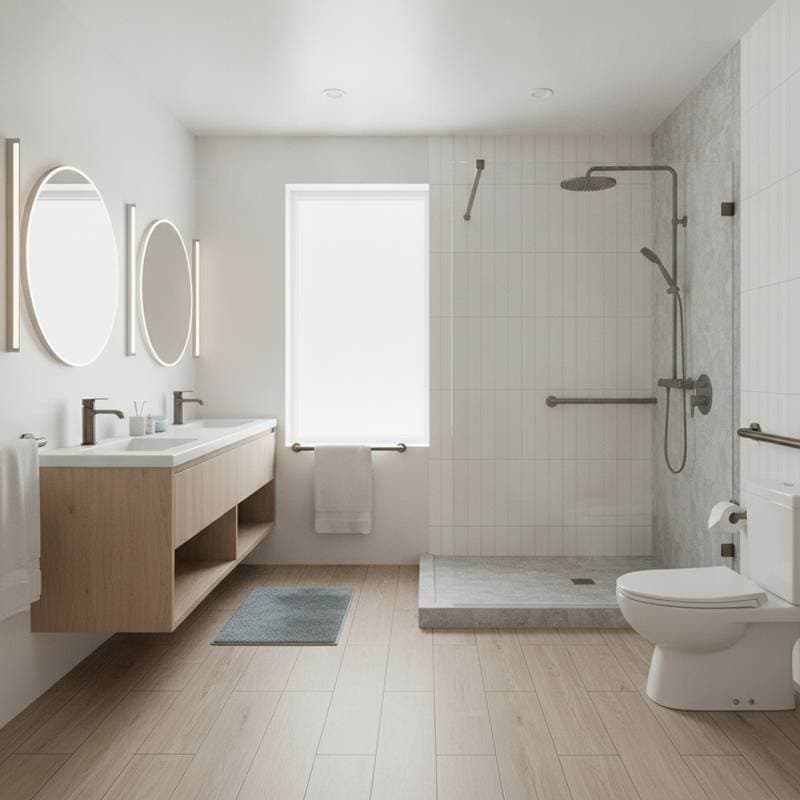
Grab bars provide support during transfers in and out of tubs or toilets. Select 1.25-inch diameter bars rated for 250 pounds or more. Position them at 33 to 36 inches above the floor, anchored securely into wall studs.
Check: Grip the bar firmly; it should not shift under pressure.
2. Add Non-Slip Flooring and Mats
Slippery surfaces pose significant fall risks. Opt for textured vinyl or cork flooring in high-traffic areas. Place removable non-slip mats in entryways and bathrooms, ensuring edges do not curl.
Check: Walk across the surface in socks; feet should not slide.
3. Widen Doorways and Hallways
Standard 32-inch doors accommodate wheelchairs. Enlarge openings to 36 inches where possible, removing unnecessary trim. Smooth transitions eliminate thresholds that snag walkers.
Check: Maneuver a standard wheelchair through; it should pass without obstruction.
4. Upgrade Kitchen Counter Heights
Lower select counters to 34 inches for seated use. Install pull-out shelves and lazy Susans for easy access. Choose matte finishes to reduce glare and improve visibility.
Check: Reach items from a seated position; no excessive stretching required.
5. Improve Lighting Throughout the Home
Adequate illumination prevents accidents. Replace bulbs with LED options providing 300 to 500 lumens per square foot. Add under-cabinet strips and night lights in pathways.
Check: Shadows do not obscure steps or furniture edges.
6. Modify Stairs with Handrails
Install continuous handrails on both sides of staircases, extending 12 inches beyond top and bottom steps. Use 1.5-inch diameter rails at 34 to 38 inches high. Ensure a firm grip without splinters.
Check: Ascend and descend while holding the rail; balance remains steady.
7. Convert Tubs to Walk-In Showers
Remove barriers for easier entry. Install fold-down seats and handheld showerheads with adjustable heights. Slope floors gently toward drains to avoid pooling water.
Check: Step in and out without lifting legs high.
8. Add Ramps to Entryways
Construct modular ramps with a 1:12 slope ratio for every inch of rise. Use weather-resistant materials like composite decking. Include handrails for support on longer inclines.
Check: The ramp supports weight evenly without wobbling.
9. Adjust Electrical Outlets and Switches
Raise outlets to 15 to 18 inches from the floor for seated access. Install rocker-style switches and dimmers. Relocate controls away from floor level to prevent bending.
Check: Operate switches from a wheelchair height without strain.
10. Upgrade Smart Home Features
Incorporate technology for effortless control. Install motion-sensor lights, video doorbells, and voice-controlled thermostats. Ensure devices include backup power options during outages.
Check: Adjust lighting and temperature verbally or via app without reaching physical controls.
Quality Checks and Troubleshooting
Verification ensures modifications perform as intended. Conduct thorough inspections after installation. Address issues promptly to maintain safety standards.
Common Failure Points
- Grab bars secured only to drywall may detach under load. Anchor directly into studs using lag screws.
- Uneven floors or raised thresholds trip mobility devices. Verify levelness with a straightedge and adjust as needed.
- Inadequate lighting conceals obstacles. Measure brightness with a light meter to achieve uniform illumination above 100 lux.
Simple Fixes
Perform routine maintenance to extend upgrade longevity. Tighten all loose hardware on a monthly basis. Replace worn non-slip mats immediately to prevent slips.
Recaulk shower edges upon noticing cracks or mold growth. Clean sensors on smart devices regularly to avoid malfunctions. Test batteries in emergency lighting quarterly.
When to Call a Professional
Certain tasks demand expert intervention for compliance and safety. Engage licensed contractors for structural changes, such as moving walls or altering framing. Professionals handle plumbing replacements and electrical rewiring to meet building codes.
Specialized installations like stair lifts or complete bathroom conversions require certified installers. Expect quotes for full remodels between $25,000 and $50,000, varying by home size and material selections. Request proof of insurance, client references, and at least three detailed bids separating materials, labor, and disposal fees.
Strategies for Long-Term Success
Approach modifications methodically for optimal results. Initiate with minor enhancements, such as improved lighting and ergonomic handles, prior to extensive work. Select timeless, neutral finishes to preserve resale appeal.
Document all changes with photographs and receipts for insurance or disclosure purposes. Simulate daily activities in updated spaces to identify adjustments. Anticipate evolving needs by incorporating flexible elements early, which minimizes future disruptions and costs.
Universal design benefits every household member, fostering inclusivity. Thoughtful execution yields a residence that promotes autonomy and serenity across decades.