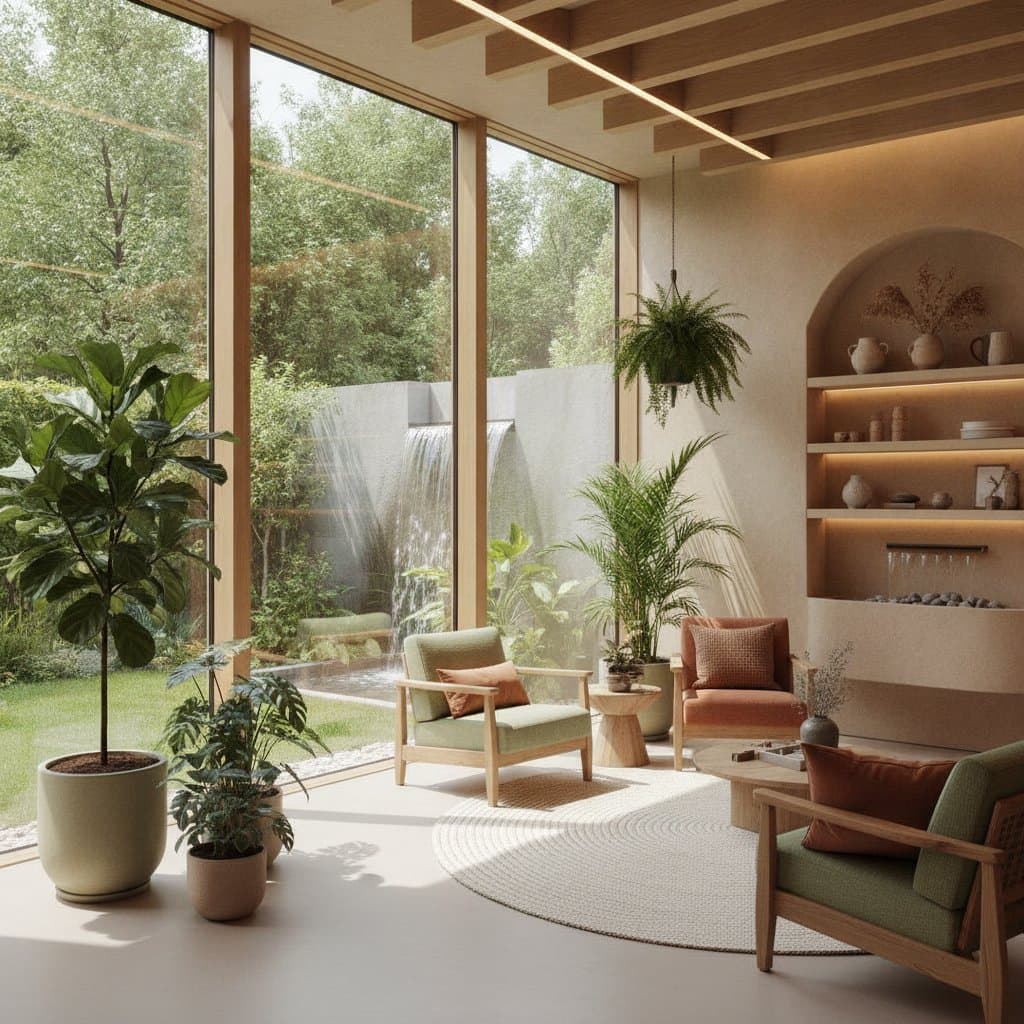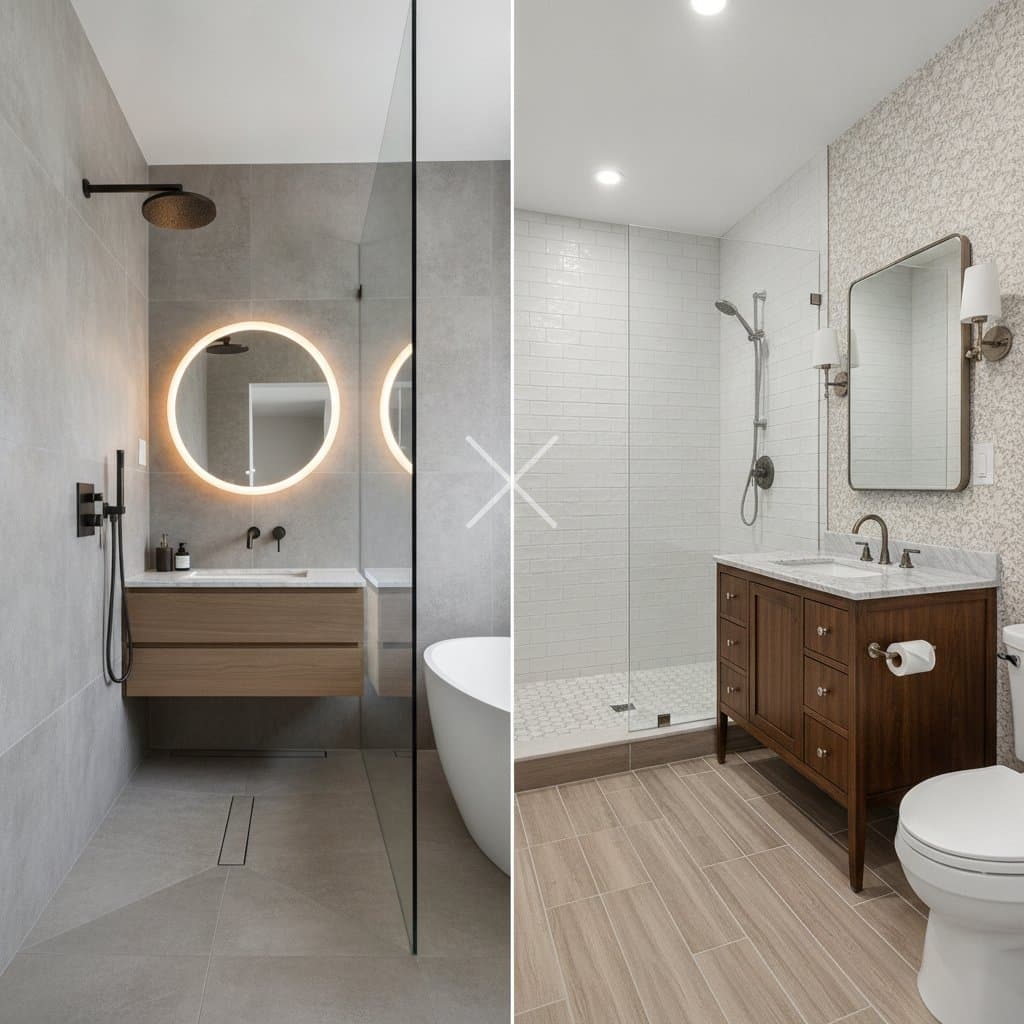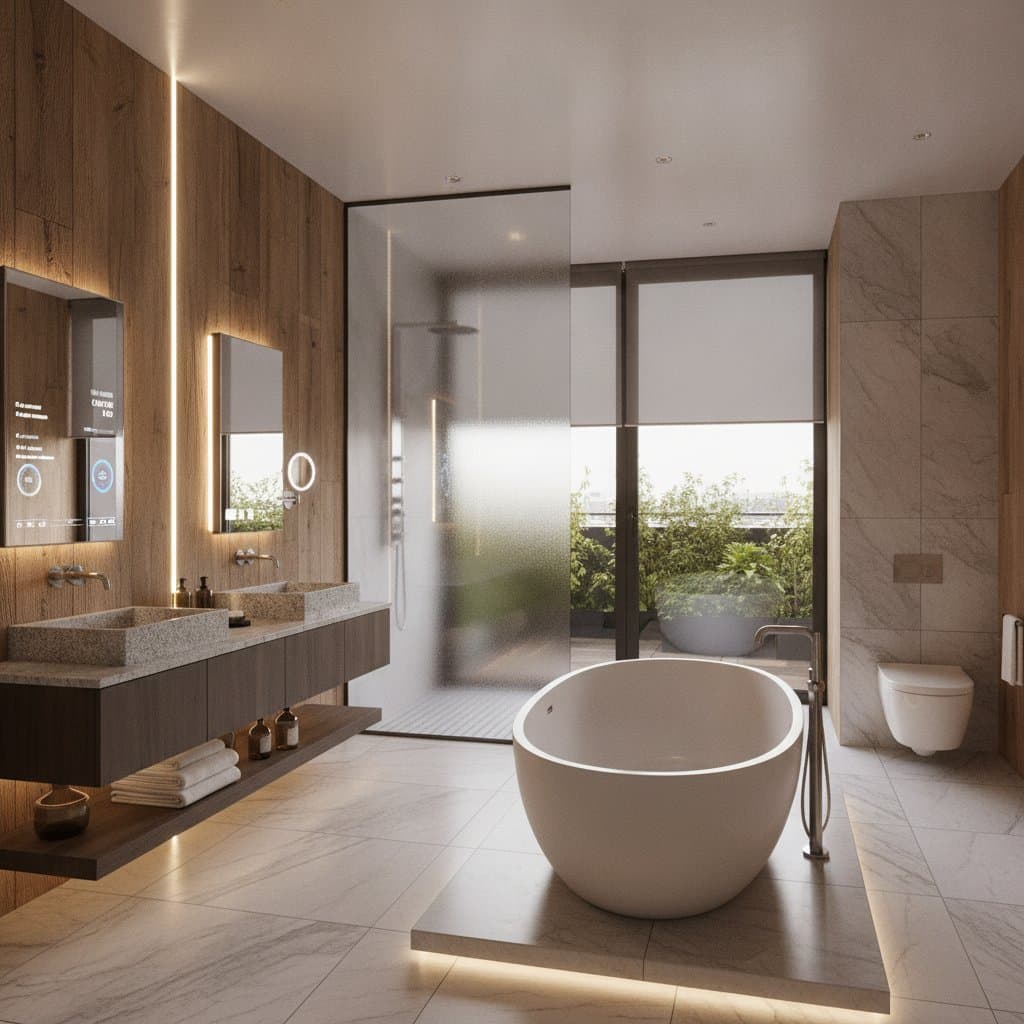
- Finish materials and fixtures: Selection of mid-level options helps control expenses, whereas premium upgrades accelerate cost increases.
- Permitting and oversight fees: These vary by local jurisdiction and may accumulate to several thousand dollars.
Project timelines vary as follows:
- DIY approach with specialized subcontractors: Six to twelve months, contingent on project scope.
- Engagement of a full-service contractor: Three to six months, commencing from design endorsement through to concluding inspection.
Project complexity rates as advanced, involving coordination among multiple trades, structural modifications, and adherence to building codes.
DIY Elements Versus Professional Expertise
Certain aspects of a multigenerational addition permit personal oversight, yet comprehensive construction demands certified specialists to guarantee safety and regulatory conformity.
Elements suitable for DIY management include:
- Preliminary design planning and basic layout drafting.
- Interior painting applications, trim installations, and flooring placements.
- Elementary landscaping adjustments and concluding site cleanup.
Tasks necessitating licensed professionals involve:
- Structural framing or alterations to load-bearing walls.
- Electrical wiring installations and service panel enhancements.
- Plumbing line extensions or novel sewer linkages.
- HVAC system designs and implementations.
- Roofing assemblies, insulation applications, and window fittings.
Comparative cost assessments indicate:
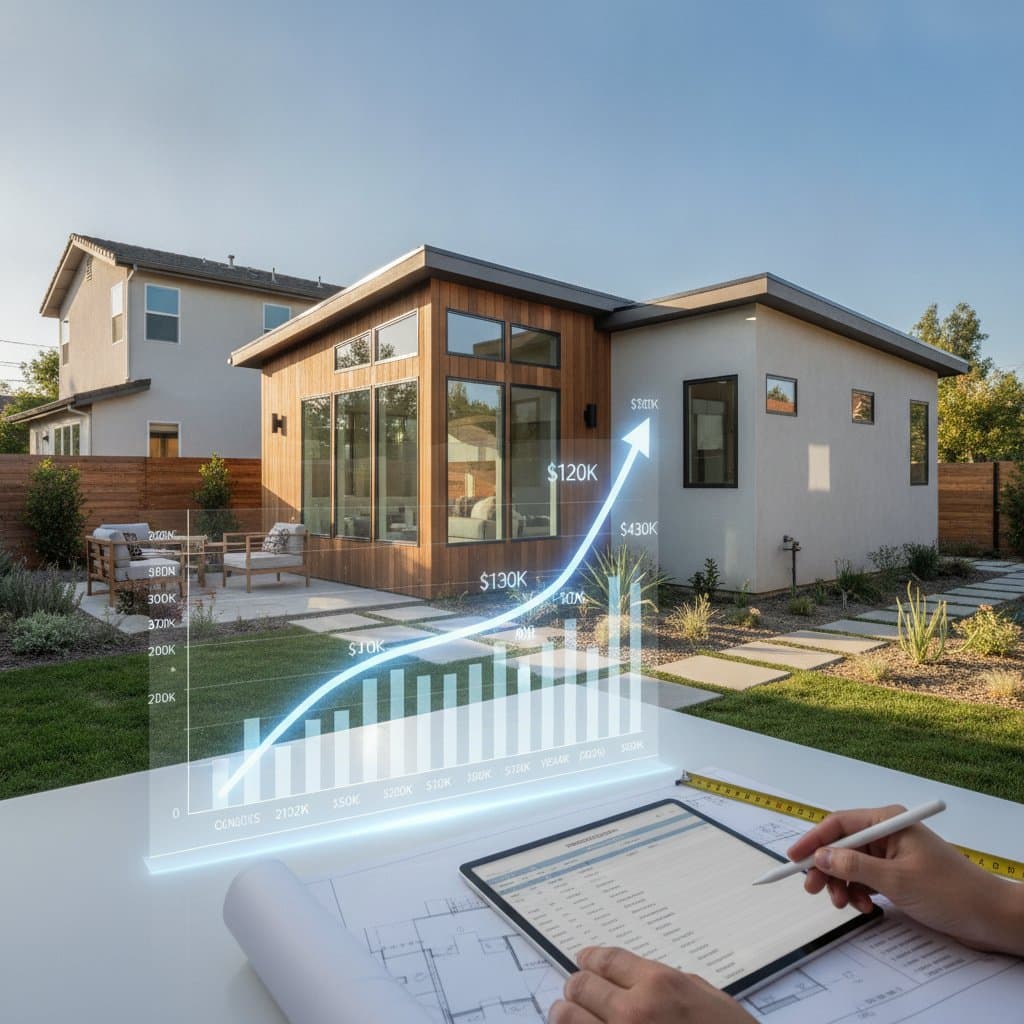
- DIY-coordinated initiatives: $90,000 to $200,000, based on subcontractor pricing.
- Comprehensive contractor services: $150,000 to $450,000, incorporating design, permitting, and oversight functions.
Engaging professionals minimizes liabilities, secures code adherence, and facilitates expedited permitting processes.
Detailed Construction Process
1. Establish Objectives and Spatial Design
Identify the intended functions of the addition for family use. Specify inclusions such as complete kitchens, independent entrances, or communal areas.
- Develop preliminary floor plans incorporating precise room measurements.
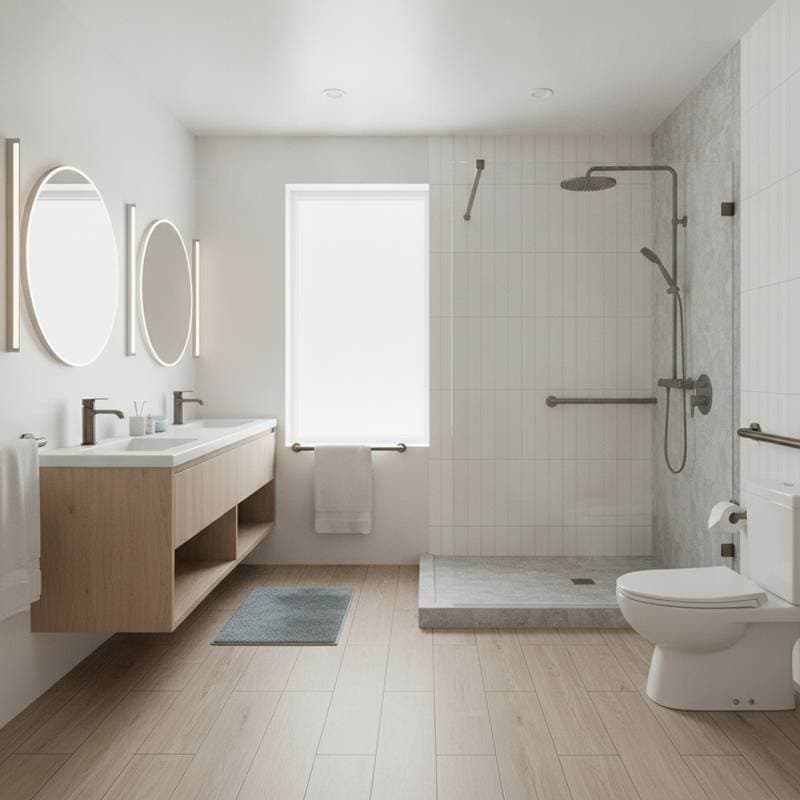
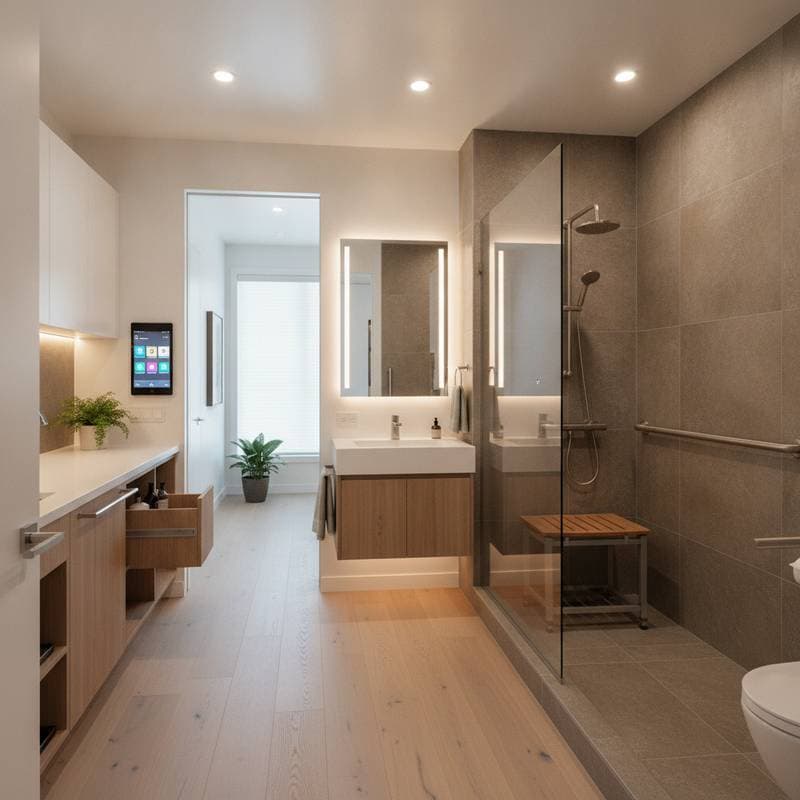
- Incorporate accessibility features to accommodate potential mobility needs of older residents.
Verification point: Confirm that the design addresses privacy requirements, ease of movement, and overall comfort for separate living units.
2. Confirm Zoning and Regulatory Standards
Consult the local building authority to ascertain permissible developments on the property.
- Review regulations concerning setbacks, maximum heights, and allowable lot coverage percentages.
- Examine specific guidelines for ADUs and in-law suites.
Verification point: Obtain documented assurance of regulatory alignment prior to advancing design phases.
3. Develop Budget and Funding Strategy
Calculate comprehensive expenses covering design, permits, labor, and materials.
- Incorporate a 10 to 15 percent buffer for unforeseen complications.
- Investigate options such as home equity loans or dedicated construction financing.
Verification point: Ensure the fiscal outline sustains all phases up to and including final oversight.
4. Finalize Addition Design
Engage an architect or design-build firm to produce comprehensive blueprints.
- Integrate plans for structural, electrical, and plumbing components.
- Prioritize energy conservation via adequate insulation and airflow systems.
Verification point: Validate that designs receive local authority approval before initiating construction.
5. Obtain Necessary Permits
Present blueprints and application documentation to the municipal permitting entity.
- Remit associated fees and arrange for mandatory inspections.
- Affix approved permits visibly at the construction site.
Verification point: All authorizations must be granted and current prior to commencing excavation.
6. Site Preparation Measures
Remove existing vegetation, delineate property lines, and prepare a stable base area.
- Safeguard adjacent buildings and underground utilities.
- Implement erosion prevention protocols as mandated.
Warning: Utility Risks
Request professional utility location services before any excavation.
Verification point: Confirm site stability, even grading, and readiness for foundational work.
7. Foundation and Framing Construction
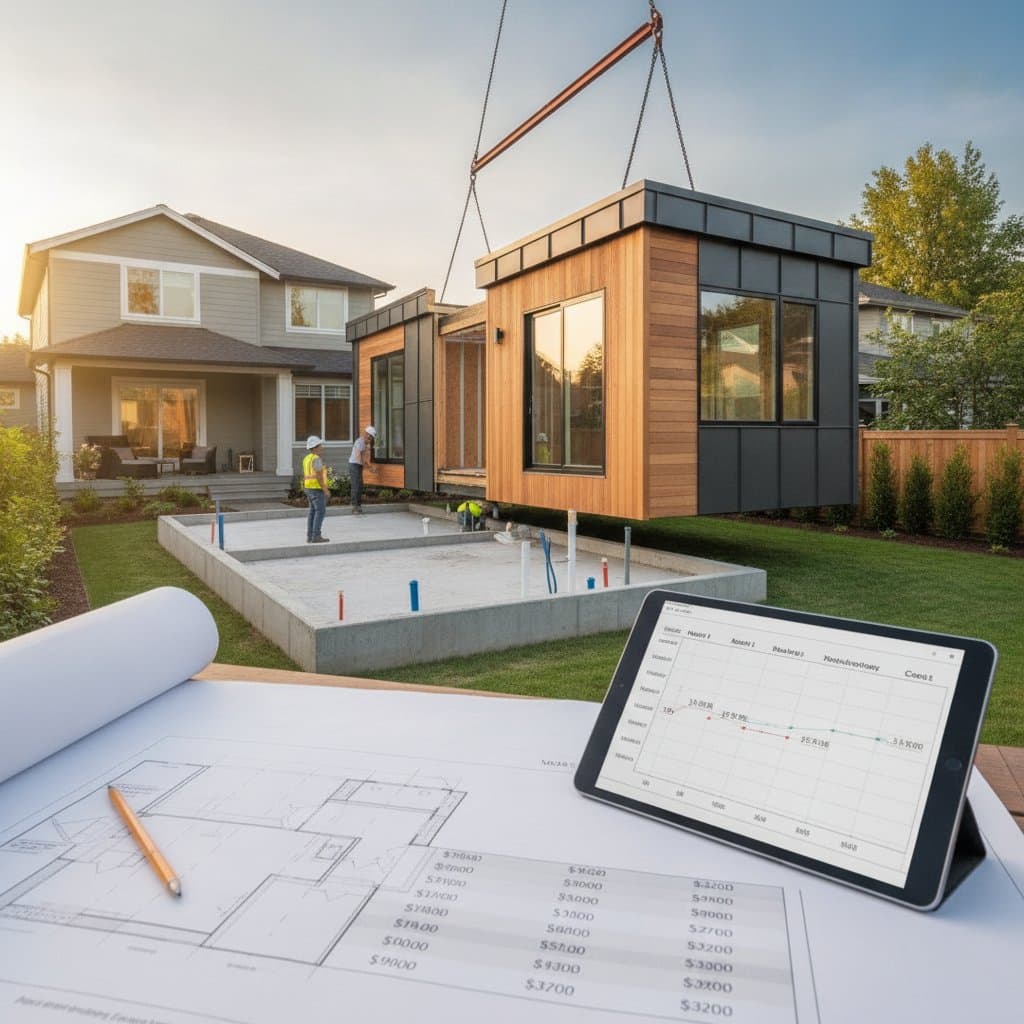
Install concrete footings or extend existing slabs. Erect wall, roof, and aperture frameworks.
- Employ pressure-treated lumber in contact with concrete surfaces.
- Ensure framing alignment and perpendicularity prior to exterior sheathing.
Verification point: Walls maintain level positioning and synchronize with the primary residence.
8. Utility System Installations
Route electrical conduits, plumbing pipes, and HVAC ducts per approved schematics.
- Adhere to code specifications for conductor sizes, pipe dimensions, and exhaust systems.
- Arrange rough-in inspections post-installation.
Warning: Electrical Dangers
Deactivate power supply at the primary panel during circuit integrations.
Verification point: Systems achieve passing grades in preliminary inspections before proceeding to insulation.
9. Enclosure and Insulation Assembly
Apply insulation materials, affix drywall, and install windows with doors. Secure seams to promote thermal efficiency.
- Incorporate vapor barriers in moisture-prone zones like bathrooms and kitchens.
- Conduct operational tests on windows prior to surface treatments.
Verification point: Enclosure remains airtight, adequately insulated, and resistant to weather elements.
10. Interior Completion Tasks
Mount cabinetry, lay flooring, apply trim, and fit fixtures. Apply paint finishes and integrate appliances.
- Select resilient materials suited for sustained usage.
- Test functionality of plumbing and electrical components.
Verification point: Interior elements conform fully to original design parameters.
11. Concluding Inspection and Habitation Approval
Solicit final evaluation from the building department.
- Submit records for all mechanical installations.
- Address any identified discrepancies promptly.
Verification point: Acquire official certificate of occupancy prior to utilization.
Essential Safety Protocols
- Warning: Elevated Work Hazards
Employ certified scaffolding or stable ladders for tasks above ground level. - Caution: Chemical Handling
Utilize protective gloves and respiratory gear during insulation or solvent applications. - Caution: Shock Prevention
Restrict service panel modifications to qualified electricians. - Maintain site tidiness by clearing debris each day to avert mishaps.
- Position tools and supplies clear of pathways and access points.
Issue Resolution and Assurance Measures
Frequent challenges and remedies:
- Floor unevenness: Reassess foundation alignment pre-finishing; employ shims on joists as required.
- Air infiltration or moisture entry: Apply sealants like foam or caulk around window and door perimeters.
- Plumbing vibrations: Insulate pipes or fasten unsecured supports.
- Electrical circuit strains: Balance loads and verify breaker capacities.
Quality assessment criteria:
- Floor surfaces level to within 1/8 inch over 10 feet.
- Doors and windows operate without resistance.
- Climate control systems distribute evenly across spaces.
- Absence of cracks in drywall or trim elements.
Waste Management and Finalization
Handle construction remnants in an environmentally responsible fashion.
- Categorize waste streams such as wood, metals, drywall, and concrete for recycling opportunities.
- Coordinate removal services via municipal waste providers.
- Thoroughly cleanse all surfaces using gentle detergents ahead of occupancy transfer.
- Inspect premises to eliminate hazards like protruding fasteners or debris.
Ongoing Upkeep and Durability Expectations
Properly constructed additions endure comparably to the primary dwelling with diligent maintenance.
Scheduled upkeep routines:
- Examine sealants, coatings, and flashings annually.
- Validate smoke alarms and ground-fault circuit interrupter (GFCI) devices monthly.
- Replace HVAC filters quarterly.
- Perform drain flushing and pressure verifications routinely.
Projected service life:
- Roofing systems: 20 to 30 years, material-dependent.
- Window assemblies: 15 to 25 years under regular care.
- Flooring installations: 10 to 20 years, influenced by usage intensity.
- HVAC units: 15 to 20 years with yearly professional servicing.
Indicators for Professional Intervention
Summon certified contractors for undertakings involving structural alterations, extensive utility work, or intricate permitting.
Specialist fee structures:
- Design and structural engineering: $4,000 to $15,000.
- Complete construction: $150,000 to $450,000, scaled by dimensions and locale.
- Permitting and inspection services: $2,000 to $10,000.
Contractor evaluation protocol:
- Confirm possession of state licensure and liability coverage.
- Solicit client testimonials from comparable recent endeavors.
- Secure a formal agreement delineating scope, timelines, and payment schedules.
- Verify provisions for warranties on labor and materials.
Strategies for Optimal Outcomes
- Integrate accessibility provisions proactively, such as broadened doorways and unobstructed shower areas, to elevate resale potential.
- Opt for subdued color palettes and materials that harmonize with the existing home aesthetic.
- Incorporate acoustic insulation between living zones to enhance seclusion.
- Select high-efficiency windows and insulation to curtail future utility expenses.
- Maintain comprehensive documentation of permits, evaluations, and guarantees for ongoing reference.
Constructing a multigenerational home addition represents a significant commitment that fosters stronger familial bonds and elevates asset worth. Through meticulous preparation, prudent financial allocation, and expert consultation, families achieve secure, efficient completions that serve for generations.