Aging-in-Place Upgrades: $5,000 to $40,000 in 2026
Aging in place allows individuals to maintain independence and comfort within their own homes as they age. These upgrades address common challenges such as mobility limitations and safety risks. In 2026, costs for such modifications range from $5,000 for basic enhancements to $40,000 for comprehensive renovations, influenced by material choices, labor rates, and regional factors.
Homeowners benefit from these investments through reduced healthcare expenses and prolonged familiarity with their living spaces. This guide explores essential upgrades, planning considerations, and execution strategies to create accessible environments.
Understanding Aging-in-Place Modifications
Aging-in-place modifications transform standard homes into supportive settings. These changes focus on accessibility, safety, and ease of use without requiring relocation. Key principles include universal design, which accommodates all ages and abilities from the outset.
Common motivations include preventing falls, simplifying daily tasks, and accommodating medical equipment. Statistics indicate that over 90 percent of older adults prefer remaining at home, making these upgrades a practical choice. Early planning ensures modifications align with future needs.
Essential Upgrades and Their Costs
Upgrades vary in scope and expense. Basic installations start at $5,000, while extensive projects approach $40,000. Below is a breakdown of popular options projected for 2026, accounting for inflation and material cost increases.
Entry-Level Enhancements ($5,000 to $10,000)
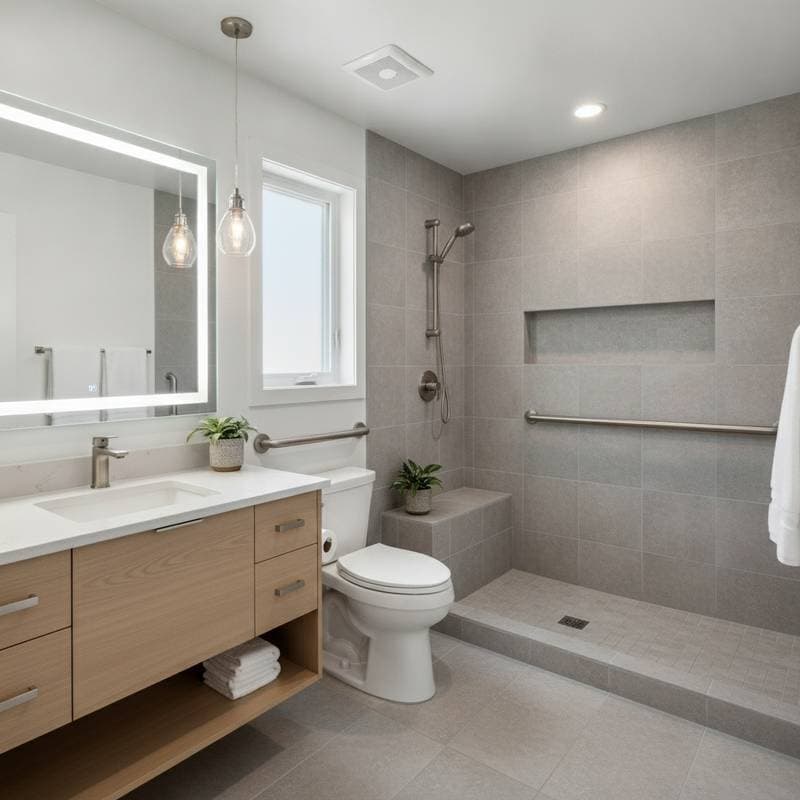
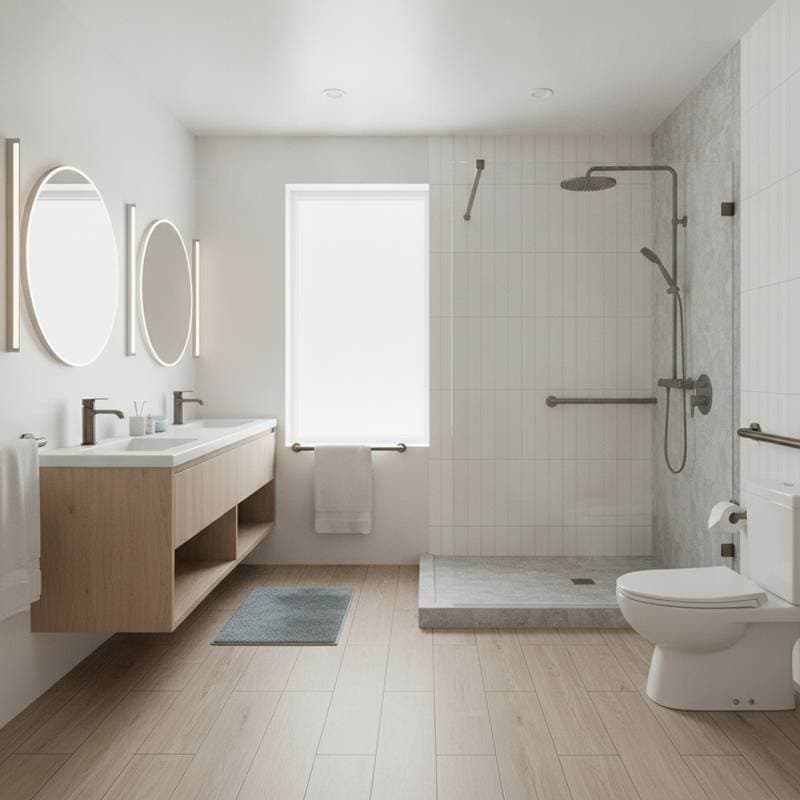
These affordable changes provide immediate safety benefits. Grab bars in bathrooms cost $200 to $500 each, including installation. Non-slip flooring upgrades run $2,000 to $4,000 for a standard room, using durable materials like vinyl or cork.
Lever-style door handles replace knobs for $100 to $300 per door, easing grip issues. Motion-sensor lighting for hallways and exteriors adds $500 to $1,000, reducing nighttime hazards. These modifications require minimal disruption and yield quick returns on investment.
Mid-Range Improvements ($10,000 to $20,000)
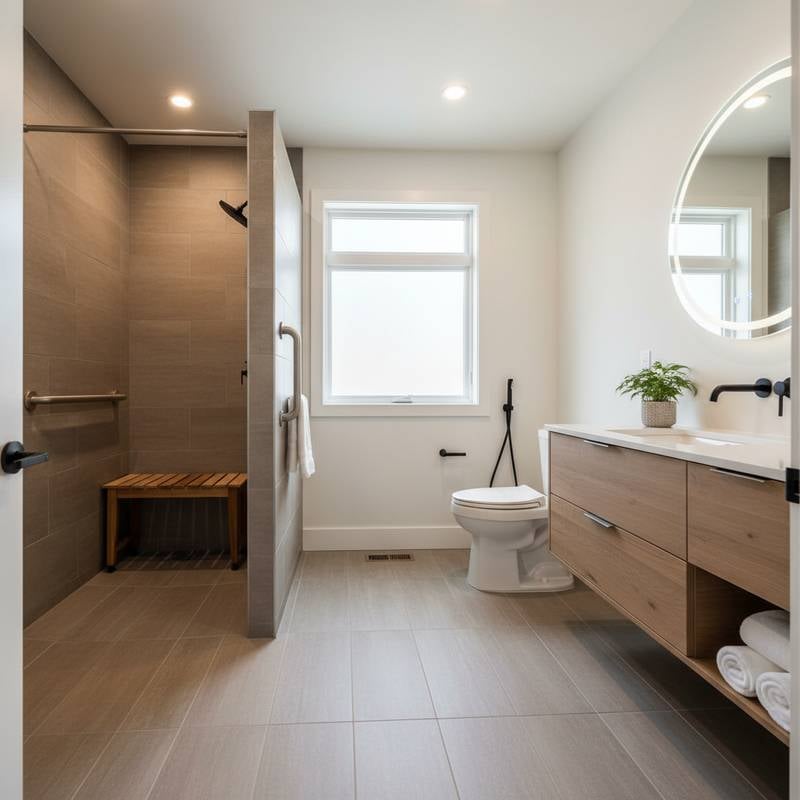
Mid-tier projects enhance functionality across multiple areas. A walk-in shower conversion, including curbless entry and bench seating, averages $8,000 to $12,000. Kitchen adaptations such as pull-out cabinets and lowered countertops cost $3,000 to $5,000.
Ramping for single-story entries or interior thresholds ranges from $2,000 to $4,000, depending on length and slope. Stairlifts for two-story homes start at $3,500, offering reliable vertical mobility. These upgrades balance cost with significant lifestyle improvements.
Comprehensive Renovations ($20,000 to $40,000)
Full-scale remodels create fully accessible homes. A complete bathroom overhaul with roll-in showers, adjustable-height fixtures, and widened doorways can exceed $15,000. Whole-home elevator installations reach $30,000 to $40,000, ideal for multi-level properties.
Smart home integrations, including voice-activated controls and automated doors, add $5,000 to $10,000. Structural changes like widening hallways or removing walls for open layouts fall in the $10,000 to $20,000 range. Professional assessments ensure these investments meet long-term requirements.
Navigating Permits and Regulations
Local building codes govern aging-in-place projects. Permits become necessary for structural alterations, electrical work, or plumbing changes. Homeowners should contact their municipal planning department early to identify requirements.
Basic installations like grab bars often require no permits, but bathroom remodels typically do. Expect fees of $100 to $500, plus inspection costs. In 2026, updated accessibility standards may mandate features like reinforced walls for future grab bar additions.
Compliance avoids fines and ensures insurance coverage. Consult zoning laws for exterior ramps, which must maintain aesthetic harmony with neighborhoods. Professional contractors handle permit applications, streamlining the process.
DIY Versus Hiring Professionals
Skill level determines whether to tackle projects personally or hire experts. Simple tasks suit handy individuals with basic tools. However, complex work demands licensed professionals for safety and code adherence.
When to Go DIY
Installations like grab bars or lighting fixtures work well for DIY enthusiasts. These require moderate skills and tools such as drills, levels, and stud finders. Time investment ranges from a few hours to weekends, keeping costs low.
Always prioritize safety; improper installation risks injury. Research tutorials from reputable sources, but verify local codes first.
Benefits of Professional Help
Hire contractors for structural, electrical, or plumbing tasks. Experts possess certifications and warranties, reducing liability. Costs include labor at $50 to $150 per hour, but they prevent costly errors.
Select firms specializing in aging-in-place, such as those certified by the National Association of Home Builders. Obtain multiple quotes and check references to ensure quality workmanship.
Tools and Skills for Successful Upgrades
Essential tools include power drills, saws, and measuring tapes for precise work. Safety gear like gloves, goggles, and sturdy ladders protects during installations. For electrical tasks, multimeters and wire strippers prove invaluable.
Required skills range from basic carpentry to advanced plumbing knowledge. Beginners benefit from online courses or community workshops. Advanced projects demand experience with load-bearing walls or hydraulic systems.
Invest in quality tools for durability. Rent specialized equipment like tile cutters for one-time use, saving upfront expenses.
Safety Insights for Long-Term Accessibility
Safety forms the cornerstone of aging-in-place designs. Eliminate tripping hazards by securing rugs and cords. Install smoke and carbon monoxide detectors with accessible placement.
Lighting strategies combat low visibility; layer ambient, task, and accent lights throughout the home. Emergency response systems, including medical alert buttons, integrate seamlessly for peace of mind.
Regular maintenance sustains these features. Annual inspections identify wear, ensuring ongoing reliability.
Planning Your Aging-in-Place Strategy
Start with a home assessment to pinpoint priorities. Engage occupational therapists for personalized recommendations. Budget allocation should cover 10 to 20 percent contingency for unforeseen issues.
Phased implementation spreads costs over time. Begin with high-impact areas like bathrooms and kitchens. Track progress with checklists to maintain momentum.
Financing options include home equity loans or grants from aging services organizations. Tax credits for accessibility modifications provide additional savings in 2026.
Realizing the Value of Accessible Living
These upgrades foster independence and security, allowing residents to age gracefully at home. Families gain reassurance knowing loved ones navigate spaces confidently. The return extends beyond finances to enhanced quality of life.
Investing now prepares homes for evolving needs, minimizing future disruptions. Consult professionals to tailor solutions that endure.