Universal Design Remodeling for Lifelong Home Independence
Quick Overview
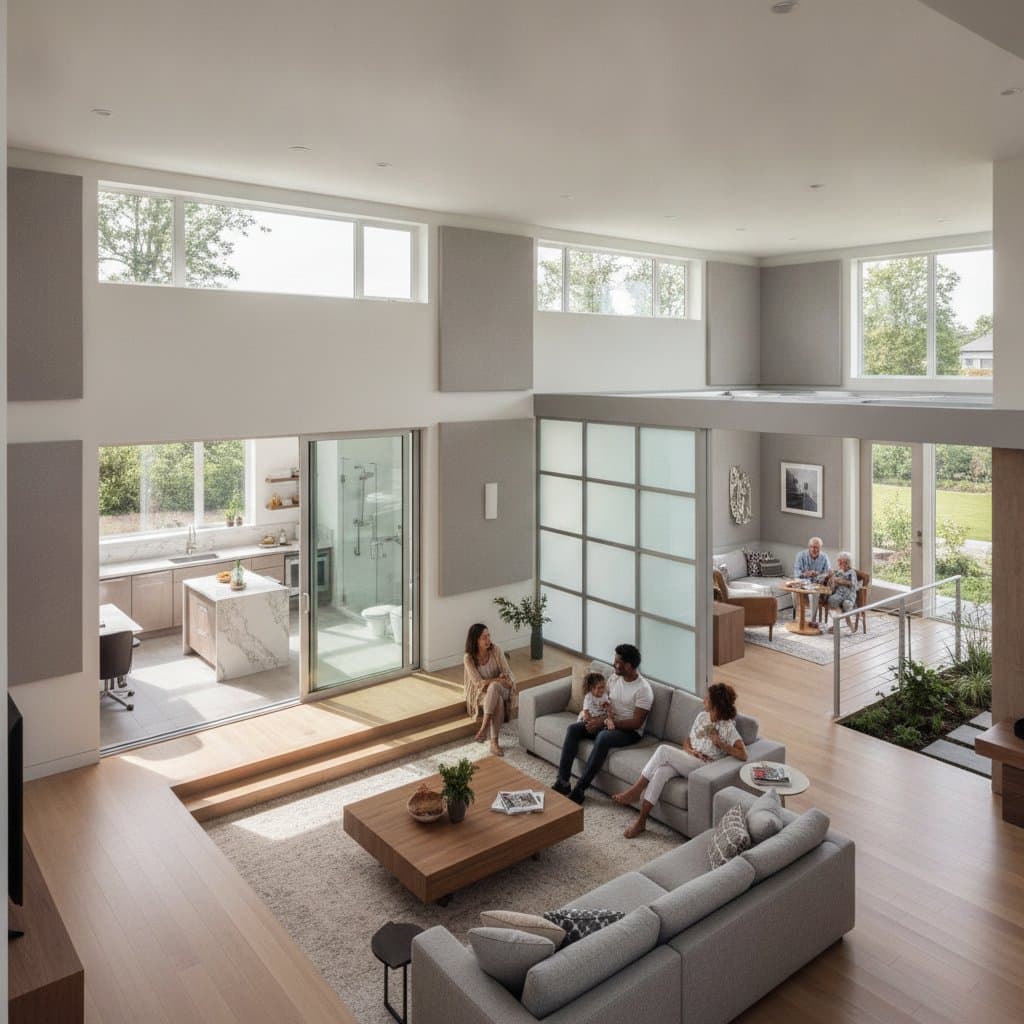
Universal design remodeling focuses on creating living spaces that accommodate individuals of all ages and abilities. This method integrates features for easy navigation, reduced physical strain, and enhanced safety while preserving the home's aesthetic and operational efficiency. Homeowners benefit from environments that evolve with changing needs, from young families to aging residents.
Cost and Time Estimates
The expense of a universal design remodel ranges from $15,000 to $80,000, influenced by the project's scale and location. Basic modifications, such as installing wider doorways or grab bars, typically cost under $20,000. Comprehensive renovations, like reconfiguring a kitchen or bathroom, often exceed $50,000 due to material selections, labor, and permitting requirements.
Time commitments vary by complexity. Simple DIY tasks, including lever handle installations or lighting adjustments, require only a few days. Larger professional projects, which involve structural alterations, extend over four to eight weeks, accounting for planning, execution, and inspections.
Difficulty rating: Moderate to advanced. Electrical, plumbing, or structural work demands certified professionals to meet safety codes.
DIY vs Professional Guidance
Homeowners with basic skills and tools handle straightforward updates effectively. Suitable DIY projects include mounting grab bars in bathrooms, swapping traditional knobs for lever handles on doors, and incorporating motion-activated lights in entryways and hallways.
Professional involvement becomes essential for tasks that alter infrastructure. These encompass relocating walls, wiring, or plumbing lines; smoothing uneven flooring transitions; and installing custom cabinetry or structural reinforcements. A specialist in universal design guarantees adherence to accessibility guidelines, such as those from the Americans with Disabilities Act, and local building regulations.
DIY cost range: $100 to $2,000, covering materials like hardware and basic fixtures.
Professional remodel range: $10,000 to $80,000, including design consultations and warranties.
Step-by-Step Instructions
1. Assess Current Needs
Begin by evaluating the home's layout to pinpoint accessibility challenges. Conduct a room-by-room inspection: measure doorway widths to ensure they exceed 32 inches for clear passage, assess hallway clearances for at least 36 inches of navigable space, and evaluate lighting levels alongside switch placements. Identify potential tripping risks on flooring, such as loose rugs or abrupt height changes.
Document findings with photographs and notes. This assessment reveals immediate priorities, like insufficient handrail support or high-placed controls, setting the foundation for targeted improvements.
Success check: All primary areas allow movement without excessive effort, strain, or risk of imbalance.
2. Plan for Accessibility
Prioritize unobstructed pathways throughout the residence. Widen doorways to a minimum of 36 inches to facilitate entry for mobility aids. Ensure hallways measure at least 42 inches across to permit comfortable passage, and incorporate ramps with a gentle slope of one inch rise per 12 inches of run for any steps.
Consult floor plans or sketch modifications to visualize changes. These adjustments promote fluid circulation, reducing fatigue during daily routines.
Success check: Mobility devices, such as wheelchairs or walkers, traverse spaces effortlessly without obstructions.
3. Upgrade Lighting and Controls
Enhance visibility and ease of use by selecting user-friendly controls and illumination. Position rocker or touch-sensitive switches between 36 and 44 inches from the floor to accommodate seated or standing users. Integrate adjustable task lighting in high-activity zones like kitchens and bathrooms, using fixtures that provide 200 to 300 lumens per square foot.
Test switches for responsiveness and ensure they require minimal force. Proper lighting eliminates shadows that could cause accidents.
Success check: Illumination supports clear vision, and controls operate without awkward reaching or stooping.
4. Modify the Bathroom
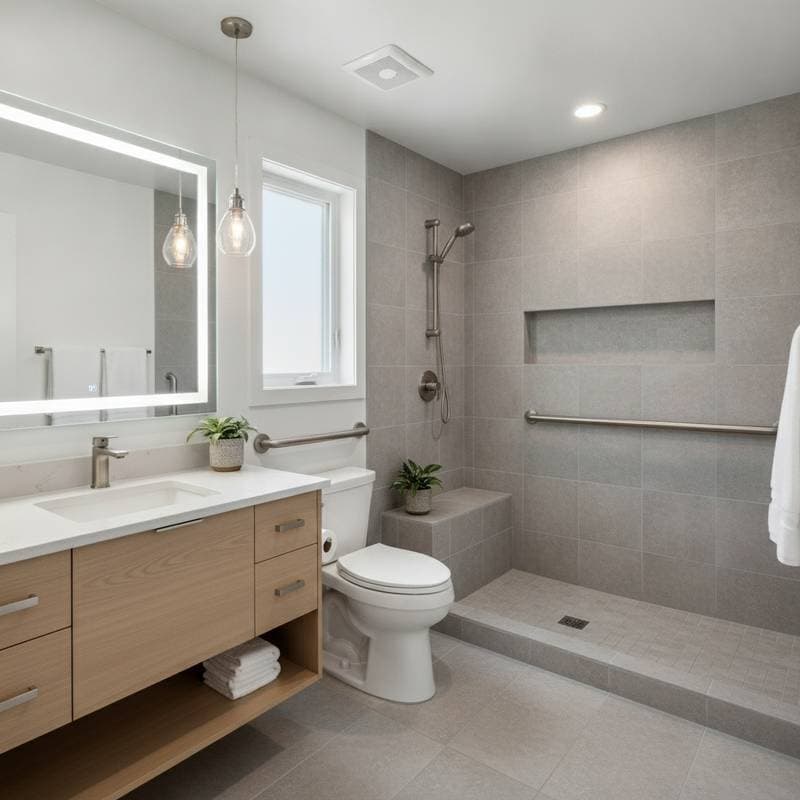
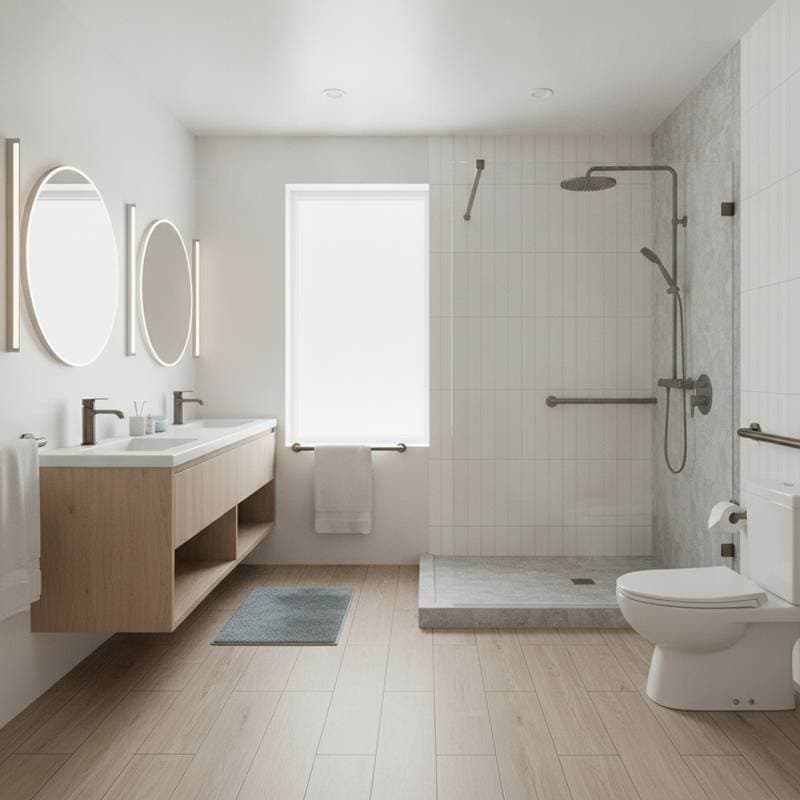
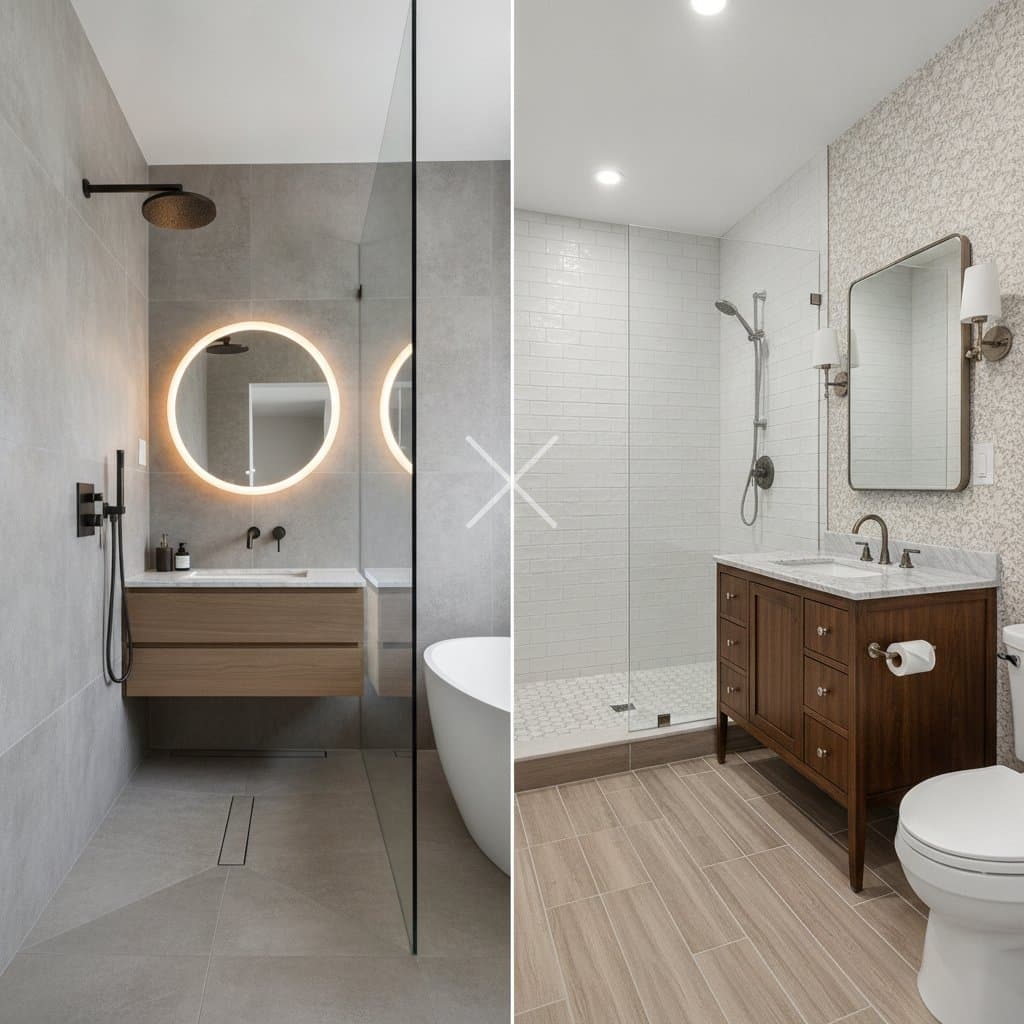
Revamp bathroom elements to minimize slip and fall risks. Opt for a curbless walk-in shower equipped with a handheld showerhead adjustable to various heights. Securely install grab bars—typically 1.25 to 1.5 inches in diameter—adjacent to the toilet and within the shower, anchored into wall studs for stability.
Select flooring with a high coefficient of friction, such as textured porcelain tiles, finished in a non-glare matte surface. Always shut off the water supply and drain lines before disassembling fixtures to prevent flooding.
Warning: Wet Surface Hazard. Proceed cautiously on damp floors during installation.
Success check: Individuals enter, maneuver, and exit the space with secure footing and support.
5. Adapt the Kitchen
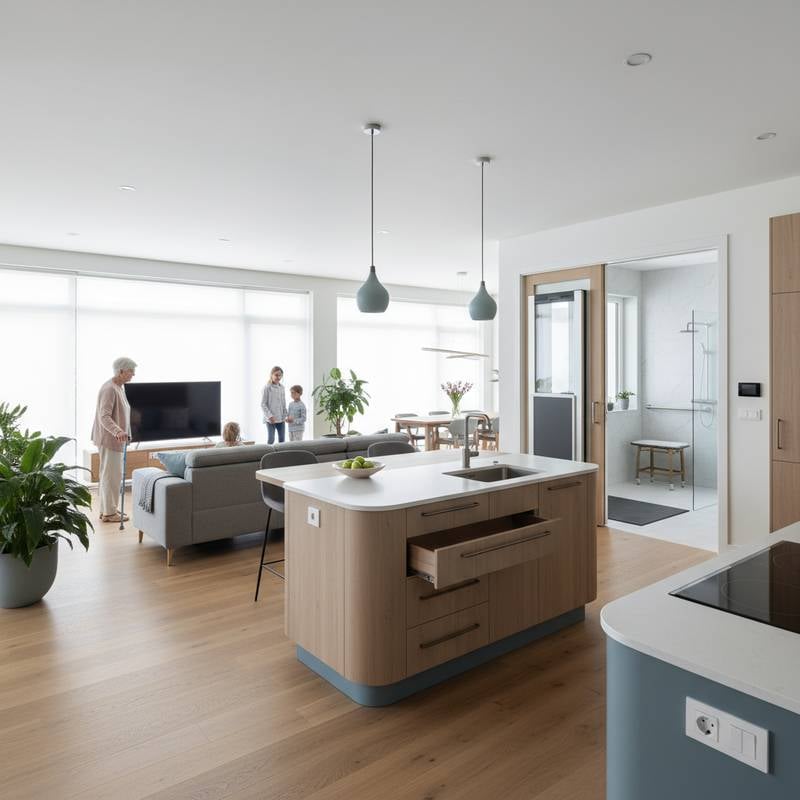
Streamline kitchen functionality for efficient use by all household members. Adjust countertop heights to 34 inches where standing aids are unavailable, ensuring ample knee space underneath for seated access. Incorporate storage solutions like pull-out shelves in cabinets, deep drawers for utensils, and rotating lazy Susans in corners to avoid stretching.
Organize essentials within a 15 to 48-inch vertical range from the floor, aligning with ergonomic principles. This setup supports safe handling of appliances and ingredients.
Success check: All tools and surfaces remain reachable without strain during meal preparation.
6. Ensure Safe Entryways
Fortify entry points against common hazards like uneven thresholds or poor visibility. Install non-slip mats or textured surfaces at doors, paired with bright LED floodlights activated by motion sensors. Replace high thresholds with beveled transitions no taller than half an inch, and add exterior ramps if elevation changes exceed four inches.
Mount handrails on both sides of stairs or ramps, extending 12 inches beyond the top and bottom steps for gradual support. Verify all components withstand at least 250 pounds of force.
Caution: Fall Risk. Confirm secure fastening of railings prior to reliance.
Success check: Access points provide stable, well-lit, and barrier-free passage.
Tools and Materials
Gather essential items for effective implementation:
- Tape measure and bubble level for precise alignments
- Cordless power drill with assorted bits for secure installations
- Lever-style door handles in durable finishes like brushed nickel
- ADA-compliant grab bars with concealed mounting hardware
- Slip-resistant flooring tiles or interlocking mats
- Rocker switches compatible with existing wiring and energy-efficient LED bulbs
- Pull-out cabinet organizers and adjustable shelving brackets
Stock extras like screws, anchors, and sealants to address unforeseen adjustments.
Troubleshooting and Quality Checks
Address common issues promptly to maintain reliability. For uneven flooring, measure discrepancies and insert shims beneath transitions, then cover with trim molding for a seamless finish. If grab bars wobble, retrofit with toggle bolts or add wooden blocking behind drywall for firmer anchorage.
Dim lighting calls for upgrading to 800-lumen bulbs or positioning additional under-cabinet fixtures. Perform functionality tests post-installation: simulate use with mobility aids, check door swings for full 90-degree clearance, and verify controls respond smoothly.
Cleanup and Disposal
Manage waste responsibly after each phase. Segregate recyclable items such as metal pipes, glass tiles, and untreated lumber for curbside collection or facility drop-off. Hazardous materials, including old adhesives, paints, and electrical components, require transport to designated recycling centers to comply with environmental standards.
Clean work areas thoroughly: wipe down surfaces with mild soap solutions and vacuum fine dust particles. Allow ventilation for 24 hours before resuming occupancy to improve indoor air quality.
Maintenance and Lifespan
Routine upkeep preserves the longevity of these adaptations. Schedule biannual inspections of grab bars for tightness, flooring for cracks, and lighting for consistent performance. Address minor wear immediately, such as resealing shower bases or replacing dimmed bulbs, to prevent escalation.
Quality installations endure 15 to 25 years with diligent care, adapting to evolving household dynamics without frequent overhauls.
When to Call a Professional
Engage experts for any work involving plumbing rerouting, electrical panel upgrades, or load-bearing modifications. Regional labor rates for certified contractors range from $75 to $150 per hour, varying by project demands and urban versus rural settings.
Contractor checklist:
- Confirm valid licensing and comprehensive insurance coverage.
- Obtain itemized estimates outlining materials, labor, and timelines.
- Review references from comparable universal design endeavors.
- Secure written warranties for workmanship and products, typically spanning one to five years.
Pro Tips for Lasting Adaptability
Initiate with targeted enhancements, such as lever handles and enhanced showers, to yield quick wins in usability. Emphasize durable, low-maintenance materials that align with personal style preferences. These strategic remodels foster enduring independence, allowing homes to serve as supportive sanctuaries through every chapter of life.