Understanding Universal Design for Home Remodeling
Universal design principles focus on creating environments that accommodate individuals of all ages, abilities, and sizes. These approaches ensure homes remain functional and comfortable throughout life changes, particularly for aging in place. By integrating features like lever handles and non-slip flooring from the outset, homeowners avoid costly retrofits later.
This design philosophy originated in the 1980s and emphasizes seven key elements: equitable use, flexibility, simple operation, perceptible information, tolerance for error, low physical effort, and size for approach and use. In remodeling, these translate to practical upgrades that enhance safety without sacrificing aesthetics. For 2026 projections, costs reflect rising material prices and labor demands, yet offer long-term value.
Factors Influencing Remodel Costs in 2026
Several variables determine the expense of a universal design remodel. Location plays a significant role, as urban areas command higher labor rates than rural settings. The scope of the project also matters; a single-room update costs less than a whole-home overhaul.
Material choices impact budgets substantially. Opt for durable, low-maintenance options like vinyl plank flooring over exotic woods to control expenses. Inflation forecasts for 2026 suggest a 3-5% increase in construction costs, pushing baseline projects toward the higher end of estimates.
Permitting and compliance add layers to the financial picture. Local building codes require adherence to accessibility standards, such as those from the Americans with Disabilities Act. Professional assessments ensure projects meet these without unexpected fees.
Cost Breakdown by Project Type
Entryway and Exterior Modifications
Step-free entries eliminate tripping hazards and improve mobility. Installing a ramp or grading the landscape typically ranges from $2,000 to $8,000, depending on site conditions. Wider pathways and automatic door openers add $1,500 to $4,000 more.
These changes provide immediate benefits for wheelchair users or those with mobility aids. Consider weather-resistant materials to withstand outdoor exposure. In 2026, expect slight upticks due to supply chain factors.
Interior Doorways and Hallways
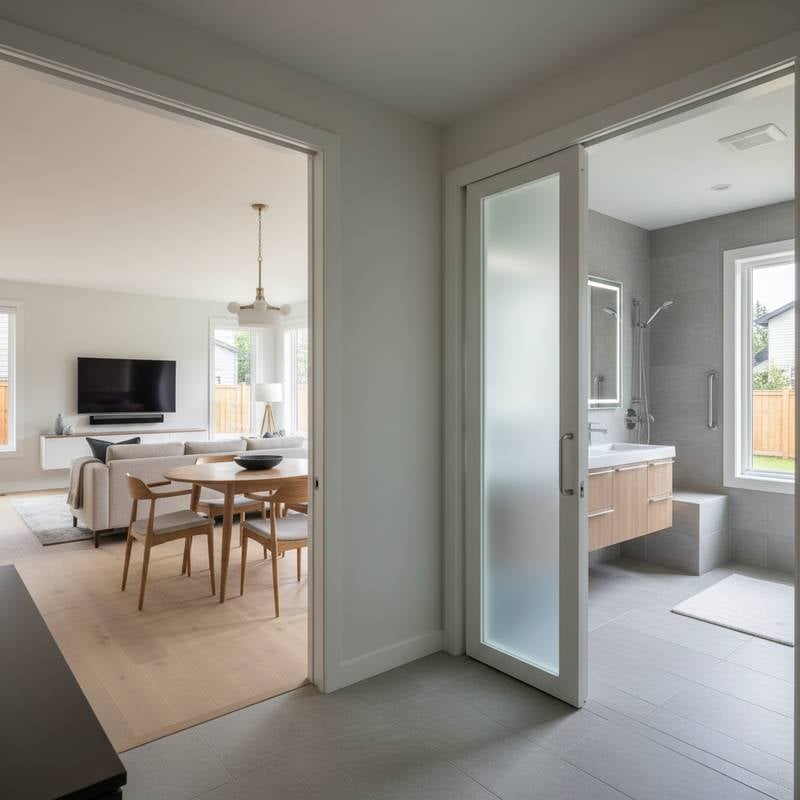
Expanding doorways to 36 inches accommodates walkers and wheelchairs effectively. This modification costs $1,000 to $3,000 per door, including framing adjustments. Hallway widening, if needed, escalates to $5,000 for a standard 10-foot stretch.
Lever-style handles replace traditional knobs for easier operation, at $50 to $100 each. Smooth transitions between rooms prevent obstacles. These updates maintain the home's original charm while boosting functionality.
Bathroom Accessibility Upgrades
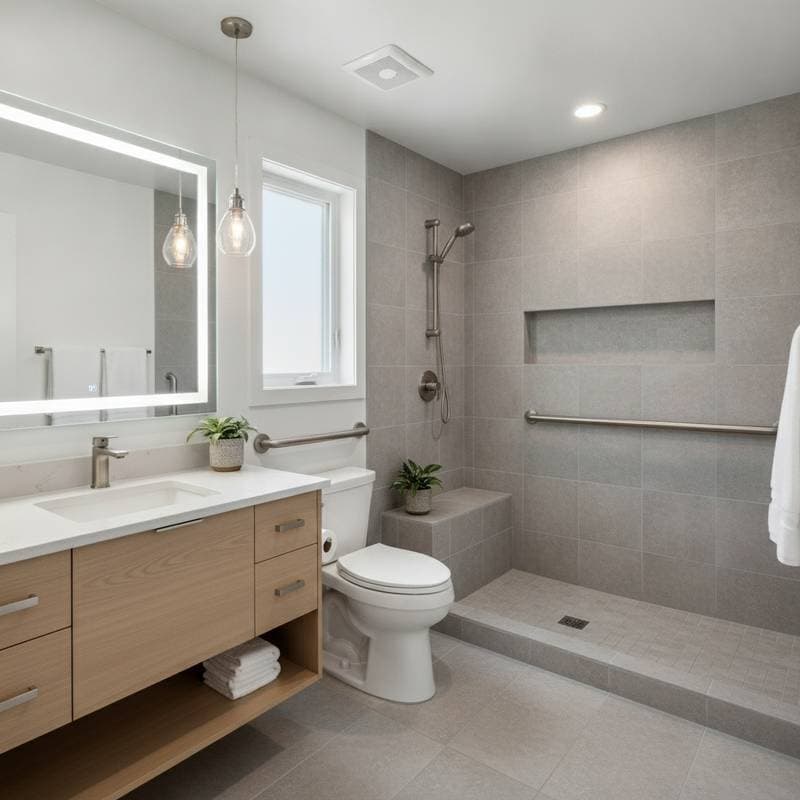
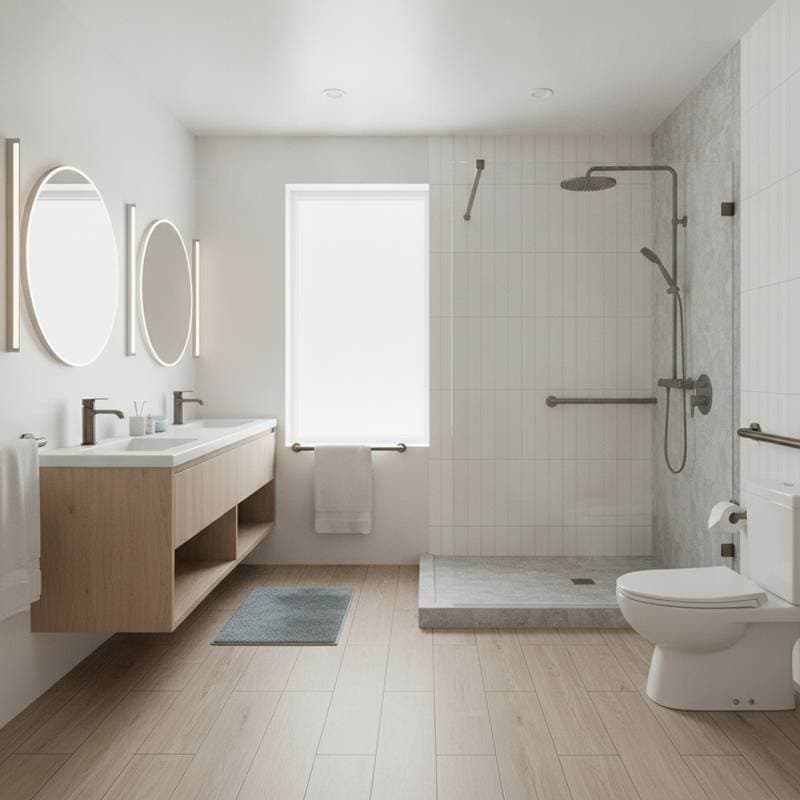
Bathrooms demand careful attention for safety. Walk-in showers with grab bars and fold-down seats range from $5,000 to $15,000. Adding a comfort-height toilet and adjustable sink vanity increases costs by $2,000 to $6,000.
Non-slip tiles and handheld showerheads enhance usability. Professional plumbing ensures leak-free installations. For 2026, prioritize water-efficient fixtures to offset rising utility rates.
Kitchen Adaptations
Lowered countertops and pull-out shelves facilitate access for seated individuals. These alterations cost $3,000 to $10,000, varying by cabinetry extent. Touchless faucets and adjustable shelving units add convenience at $500 to $2,000.
Open shelving reduces bending requirements. Energy-efficient appliances integrate seamlessly. Such features support independent living for years ahead.
Overall Cost Ranges and Budgeting Tips
Small-scale projects, like a single bathroom refresh, start at $8,000. Comprehensive remodels encompassing multiple areas reach $50,000. Allocate 10-15% of the budget for contingencies, such as unforeseen structural issues.
Financing options include home equity loans or grants for accessibility improvements. Consult financial advisors early. Phasing the work spreads expenses over time without compromising quality.
Project Timelines and Planning Essentials
Most universal design remodels span 4-12 weeks. Simpler updates, such as door modifications, complete in 1-2 weeks. Larger endeavors, like full bathroom overhauls, require 6-8 weeks due to plumbing and tiling phases.
Schedule inspections midway to avoid delays. Coordinate with contractors for material deliveries. In 2026, supply delays may extend timelines by 10-20%, so plan accordingly.
Essential Safety Tips for Implementation
Prioritize fall prevention by installing grab bars in strategic locations. Test surfaces for slip resistance before finalizing. Ensure lighting illuminates pathways adequately to reduce accidents.
Ventilation prevents mold in moisture-prone areas. Electrical outlets positioned at reachable heights minimize stretching risks. Regular maintenance sustains these safety features over time.
Required Tools and DIY Considerations
Basic tools include tape measures, levels, and drills for minor installations. Safety gear such as gloves and goggles protects during work. For complex tasks, rent specialized equipment like tile cutters.
DIY suits simple changes like handle replacements. However, structural alterations demand professional expertise. Assess skills honestly to prevent errors.
When to Hire Licensed Professionals
Engage certified contractors for electrical, plumbing, or structural work. Verify licenses and insurance to safeguard against liabilities. Look for specialists in aging-in-place designs through local associations.
Professionals navigate codes efficiently, saving time and money long-term. Request multiple quotes for comparison. Clear contracts outline scopes and timelines.
Achieving Long-Term Home Accessibility
Universal design remodels foster independence and comfort for all residents. These investments enhance property value and reduce future healthcare costs. Start with a home assessment to identify priorities.
Collaborate with designers for personalized plans. Enjoy a space that evolves with your needs. Secure your future through thoughtful, inclusive renovations.