Aging-in-Place Remodels: $20K to $100K in 2025
Planning to remain in your home as you age requires thoughtful modifications that enhance safety and comfort. In 2025, aging-in-place remodels range from modest updates costing around $500 to comprehensive overhauls exceeding $100,000. This guide explores costs, essential features, budgeting strategies, and professional considerations to help you design a home that supports long-term independence.
Understanding Aging-in-Place Remodels
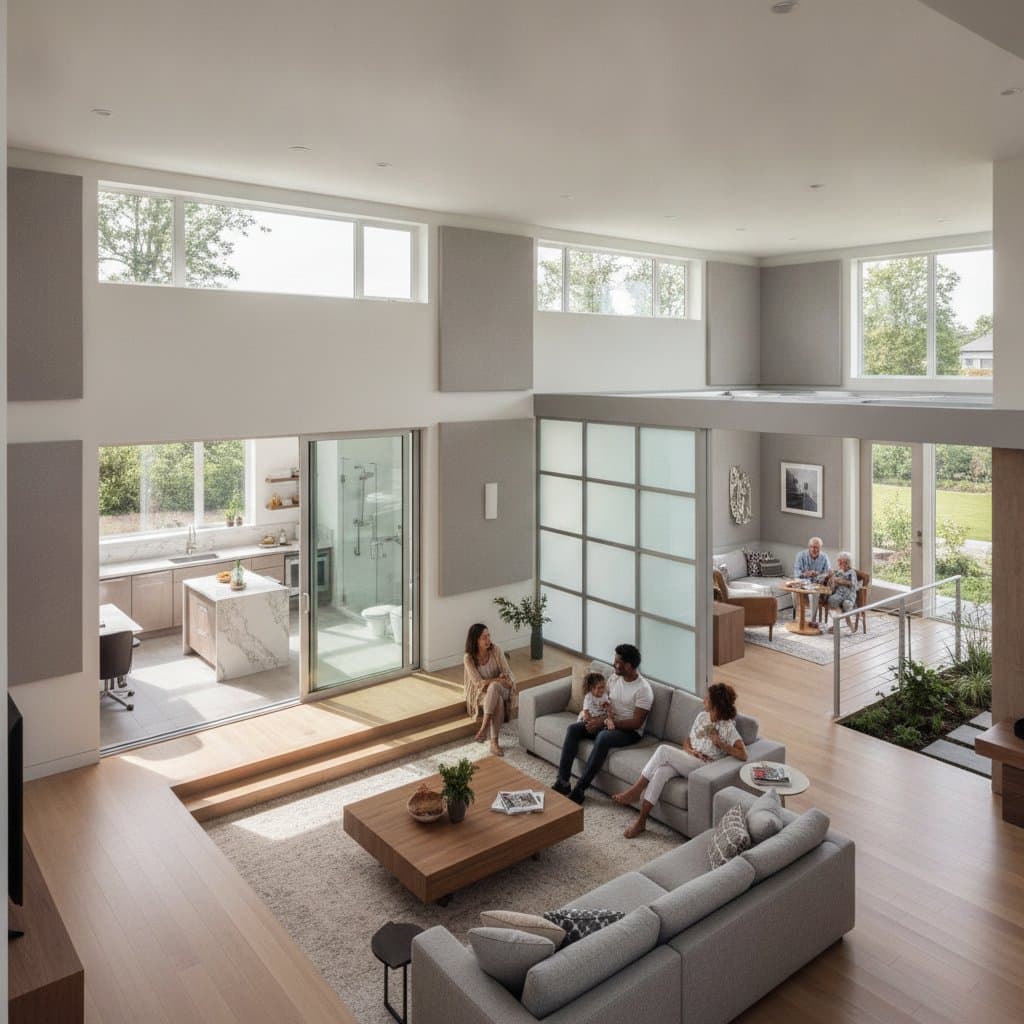
Aging-in-place remodels adapt living spaces to accommodate changing mobility and health needs without requiring a move. These projects focus on accessibility, such as wider doorways and non-slip flooring, while preserving the home's aesthetic appeal. Homeowners often prioritize features that prevent falls and simplify daily tasks, ensuring the space remains functional for decades.
The concept gains popularity as populations age and preferences shift toward familiar environments. According to industry trends, demand for these remodels will rise in 2025 due to advancements in smart home technology and sustainable materials. Starting with an assessment of current home layout helps identify priority areas like bathrooms and kitchens.
Cost Breakdown for 2025 Projects
Remodel costs vary based on project scope, location, and material choices. Small-scale updates, such as installing grab bars or lever handles, typically range from $500 to $5,000. These quick enhancements provide immediate safety benefits without major disruption.
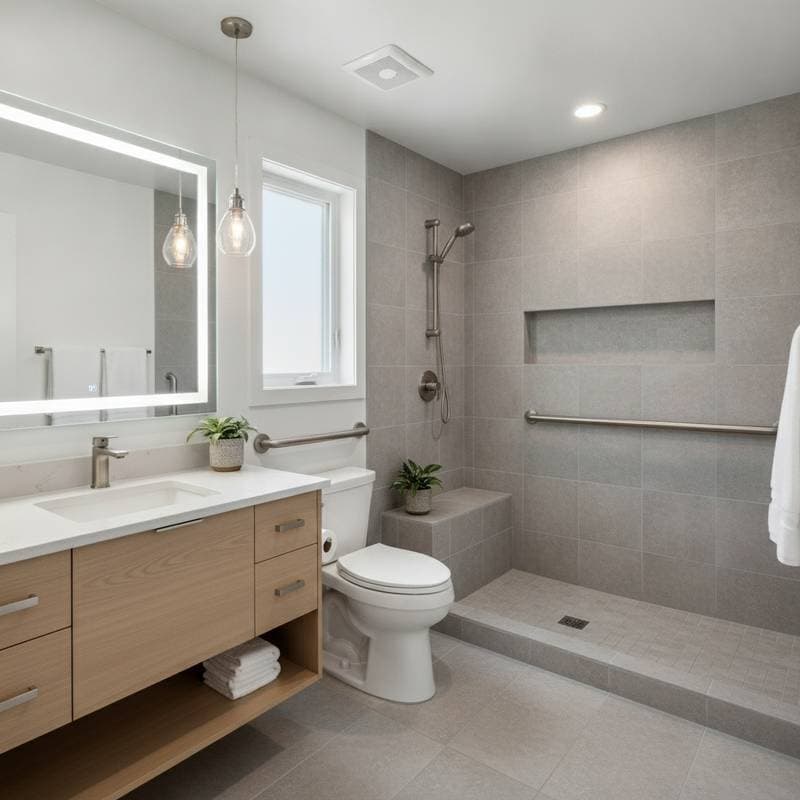
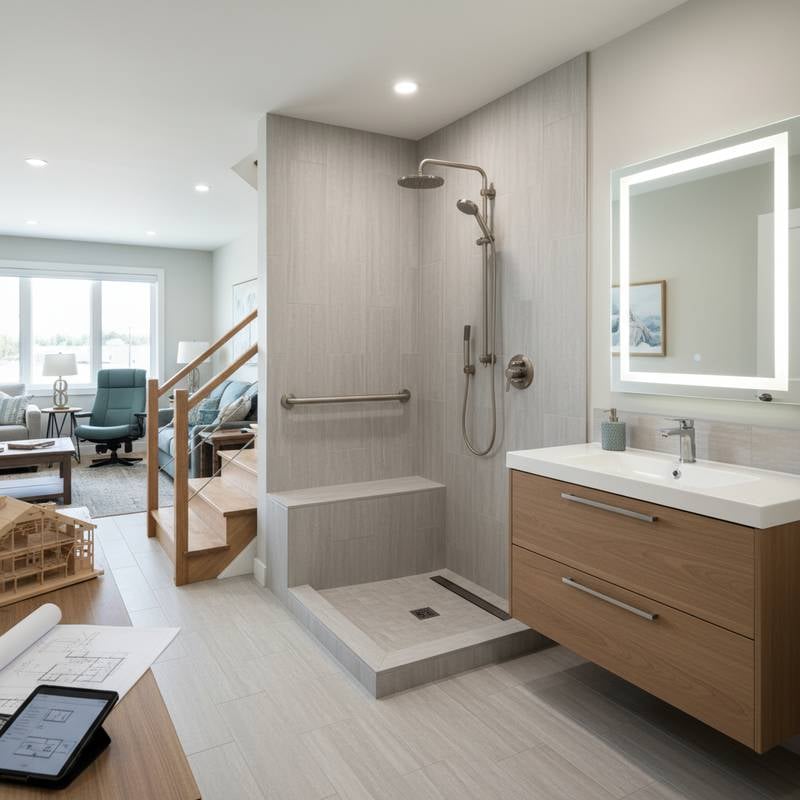
Mid-range projects, including bathroom or kitchen adaptations, fall between $20,000 and $50,000. Examples include walk-in showers with benches and lowered countertops for wheelchair access. Labor and custom installations drive much of this expense, especially in urban areas where permits add to the total.
Full-home transformations, encompassing multiple rooms and structural changes like ramp additions, can reach $100,000 or more. These extensive remodels incorporate universal design principles, making spaces usable by all ages and abilities. Factors such as energy-efficient upgrades, like LED lighting and smart thermostats, further influence the budget.
Regional Cost Variations
Costs differ by region due to labor rates and material availability. In coastal cities, expect 20 to 30 percent higher prices compared to rural areas. For instance, a basic stairlift installation might cost $3,000 in the Midwest but $4,500 on the West Coast. Always obtain multiple quotes to account for local economic conditions.
Budgeting Strategies for Success
Effective budgeting begins with a detailed needs assessment. List must-have features, such as automatic door openers or voice-activated lights, and prioritize based on health requirements. Allocate funds across categories: 40 percent for materials, 50 percent for labor, and 10 percent for contingencies.
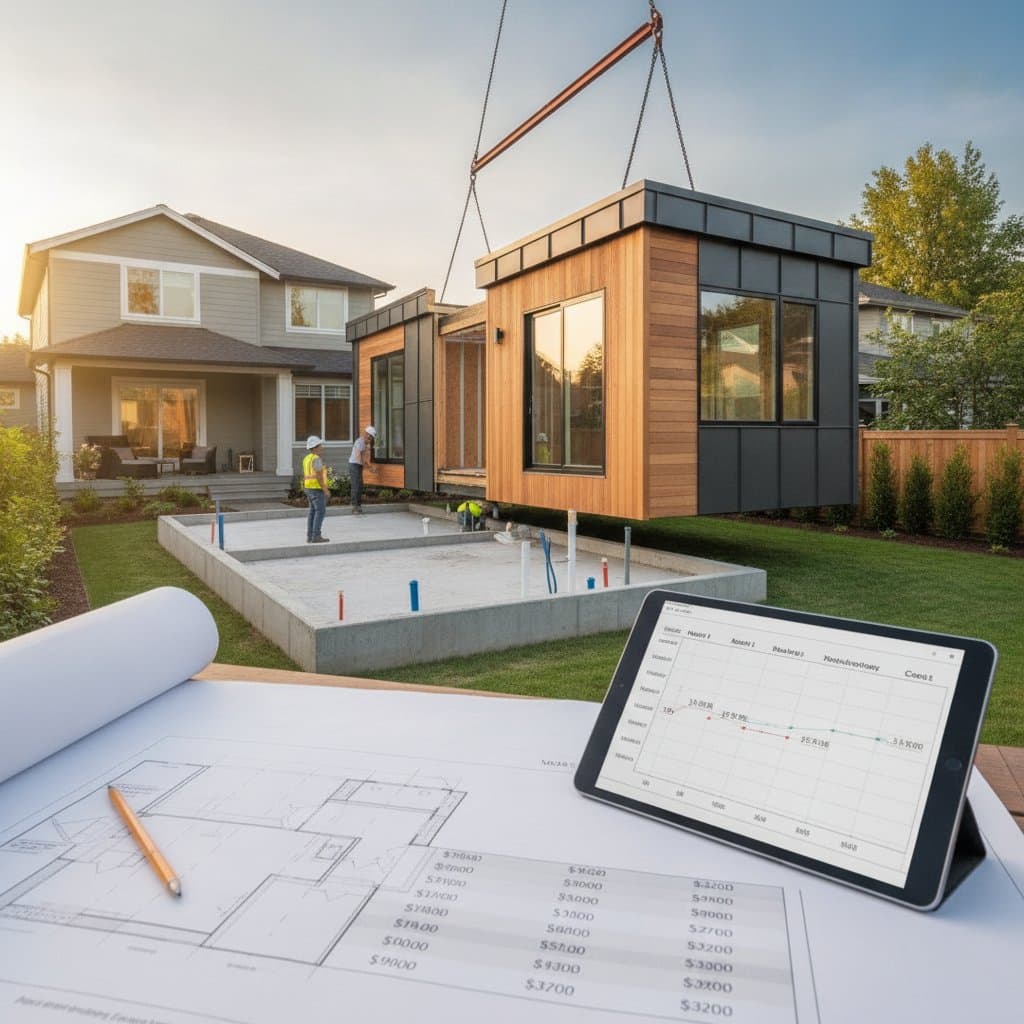
Create a phased plan to spread expenses over time. Start with high-impact, low-cost changes like rearranging furniture for better flow, then progress to structural modifications. Track expenses using simple spreadsheets to monitor progress and avoid overruns.
Financing options include home equity loans or government grants for accessibility improvements. Research programs like those from the Department of Housing and Urban Development, which may offset costs for qualifying seniors. Consulting a financial advisor ensures alignment with long-term retirement goals.
Navigating Permits and Regulations
Most remodels require permits to ensure compliance with building codes. Local authorities oversee changes affecting safety, such as electrical updates or structural alterations. Submit plans early to avoid delays, as approval processes can take two to four weeks.
Hire licensed contractors familiar with Americans with Disabilities Act guidelines. These standards mandate features like 36-inch door widths and 60-inch turning radii in bathrooms. Non-compliance risks fines or rework, so verify contractor credentials through state licensing boards.
For historic homes, additional restrictions apply. Preservation societies may limit exterior changes, requiring alternative solutions like internal ramps. Professional guidance streamlines this process, minimizing bureaucratic hurdles.
Essential Safety Features and Timelines
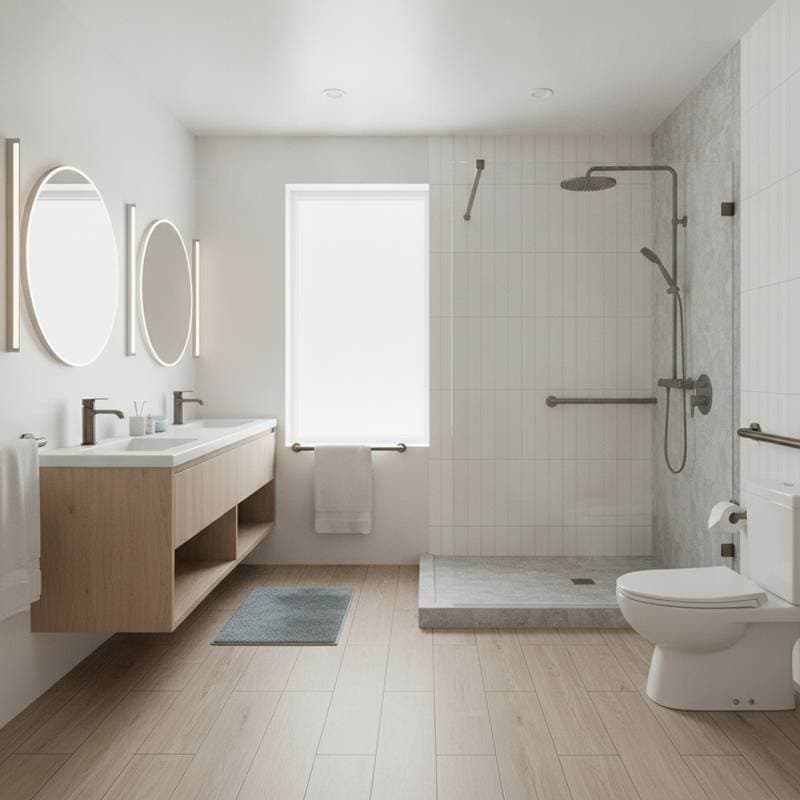
Prioritize features that reduce accident risks. Install grab bars near toilets and showers, using reinforced models rated for 250 pounds or more. Non-slip flooring and raised toilet seats enhance stability, while motion-sensor lighting prevents trips in low-visibility areas.
Kitchen modifications include pull-out shelves and adjustable-height counters. These allow continued cooking independence without strain. Bedroom setups benefit from bed transfer aids and closet organizers at reachable heights.
Timelines depend on project scale. Minor updates complete in one to two weeks, while full remodels span three to six months. Factor in seasonal considerations, as winter weather can delay outdoor work like ramp installations.
Implementation Checklist
- Conduct a professional home evaluation to identify hazards.
- Select durable, low-maintenance materials resistant to wear.
- Integrate smart technology for remote monitoring and control.
- Test features post-installation to confirm usability.
- Schedule regular maintenance to preserve functionality.
When to Hire Professionals
DIY suits simple tasks like painting or hardware swaps, but complex work demands experts. Electrical and plumbing changes require licensed specialists to meet code. Structural engineers assess load-bearing walls for safe modifications.
Choose contractors with aging-in-place certifications from organizations like the National Association of Home Builders. Review portfolios for similar projects and check references. Clear contracts outlining scope, timeline, and payment terms protect all parties.
Professionals bring efficiency and warranty assurances. They coordinate subcontractors, ensuring seamless integration of features like interconnected smoke alarms and emergency call systems.
Achieving Long-Term Comfort and Independence
Well-executed remodels transform homes into sanctuaries that evolve with residents. Beyond safety, these upgrades promote emotional well-being by fostering autonomy. Families gain peace of mind knowing loved ones navigate spaces confidently.
Investing in 2025 aging-in-place remodels yields lasting returns. Enhanced property value and reduced healthcare costs from prevented injuries make it a wise choice. Begin planning today to secure a future where home remains the heart of independence.