Aging in Place Remodel Costs and Key Features
Aging in place remodeling allows homeowners to remain comfortable and independent in the homes they cherish. Upgrades that enhance accessibility, safety, and convenience extend the useful life of a residence for many years. This guide presents the essential features, cost ranges, and planning decisions involved in such projects.
What This Guide Covers
- Common features that improve accessibility and comfort
- Typical costs for aging in place projects
- Guidance on handling upgrades personally versus hiring professionals
- Design approaches that maintain style alongside safety
- Insights on maintenance and long term value
Core Features of an Aging in Place Remodel
Aging in place design centers on accessibility, safety, and ease of use. Successful projects combine these priorities with durable materials and enduring style.
1. Zero Threshold Entry
Eliminating steps at entry doors lowers fall risk and supports wheelchair access. A level entry also eases the movement of groceries, luggage, or strollers. Homeowners typically spend between 2,000 and 6,000 dollars on this installation, depending on structural changes and door replacement.
Minor threshold adjustments qualify as do it yourself tasks. Full entry regrading or structural framing changes require a professional contractor. Select a door at least 36 inches wide. Include effective lighting, a covered landing, and slip resistant surfaces.
2. Accessible Bathroom Design
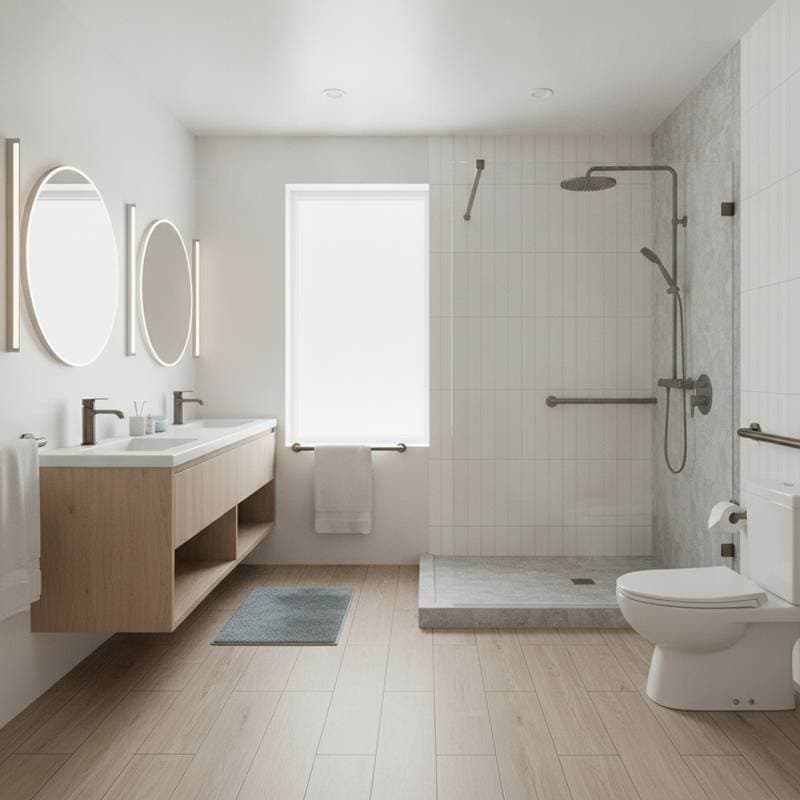
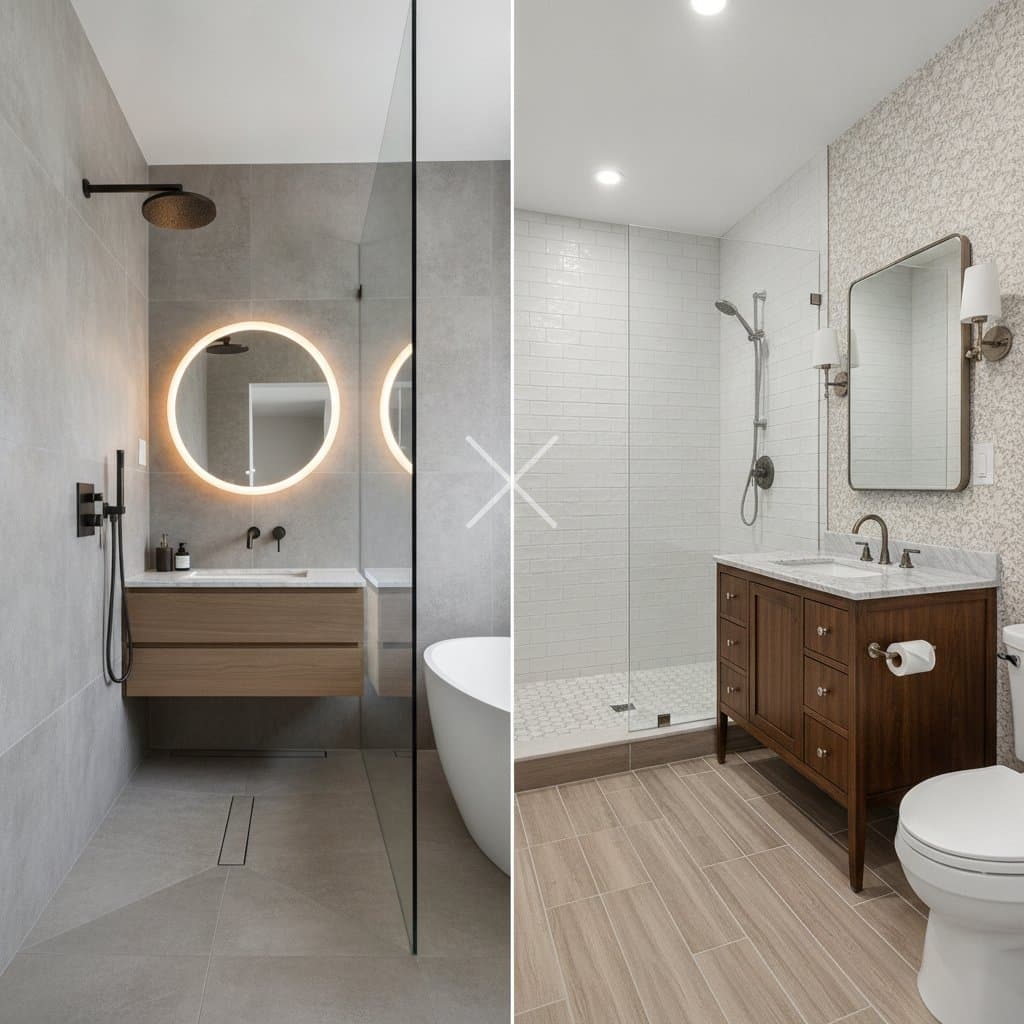
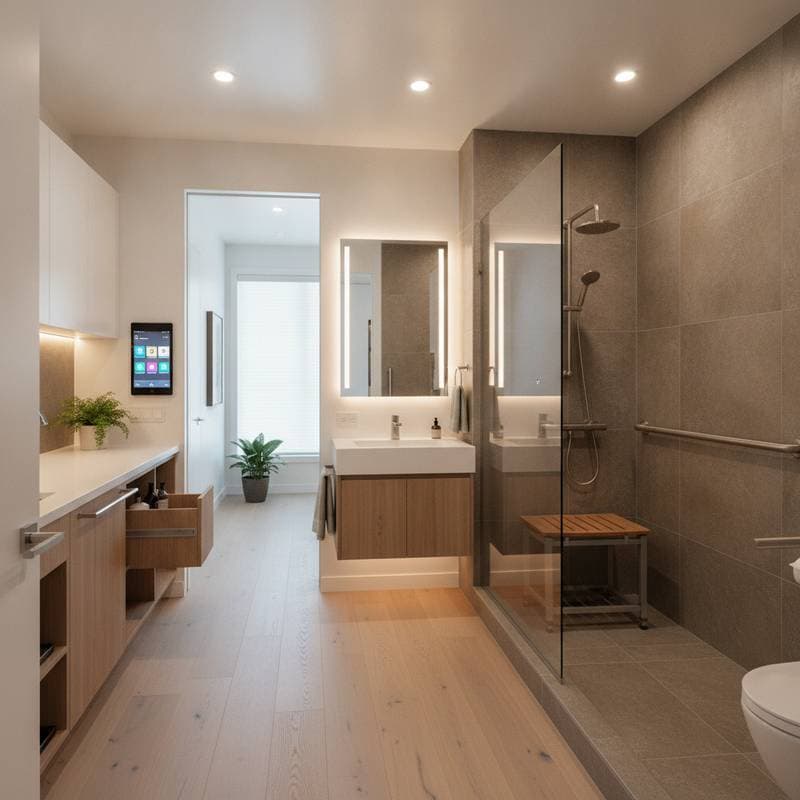
Bathrooms rank among the most frequent sites for falls. Curbless showers, grab bars, and non slip flooring deliver safety while preserving design quality. A full accessible bathroom remodel ranges from 15,000 to 40,000 dollars. Adding grab bars or converting a tub to a walk in shower costs between 2,000 and 10,000 dollars.
Homeowners can install grab bars or handheld showerheads themselves. Larger conversions, waterproofing, or plumbing relocation call for licensed professionals. Use contrast colored flooring to define edges. A fold down bench and single handle faucet improve daily usability.
3. Kitchen Accessibility Upgrades
Kitchens must support safe and comfortable food preparation for every mobility level. Expect to invest 20,000 to 60,000 dollars in a full kitchen remodel with accessible layouts. Simple updates such as pull out shelves or adjustable countertops range from 2,000 to 8,000 dollars.
Installing pull out organizers or lever handles represents suitable do it yourself work. Cabinet height adjustments, appliance relocation, or countertop modification require a remodeling contractor. Choose side opening ovens, drawers instead of base cabinets, and lever style faucet handles. Store frequently used items between waist and shoulder height.
4. Widened Doorways and Open Floor Plans
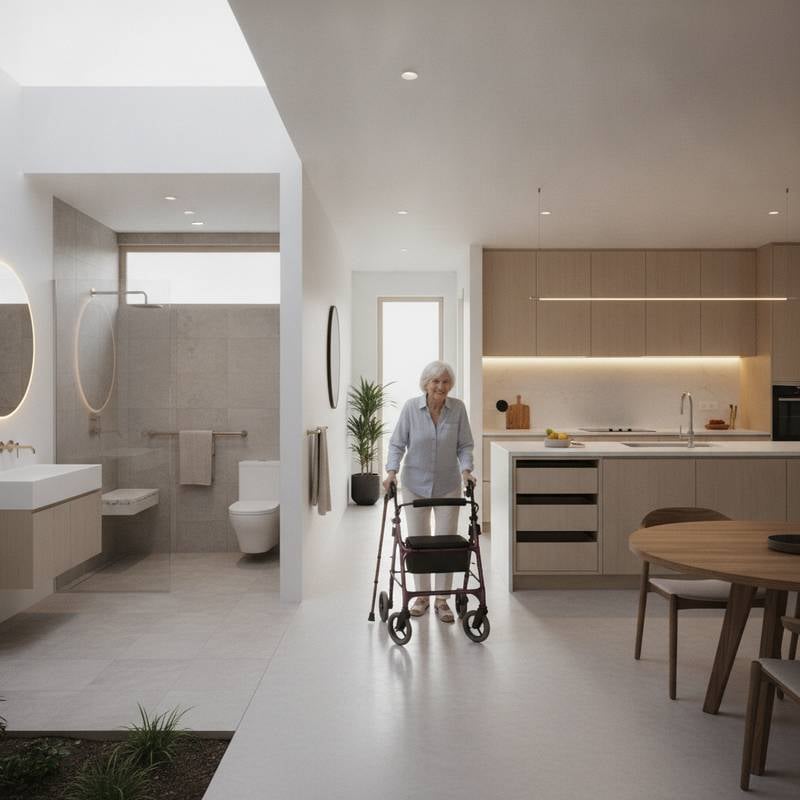
Wider doorways and open layouts accommodate mobility aids while reducing tripping hazards. Widening a single doorway costs approximately 700 to 2,500 dollars. Removing partial walls for an open layout ranges from 4,000 to 15,000 dollars.
Painting or trim work can be completed by homeowners. Structural wall removal must involve a professional to maintain load bearing safety. Target doorways at least 36 inches wide and hallways at least 42 inches wide for smooth movement.
5. Improved Lighting and Smart Controls
Better lighting enhances visibility and reduces eye strain. Smart controls simplify management of lighting, temperature, and security without extensive movement. Upgrading lighting throughout a home costs between 1,500 and 5,000 dollars. Adding smart home controls ranges from 500 to 3,000 dollars depending on system complexity.
Installing smart bulbs or plug in controls qualifies as homeowner work. Hardwired lighting or integrated systems should be handled by electricians. Include motion sensors in hallways, under cabinet lights in kitchens, and voice controlled systems for convenience.
Budget Planning for the Project
A full home aging in place remodel averages between 30,000 and 120,000 dollars depending on home size, materials, and scope. Most homeowners complete improvements in phases across several projects.
Cost ranges break down as follows:
- Bathroom accessibility: 15,000 to 40,000 dollars
- Kitchen upgrades: 20,000 to 60,000 dollars
- Entry and doorway improvements: 5,000 to 20,000 dollars
- Lighting and smart controls: 1,500 to 5,000 dollars
- Flooring and surface updates: 5,000 to 15,000 dollars
Aging in place features can return up to 60 percent of their cost at resale while delivering immediate gains in comfort and safety.
Situations That Require Professional Assistance
Certain projects demand professional expertise to ensure safety and code compliance. Engage a contractor when work involves plumbing or electrical systems, structural modifications, permits or inspections, or certified accessibility design knowledge.
Select contractors experienced in universal design and aging in place remodels. Request references, verify licensing, and confirm familiarity with accessibility codes.
Approaches That Reduce Overall Expense
Plan improvements in phases that begin with high impact areas such as bathrooms and entries. Bundle related projects like flooring and doorway updates to lower labor costs. Choose durable materials that decrease future maintenance needs. Investigate local programs that offer rebates for accessibility improvements.
Answers to Frequent Questions
Low pile carpet, cork, or luxury vinyl plank supply traction and cushion falls. Permits become necessary when changes affect plumbing, electrical, or structural elements. Simple additions such as grab bars usually avoid permit requirements.
A single room remodel often requires several weeks. Whole home projects commonly span a few months based on overall scope. Many universal design features now incorporate finishes and fixtures that complement traditional aesthetics.
Inspect grab bars, lighting, and flooring at regular intervals for signs of wear. Maintain clear drains and renew non slip coatings as needed.
Long Term Value of Accessibility Upgrades
An aging in place remodel delivers sustained comfort, safety, and independence. Consistent maintenance combined with periodic updates preserves both function and appearance. Thoughtful planning, qualified professionals when required, and durable materials together support everyday living for years ahead.