Luxury Outdoor Builds: 2025 Costs and ROI Insights
Quick Answer Summary
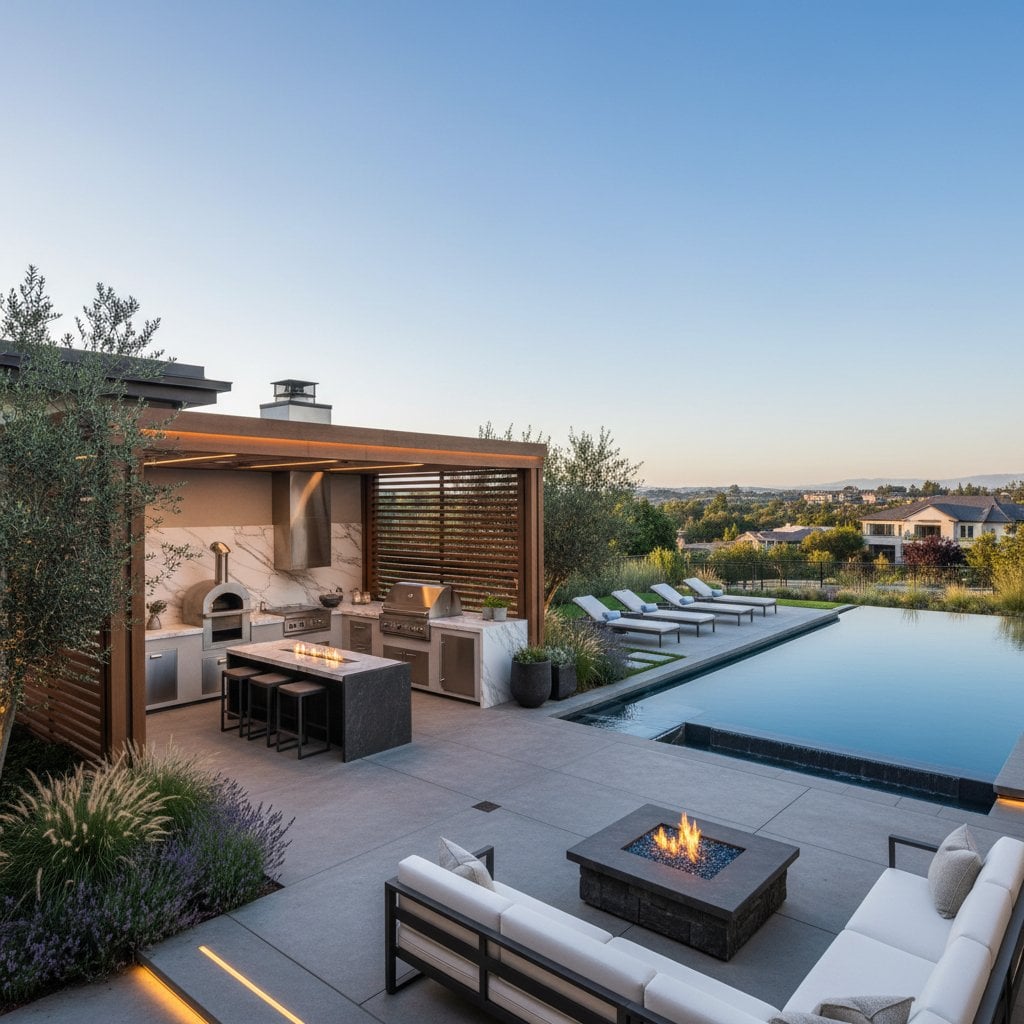
Luxury outdoor builds convert patios, kitchens, and lounging areas into premium extensions of the home that enhance daily comfort and increase resale value. Such projects typically range from $40,000 to $200,000 in total cost, influenced by the scope, size, and selected materials. Homeowners who engage licensed contractors often complete these installations within two to six weeks. Expect a return on investment of 55 to 75 percent. Projects carry a moderate risk level, primarily from requirements for structural integrity, electrical systems, and gas installations that comply with local building codes.
Step-by-Step Guide to Construction
1. Design the Layout
Begin by sketching the intended space, incorporating zones for cooking, dining, and relaxation. Use stakes and string to outline dimensions directly on the site.
Verification Step: Traverse the marked area to evaluate traffic patterns and ensure adequate spacing for furniture placement.
2. Evaluate Drainage and Site Grading
Examine the yard's natural slope to confirm that water drains away from the foundation at a minimum grade of 2 percent. Address any depressions by introducing and compacting suitable fill material.
Verification Step: Observe the site after rainfall to verify that no pools of water accumulate.
3. Establish the Foundation Base
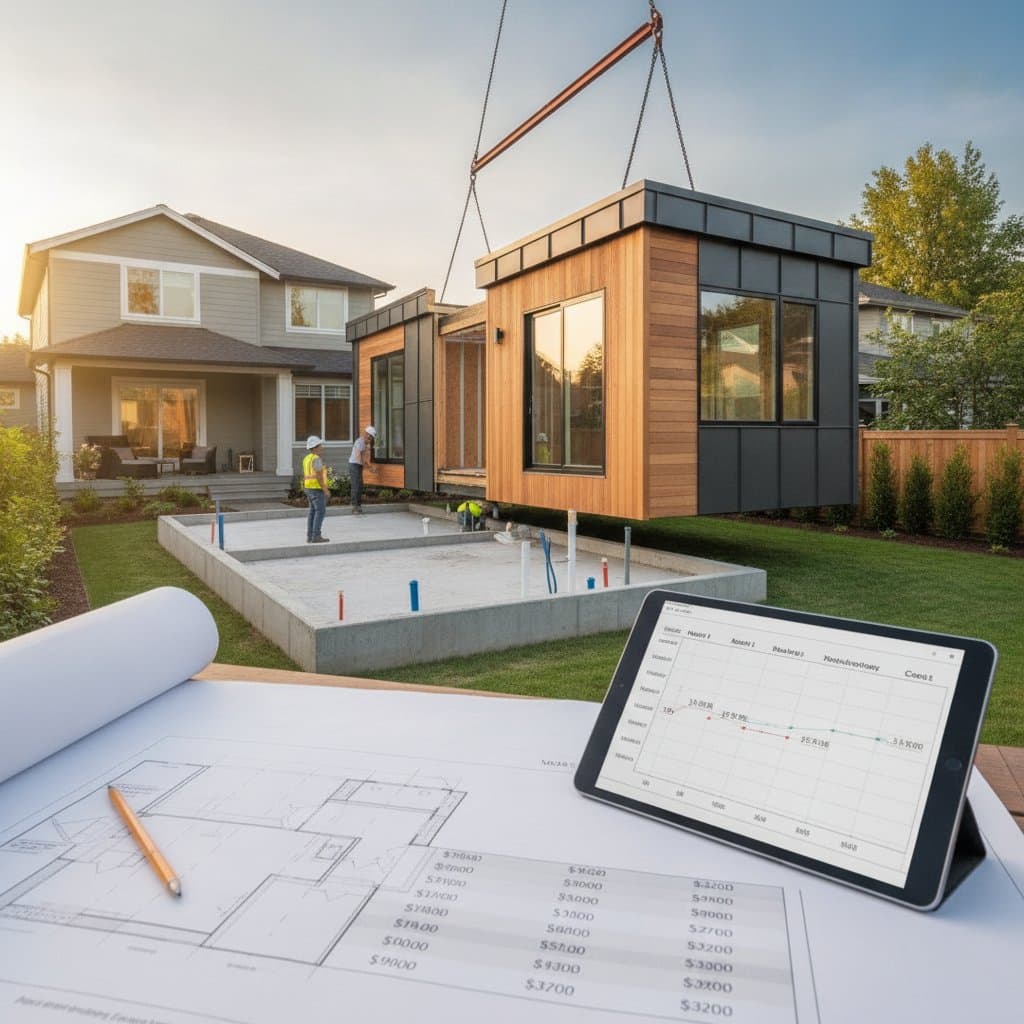
Excavate the area to a depth of 6 to 8 inches to prepare for the patio base. Layer in gravel and compact it thoroughly using a plate compactor. Finish with a 1-inch sand bed for paver installations or a vapor barrier for concrete pours.
Verification Step: Confirm the base remains level and stable when tested by foot pressure.
4. Construct the Framework
Secure framing posts within concrete footings for stability. Select pressure-treated lumber or corrosion-resistant steel suitable for exterior conditions. For masonry elements like stone or brick, apply mortar formulated to withstand freeze-thaw cycles.
Verification Step: Employ a level tool and plumb line to ensure all vertical and horizontal components align precisely.
5. Integrate Utility Lines Securely
Engage certified professionals to install gas, water, and electrical conduits. Position these elements prior to pouring concrete slabs or laying pavers. Enclose all junctions in weather-resistant housings.
Verification Step: Schedule a professional inspection prior to concealing any utility pathways.
6. Position Countertops, Appliances, and Fixtures
Install stainless steel cabinetry or natural stone surfaces on pre-leveled supports. Secure grills, sinks, and refrigeration units per the manufacturer's specifications. Apply outdoor-rated silicone sealant to all seams.
Verification Step: Operate each appliance to check for secure mounting, consistent performance, and absence of leaks.
7. Apply Surface Finishes and Illumination
Incorporate natural stone veneers, textured stucco, or premium composite panels for aesthetic appeal. Install LED lighting systems certified for damp environments. Consider integrating dimmable switches or automated controls for versatility.
Verification Step: Activate the lighting to confirm smooth, uniform illumination throughout the area without operational noise.
Essential Quality Inspections and Solutions
Frequent Challenges and Resolutions
- Irregular Paver Alignment: Lift and readjust the underlying base material to achieve even leveling.
- Surface Water Accumulation: Modify the site grade or incorporate a French drain system for improved runoff.
- Appliance Malfunctions: Verify electrical grounding and confirm compatibility with the supplied voltage.
- Dislodged Stones or Joint Filler: Reapply polymeric sand to joints for pavers or fresh mortar for masonry elements.
Efficient Remedies
- Substitute individual cracked pavers or tiles rather than reconstructing the entire surface.
- Maintain stainless steel components by cleaning with a gentle detergent solution and a non-abrasive cloth to inhibit rust formation.
Indicators for Professional Involvement
Retain a licensed contractor for projects that involve:
- Connections for gas lines or electrical systems
- Structural elements such as roofs or load-bearing partitions
- Concrete foundations larger than 400 square feet
- Retaining walls exceeding 3 feet in height
Cost Breakdown
- Design consultations and permitting fees: $1,000 to $5,000
- Labor charges: $25 to $50 per square foot
- Material expenses: $15 to $80 per square foot, varying by selected finishes
Select a contractor who furnishes evidence of liability insurance, client references, and a detailed written agreement. Request a defined project schedule and a comprehensive, itemized cost proposal prior to commencement.
Evaluating Return on Investment and Long-Term Value
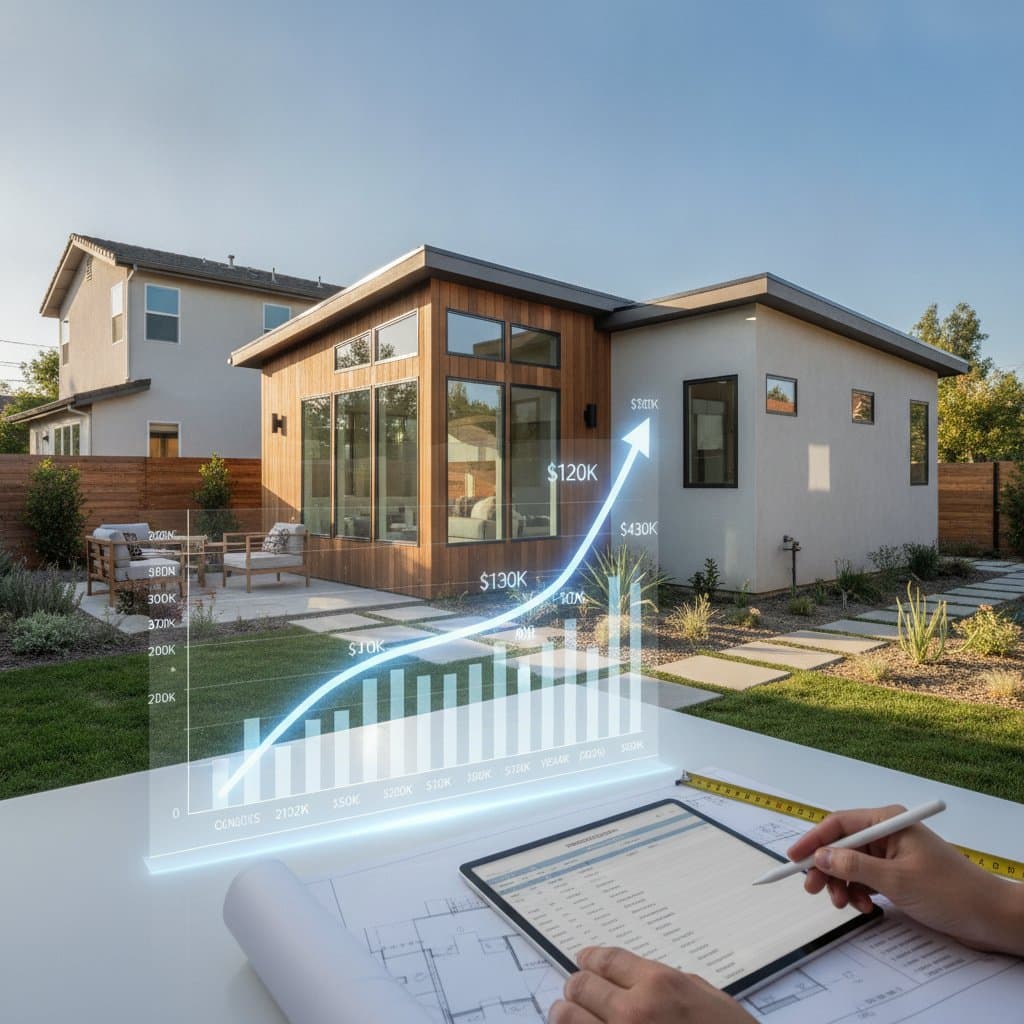
Luxury outdoor builds generally recoup 55 to 75 percent of invested costs upon property sale. Optimal returns derive from features like fully equipped outdoor kitchens, sheltered patios, and seamless lighting integrations. Align projects with the existing home architecture and prioritize resilient materials to sustain value. Refrain from exceeding the prevailing market standards in your locale to safeguard the investment's viability.
Strategies for Optimal Outcomes
- Select climate-appropriate materials, such as composite decking and stainless steel fittings for areas with high humidity.
- Design lighting in adaptable zones to modulate atmosphere as needed.
- Integrate concealed storage solutions to maintain a tidy appearance.
- Anticipate expansions like heating elements or shading mechanisms by pre-installing electrical pathways during initial construction.
Through meticulous planning, collaboration with qualified experts, and the use of enduring materials, a luxury outdoor build evolves into a versatile sanctuary that preserves and enhances property equity. This approach guarantees a harmonious blend of usability, security, and visual refinement, securing enduring satisfaction from the space.