Understanding Multi-Generational Living
Multi-generational homes house multiple family generations under one roof. This arrangement gains popularity as families seek to provide support for aging parents, accommodate young adults, or simply strengthen bonds. Such homes offer economic benefits and emotional closeness, yet they require careful design to respect individual needs.
The rise in multi-generational living stems from shifting demographics and housing costs. In 2026, projections indicate that over 20 percent of U.S. households will adopt this model. Thoughtful layouts ensure that shared spaces promote interaction while private areas preserve autonomy.
Popular Layout Options for Multi-Gen Homes
Homeowners choose from several layout types to suit their family dynamics. Each option balances communal areas with secluded retreats. Selection depends on lot size, budget, and privacy preferences.
Attached Suites
Attached suites integrate private living quarters within the main house. These often include a bedroom, bathroom, and small kitchenette connected via a hallway or door. This setup allows easy access for family support without full independence.
Families favor attached suites for their affordability and convenience. Costs range from $50,000 to $150,000 for additions, depending on size and finishes. Soundproofing walls and separate entrances enhance privacy while maintaining a sense of unity.
In-Law Apartments
In-law apartments provide a self-contained unit within or adjacent to the primary residence. They feature full kitchens, living rooms, and bedrooms, ideal for extended stays. Placement on the ground floor benefits older relatives with mobility concerns.
This layout supports autonomy with shared outdoor spaces for connection. Installation expenses typically fall between $80,000 and $200,000 in 2026, influenced by local building codes. Energy-efficient appliances reduce ongoing costs and promote sustainability.
Detached Accessory Dwelling Units (ADUs)
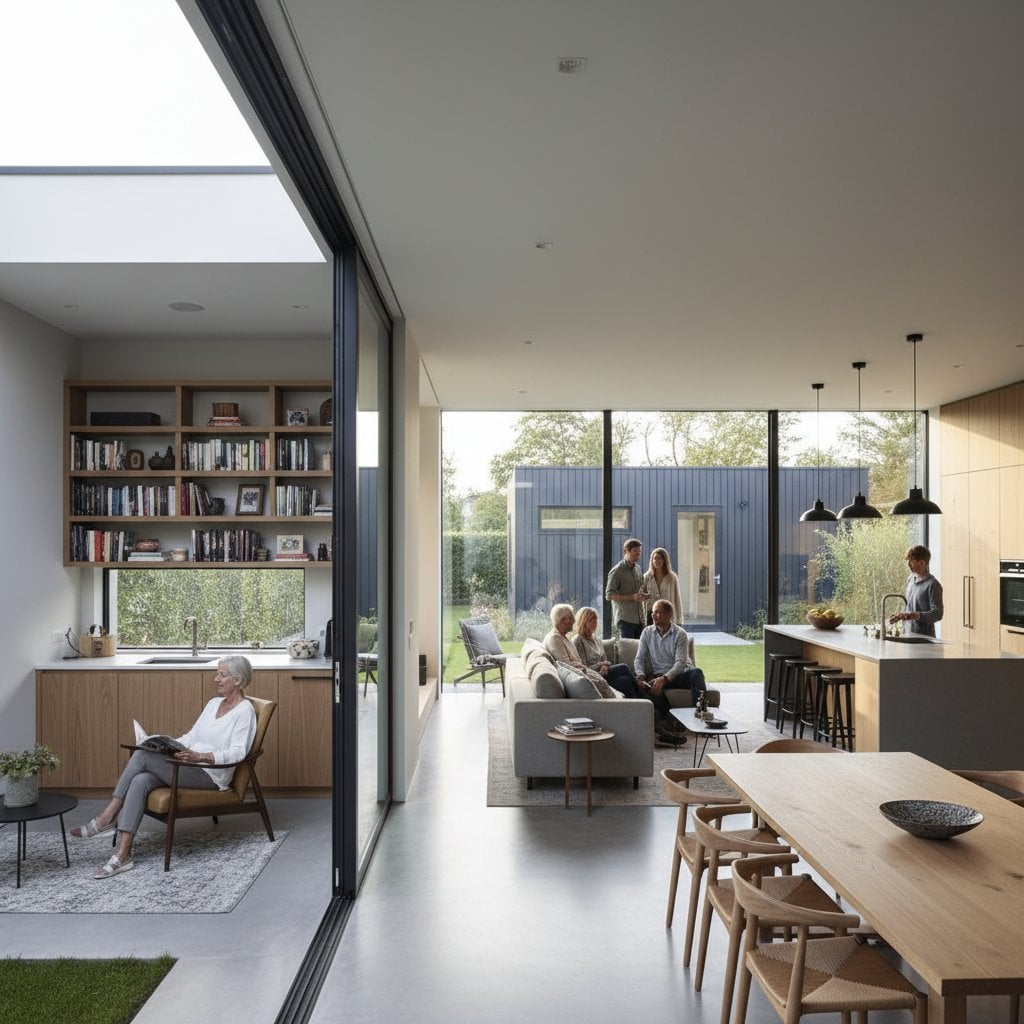
Detached ADUs stand apart from the main house, offering maximum privacy. These compact structures include all essential amenities and suit larger properties. They function as guest houses or independent living spaces.
Detached units appeal to families valuing separation yet proximity. Construction costs average $100,000 to $300,000, with variations based on materials and zoning regulations. Pathways and shared yards facilitate family gatherings without intrusion.
Design Principles for Privacy and Connection
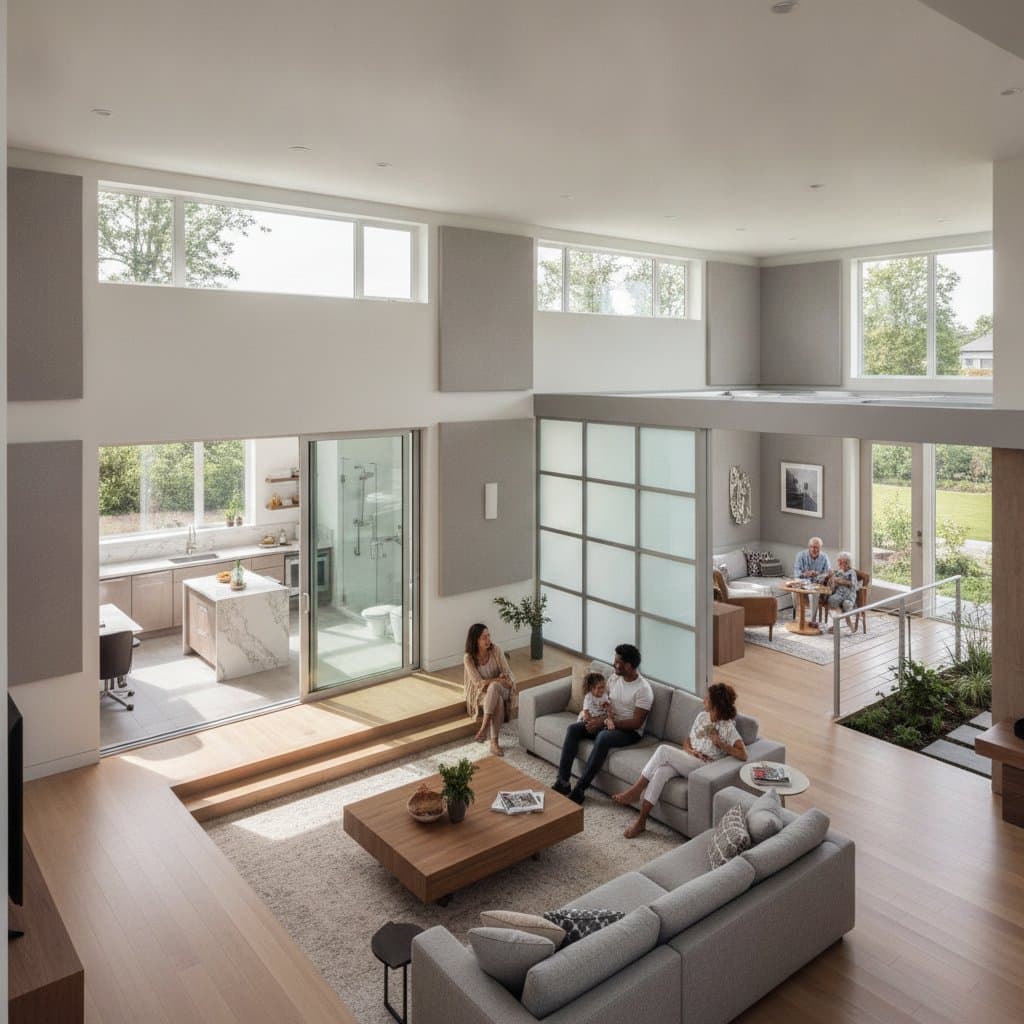
Effective designs incorporate zones for both solitude and togetherness. Architects recommend flexible rooms that adapt over time. Natural light and open sightlines foster a welcoming atmosphere.
Creating Private Retreats
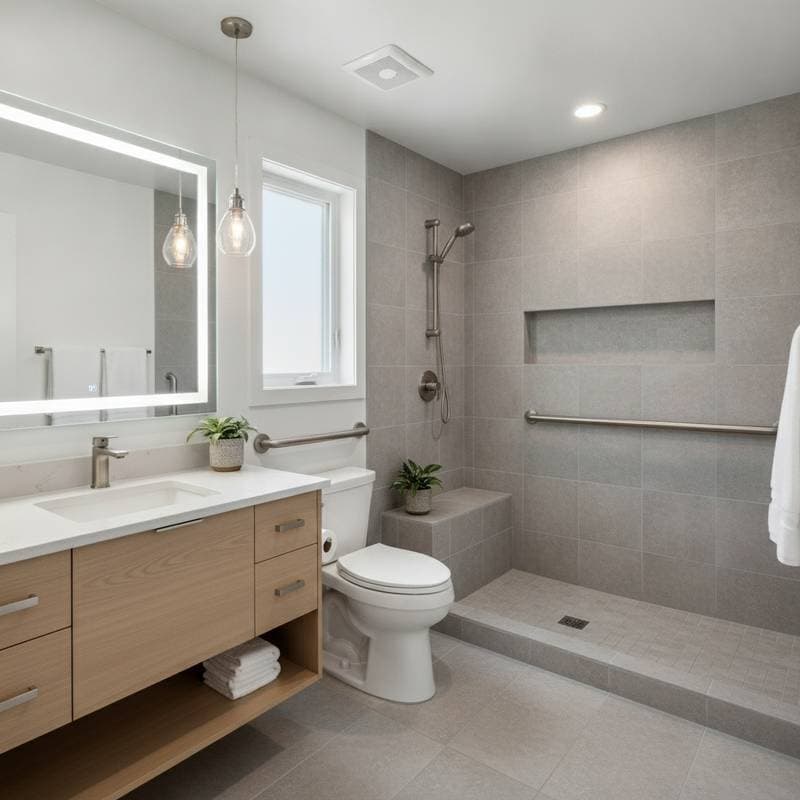
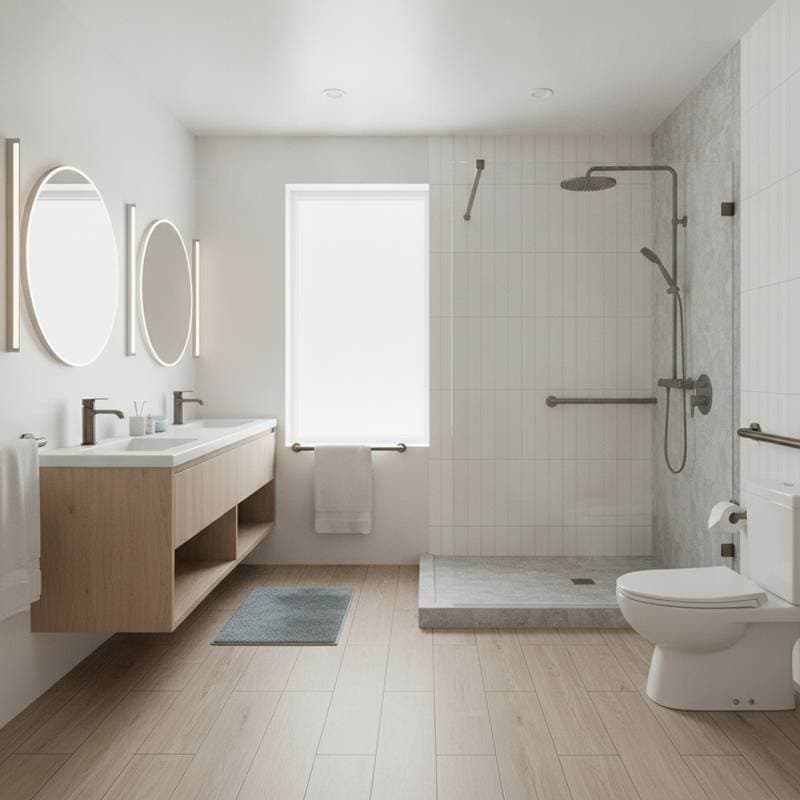
Private areas feature sound-absorbing materials and lockable doors. Bedrooms with en-suite bathrooms allow residents to unwind independently. Closet space and storage solutions prevent clutter from spilling into common zones.
Consider circulation paths that minimize foot traffic through personal spaces. For example, position secondary entrances near garages. These elements ensure residents feel secure and respected.
Fostering Shared Experiences
Communal kitchens and living rooms serve as hubs for interaction. Islands with seating encourage casual conversations during meals. Multi-purpose rooms double as home offices or play areas, adapting to daily needs.
Outdoor features like patios extend connection points. Fire pits or dining areas promote gatherings. Smart home technology, such as adjustable lighting, enhances comfort without complicating routines.
Budgeting and Cost Factors in 2026
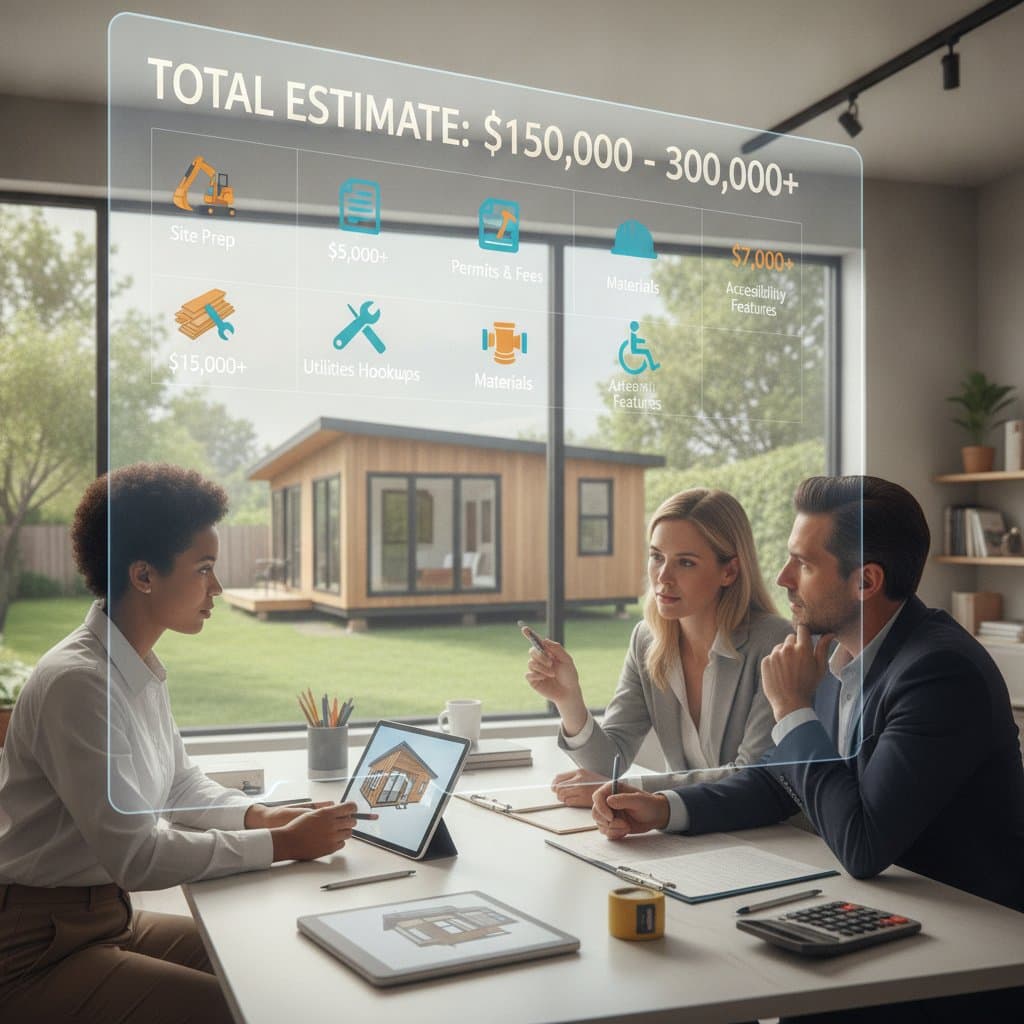
Planning a multi-gen home involves assessing financial implications. Initial construction represents the largest expense, but long-term savings emerge through shared resources. Consult local contractors for accurate estimates.
Key Cost Breakdown
- Site preparation and foundation: $20,000 to $50,000, depending on terrain.
- Structural additions: $100 to $250 per square foot for new builds.
- Interior finishes and appliances: $30,000 to $80,000 for functional setups.
- Permits and utilities: $5,000 to $15,000, varying by municipality.
Energy-efficient designs qualify for rebates, offsetting costs. Modular construction options reduce labor expenses by up to 20 percent. Factor in resale value, as multi-gen features appeal to diverse buyers.
Maintenance Strategies for Longevity
Multi-gen homes demand proactive upkeep to serve generations. Regular inspections prevent issues from escalating. Assign responsibilities based on resident capabilities.
Essential Upkeep Practices
- Inspect roofing and plumbing annually to avoid leaks.
- Maintain HVAC systems for efficient climate control across zones.
- Landscape shared areas to enhance curb appeal and usability.
Invest in durable materials like vinyl flooring and low-maintenance siding. Smart sensors monitor water usage and alert to potential problems. These steps extend the home's lifespan and minimize disruptions.
Steps to Plan Your Multi-Gen Home
Begin with family discussions to define needs and preferences. Sketch initial concepts or hire an architect for professional input. Review zoning laws early to avoid setbacks.
Next, develop a detailed budget incorporating contingencies. Obtain quotes from multiple builders experienced in multi-gen projects. Visualize the space through 3D models to refine layouts.
Finally, prioritize sustainability features for future-proofing. Solar panels and water-saving fixtures lower utility bills. This comprehensive approach ensures the home evolves with your family.
Realizing Lasting Family Value
A well-designed multi-gen home strengthens relationships and provides security. It adapts to life changes, from child-rearing to retirement. Families report higher satisfaction and reduced stress in these environments.
The investment yields emotional and financial returns. Privacy safeguards personal space, while connections build enduring memories. Embrace this living model to create a legacy of comfort and unity.