Revealed: The Full 2026 Prefab ADU Installation Costs
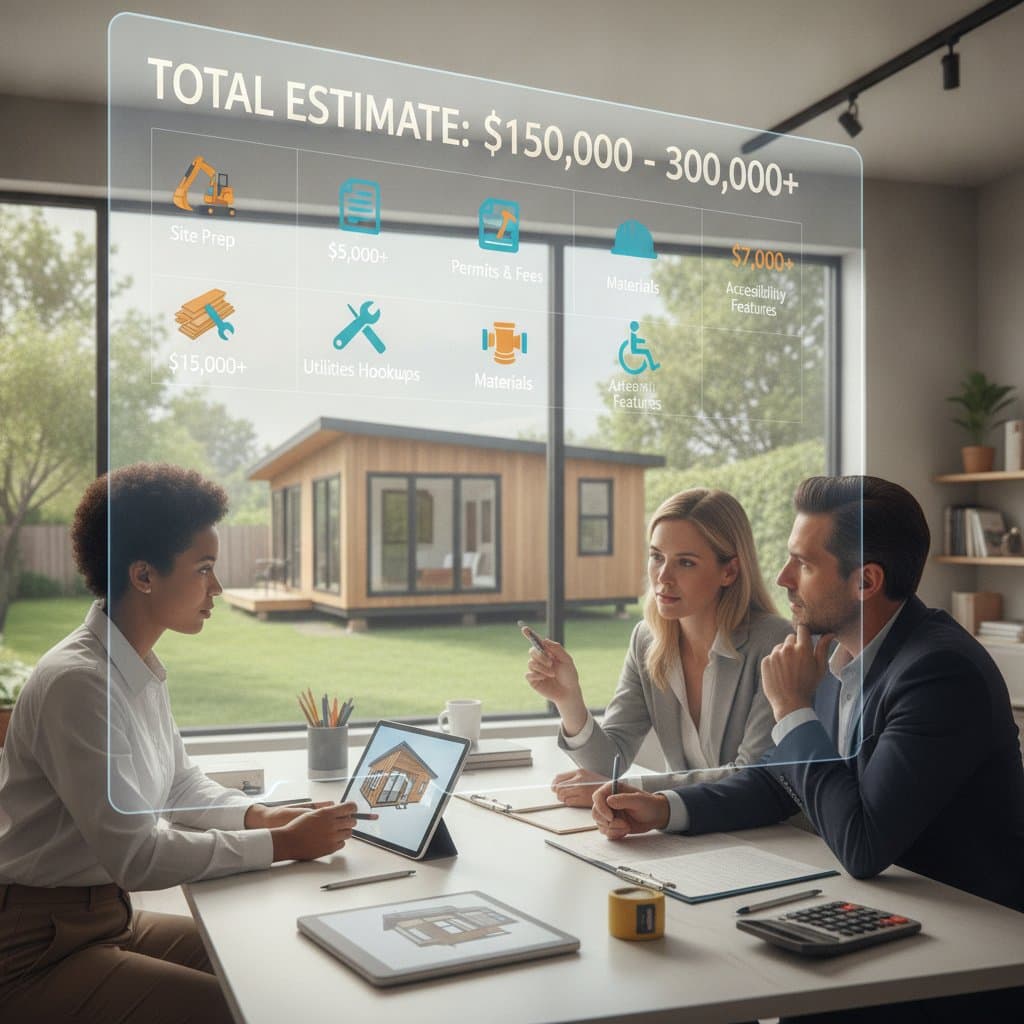
Adding a prefabricated accessory dwelling unit, or ADU, expands living space, boosts property value, and generates potential income streams. Before proceeding with such a project, a comprehensive understanding of costs proves essential. Prefabricated ADUs offer efficiency and more predictable pricing compared to traditional builds, yet the overall investment extends well beyond the initial unit price. This guide details every expense category, including site preparation, utility connections, permits, interior finishes, and ongoing maintenance.
What This Guide Covers
- Average costs for prefab ADU installations and key influencing factors
- Detailed breakdown of materials, labor, permits, and utility expenses
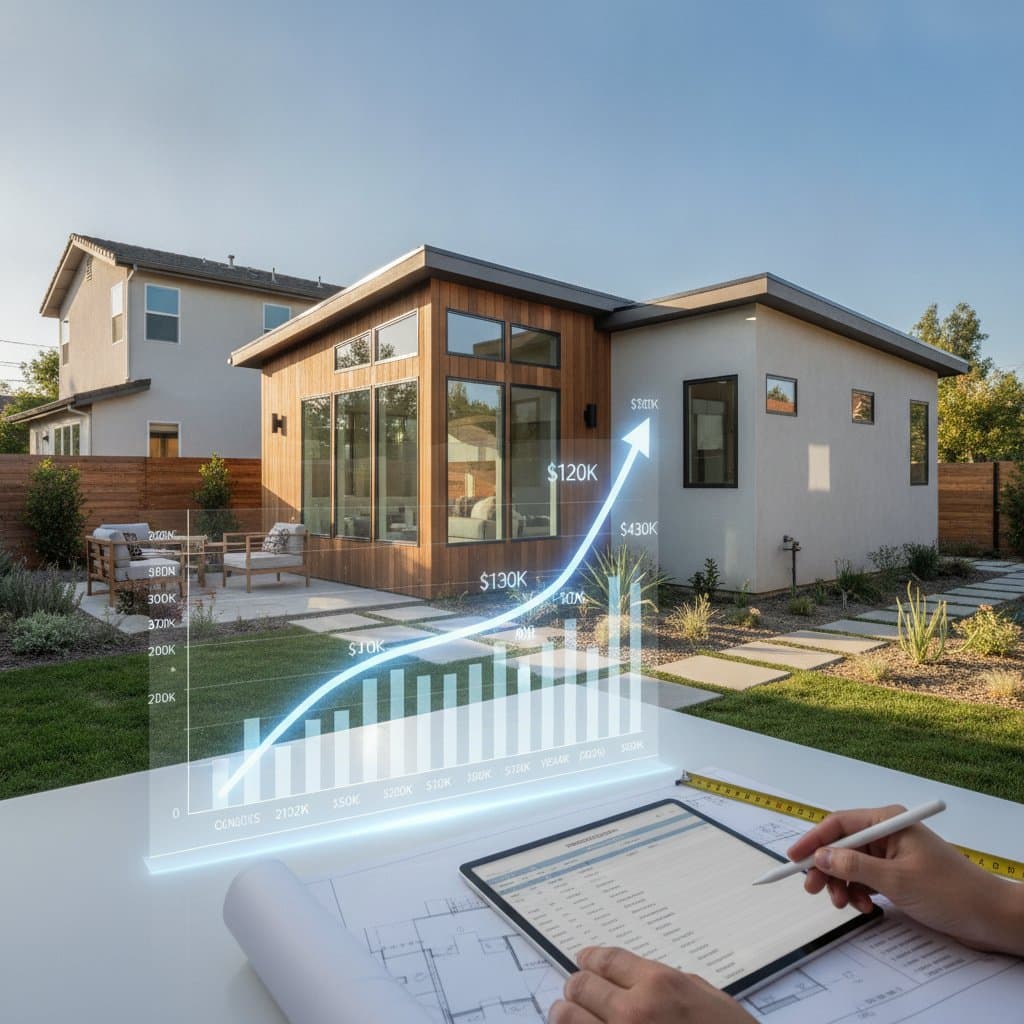
- Expectations for return on investment and property value enhancement
- Considerations for DIY elements versus professional services
- Strategies to reduce costs and guidance on engaging experts
- Answers to frequent questions from homeowners about prefab ADUs
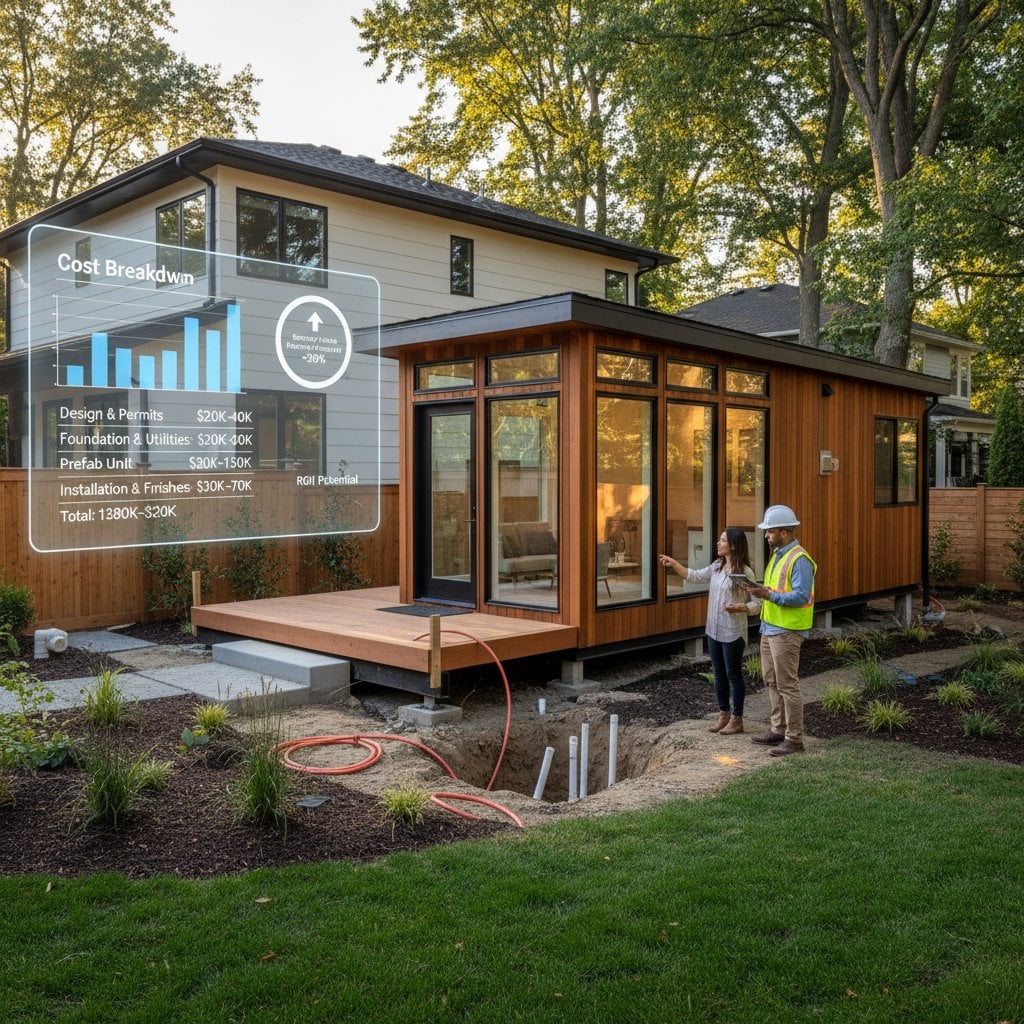
Breaking Down the Budget
A clear grasp of individual cost components enables precise budgeting and avoids surprises during the project.
1. Prefab Unit and Factory Costs
Typical Range: $90,000 to $180,000
This category encompasses the core structure, including framing, roofing, insulation, and basic interior finishes completed at the factory. Pricing varies by manufacturer, model specifications, and included features. For instance, entry-level models around 400 square feet start near the lower end, while larger units exceeding 800 square feet with premium finishes approach the upper limit. Some providers bundle essential appliances like refrigerators and ranges, whereas others list them as add-ons, potentially increasing costs by $3,000 to $8,000.
2. Delivery and Installation
Typical Range: $10,000 to $25,000
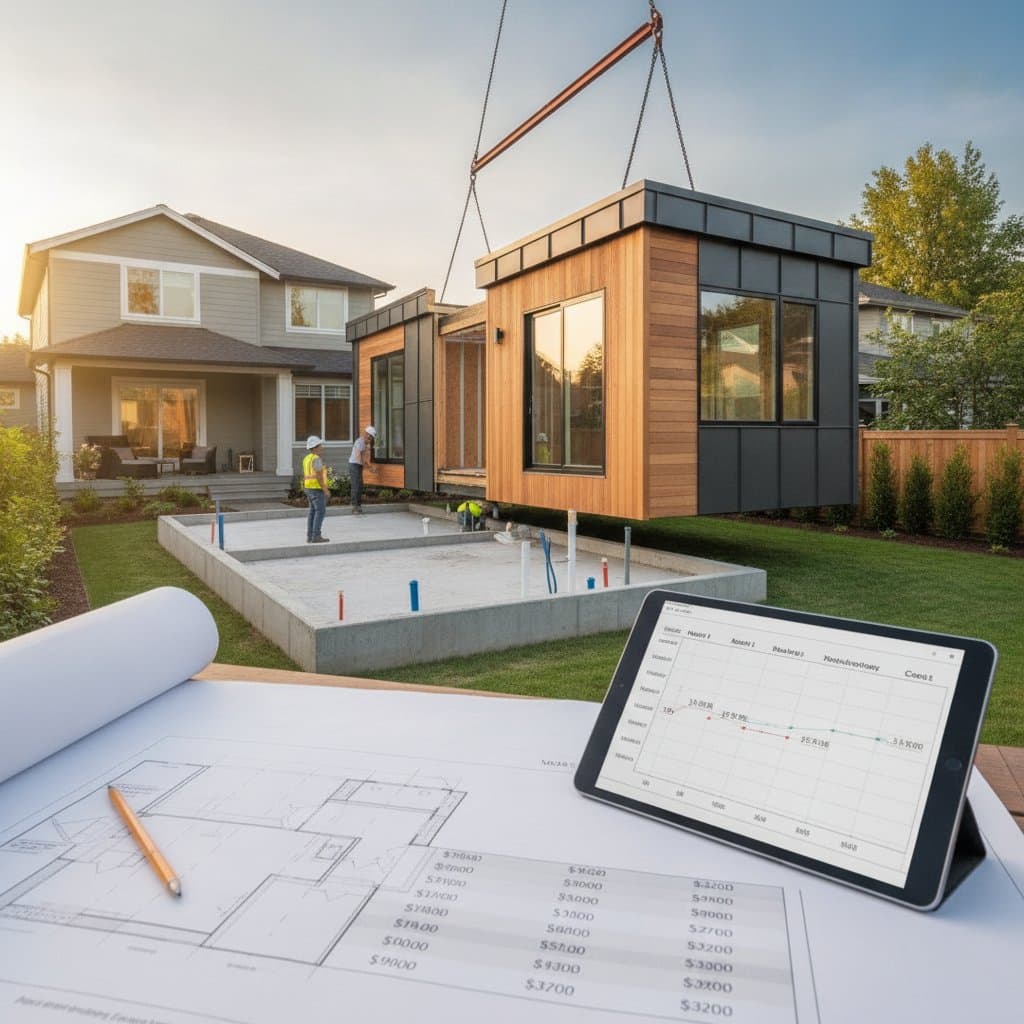
These fees cover transportation from the factory to the site, influenced by travel distance and module dimensions. For example, a cross-state haul might add $5,000 in trucking costs alone. On-site installation involves crane rental for lifting modules into position, which can escalate to $15,000 on constrained urban properties requiring specialized equipment to navigate narrow access points or overhead obstacles.
3. Foundation and Site Preparation
Typical Range: $20,000 to $50,000
Expenses here include clearing vegetation, grading the land for levelness, and constructing the foundation, often the most significant on-site outlay. A standard concrete slab foundation suits most flat sites and costs around $20,000 for a 600-square-foot ADU. However, sloped or flood-vulnerable locations demand pier-and-beam systems, pushing expenses toward $50,000 to ensure stability and compliance with elevation requirements.
4. Utility Hookups
Typical Range: $15,000 to $35,000
Establishing connections for water, sewer, electricity, and possibly gas involves trenching and compliance with local regulations. Proximity to the primary residence matters; a 50-foot run from the main house might total $15,000, but longer distances or the need for new service lines can double that figure. Additional upgrades, such as expanding the electrical panel from 100 to 200 amps or installing a dedicated gas meter, typically add $5,000 to $10,000.
5. Permits and Fees
Typical Range: $5,000 to $18,000
Regulatory costs differ widely by location, covering building permits, environmental impact assessments, and inspection fees. In progressive areas like California, ADU-specific programs streamline approvals but still charge $8,000 to $12,000 for comprehensive reviews. Rural jurisdictions may impose lower fees around $5,000, though impact fees for increased density can reach $18,000 in high-demand urban zones.
6. Landscaping and Finishing Touches
Typical Range: $3,000 to $15,000
These elements finalize the installation, encompassing final soil grading, installation of pathways, perimeter fencing, and exterior lighting. A basic setup with gravel walkways and simple fencing might cost $3,000, enhancing accessibility and privacy. More elaborate designs, including native plantings and automated irrigation, can invest up to $15,000 to elevate aesthetics and support sustainable water use.
DIY vs Professional Installation
Prefabricated ADUs streamline construction, yet complete do-it-yourself efforts prove impractical for the majority of homeowners due to technical demands.
When DIY Works
Homeowners with relevant skills can manage non-structural tasks such as landscaping, interior painting, or selecting finish materials. These efforts often save $2,000 to $5,000. For example, applying two coats of low-VOC paint to walls and trim requires basic tools and a weekend, yielding a customized look without compromising the build.
When to Hire a Professional
Engage licensed contractors for critical phases including:
- Foundation excavation and pouring
- Electrical wiring and plumbing installations
- Coordination of permit applications and inspections
- Management of delivery cranes and module assembly
Precision in alignment and adherence to codes remains vital. Mistakes in these areas lead to rework expenses exceeding $10,000 or prolonged delays from failed inspections.
Regional and Material Considerations
Local climate, zoning regulations, and supply chains shape both expenses and unit durability.
- Coastal Areas: Demand galvanized steel framing and impact-resistant glazing, increasing costs by 5 to 10 percent to withstand salt corrosion and high winds.
- Cold Regions: Require R-30 insulation levels and heated slab foundations to prevent frost heave, adding $5,000 to $8,000 for thermal performance.
- Hot or Arid Climates: Incorporate cool-roof coatings and overhangs to minimize solar heat gain, potentially reducing long-term energy bills by 20 percent.
Consult with builders early to integrate these adaptations, ensuring the ADU performs optimally while controlling expenses.
Maintenance and Lifespan
With proper care, prefabricated ADUs endure as long as site-built homes, often exceeding 50 years for the structural components. Material choices, such as fiber-cement siding over wood, extend longevity in harsh environments.
Key maintenance tasks include:
- Annual inspections of roof membranes and sealant joints for wear
- Quarterly clearing of gutters to prevent water damage
- Exterior repainting or staining every 7 to 10 years to protect against weathering
- Monthly testing of smoke alarms and carbon monoxide detectors for safety
Regular attention to these items safeguards investment value and habitability.
FAQs About Prefab ADU Costs
How long does installation take?
After permit approval, delivery and assembly typically span 4 to 8 weeks, contingent on utility integrations and final inspections. Weather delays or supply chain issues can extend this timeline by 2 to 4 weeks.
Do prefab ADUs require the same permits as traditional builds?
Yes, they adhere to identical zoning, setback, and building codes. Off-site fabrication accelerates the process but does not exempt any regulatory steps.
Can financing cover both the unit and installation?
Lenders frequently provide integrated options, such as renovation loans or home equity lines of credit, that encompass the prefab unit, site work, and hookups in a single package.
What is the difference between modular and prefab ADUs?
Modular ADUs represent a subset of prefabrication, involving larger, nearly complete sections assembled on-site from factory-built volumes. Panelized prefab systems, by contrast, deliver flat components like walls and roofs for field assembly on a prepared foundation.
Are prefab ADUs energy efficient?
Indeed, many surpass standard codes with features like double-pane windows, spray-foam insulation, and ENERGY STAR-rated appliances, often achieving 15 to 25 percent better efficiency than conventional constructions.
Steps to Launch Your Prefab ADU Project
A well-executed prefab ADU delivers versatility, additional living space, and substantial financial returns through rental income or family housing. Success hinges on meticulous planning, accurate cost projections, and collaboration with qualified professionals. Start by evaluating site feasibility, soliciting bids from at least three manufacturers, and verifying compliance with local ordinances. Through deliberate choices in design and execution, this addition transforms your property into a more versatile and valuable asset for years ahead.