
2025 Tariffs: Prepare for Higher Material Costs in Construction
Construction professionals and homeowners must anticipate elevated project expenses due to impending trade tariffs on essential building materials. These tariffs target items such as framing lumber and structural steel, disrupting supply chains and inflating budgets in both residential and commercial sectors. A clear grasp of these impacts enables more precise planning and helps prevent unexpected financial setbacks.
Overview of Projected Cost Increases
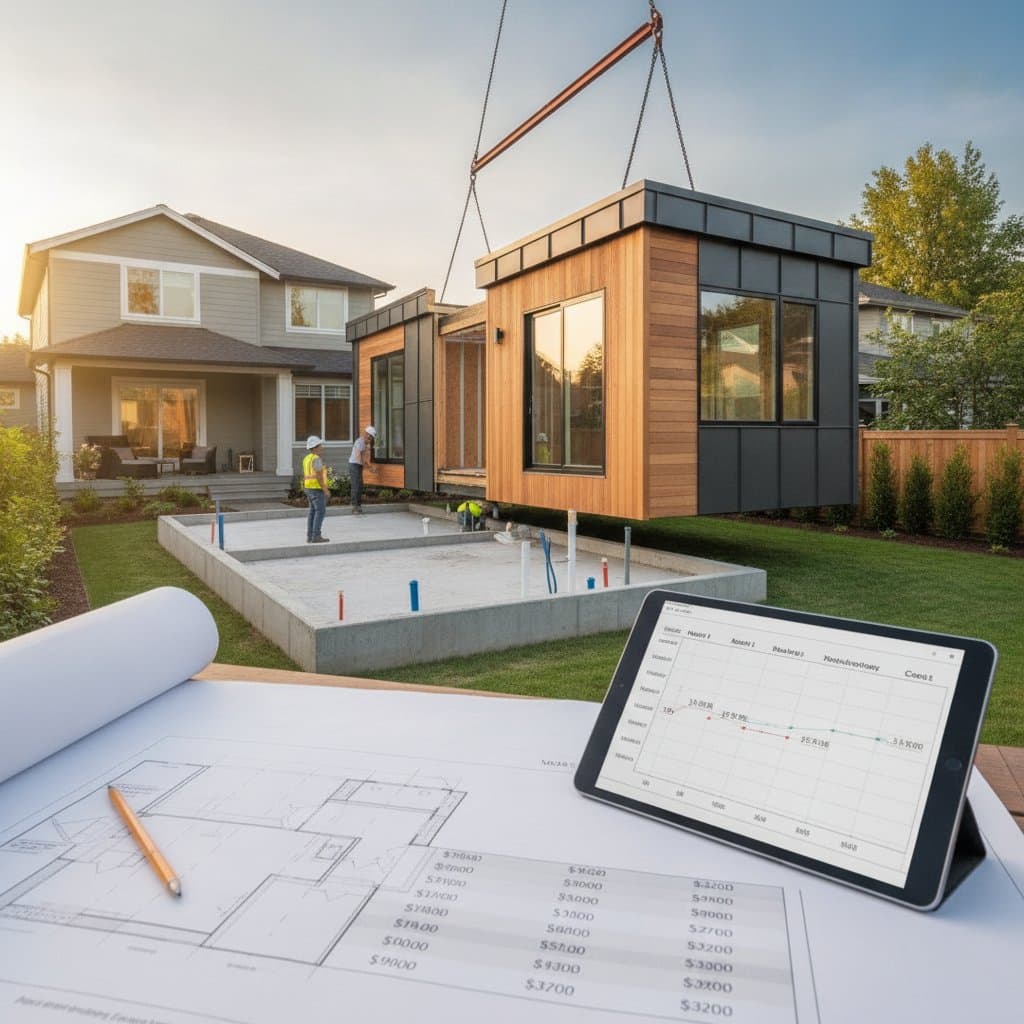
Projections indicate material prices will climb between 8 and 18 percent, varying by product and origin country. For typical residential projects, overall costs may rise by 6 to 10 percent. Larger commercial or infrastructure endeavors could experience increases of 12 percent or higher.
Primary factors driving these elevations include:
- Tariff applications on imported steel, aluminum, and softwood lumber
- Elevated transportation and logistics expenses from global supply interruptions
- Supplier adjustments that raise prices in response to heightened demand
- Labor constraints, which compound expenses during material delays
Such influences extend to new builds and renovations alike across the industry.
Essential Insights on Tariff Effects
- Lumber and steel face the most significant price surges.
- Domestic producers might increase rates to align with tariff-affected imports.
- Supply chain interruptions lead to added expenses for storage, shipping, and workforce utilization.
- Contractors often pivot to regional sourcing or substitute materials to mitigate rises.
- Homeowners undertaking renovations benefit from obtaining and securing quotes promptly.
Breakdown of Costs by Material
Increases vary across categories, with some facing gradual rises and others experiencing pronounced spikes based on tariff specifics and supplier reactions.
Lumber
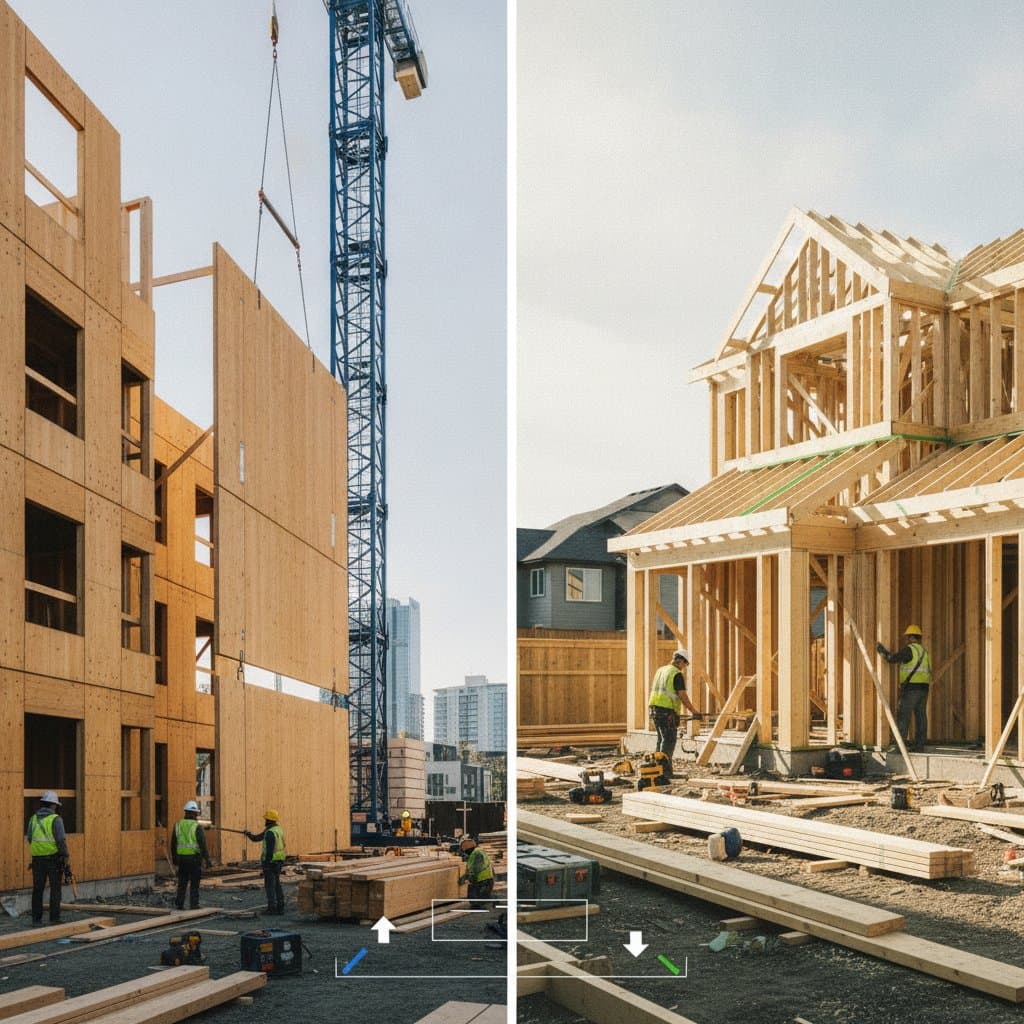
Softwood lumber essential for framing and basic construction may increase by 10 to 15 percent. For a standard new home requiring approximately 30,000 dollars in lumber, expenses could reach 33,000 to 35,000 dollars. Engineered options, including LVL beams and plywood, are likely to mirror these trends.
Steel
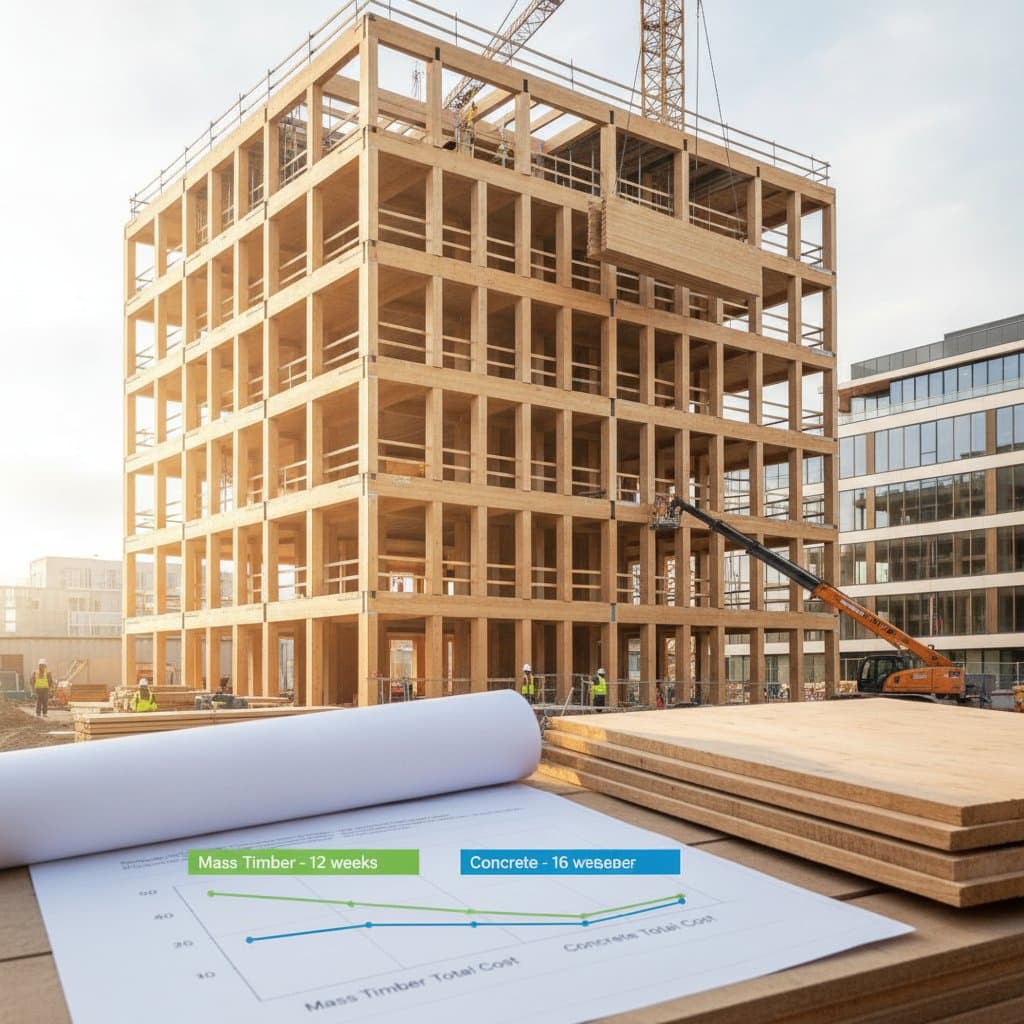
Structural steel and rebar prove highly sensitive to tariffs. Estimates point to rises of 15 to 25 percent, contingent on grade and processing. A commercial initiative formerly budgeting 200,000 dollars for steel might now allocate up to 250,000 dollars.
Aluminum and Copper
These components, integral to roofing, windows, and electrical setups, could see 8 to 12 percent hikes. Electrical and HVAC specialists will encounter initial impacts through elevated costs for wiring, ducts, and piping.
Concrete and Masonry
Concrete avoids direct tariffs, yet fuel-related delivery costs may elevate prices by 3 to 5 percent. Imported bricks and tiles in masonry applications could rise more substantially.
Implications for Contractors and Pricing
Contractors respond to pricing shifts by incorporating escalation clauses into agreements, permitting adjustments if materials exceed predefined limits. This safeguards both parties involved.
General contractor proposals typically incorporate 5 to 8 percent buffers for material fluctuations. Subcontractors in areas like steel framing and roofing often limit quote validity to 15 to 30 days.
Homeowners should respond swiftly to bids, as postponement risks revisions prior to material procurement.
Broader Influences on Expenses
External elements amplify tariff consequences:
- Freight and logistics burdens from rising fuel and delays
- Regional constraints heightening dependence on costlier imports
- Currency variations altering import economics
- Extended timelines elevating permitting and oversight fees
These dynamics can inflate overall budgets beyond baseline material upticks.
Strategies for Expense Management
Proactive measures and informed sourcing help counteract tariff-driven increases.
-
Secure pricing upfront. Obtain documented quotes with extended fixed terms; suppliers may accommodate brief holds amid peak demand.
-
Opt for local resources. Proximity to domestic mills and fabricators minimizes transport and tariff vulnerabilities.
-
Streamline designs. Eliminate excess details in framing, cabinetry, or steel elements to conserve materials.
-
Aggregate purchases. Coordinate bulk buys across projects or via contractor networks for volume reductions.
-
Optimize timelines. Efficient scheduling curtails storage, labor, and idle periods.
Implementing these steps can reduce total expenses by 5 to 10 percent despite market pressures.
Assessing Investment Returns
Rising material prices affect returns on new builds and renovations. Initial outlays may temper immediate gains, yet superior materials sustain property worth over time.
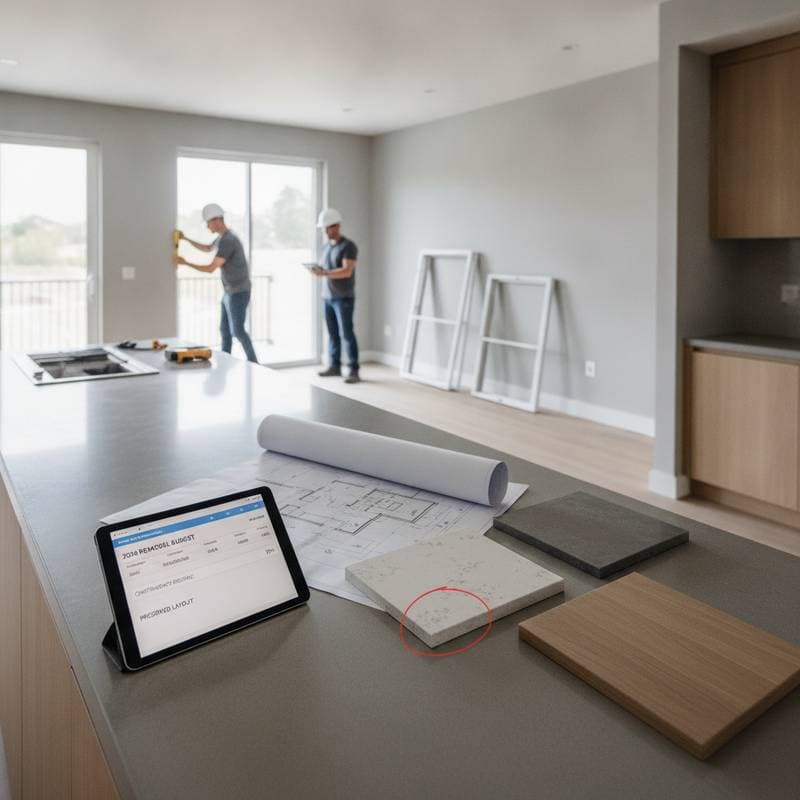
Residential endeavors, such as kitchen updates or comprehensive overhauls, typically recoup 60 to 70 percent via resale, subject to local markets. Commercial stakeholders can counter hikes through adjusted leases or efficiency enhancements in systems.
Selecting resilient materials backed by robust guarantees proves prudent. Tariffs represent short-term challenges, while sound construction lowers future upkeep demands.
Weighing DIY Against Professional Services
Homeowners deliberate between self-management and engaging certified contractors, particularly with tariffs altering material access and rates. Expert guidance gains importance in uncertain conditions.
DIY approaches cut labor costs but involve retail material pricing, which exceeds trade levels. Inaccuracies in quantity estimates or delivery setbacks can escalate outlays.
Professionals leverage discounts, bulk deals, and vendor ties. They adeptly source alternatives during shortages and manage regulatory hurdles efficiently.
For minor fixes, DIY offers savings; however, professionals excel in overseeing complex or expansive renovations amid volatility.
Basis for Cost Projections
These estimates draw from supplier quotations, contractor assessments, and area-specific indices. National averages account for steady inflation; regional deviations occur based on proximity to sources and project scope.
Frequently Asked Questions
By how much might tariffs elevate my construction budget? Overall project expenses could increase by 6 to 10 percent, influenced by materials and geography.
Which materials suffer the greatest impacts? Steel, lumber, and aluminum endure the highest proportional rises.
Is it advisable to postpone a renovation awaiting price stabilization? Delays do not assure reductions; early commitments and regional suppliers frequently neutralize escalations.
Are substitutions with lower-cost materials feasible? Affirmative, provided evaluations confirm longevity and regulatory adherence.
How does one safeguard a budget within a contract? Incorporate escalation provisions or demand documented price assurances from contractors.
Safeguarding Project Viability
Tariffs could reshape pricing dynamics for extended periods, yet deliberate strategies maintain oversight. Track quotations diligently, verify supplier dependability, and collaborate with experts versed in expense projections.