2026 Universal Design Trends for Seamless Aging in Place
A home evolves alongside its residents, fostering comfort, independence, and safety through every life stage. Universal design advances this evolution by crafting spaces accessible to individuals of all ages and abilities, all while preserving aesthetic appeal. This article examines strategies for planning or renovating a home to facilitate aging in place with enhanced security and enjoyment.
Understanding Universal Design
Universal design merges accessibility with visual elegance. It emphasizes environments that accommodate diverse users, irrespective of age or physical capability. The objective extends beyond installing utilitarian elements; it involves developing intuitive, adaptable, and attractive spaces.
Central to universal design are principles like adaptability, safety, and user-friendly operation. These guide modifications in layout, materials, and fixtures to enhance livability. Whether undertaking a comprehensive remodel or targeted improvements, such approaches ensure functionality aligns with evolving requirements.
Core Principles of Universal Design
Grasping the foundational principles provides a framework for implementation:
- Equitable use: Designs serve users with varying abilities without isolation or customization.
- Flexibility in use: Elements adjust to suit individual preferences and needs.
- Simple and intuitive operation: Interfaces and arrangements prove straightforward to navigate.
- Perceptible information: Essential cues remain detectable through sight, sound, or touch.
- Tolerance for error: Systems minimize unintended actions and their consequences.
- Low physical effort: Operations demand minimal force or precision.
- Size and space for approach and use: Provisions allow comfortable access, including for assistive devices.
These tenets shape decisions from doorway dimensions to illumination strategies, yielding homes that integrate support naturally.
1. Step-Free Entries and Pathways
Installing a step-free entry ranks among the highest-impact modifications for aging in place. This feature removes stumbling risks and simplifies access for those employing walkers, canes, or wheelchairs.
Level thresholds lower the incidence of falls and enable seamless indoor-outdoor transitions. They also facilitate transporting bulky items like furniture or supplies.
Incorporate textured, non-slip surfaces such as brushed concrete pavers or composite decking. Opt for subtle inclines over steep ramps to blend with landscaping. Align pathway illumination, like solar LED path lights, to ensure nighttime visibility.
2. Wider Doorways and Hallways
Broadening doorways and corridors boosts accessibility and imparts an airy ambiance.
Conventional widths constrain mobility aids, but expanding to at least 32 inches enhances circulation and ease.
Select lever handles over round knobs for simpler operation, especially with arthritic hands. Apply high-contrast paint to frames, such as white against a gray wall, to delineate passages clearly. Pair with flush flooring thresholds to eliminate snags.
3. Non-Slip Flooring with Seamless Transitions
Flooring selections affect safety and navigation beyond mere decor.
Surfaces with superior traction prevent slips, while uniform materials avoid disruptive seams that impede wheels or feet. Consistent flooring simplifies maintenance as well.
Luxury vinyl tiles mimicking hardwood provide durability and grip. Steer clear of thick carpets or loose area rugs that bunch up. Employ earthy tones like warm oak or soft taupe to conceal dirt while promoting tranquility.
4. Open-Concept Kitchens with Adaptable Elements
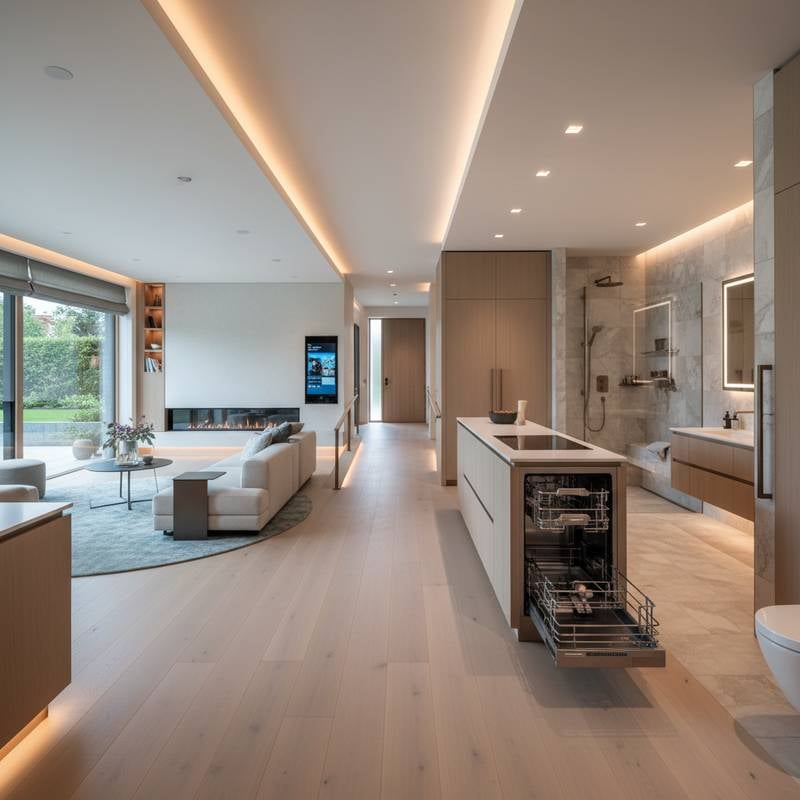
Kitchens serve as communal hubs, and universal design renders them both functional and inclusive.
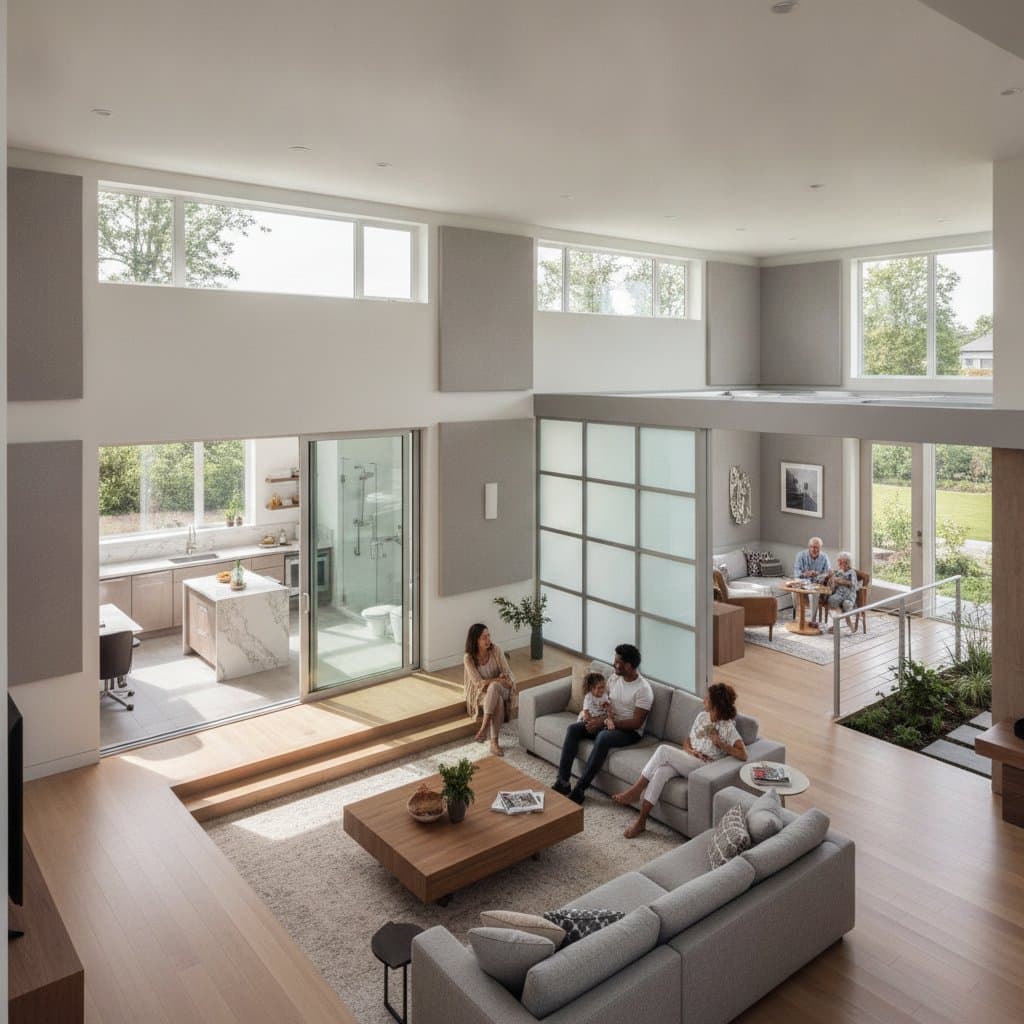
Spacious, barrier-free layouts permit fluid movement, accommodating seated preparation or social interaction.
Integrate height-adjustable countertops via hydraulic lifts for varied user heights. Install pull-out pantry shelves and touchless faucets to reduce reaching and twisting. Differentiate counter edges with bold color bands, such as navy against white quartz. Layer lighting with recessed ceilings, under-cabinet strips, and pendants for versatile illumination.
5. Accessible Bathrooms with Luxurious Touches
Bathrooms demand heightened attention to safety, yet universal design elevates them to relaxing retreats.
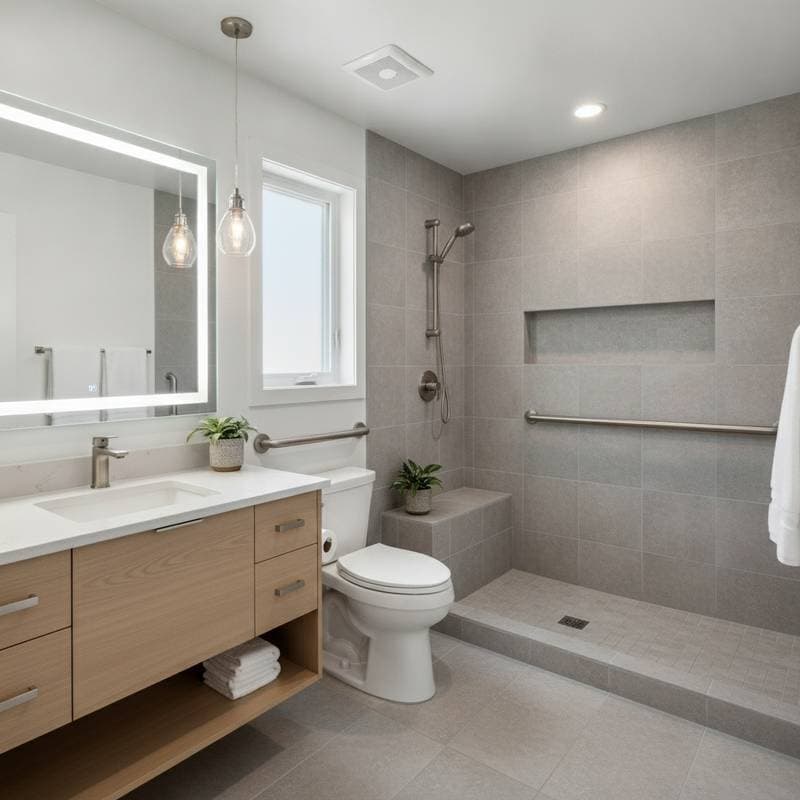
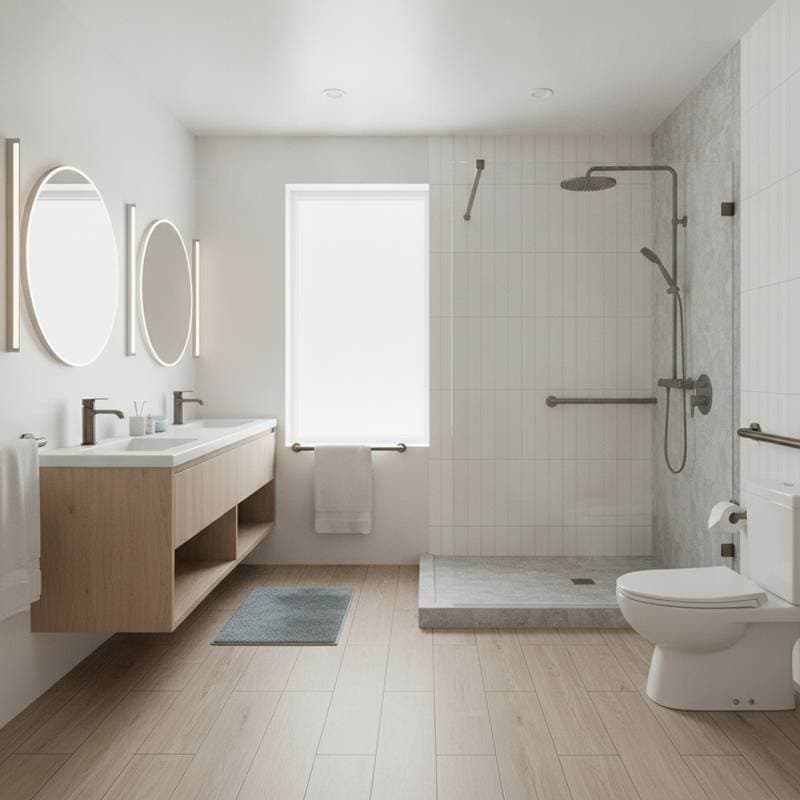
Features like zero-threshold showers, reinforced grab bars, and grippy tiles safeguard users without compromising sophistication.
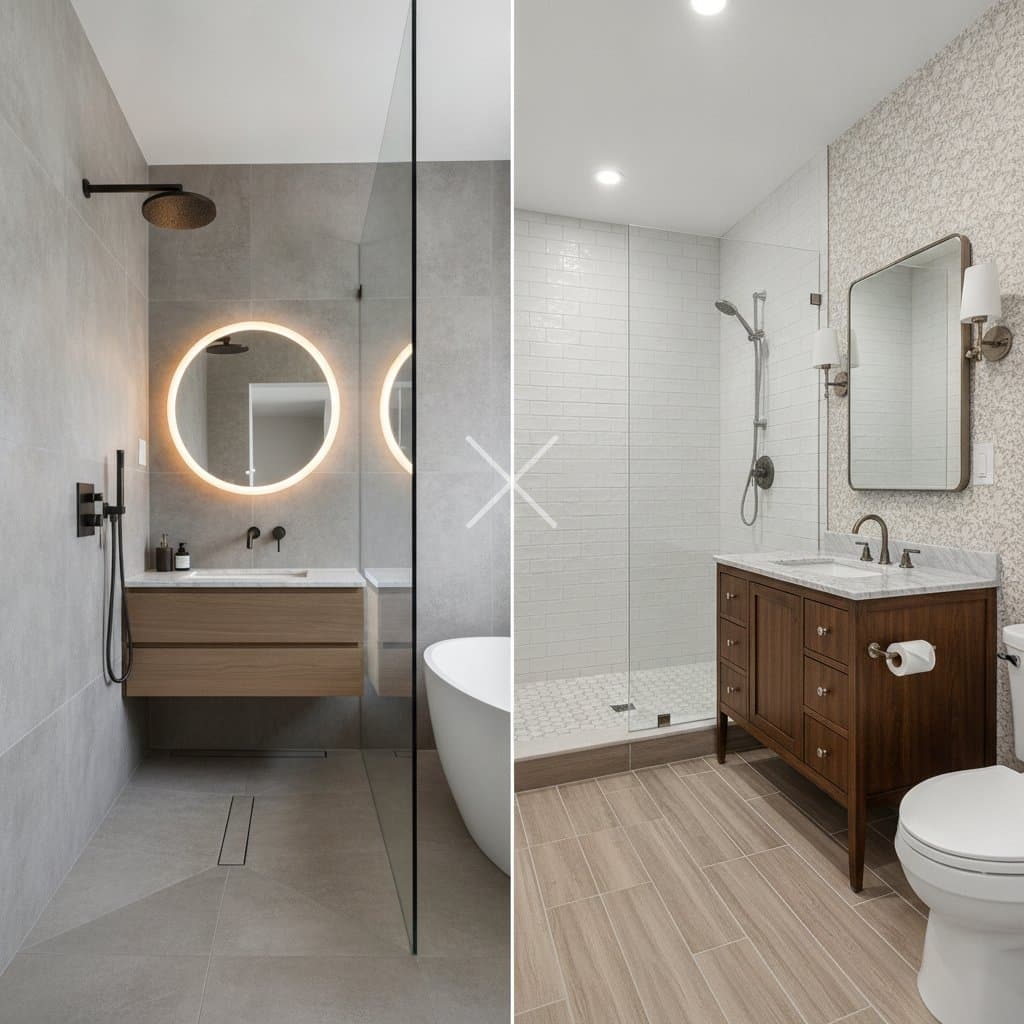
Tile walls in soothing grays paired with matte black hardware for enduring style. Mount a rainfall showerhead with an adjustable arm and fold-down seat. Opt for wall-hung vanities at 34 inches high to allow knee clearance. Employ diffused LED panels to illuminate evenly, minimizing shadows.
6. Adaptive Lighting Solutions
Strategic lighting sustains visual acuity and emotional well-being as vision evolves.
Multi-layered systems alleviate eye strain and accentuate critical areas like stairs or controls. Customizable options adjust brightness and warmth to personal comfort.
Install sensor-triggered hallway fixtures that activate upon approach. Position low-level toe-kick lights under beds and cabinets for nocturnal orientation. Choose warm-white dimmable LEDs, tunable from 2700K to 5000K, for all-day adaptability.
7. Integrated Smart Home Technologies
Smart integrations streamline routines and bolster security with minimal intervention.
Voice-activated controls and remote oversight lessen physical demands while providing reassurance.
Deploy programmable thermostats that learn preferences for consistent climate control. Equip entrances with cameras and keyless locks operable via smartphone. Automate blinds and lights through hubs compatible with assistants like Alexa, featuring voice prompts and large-screen interfaces.
8. Multifunctional Living Areas
Versatile rooms accommodate shifting lifestyles, prolonging independent living.
Spaces that repurpose easily, such as converting a den into a primary suite, maintain utility.
Fit sliding barn doors to maximize floor space without swing interference. Paint in versatile neutrals like soft linen or balanced beige for broad appeal. Embed USB outlets every six feet and modular shelving for tech and storage needs.
9. Inclusive Outdoor Environments
Extending universal design outdoors preserves leisure and vitality beyond interior confines.
Well-planned exteriors encourage activity and interaction minus barriers.
Pave patios with permeable pavers for even footing and drainage. Elevate garden beds to 30 inches with integrated seating. Install pergolas for shaded rest and pathway strips glowing with integrated LEDs for dusk navigation.
10. Strategic Color and Contrast Applications
Thoughtful palettes enhance perception and safety alongside beauty.
Contrasts clarify boundaries, aiding those with diminished sight to navigate confidently.
Pair pale walls with darker baseboards, like ivory against charcoal, for edge definition. Favor satin sheens over gloss to curb reflections. Select serene hues such as muted sage or light clay that amplify natural light diffusion.
Planning Your Universal Design Project
Initiate modifications proactively during routine updates to preempt challenges. Target high-risk zones like entrances, wet areas, and illumination first for immediate gains. Harmonize utility with elegance through contemporary finishes that conceal adaptive elements.
Simulate daily paths using temporary aids to identify bottlenecks. Engage certified contractors versed in accessibility codes for precise executions that elevate property worth.
Evaluating Costs and Implementation
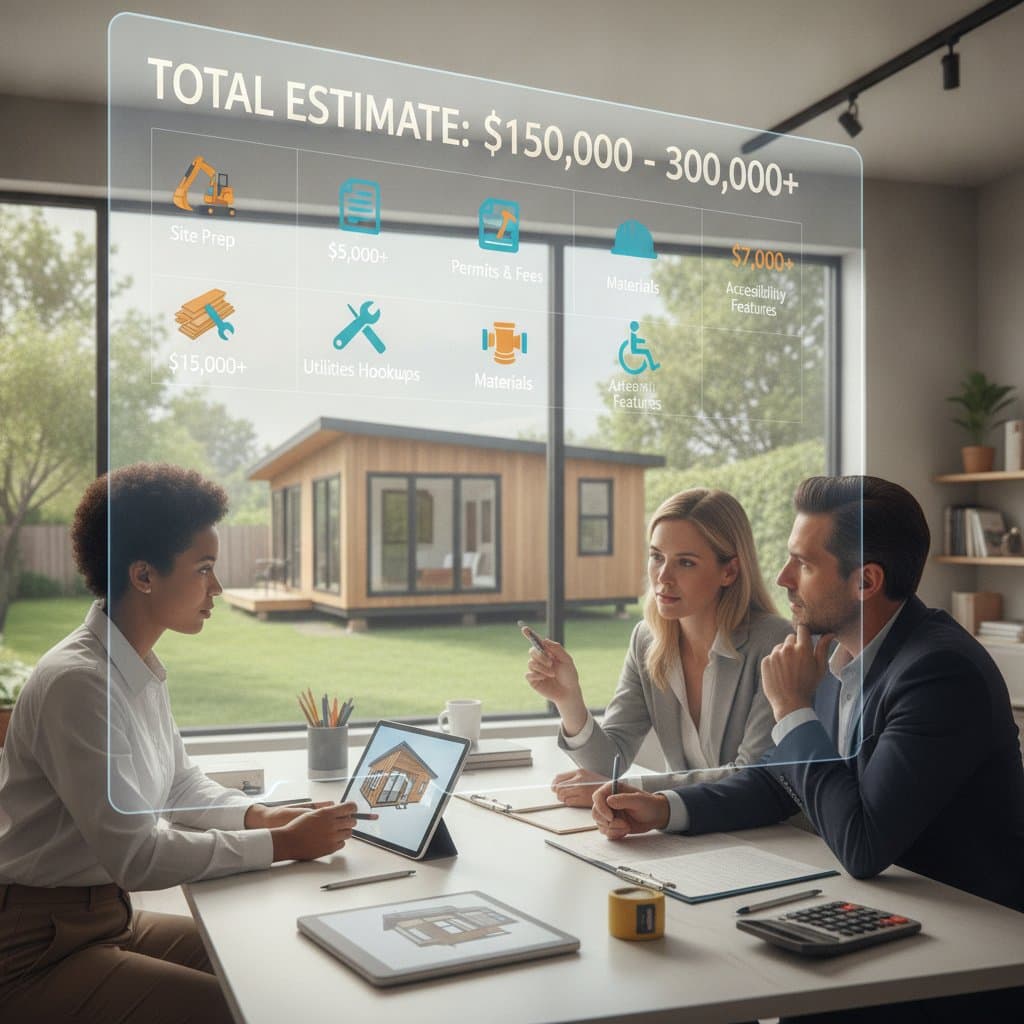
Expenses vary by project scale; basic swaps like lever hardware or sensor lights cost under $500 and suit DIY efforts. Extensive alterations, including shower conversions or structural widening, range from $5,000 to $20,000 and benefit from expert oversight.
Early adoption averts pricier retrofits later. Such enhancements often boost market value by appealing to multigenerational buyers seeking enduring comfort.
Embracing Daily Independence Through Design
A universally designed home streamlines routines, empowering self-reliance in every corner. Movement flows unhindered, tasks complete with ease, and spaces invite relaxation free from concern. These integrations harmonize form and function, ensuring visual allure matches practical prowess.
Monitor interactions with your environment over a week to pinpoint refinements, such as repositioning switches or softening floor textures. Universal design supports ongoing adaptation, aligning spaces with personal rhythms.
Steps to Customize Your Home
Aging in place thrives on intentional planning, not chance. Conduct a mobility audit of your residence, flagging potential hurdles in navigation or reach. Develop a phased upgrade list that preserves your aesthetic vision while addressing identified needs.
Collaborate with designers to prototype solutions, ensuring each enhances both safety and satisfaction for decades ahead.