Understanding Universal Design in Home Remodeling
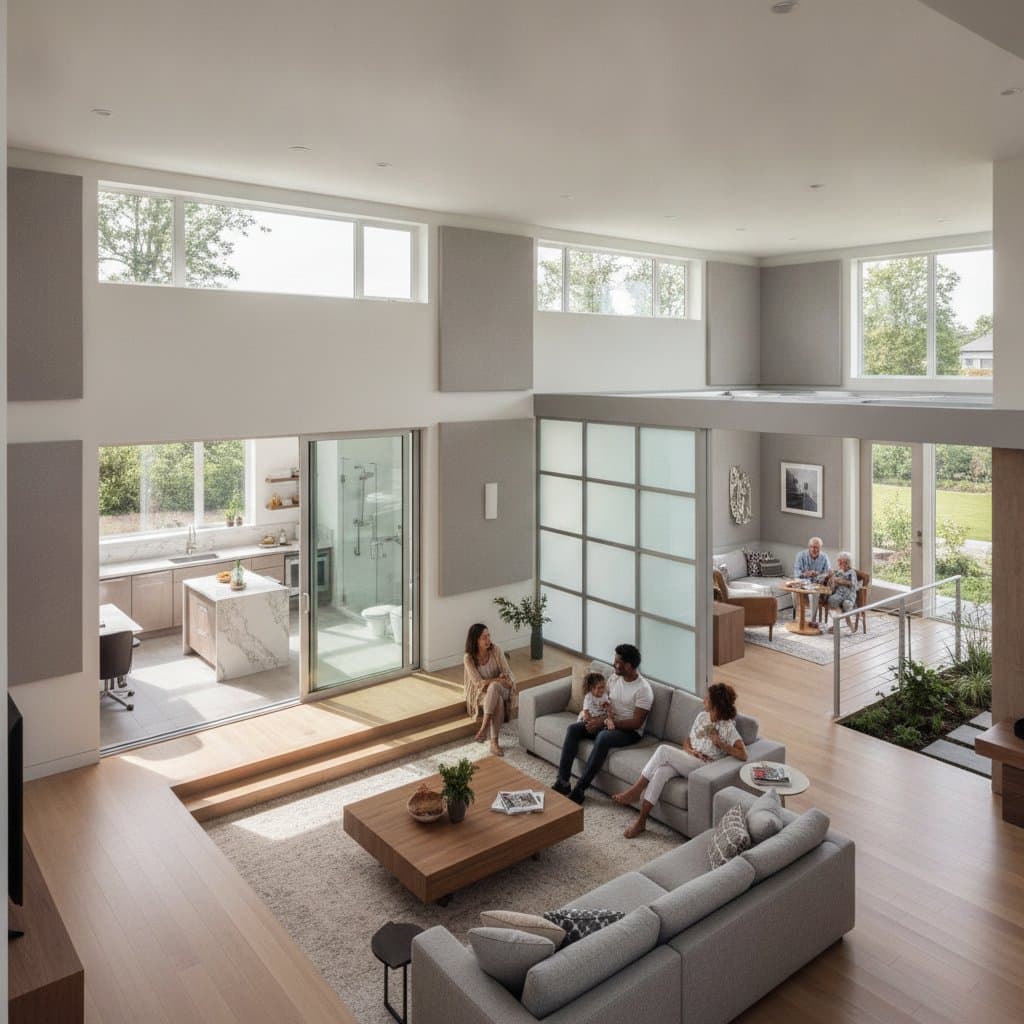
Universal design principles create homes that accommodate people of all ages, abilities, and sizes. These approaches focus on accessibility without sacrificing aesthetics or functionality. By incorporating universal design during remodeling, homeowners prepare their spaces for long-term use, especially as needs change over time.
This design philosophy emphasizes features like wide doorways, lever handles, and non-slip flooring. Such elements promote safety and independence. Homeowners often choose universal design to support aging in place, avoiding the need for major modifications later.
Benefits of Universal Design Remodeling
Implementing universal design enhances daily living. Wider hallways and entryways allow easy movement for wheelchairs or strollers. Adjustable counter heights in kitchens serve both children and seated adults.
Safety improves with grab bars and better lighting. These features reduce fall risks and support those with mobility challenges. Property value increases as the home appeals to a broader market.
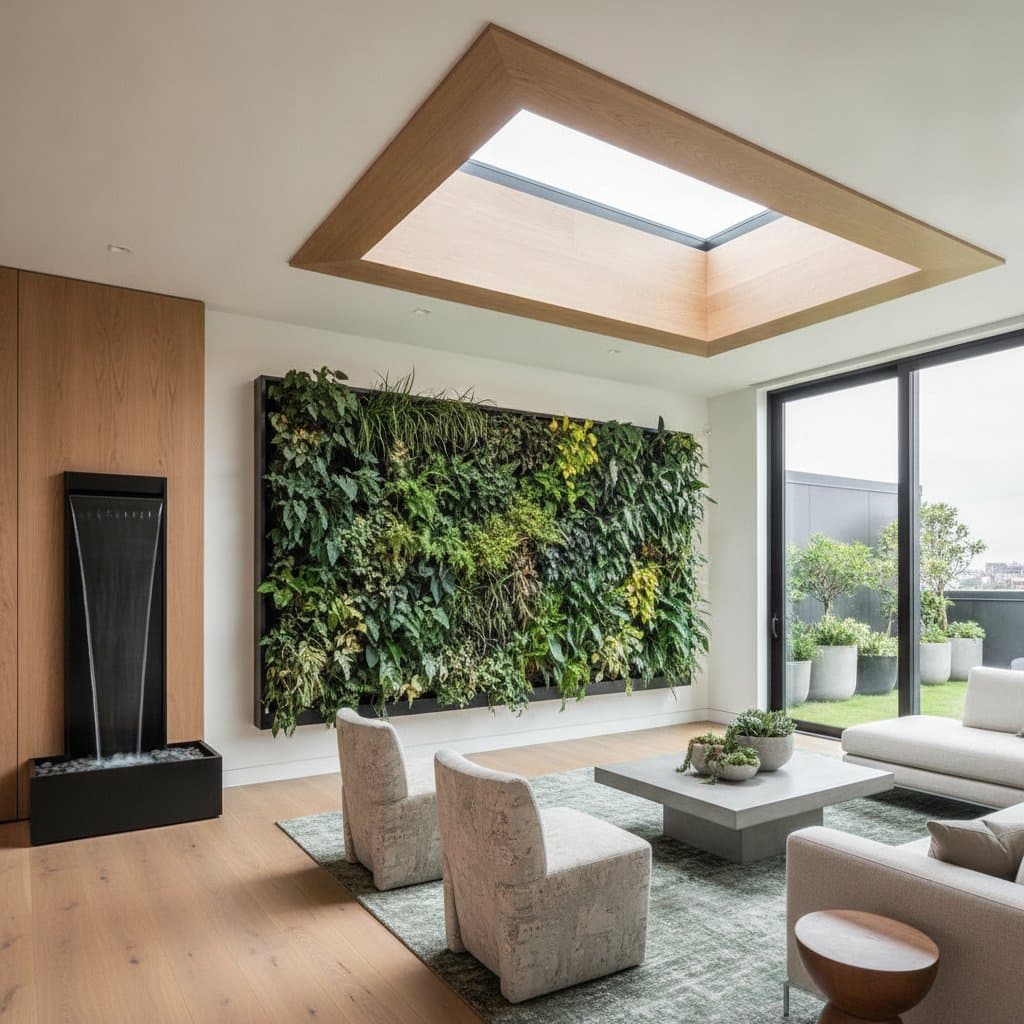
Energy efficiency often accompanies these updates. For instance, larger windows improve natural light while maintaining privacy. Overall, universal design fosters comfort and equity in the home environment.
Key Areas for Universal Design Updates
Bathrooms
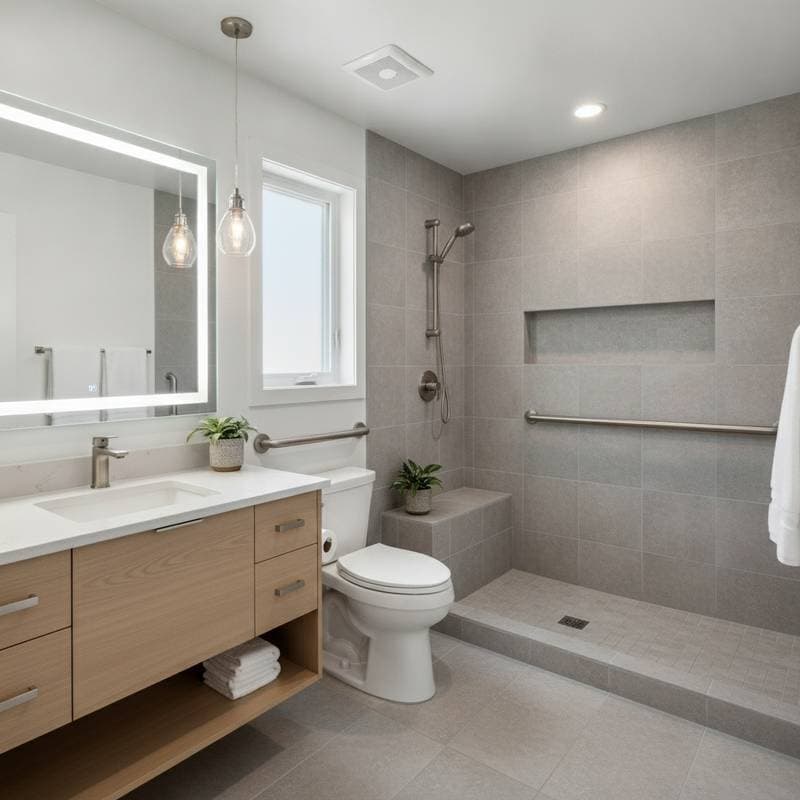
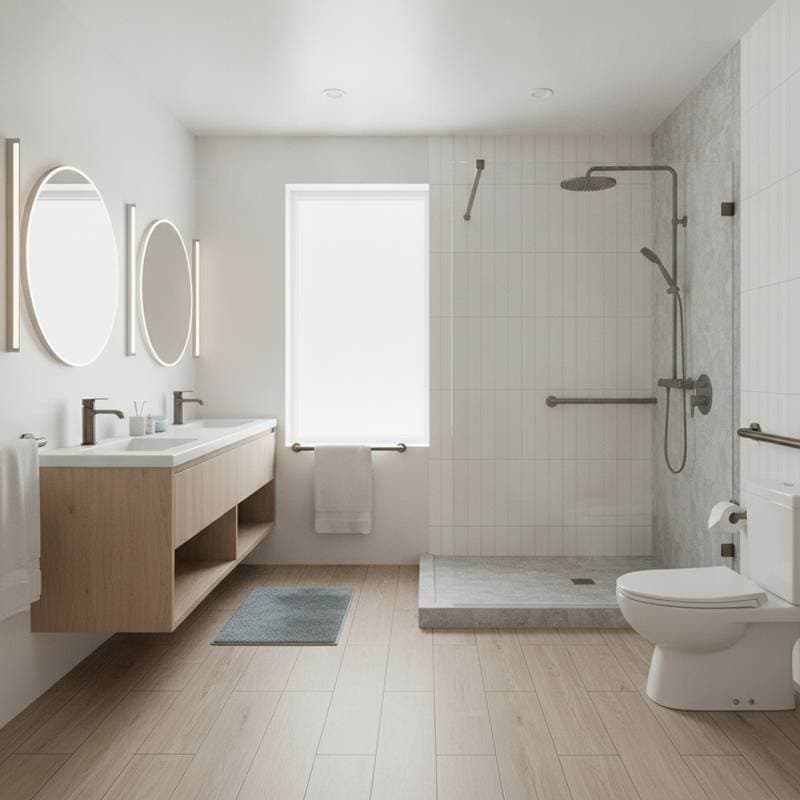
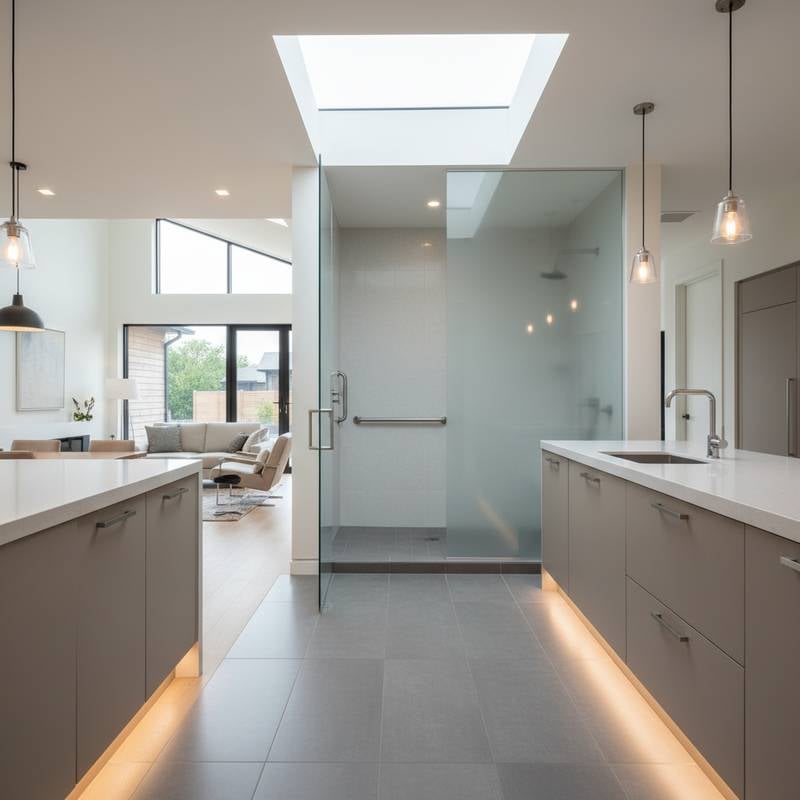
Bathrooms present common challenges for accessibility. Installing a walk-in shower eliminates tub-related barriers. Curbless designs with sloped floors ensure smooth entry.
Grab bars near toilets and showers provide essential support. These can blend seamlessly with modern fixtures. Heated floors add comfort during colder months.
Kitchens
Kitchens benefit from pull-out shelves and lower cabinets. These allow access without excessive reaching or bending. Induction cooktops offer precise control and safety.
Task lighting under cabinets highlights workspaces. Open shelving reduces clutter and improves visibility. Sink placements at varying heights accommodate different users.
Entryways and Hallways
Wider doorways, at least 32 inches clear, facilitate passage. Threshold ramps replace steps for seamless transitions. Motion-sensor lights activate upon approach.
Coat hooks at multiple heights serve all family members. Durable, non-slip flooring withstands high traffic. These changes create welcoming, navigable spaces.
Cost Estimates for Universal Design Remodeling
Costs vary by project scope, location, and materials. A full bathroom remodel with universal features ranges from $15,000 to $30,000. This includes shower conversions and fixture upgrades.
Kitchen updates typically cost $20,000 to $50,000. Factors like appliance selections and cabinetry influence the total. Entryway modifications run $5,000 to $15,000, depending on structural changes.
Whole-home adaptations average $50,000 to $100,000. Budget for permits and unexpected issues. High-quality materials ensure durability and return on investment.
- Low-end projects: Basic grab bars and lighting, $2,000–$5,000.
- Mid-range: Partial room updates, $10,000–$25,000.
- High-end: Comprehensive redesigns, $40,000+.
Consult local contractors for precise quotes. Financing options like home equity loans ease the burden.
Timeline for Remodeling Projects
Timelines depend on project size and contractor availability. Small updates, such as installing grab bars, take 1–2 days. Entryway ramps complete in 3–5 days.
Bathroom remodels span 2–4 weeks. Disruptions minimize with phased work. Kitchens require 4–8 weeks due to plumbing and electrical needs.
Full-home projects last 2–6 months. Plan around peak seasons to avoid delays. Clear communication with the team keeps schedules on track.
- Planning phase: 1–2 weeks for design and permits.
- Demolition and prep: 1 week.
- Installation: Varies by scope.
- Finishing and cleanup: 3–5 days.
DIY Options Versus Hiring Professionals
Some tasks suit DIY efforts. Installing lever handles or adding non-slip mats requires basic tools. These changes cost under $500 and complete in a weekend.
However, structural modifications demand expertise. Electrical work and plumbing alterations require licensed professionals. Hiring ensures code compliance and safety.
Evaluate skills and project complexity. For major remodels, professionals provide warranties and quality assurance. Combine DIY for minor tweaks with expert help for significant updates.
Maximizing Value Through Smart Choices
Prioritize high-impact areas like bathrooms and kitchens. Select timeless materials that withstand wear. Integrate smart technology, such as voice-activated lights, for added convenience.
Regular maintenance preserves investments. Annual checks on fixtures prevent costly repairs. Universal design not only enhances current living but also secures future adaptability.
Homeowners gain peace of mind knowing their space evolves with them. These remodels promote independence and joy in daily routines. Invest thoughtfully to create a home that truly serves.