Wet Rooms Versus Traditional Bathrooms: A Comprehensive Remodel Comparison
Overview of Key Differences
This guide examines wet rooms and traditional bathrooms to help you select the ideal design for your 2025 remodel. Each option influences costs, construction processes, maintenance requirements, and accessibility features. By understanding these elements, you can align your choice with practical needs and aesthetic preferences.
Guidance on DIY and Professional Involvement
Scenarios for DIY Projects
Traditional Bathroom Updates
- Tackle surface-level changes, including replacing tiles, installing a new vanity, or swapping fixtures.
- Manage basic plumbing adjustments, such as faucet replacements, provided you possess essential tools and access to shut-off valves.
Wet Room Modifications
- Focus on non-essential tasks like arranging tiles or applying paint.
- Reserve waterproofing, drain setup, and floor sloping for expert handling to prevent structural failures.
Reasons to Engage Professionals
Professionals ensure compliance and durability in both designs. Engage a licensed plumber for relocating drains or supply lines. In wet rooms, a certified waterproofing specialist prevents leaks that could damage surrounding areas. For electrical components, such as lighting or heated flooring, consult a licensed electrician to meet safety codes.
Detailed Cost Breakdown
Costs vary based on scope, materials, and labor. A DIY traditional remodel typically ranges from $6,000 to $14,000, covering basic updates without major plumbing shifts. Professional traditional remodels fall between $12,000 to $24,000, incorporating expert installation for reliability.
Partial DIY wet room projects cost $10,000 to $18,000, limited to simpler elements. Full professional wet room installations range from $18,000 to $30,000, accounting for specialized waterproofing and sloping. These figures reflect average 2025 market rates, excluding regional variations or luxury additions.
Step-by-Step Process for Constructing a Wet Room
-
Develop Design and Layout
Plan a fully tiled floor integrated with a linear or central drain. Incorporate a subtle slope to guide water efficiently. Verify success by testing drain placement to eliminate standing water. -
Prepare Subfloor and Walls
Examine framing for structural integrity. Apply cement board or tile backer to all surfaces. Avoid untreated plywood due to moisture vulnerability; ensure the subfloor remains rigid without flexing. -
Apply Waterproofing Membrane
Install a seamless sheet or liquid membrane over floors and walls, overlapping seams thoroughly. Extend coverage up walls for complete protection. Confirm no gaps or exposed edges remain. -
Position Drain and Establish Slope
Secure the drain assembly with a watertight seal. Use screed mortar to achieve a uniform 1/4-inch slope per foot. Test by observing water flow toward the drain from every direction. -
Lay Tiles
Start with floor tiles, progressing to walls for cohesion. Select anti-slip options for the floor to enhance safety. Ensure tile joints align precisely while preserving the slope. -
Apply Grout and Sealants
Use waterproof grout throughout, supplemented by silicone in corners and edges. Inspect to confirm all joints and perimeters seal completely. -
Fit Fixtures and Enclosures
Install the shower valve, head, and optional glass panels. Conduct a water test to verify containment within the designated area.
Addressing Common Challenges and Verification Methods
Frequent Problems in Traditional Bathrooms
- Grout Cracking or Discoloration: Reapply waterproof sealant and improve ventilation to restore integrity.
- Water Accumulation Near Tub or Shower: Inspect slope alignment and reseal joints to redirect flow.
- Mold on Drywall Surfaces: Remove damaged sections and install cement board with a waterproof membrane.
Frequent Problems in Wet Rooms
- Leaks into Adjacent Spaces: Reinforce membrane seams and check drain gaskets for breaches.
- Inadequate Drainage or Puddling: Recalibrate floor slope or clear drain obstructions.
- Excessive Floor Slippage: Swap for textured tiles designed for wet environments.
Essential Quality Assurance Tests
Upon finishing, simulate use by running water for 10 minutes and scanning for leaks. Observe that surfaces dry promptly after exposure. Confirm grout lines stay sealed and undamaged over initial uses.
Ongoing Maintenance and Expected Durability
Wet Room Care
Perform weekly grout cleaning to avoid residue accumulation. Reseal tile joints annually or every 18 months. Monitor drains for blockages routinely. With diligent upkeep, expect a lifespan of 25 to 30 years.
Traditional Bathroom Care
Regrout and reseal every two to three years. Examine caulk around tubs and sinks periodically. Update fixtures when wear appears. Durability averages 20 to 25 years, influenced by material quality.
Evaluating Design Elements and Functionality
Accessibility Advantages
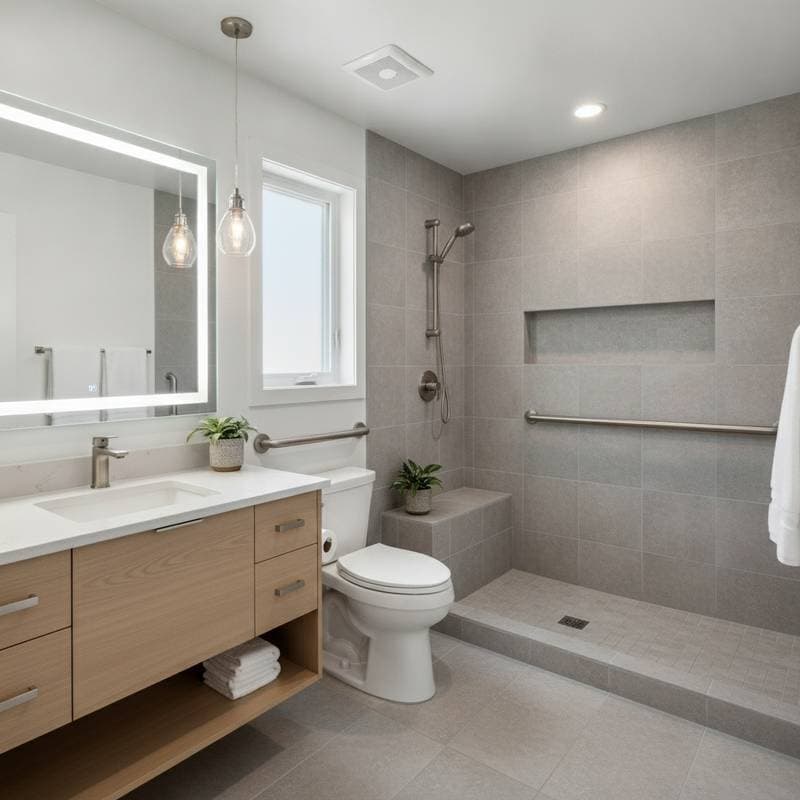
Wet rooms provide superior accessibility with barrier-free entry, accommodating wheelchairs and mobility devices seamlessly. Traditional setups often include curbs or thresholds that hinder movement for those with limited mobility.
Visual Appeal
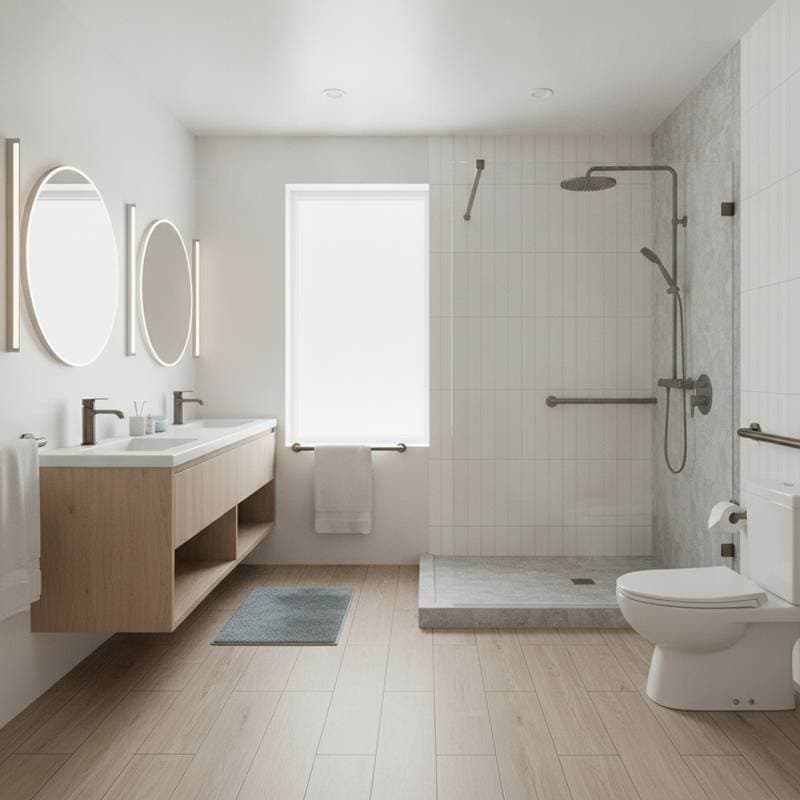
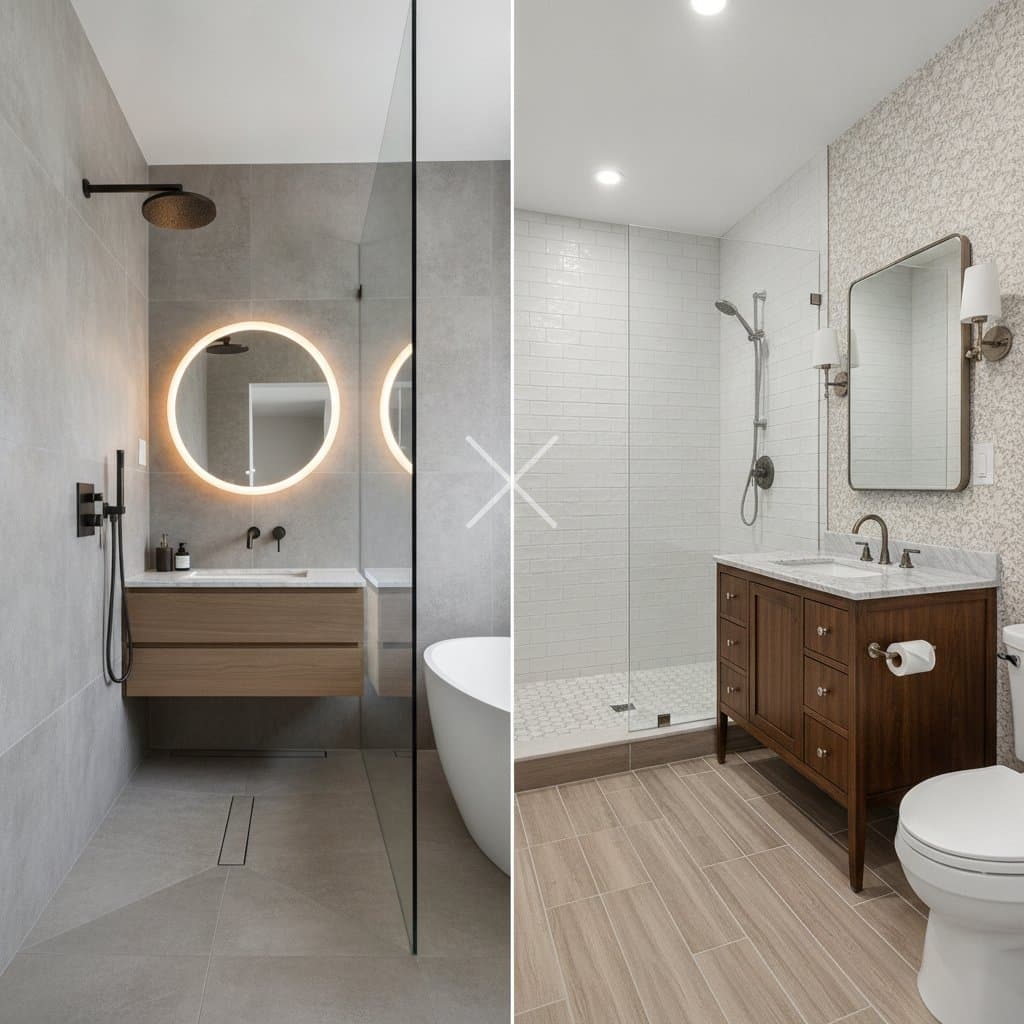
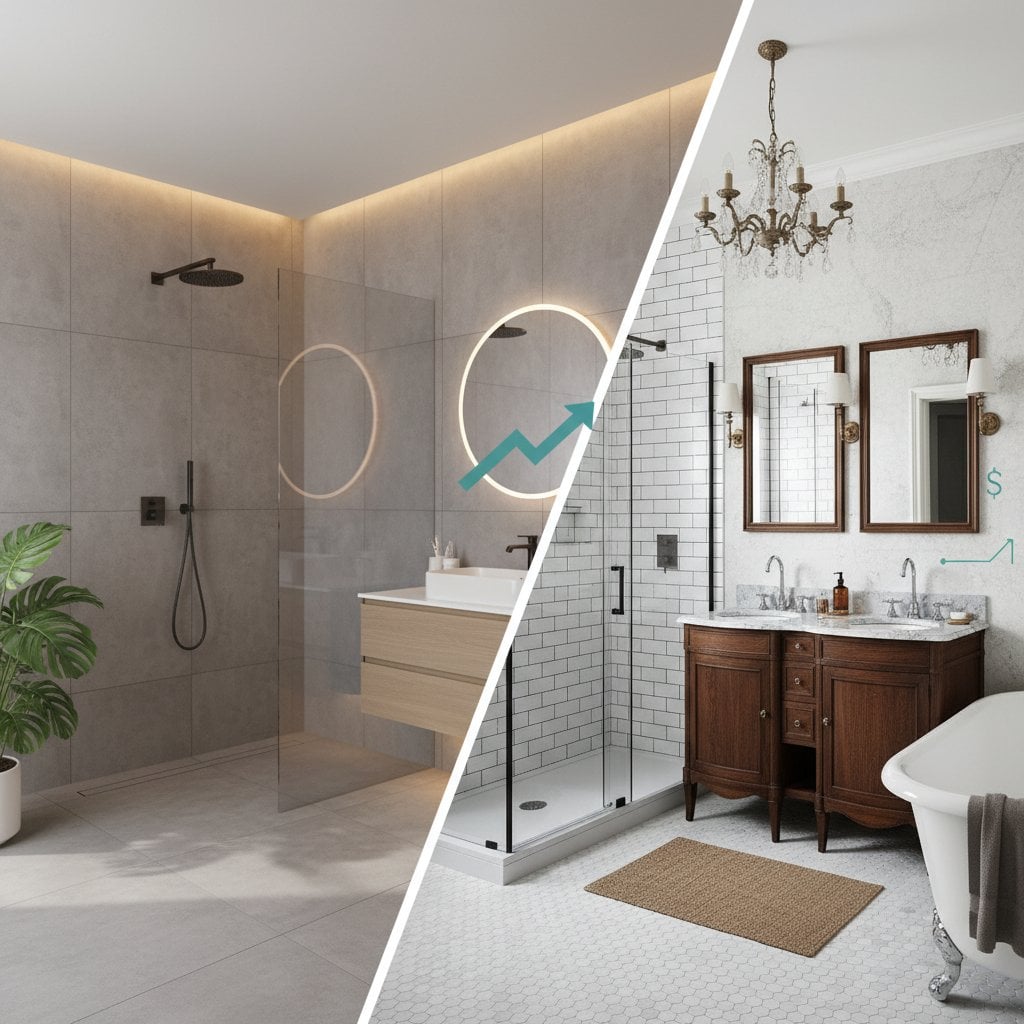
Wet rooms offer an expansive, minimalist aesthetic through uninterrupted tiling and even light distribution. Traditional bathrooms support diverse styling via separate tubs, vanities, and partitioned showers.
Water Management
Traditional designs contain water within dedicated pans or tubs for straightforward control. Wet rooms depend on comprehensive waterproofing for a fluid appearance, requiring meticulous execution.
Climate Control Features
Incorporate underfloor heating in both to combat dampness. Wet rooms demand robust ventilation to manage steam across larger exposed areas.
Sustainability Factors
Wet rooms require additional tiles and membranes, elevating initial material expenses while minimizing fixture disposal. Traditional bathrooms promote water conservation through low-flow installations. Both accommodate eco-friendly choices like recycled glass tiles or low-VOC sealants. Opt for energy-efficient lights and fans to lower ongoing energy use.
Practical Recommendations
Conduct a 24-hour flood test on waterproofing prior to tiling. Employ a laser level for precise slope measurement in wet rooms. Position lighting to minimize reflections on shiny surfaces. Select grout shades that harmonize with tiles yet conceal everyday marks. Store spare tiles for prompt future fixes.
Planning Your Remodel
Prioritize accessibility, spaciousness, and simplified cleaning with a wet room, or opt for contained zones, affordability, and straightforward builds in a traditional layout. Evaluate existing plumbing, explore waterproofing solutions, and gauge your readiness for intricate tasks. Seek professional advice for structural or drainage modifications to maximize comfort, security, and resale potential.
Frequently Asked Questions
What Defines a Wet Room?
A wet room features complete waterproofing, with the shower zone flush to the floor and draining via a central or linear system.
Do Wet Rooms Require Unique Flooring?
Yes, floors must slope toward the drain and incorporate an underlying waterproof membrane beneath tiles.
Is Converting an Existing Bathroom to a Wet Room Feasible?
Yes, though it typically involves subfloor replacement, waterproofing upgrades, and drain reconfiguration. Engage contractors versed in wet room conversions.
Does Maintenance Cost More for Wet Rooms?
Generally no; consistent sealing and cleaning maintain costs comparable to those of a standard tiled shower.
Which Option Boosts Property Value Most?
Both enhance value effectively. Wet rooms attract contemporary and accessibility-focused buyers, whereas traditional designs hold broad appeal.