The True Costs of Aging-in-Place Remodels in 2026
Aging-in-place remodeling enables individuals to remain in their homes safely and comfortably as mobility and health needs evolve. Gaining insight into projected costs for 2026 equips homeowners with the knowledge to plan effectively. This guide details the expenses associated with aging-in-place upgrades, ranging from minor enhancements to comprehensive renovations.
Readers will explore factors that influence pricing, projects that provide enduring value, and strategies for budgeting between professional services and do-it-yourself efforts. Although each home presents unique challenges, the cost breakdowns and examples provided here offer a solid foundation for confident project planning.
Factors Influencing Remodel Costs
Multiple elements determine the expense of an aging-in-place remodel. A thorough understanding of these components allows for more precise budgeting.
-
Project Scope
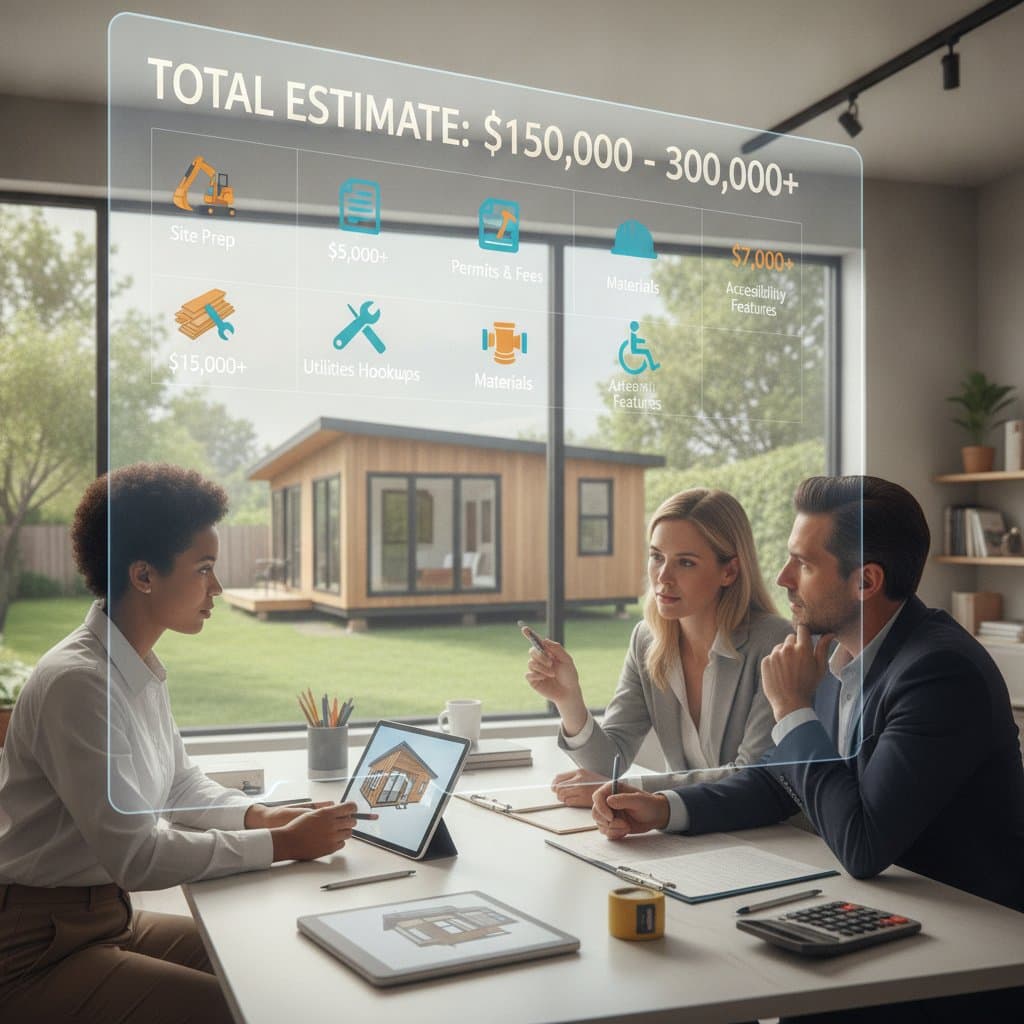
Small-scale changes, such as installing grab bars in one bathroom, typically range from $500 to $2,000. In contrast, a whole-home overhaul involving structural modifications like widening doorways or installing a stairlift can exceed $50,000. The extent of changes directly impacts both material and labor requirements. -
Home Age and Existing Condition
Homes built before 1980 often necessitate updates to electrical systems or plumbing to comply with modern accessibility standards, adding $5,000 to $15,000 in preparatory work. Newer constructions, generally from the 2000s onward, require minimal foundational repairs, keeping costs focused on accessibility features. -
Material Choices
Opt for slip-resistant porcelain tiles at $8 to $15 per square foot instead of basic vinyl, which costs $2 to $5 but wears faster. High-quality, low-maintenance options like lever faucets or adjustable-height counters justify their premium price through reduced replacement needs over a decade. -
Professional Labor and Specialization
Certified aging-in-place (CAPS) professionals charge $75 to $150 per hour, ensuring compliance with ADA guidelines and building codes. Their involvement prevents costly errors, such as improper grab bar anchoring that could fail under weight, potentially saving thousands in future corrections. -
Geographic Variations
In coastal urban centers like Miami or San Francisco, expect 20 to 30 percent higher rates due to elevated labor costs and material shipping fees. Rural Midwest locations might see totals 15 percent lower, though supply chain delays can still affect timelines and budgets.
Targeted Upgrades for Immediate Impact
For budgets under $10,000, focus on high-return modifications that enhance safety without extensive disruption.
- Grab Bars and Handrails: Install stainless steel bars rated for 250 pounds of support in bathrooms and along stairs for $100 to $300 per unit. Secure them to wall studs using toggle bolts for maximum stability.
- Enhanced Lighting Solutions: Upgrade to LED fixtures providing 300 to 500 lumens per square foot, incorporating automatic sensors that activate at dusk. This setup costs $200 to $800 and reduces fall risks by illuminating pathways effectively.
- Smart Home Integrations: Add voice-activated systems like Amazon Echo for controlling lights and thermostats, priced at $50 to $200 per device. These tools minimize physical effort, such as reaching for switches, fostering greater independence.
- Accessible Door Hardware: Replace round knobs with 1.5-inch lever handles compliant with universal design principles for $20 to $50 each. This simple swap accommodates arthritic hands and requires only basic tools for installation.
- Anti-Slip Surface Additions: Place interlocking rubber mats or apply textured coatings in kitchens and entries for $100 to $500. These prevent accidents on wet floors and integrate seamlessly with existing decor.
Such targeted improvements often fit into a single weekend schedule and postpone larger investments by several years.
Financial Advantages Over Time
Initial investments in aging-in-place features yield significant savings in the long term. Remaining at home eliminates the $4,000 to $6,000 monthly fees typical of assisted living facilities. Moreover, energy-efficient elements like insulated windows and smart thermostats can cut utility expenses by 20 to 30 percent annually.
Durable selections, such as solid-surface countertops resistant to scratches, minimize repair frequency and extend feature longevity beyond 15 years. These choices also boost property appeal; homes with integrated accessibility sell 10 to 15 percent faster in markets favoring multigenerational living.
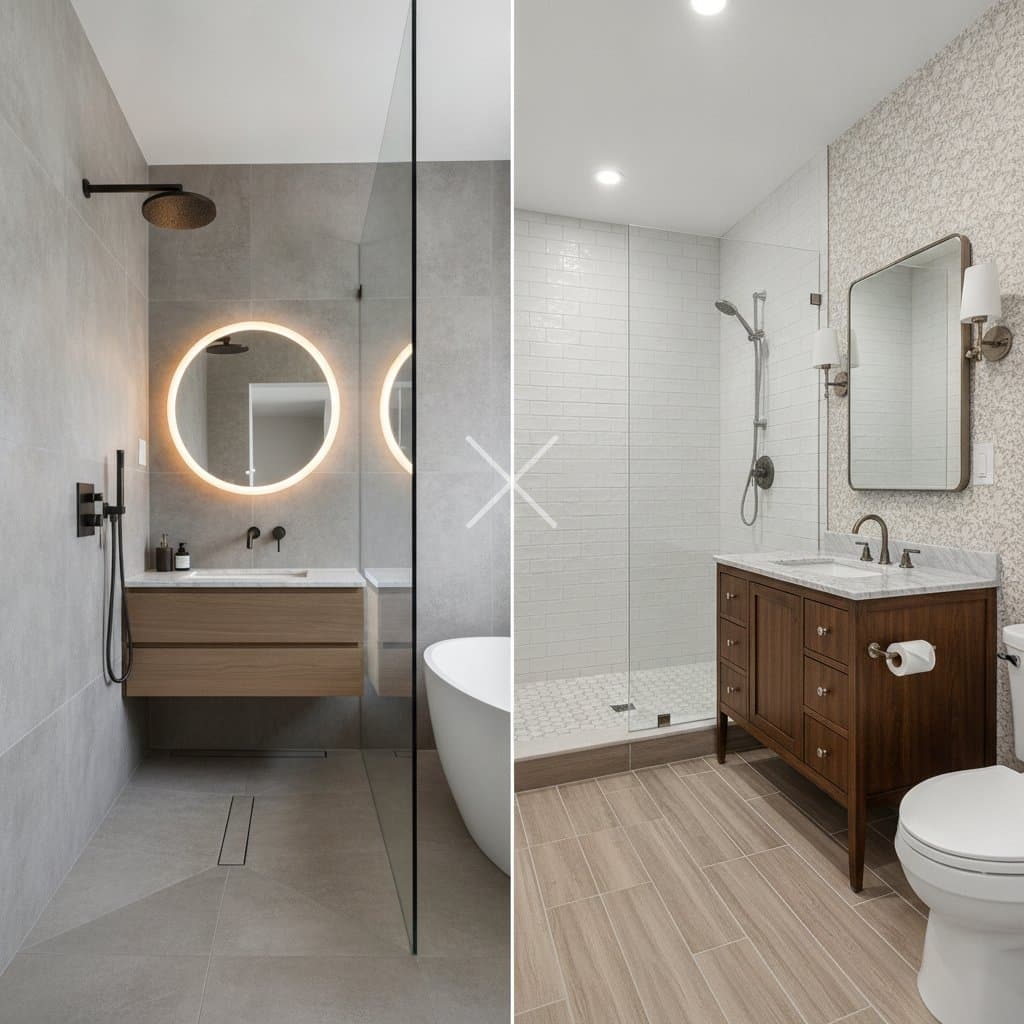
Subtle implementations, including zero-threshold showers or levered cabinetry, maintain aesthetic harmony while broadening buyer interest across demographics.
Room-Specific Cost Breakdowns
Costs vary by area, influenced by layout complexities and upgrade priorities. The following table summarizes typical 2026 estimates, adjusted for moderate inflation and material trends.
| Remodel Area | Cost Range | Essential Features |
|---|---|---|
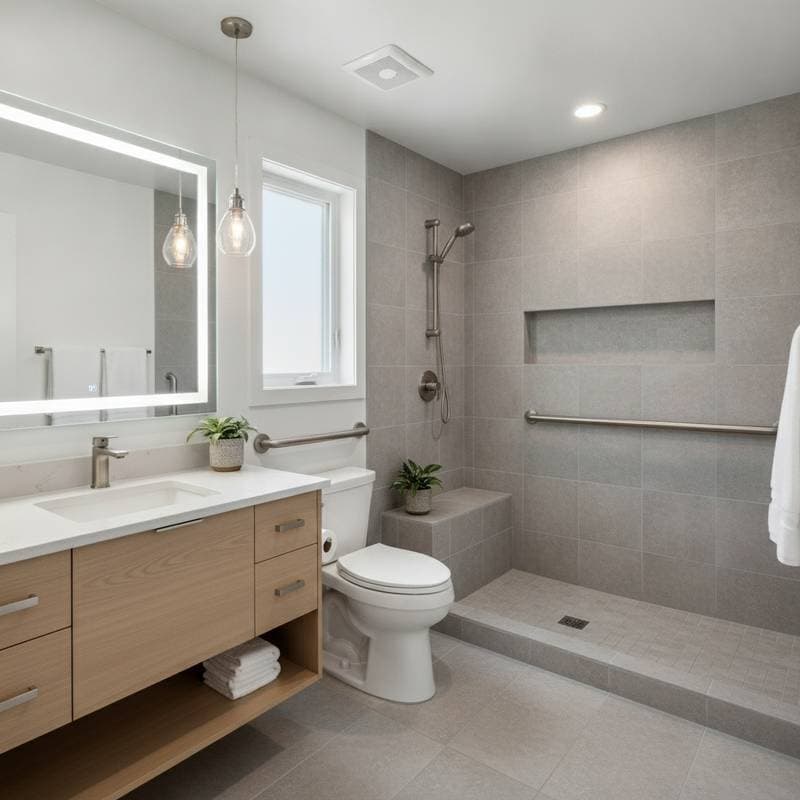
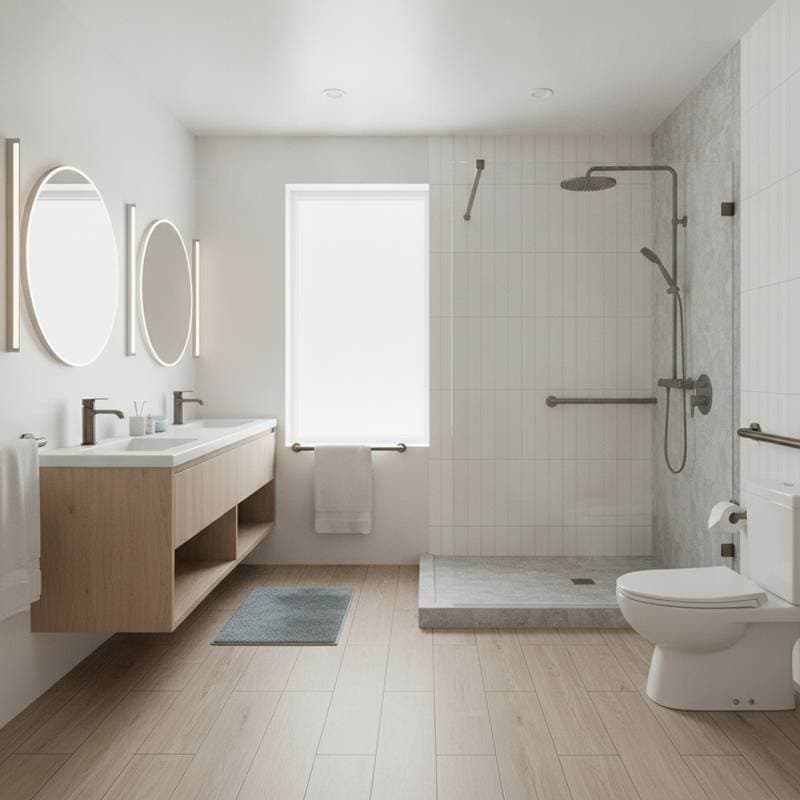
| Bathroom | $5,000–$25,000 | Walk-in showers without curbs, reinforced walls for grab bars, heated floors for comfort |
| Kitchen | $10,000–$40,000 | Adjustable counter heights from 28 to 42 inches, swing-out base cabinets, under-cabinet task lighting |
| Entryway | $2,000–$15,000 | Ramped thresholds with 1:12 slope ratios, automatic door openers, exterior lighting sensors |
| Full Home | $30,000–$100,000+ | Hallway expansions to 36 inches wide, elevator alternatives like platform lifts, multi-level flooring transitions |
These figures account for standard materials and labor in mid-sized U.S. markets. Customize estimates by consulting local contractors who factor in your home's specifics.
Maximizing Remodel Longevity
After implementation, routine maintenance preserves functionality and safety. Inspect grab bars and handrails annually for secure mounting, tightening screws as needed. Clean non-slip surfaces with mild soap to avoid residue buildup that diminishes traction.
Monitor lighting efficacy by testing bulb output every six months and replacing dim units promptly. Adapt features to changing needs, such as reprogramming smart devices for new routines or adding modular shelving in evolving spaces.
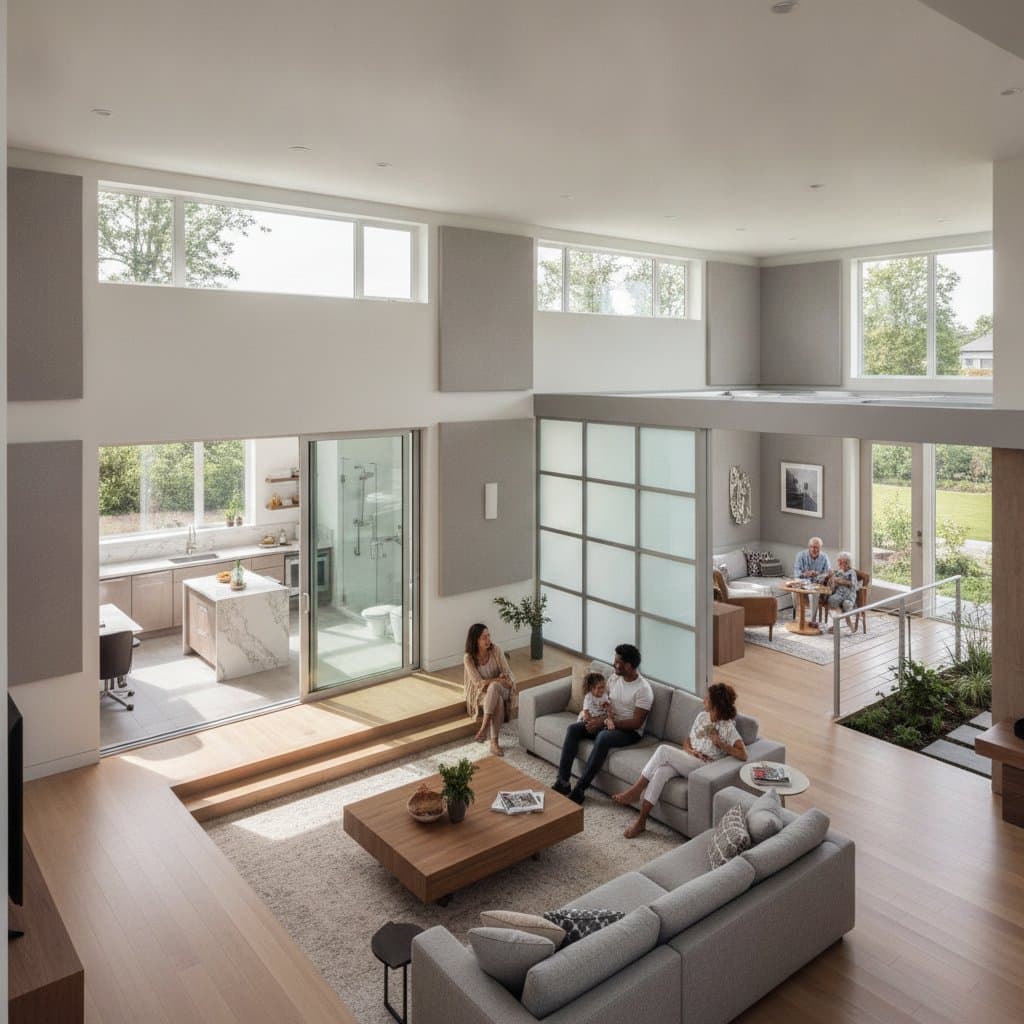
Universal design principles ensure adaptability; for instance, a versatile living area can shift from entertainment hub to accessible suite with minor adjustments like removable partitions.
Planning Your Accessibility Project
Begin with a home evaluation: Walk through each room noting obstacles like narrow doorways under 32 inches or high light switches above 48 inches. Prioritize interventions based on daily challenges, such as installing a first-floor powder room if stairs pose difficulties.
Solicit quotes from at least three CAPS-certified contractors, requesting detailed breakdowns of labor, materials, and timelines. Review portfolios for projects matching your vision, ensuring alignment with personal style preferences like warm wood tones or minimalist finishes.
Aging-in-place investments secure independence and enhance daily living quality. By balancing priorities in safety, comfort, and aesthetics, homeowners craft enduring spaces that support wellness for decades ahead.