The True Costs of Aging Gracefully at Home
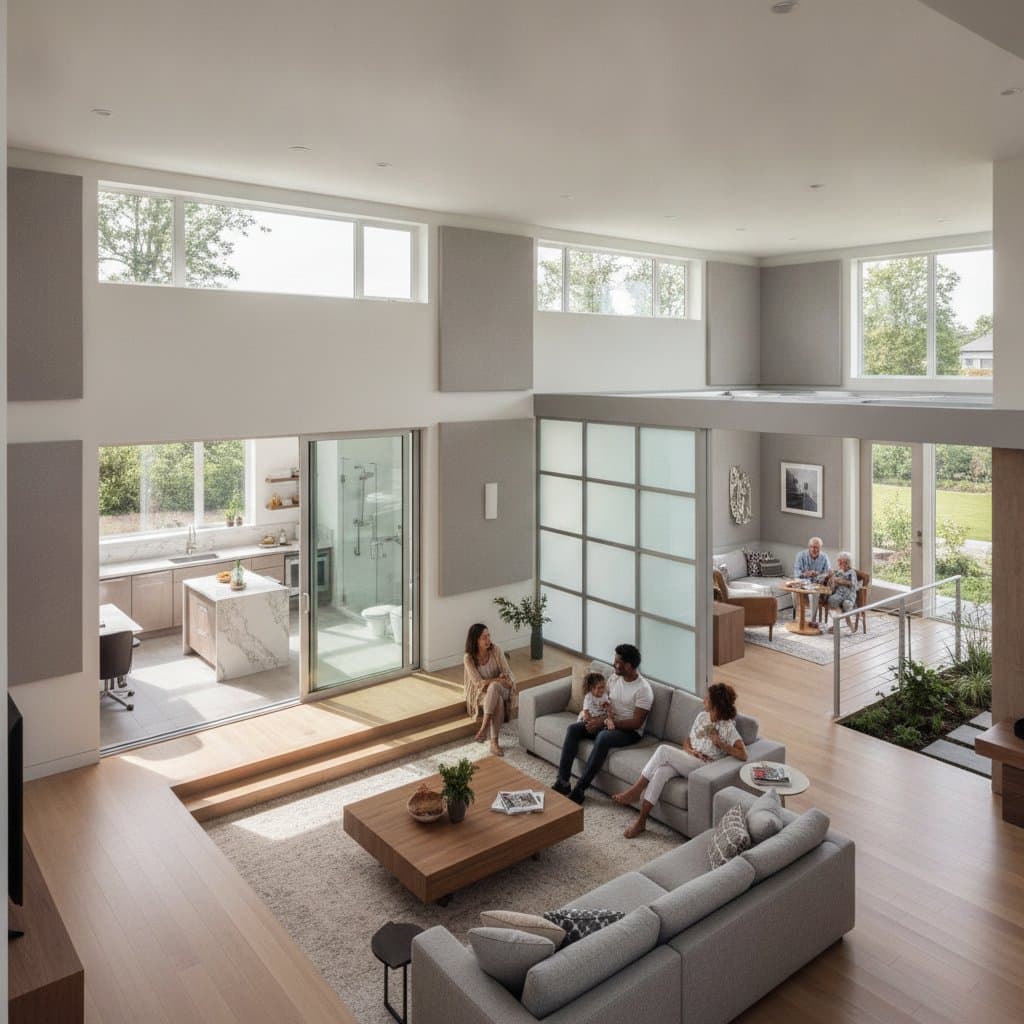
Staying in a familiar home as one ages offers unmatched comfort, surrounded by cherished memories, family, and community ties. However, transforming that space into a safe, accessible, and comfortable environment requires deliberate remodeling and precise budgeting. The expenses extend far beyond basic additions like grab bars or ramps; they encompass comprehensive design strategies, expert planning, and ongoing maintenance.
This guide outlines expected expenditures, identifies high-impact investment areas for safety and comfort, and provides decision-making strategies that safeguard both independence and financial resources.
Understanding the True Cost of Aging in Place
Aging in place remodeling integrates accessibility features, safety measures, and comfort enhancements into an existing home structure. Every residence and personal circumstance varies, yet typical projects span from minor adjustments costing a few thousand dollars to comprehensive overhauls surpassing six figures.
Influencing factors include the home's size, existing layout, and required accessibility level. Early planning distributes expenses across time and prevents hasty, costlier interventions following an injury or sudden mobility decline.
1. Bathroom Modifications for Safety and Ease
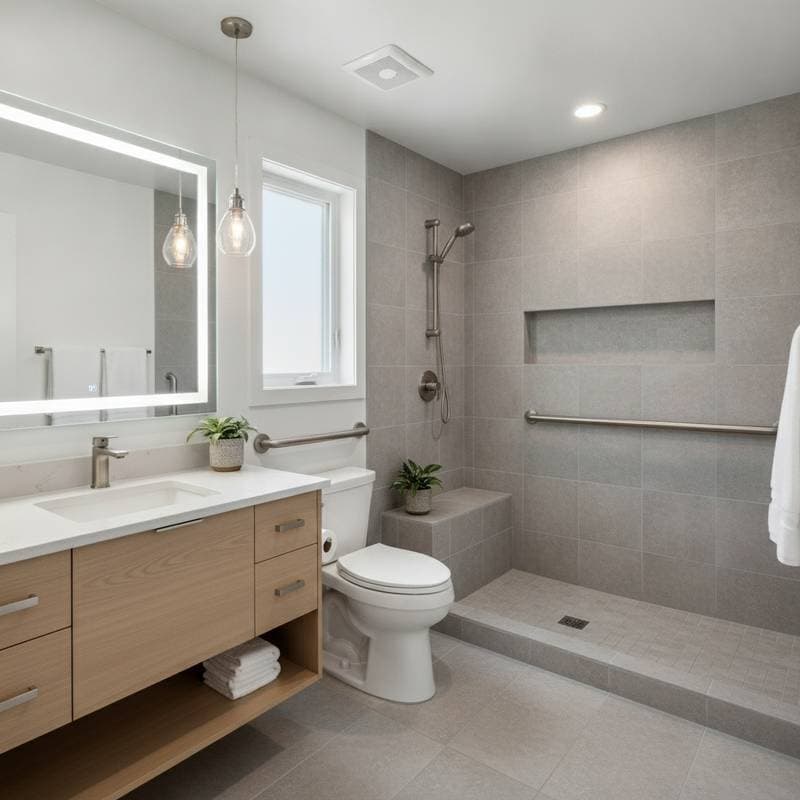
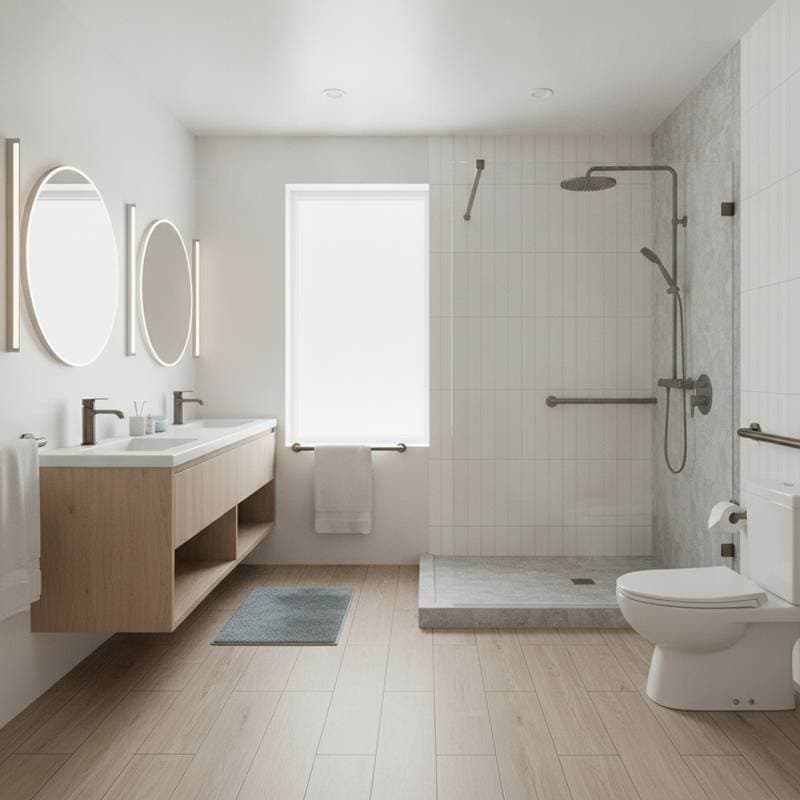
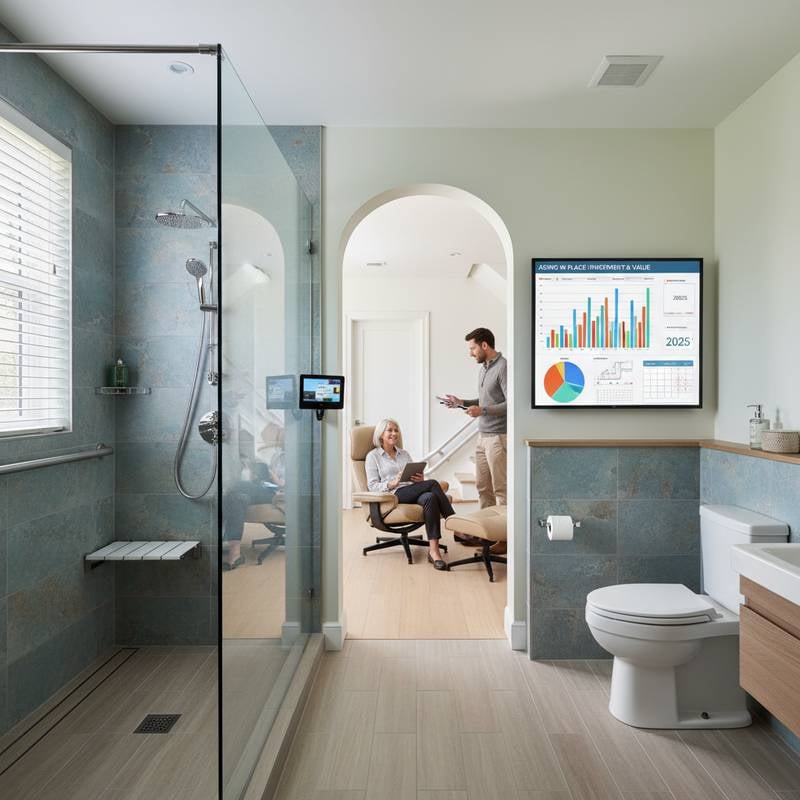
Bathrooms pose significant risks due to slippery surfaces and confined spaces, making modifications essential for preventing falls and supporting daily routines. Installing walk-in showers, elevated toilets, and reinforced walls for future grab bar additions enhances usability without sacrificing aesthetics.
Why it matters: These changes minimize injury risks and preserve dignity during personal care tasks.
Typical costs:
- Walk-in shower conversion with curbless entry: $8,000 to $15,000
- Comfort-height toilet and bidet installation: $2,500 to $6,000
- Grab bars and non-slip flooring: $1,000 to $3,500
DIY vs Pro: Homeowners may handle grab bar installations with proper tools, but plumbing alterations and waterproofing demand licensed professionals to ensure compliance and durability.
Tip: Opt for fold-down shower seats and handheld showerheads to accommodate varying mobility needs while maintaining a spa-like feel.
2. Kitchen Modifications for Accessibility
The kitchen serves as a central hub for daily activities, so adaptations ensure continued functionality. Lowering countertops, enhancing lighting, and organizing storage facilitate safe cooking and cleaning with reduced physical effort.
Why it matters: Such updates promote sustained independence and alleviate strain on joints and the back.
Typical costs:
- Lowered counters and adjustable-height workstations: $5,000 to $10,000
- Roll-under sinks and cooktops: $3,000 to $8,000
- Pull-out shelving and upgraded lighting: $2,000 to $5,000
DIY vs Pro: Replacing cabinet hardware or installing pull-out shelves falls within DIY capabilities, whereas electrical or plumbing modifications necessitate professional expertise.
Tip: Select lever-style handles over traditional knobs and position task lighting beneath cabinets to improve visibility during meal preparation.
3. Bedroom and Hallway Adjustments for Mobility
Bedrooms and hallways require focus to support restful sleep and effortless navigation. Widening doorways, adding lever handles, and installing adjustable bed frames create pathways that accommodate wheelchairs or walkers if needed.
Why it matters: These alterations foster secure movement throughout the home, reducing fall hazards during nighttime or routine transitions.
Typical costs:
- Doorway widening and lever handle replacements: $1,500 to $4,000
- Adjustable bed frames and side railings: $2,000 to $5,000
- Hallway handrails and non-slip runners: $800 to $2,500
DIY vs Pro: Simple handle swaps or runner installations suit DIY efforts, but structural doorway expansions require professional assessment for load-bearing integrity.
Tip: Incorporate smart lighting that activates via motion sensors to illuminate paths without manual switches, enhancing nighttime safety.
4. Entryway and Exterior Access Improvements
Exterior areas demand equal attention to interior ones, as safe entry and exit points prevent accidents during arrivals and departures. Ramps, sturdy railings, and step-free designs simplify access for residents and guests alike.
Why it matters: These features uphold independence and accommodate visitors facing mobility limitations.
Typical costs:
- Permanent ramp with handrails: $3,500 to $8,000
- No-step entry remodel with covered porch: $10,000 to $25,000
- Motion-sensor lighting and slip-resistant paving: $1,500 to $4,000
DIY vs Pro: Portable aluminum ramps allow for homeowner installation, yet permanent concrete or wooden constructions call for professional design to adhere to building codes.
Tip: Integrate automatic door openers at main entrances to ease transitions, particularly in varying weather conditions.
Return on Investment and Long-Term Value
Remodeling for aging in place yields tangible financial and personal rewards. Home improvement analyses indicate that accessibility enhancements recover 60 to 70 percent of costs upon resale. The primary advantage lies in postponing or eliminating assisted living fees, which often surpass several thousand dollars monthly.
Adopting universal design principles early broadens appeal to multigenerational households and prospective buyers prioritizing safety and convenience. These investments not only extend comfortable living but also bolster property equity over time.
Strategies to Reduce Expenses Effectively
- Phase the projects. Implement upgrades incrementally over months to manage cash flow and assess needs as they evolve.
- Integrate multiple changes. Align flooring, lighting, and trim updates in a single phase to minimize repeated labor charges.
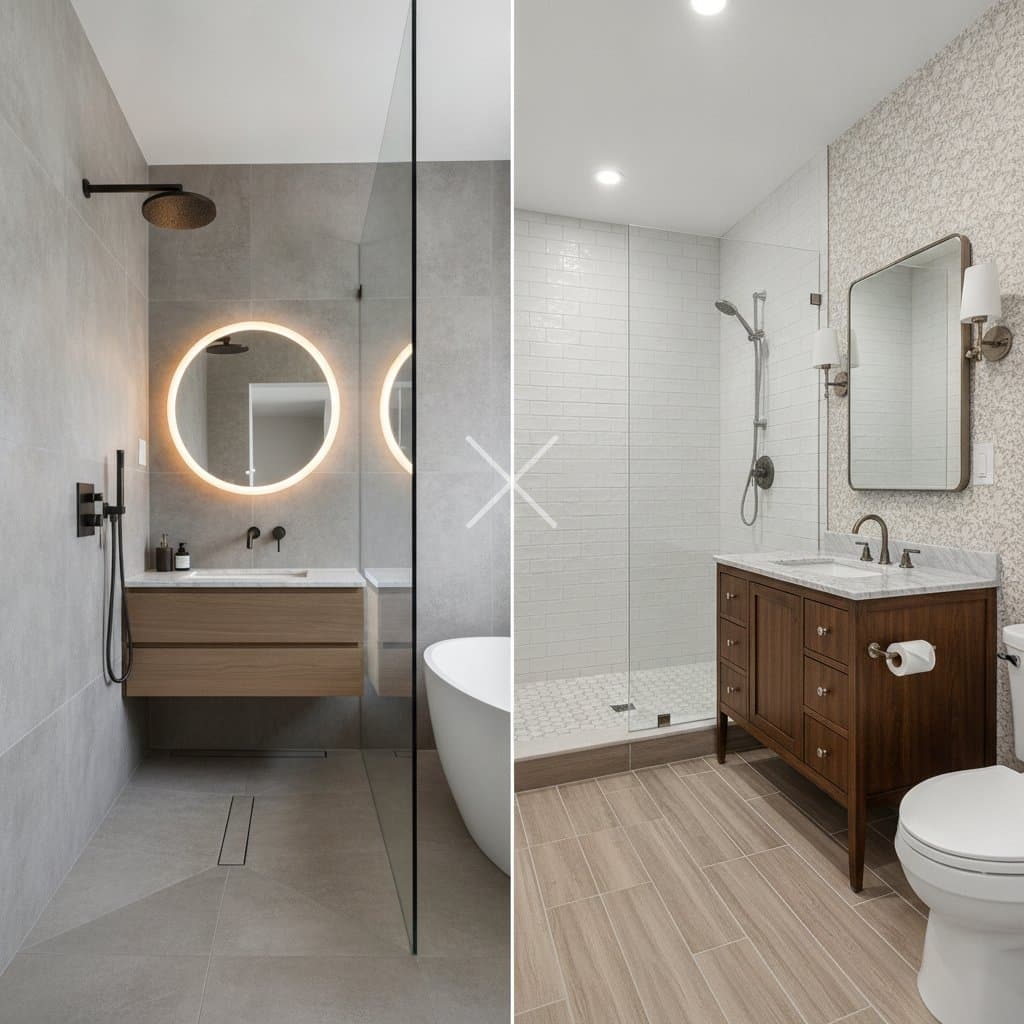
- Select versatile materials. Employ options like non-slip tiles or lever handles that serve all age groups without future alterations.
- Inquire about incentives. Local programs frequently provide grants or tax credits for accessibility-focused improvements.
- Repurpose existing elements. Refinish cabinets or adapt current layouts rather than opting for complete overhauls.
Guidelines for Engaging Professionals
Professionals become essential for tasks involving plumbing, electrical systems, structural alterations, or code adherence. Seek contractors certified in aging-in-place remodeling or universal design principles. Request client references, insurance documentation, and portfolios of prior projects to verify expertise.
For modest enhancements such as grab bars or lighting fixtures, capable homeowners can undertake installations with adherence to safety protocols. Prioritize high-quality materials and precise adherence to installation guidelines throughout.
Adhering to Safety Standards and Upkeep
All accessibility modifications must conform to local building codes and established safety benchmarks. Elements like grab bars, ramps, and expanded doorways demand exact dimensions for optimal effectiveness and reliability. Verify permit necessities prior to commencing any work.
Ongoing maintenance proves equally vital to initial design. Regularly clean floors to prevent slips, replace deteriorated treads promptly, and conduct monthly tests on lighting and smoke detection systems. A secure home relies on diligent, routine care.
Frequently Asked Questions
What represents the most economical upgrade for aging in place? Grab bars, non-slip flooring, and enhanced lighting deliver substantial safety gains at a modest outlay.
Are permits necessary for accessibility changes? Structural or electrical modifications typically require permits, whereas superficial updates do not. Consult local authorities to confirm requirements.
How do these upgrades influence resale value? Affirmative; universal design elements attract diverse buyers, potentially elevating value and accelerating sales.
Is financing available for aging-in-place renovations? Indeed, options include home equity loans, reverse mortgages, and community grant initiatives to cover costs.
Which flooring materials endure best in accessible settings? Luxury vinyl planks and textured porcelain tiles combine longevity, slip resistance, and straightforward cleaning.
Sustaining Independence Through Strategic Upgrades
Aging comfortably at home demands foresight, perseverance, and knowledgeable selections. Begin with an assessment of frequently used areas, then target enhancements that bolster safety and ease foremost. Collaborate with specialists versed in universal design to harmonize expenses with enduring advantages.
Each modification ought to streamline everyday activities while honoring the home's unique character. Through thoughtful implementation, individuals secure prolonged independence, safety, and enjoyment, all while fortifying their primary asset's worth.