Find Out the Real Costs of Building an ADU in 2025
Accessory Dwelling Units, or ADUs, continue to attract attention from homeowners searching for flexible living space and long-term value. Whether you plan to house family, create a rental unit, or expand your property's functionality, understanding the true costs of building an ADU proves essential for budgeting and decision-making. This guide explains what influences ADU pricing, how to estimate your investment, and when to bring in professional help. By examining key factors and strategies, you gain the tools to make informed choices that align with your financial goals.
Understanding ADU Cost Basics
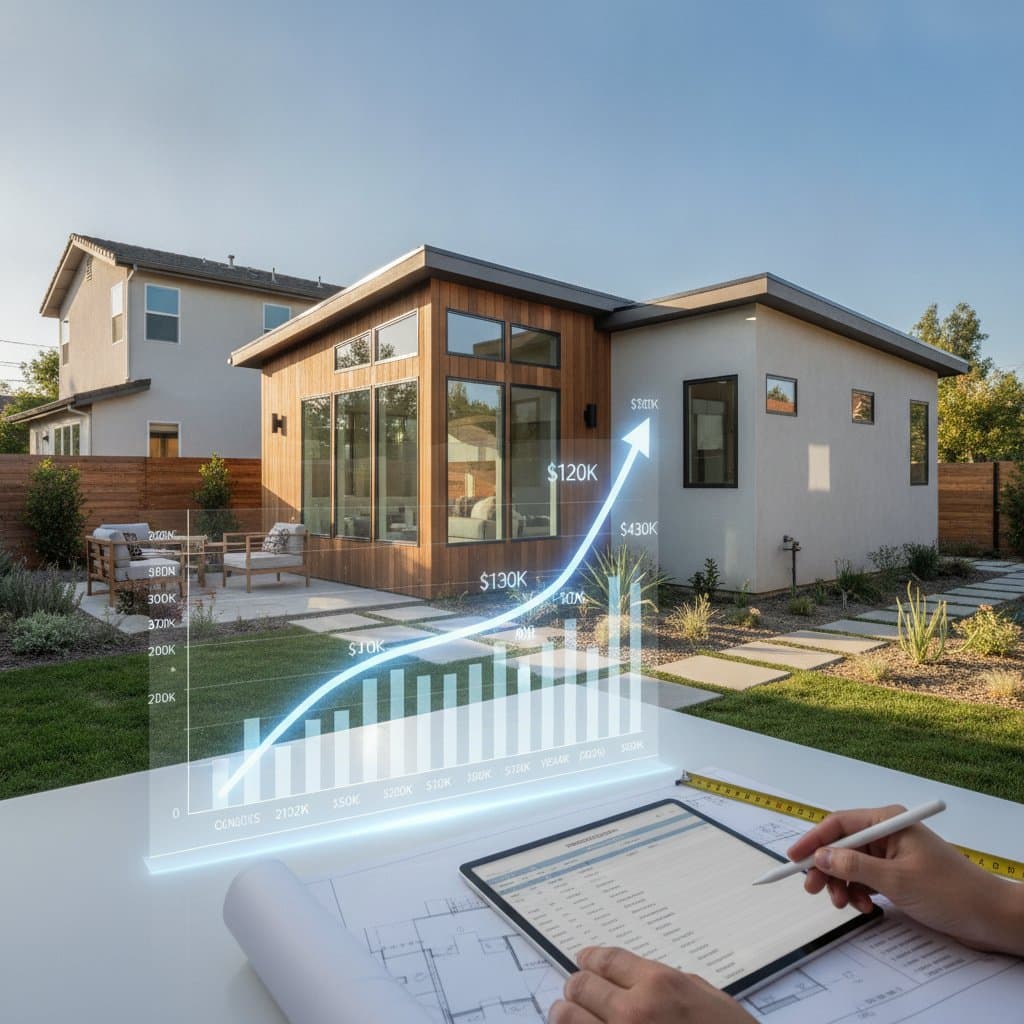
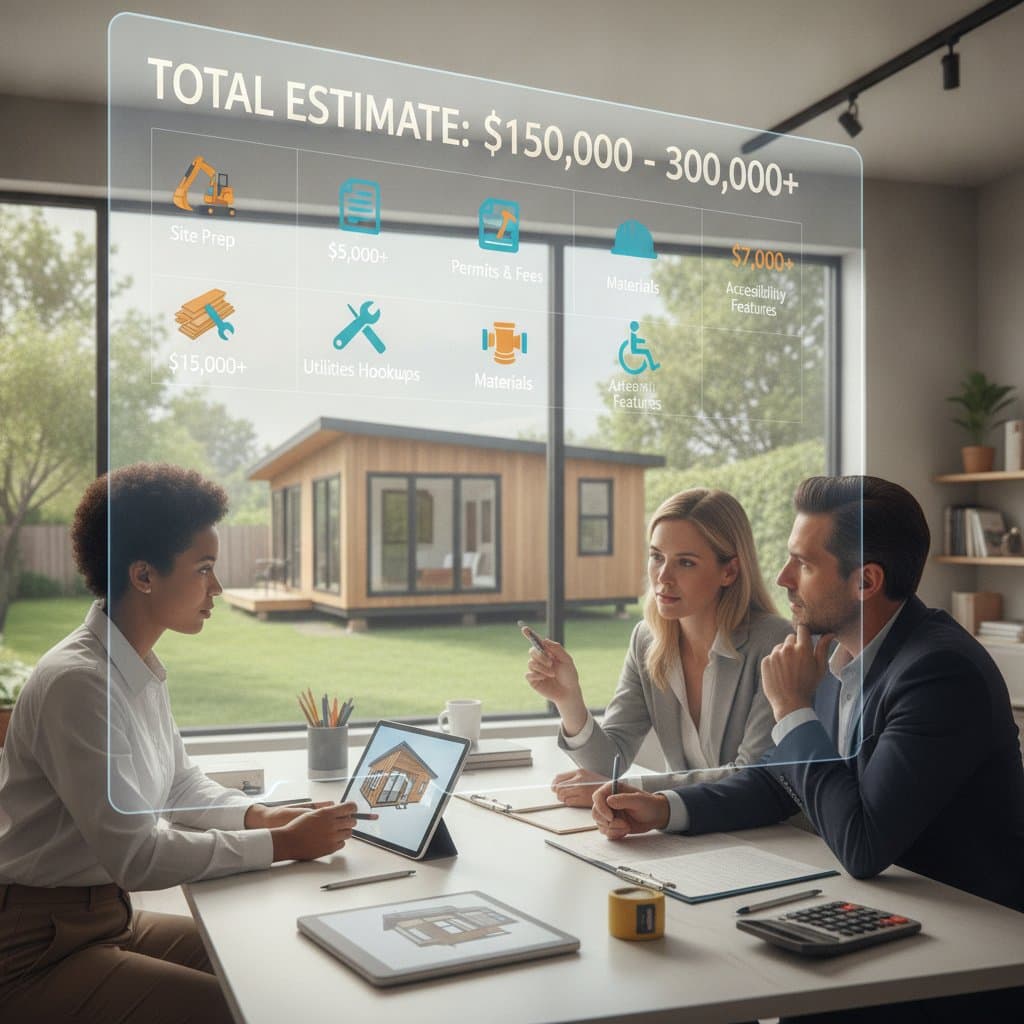
Building an ADU involves more than just square footage. It combines site preparation, design, permits, and finishes that together shape the total cost. On average, you can expect to spend between $150,000 and $350,000 for a detached unit and $100,000 to $250,000 for an attached or garage conversion. The wide range reflects differences in size, materials, and local construction requirements.
Several elements drive these expenses. Labor costs vary by region, with urban areas often commanding higher rates due to demand and regulations. Material choices, such as standard versus premium siding or energy-efficient windows, also play a significant role. Additionally, unforeseen site challenges like soil testing or utility rerouting can increase the budget by 10 to 20 percent. To start estimating, calculate based on your desired square footage, typically 400 to 1,200 square feet for most ADUs, and factor in a 15 percent contingency for surprises.
Cost by Type
Detached ADU
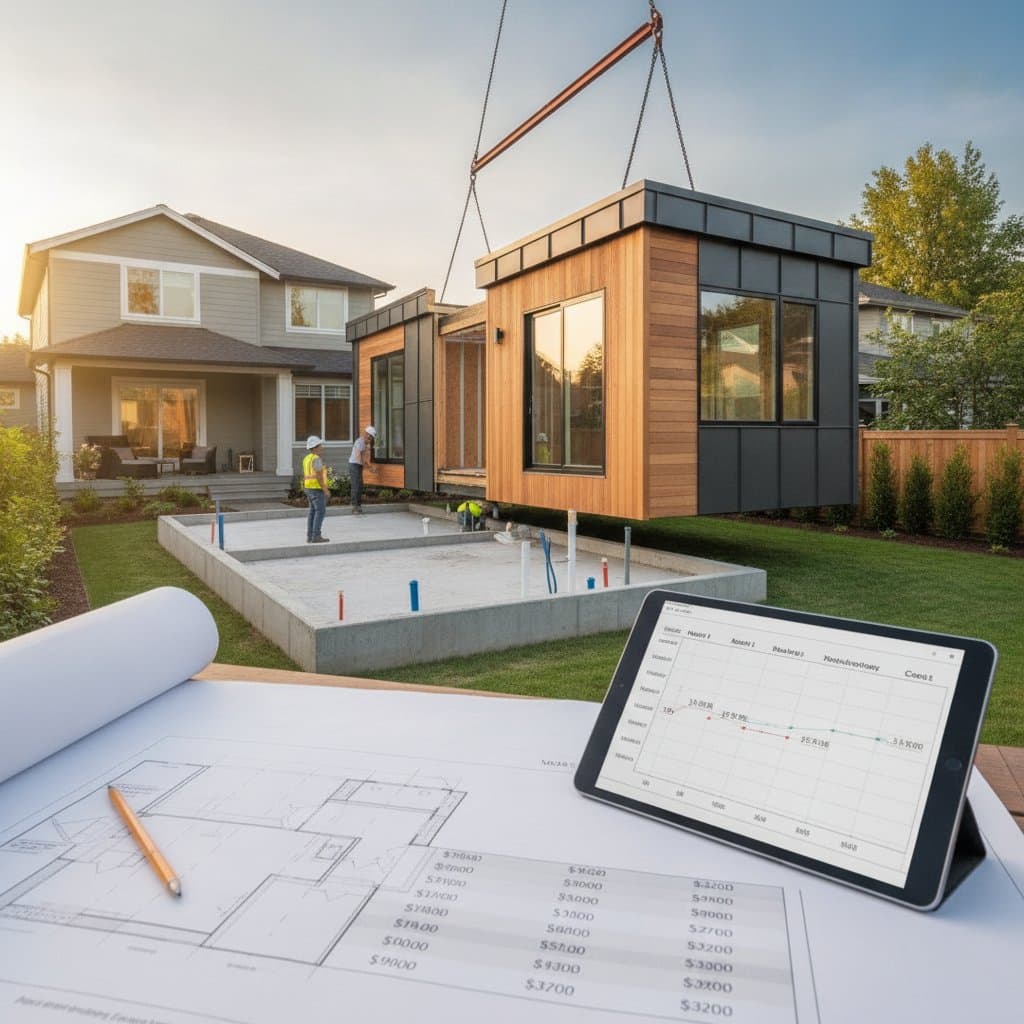
A stand-alone structure built separately from the main home. These units typically cost more due to foundation work, utility connections, and roofing. Expect around $300 to $500 per square foot depending on finishes and layout. For a 600-square-foot detached ADU, this translates to $180,000 to $300,000. Detached options offer privacy and design freedom but require separate septic or sewer connections in some cases, adding $5,000 to $15,000.
Attached ADU
Connected to the main home through a shared wall or addition. Costs generally fall between $200 and $400 per square foot since portions of existing infrastructure can be reused. This type suits properties with available space on the side or rear, potentially saving $50,000 compared to detached builds. Integration with the primary residence simplifies electrical and plumbing ties, though structural reinforcements may be needed to ensure stability.
Garage Conversion
One of the most affordable paths to an ADU, garage conversions average $100,000 to $175,000. Converting an existing structure saves money on framing and foundation, though insulation, HVAC upgrades, and egress windows can still add up. This option works best for single-car garages aiming for 300 to 500 square feet of living space. Homeowners often recoup costs quickly through rental income, especially in high-demand neighborhoods.
DIY vs Professional Construction
Some homeowners consider handling portions of the project themselves to save money. While this may work for minor interior finishes, most ADU builds require licensed professionals. Attempting complex tasks without expertise risks safety issues, code violations, and higher long-term expenses from rework.
When DIY Works
- Painting, tiling, or simple landscaping to personalize the space.
- Installing cabinetry or shelving in kitchens and storage areas.
- Minor interior trim and fixture installation, such as lighting or hardware.
These tasks allow creative input while keeping costs down by 5 to 10 percent. Source materials from local suppliers to avoid shipping fees, and follow manufacturer guidelines for safe installation.
When to Hire a Professional
- Electrical and plumbing systems to meet safety standards and avoid hazards.
- Foundation and framing for structural integrity under load-bearing conditions.
- Roofing or structural modifications that impact the overall building envelope.
- Permit submission and inspections to navigate local bureaucracy efficiently.
An experienced general contractor coordinates trades, manages schedules, and ensures code compliance. Hiring a professional often protects your investment by reducing delays and preventing costly errors. Select contractors with ADU-specific portfolios and verify licenses through state boards for peace of mind.
Regional and Zoning Factors
Local building codes, setback requirements, and parking regulations can influence your design and cost. Urban areas with high housing demand may offer incentives or streamlined permits that reduce delays. In contrast, rural or suburban zones might require larger setbacks or specific foundation types that add to costs. For instance, seismic zones demand reinforced materials, increasing expenses by 15 to 25 percent.
Before committing to design drawings, check your city's planning department for ADU regulations. A pre-application meeting can clarify size limits, height restrictions, and parking rules early in the process, preventing expensive redesigns later. Research state-level programs, such as California's ADU affordability grants, which might offset up to $40,000 in fees for qualifying projects. Document all communications to build a clear record for approvals.
Money-Saving Strategies
Even small decisions can make a big difference in your total cost. Consider these approaches to stay within budget while maintaining quality.
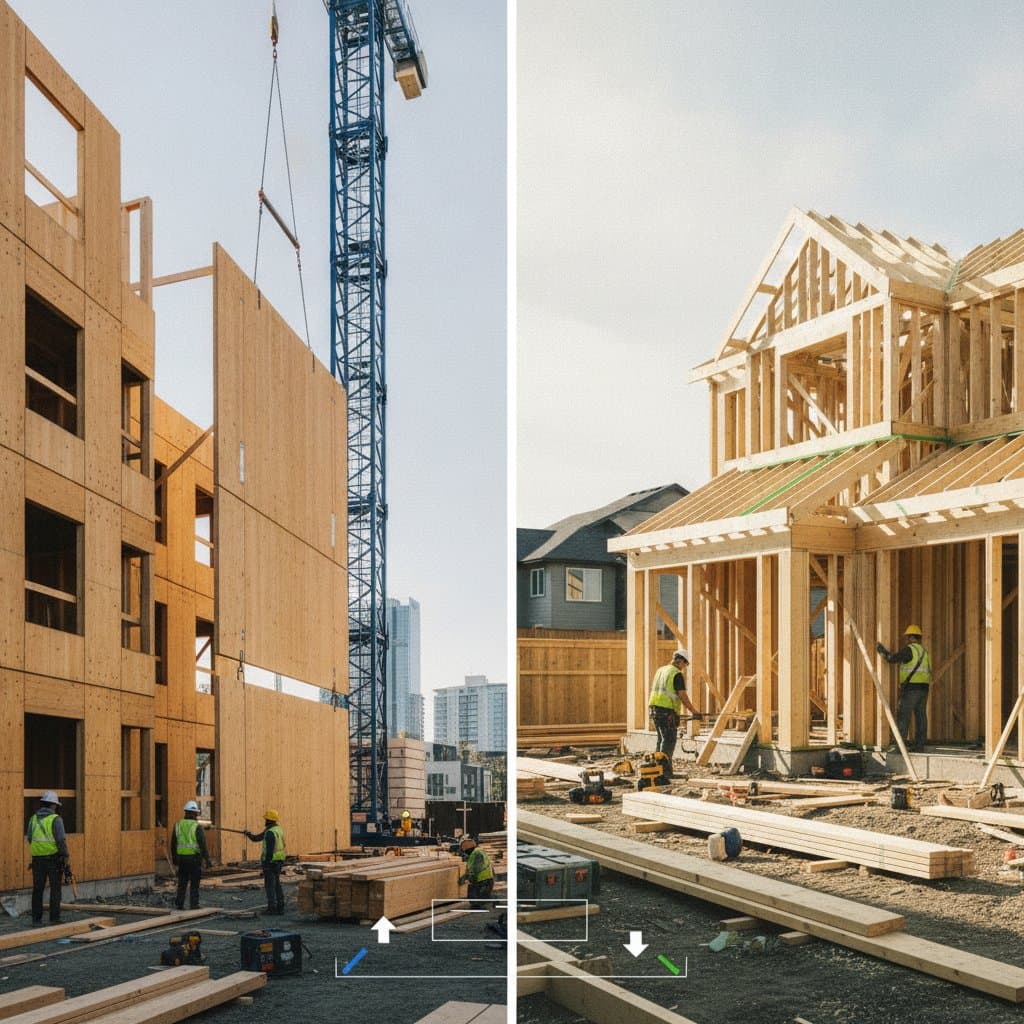
- Use modular or prefabricated sections. Factory-built panels can reduce construction time and waste by up to 30 percent, with costs starting at $150 per square foot.
- Simplify the roofline. Straightforward gable or shed roofs cost less than complex multi-pitch designs, saving $10,000 to $20,000 on materials and labor.
- Reuse existing structures. Converting a detached garage or basement can save up to 40 percent compared to new construction, leveraging current foundations.
- Plan efficient plumbing runs. Position kitchens and bathrooms close together to minimize piping work, potentially cutting utility installation by $5,000.
- Get multiple bids. Comparing at least three contractor estimates helps identify fair pricing and potential savings, while negotiating for bundled services.
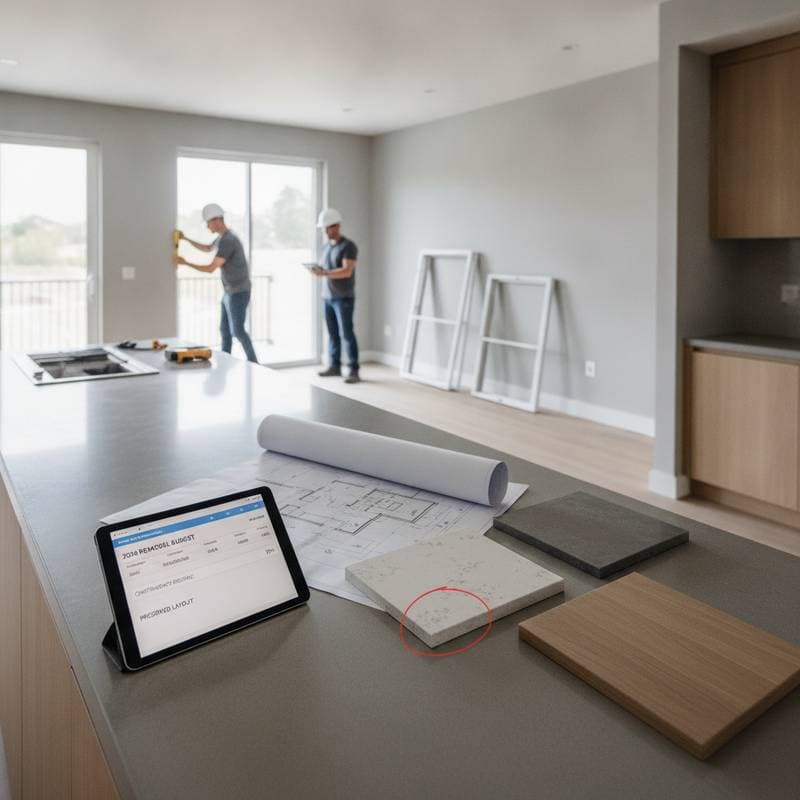
Incorporate energy-efficient features like LED lighting and insulation to qualify for rebates, further lowering upfront and operational costs. Track expenses with a detailed spreadsheet to monitor progress and adjust as needed.
Common Questions About ADU Costs
How long does it take to build an ADU?
Most projects take between six and twelve months from design to final inspection, depending on permit processing and site conditions. Modular builds can shorten this to four months, while custom designs extend timelines due to iterative approvals.
Do ADUs require separate utilities?
Some homeowners use shared connections to reduce costs, while others install separate meters for rental tracking or independent billing. Consult local utilities for feasibility; separate setups add $3,000 to $8,000 but simplify future sales.
Can I finance an ADU?
Yes, options include home equity loans, construction loans, or cash-out refinancing. Compare interest rates and repayment terms to find the best fit, with many lenders offering ADU-specific programs at 4 to 6 percent rates.
What type of foundation is best?
Concrete slab foundations are common for level lots, costing $4 to $8 per square foot. Raised foundations work better for uneven terrain or flood-prone areas, though they increase costs by 20 percent for elevation needs.
Plan Your ADU for Lasting Value
Investing in an ADU extends beyond immediate costs to enhance property equity and lifestyle flexibility. By selecting the right type, leveraging professional expertise, and applying cost-conscious strategies, you position your project for success. Start with a site assessment and regulatory review to build a solid foundation for your vision. This approach not only controls expenses but also maximizes returns through increased home value and income potential.