ADU Construction Costs in 2026: A Practical Budget Guide
Building an accessory dwelling unit expands living space and property value when planned with care. This guide details realistic expenses for permits, site work, and construction while clarifying the steps that keep projects on schedule and within code.
Cost and Time Expectations
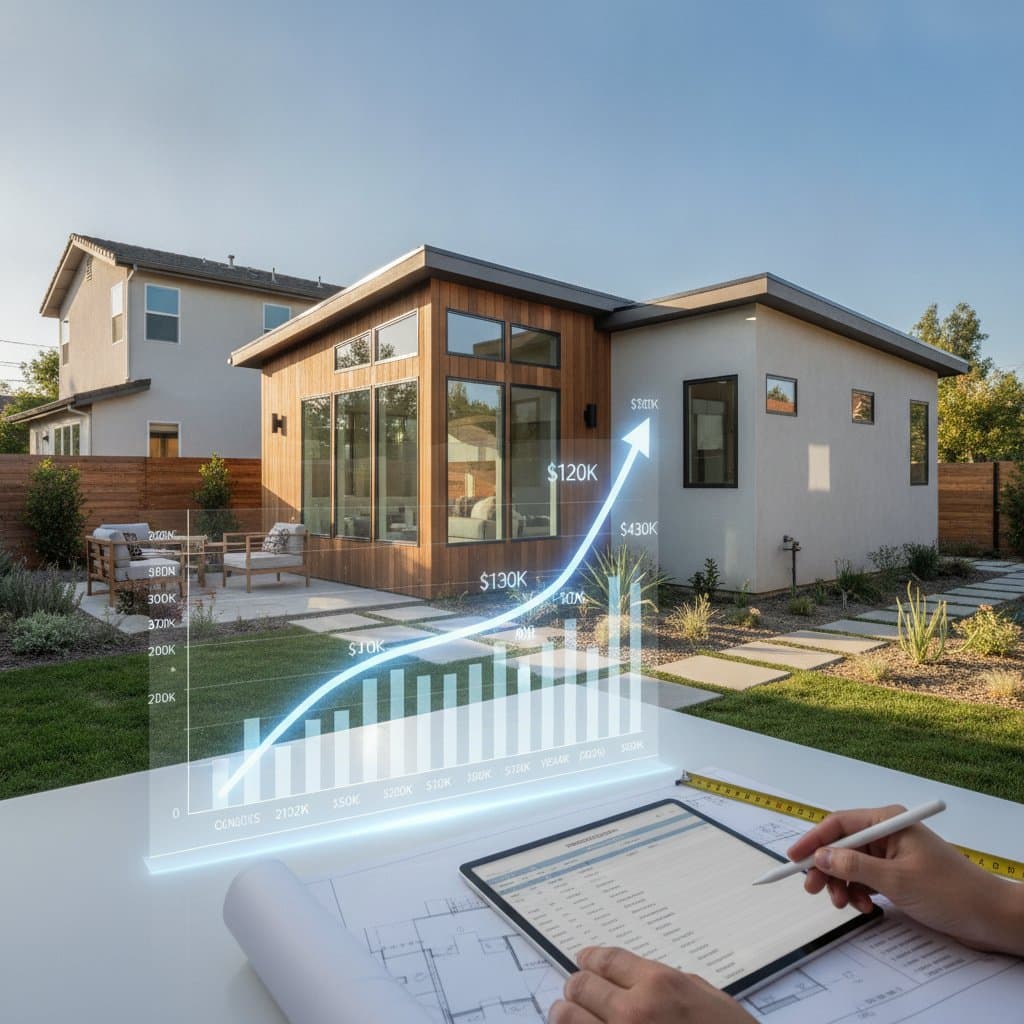
Detached ADUs typically require an investment between 150000 and 350000 dollars. Attached units or garage conversions often fall between 80000 and 180000 dollars.
Design and engineering services range from 5000 to 20000 dollars. Permit and impact fees add 4000 to 15000 dollars. Site preparation and utility connections cost 10000 to 40000 dollars. The main construction phase accounts for 100000 to 250000 dollars.
Professional builds finish in six to nine months. Owner-managed projects extend to twelve to eighteen months because of inspection cycles and material lead times.
Owner Tasks Versus Contractor Responsibilities
Homeowners with prior building experience can handle landscaping, painting, and finish selections. Foundation work, framing, electrical service, plumbing, and HVAC installation require licensed trades to satisfy structural and safety codes.
Partial owner involvement lowers the total outlay to the 100000 to 200000 dollar range. Full contractor management raises the figure to 200000 to 350000 dollars yet reduces the chance of failed inspections or rework.
Sequential Project Steps
- Verify zoning allowances and lot coverage limits with the local planning department.
- Engage a designer to produce code-compliant drawings that include load calculations and accessibility features.
- Submit plans for permit review and obtain approvals before any ground disturbance.
- Complete grading, drainage, and utility stub-outs so the site passes pre-construction checks.
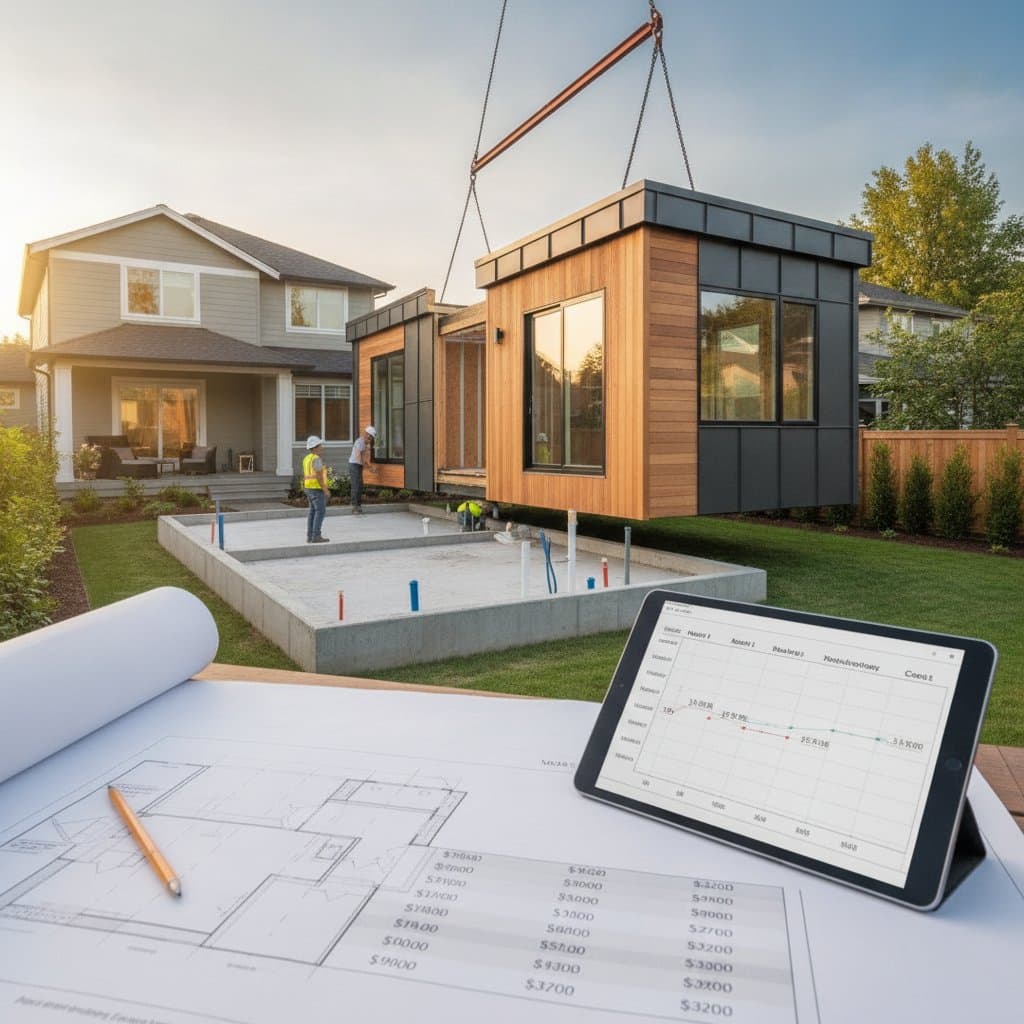
- Pour footings, frame walls, and install the roof system, then schedule the framing inspection.
- Rough in electrical, plumbing, and HVAC lines for the required intermediate inspections.
- Apply insulation, drywall, flooring, and exterior finishes before the final walkthrough.
Safety Practices During Construction
Turn off main breakers before any wiring activity. Use stable ladders and guardrails when working above ground level. Wear gloves, eye protection, and respirators during cutting or demolition. Confirm that every tool is properly grounded for the task.
Common Issues and Corrections
Poor drainage requires regrading or added French drains. Uneven floors usually trace to incorrect joist spacing or an out-of-level foundation. Inadequate ventilation calls for additional vents or a larger HVAC unit.
Check that walls are plumb, outlets operate, and fixtures are sealed before requesting final occupancy approval.
Site Cleanup and Material Disposal
Separate concrete, wood, and drywall for approved recycling facilities. Remove protruding nails and sharp debris daily to maintain a safe work area.
Ongoing Care and Service Life
Inspect roofs, gutters, and siding annually. Clean HVAC filters and vents every three months. With routine maintenance these structures remain serviceable for forty to sixty years. Repaint exterior surfaces every seven to ten years to protect siding and trim.
Situations That Require Licensed Help
New utility connections, complex grading, or stamped engineering drawings call for a general contractor. Inspection failures or permit rejections also justify professional intervention.
Select contractors who hold current licenses and insurance, supply written warranties, and provide recent local references. Request multiple bids and confirm permit fees before signing any agreement.
Budget and Planning Recommendations
Allocate at least a ten percent contingency for unforeseen site conditions. Track every expense in a running log and confirm utility connection fees with the serving agencies before excavation begins. These steps keep the project aligned with both code requirements and long-term property value goals.