2025 ADU Costs: Backyard Cottages and Granny Flats Revealed
Accessory Dwelling Units, or ADUs, offer a practical method to expand living space and enhance property value. Homeowners refer to these structures as backyard cottages, garage apartments, or granny flats. The expense to construct an ADU varies based on size, finishes, layout, and local regulations. A clear understanding of the price spectrum establishes realistic expectations prior to initiating construction.
Quick Cost Summary
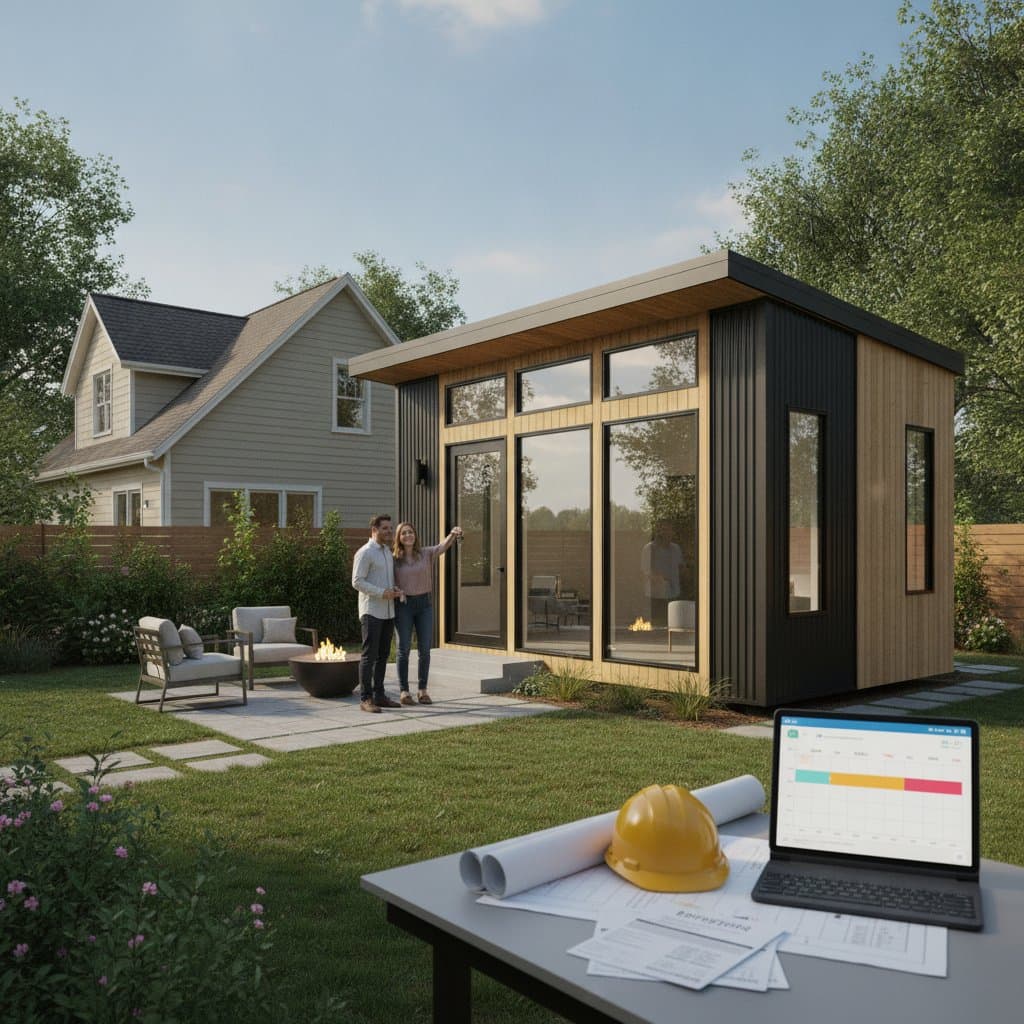
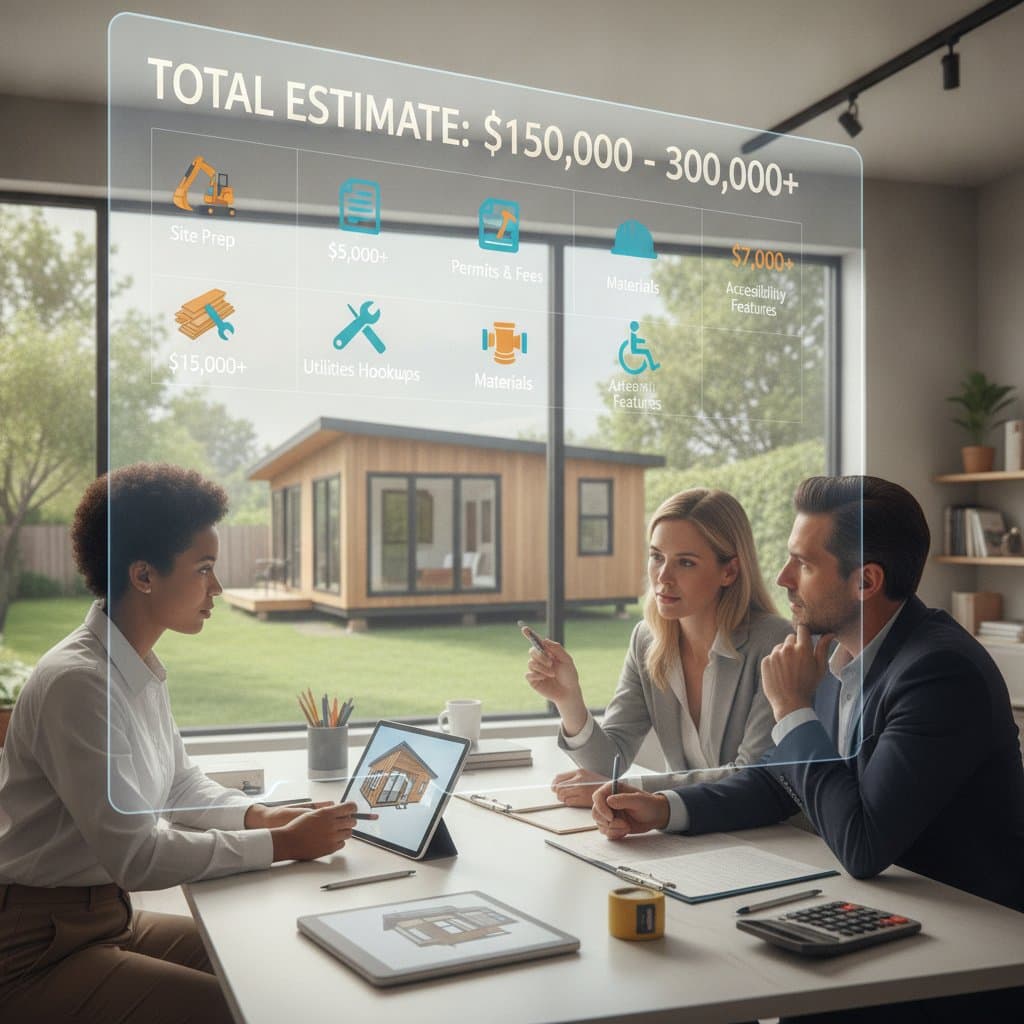
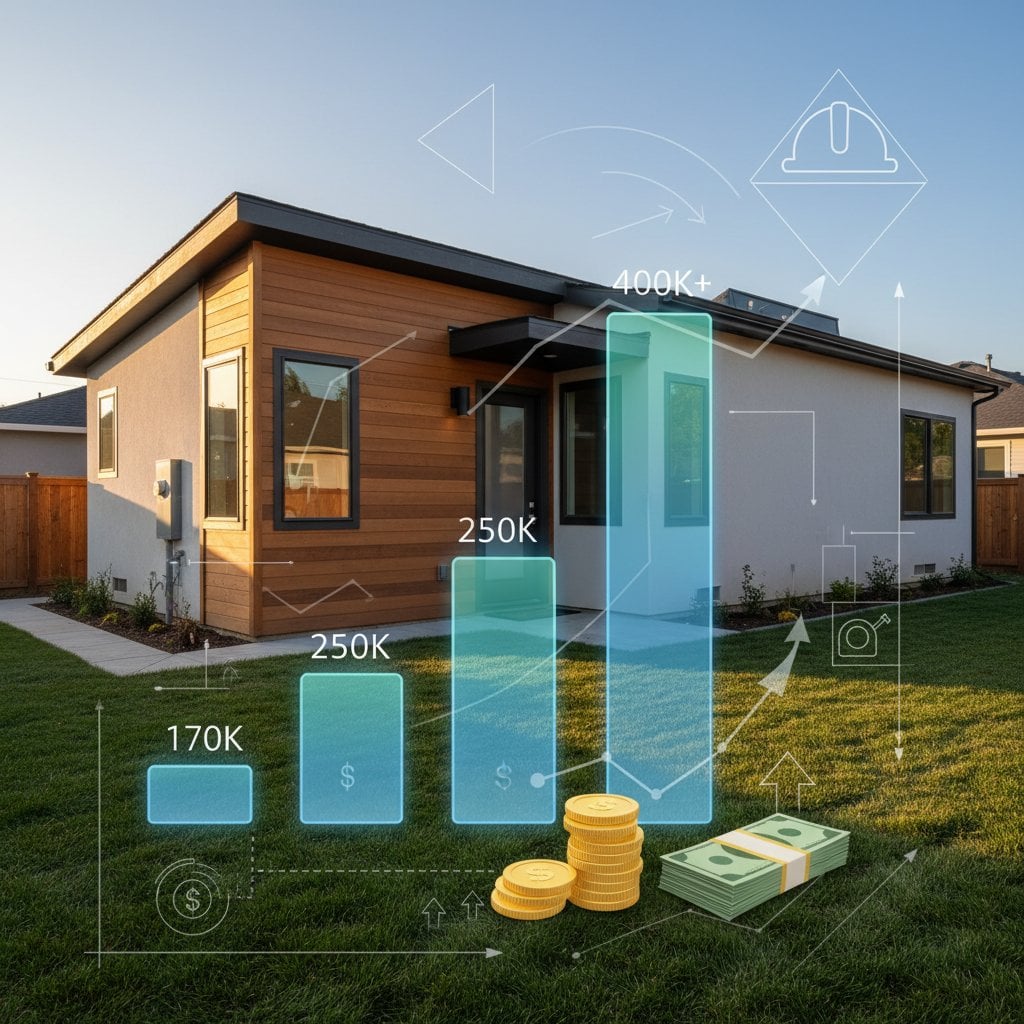
The average cost to construct an ADU falls between $170,000 and $400,000, with many homeowners allocating approximately $250,000 for a detached backyard cottage. Smaller attached units or garage conversions begin around $100,000, whereas premium standalone designs featuring complete kitchens and bathrooms surpass $450,000. Labor, permitting, and utility connections constitute nearly half of the overall expense.
Highlights and Key Insights
- Average cost: $250,000 for a detached ADU
- Full range: $100,000 to $450,000
- Cost per square foot: $300 to $600, influenced by design complexity
- Primary cost drivers: site preparation, labor, materials, utilities, and permitting
- ROI potential: 60 to 80 percent, based on rental demand and property appreciation
Contractor Costs: Professional Services Versus DIY Approaches
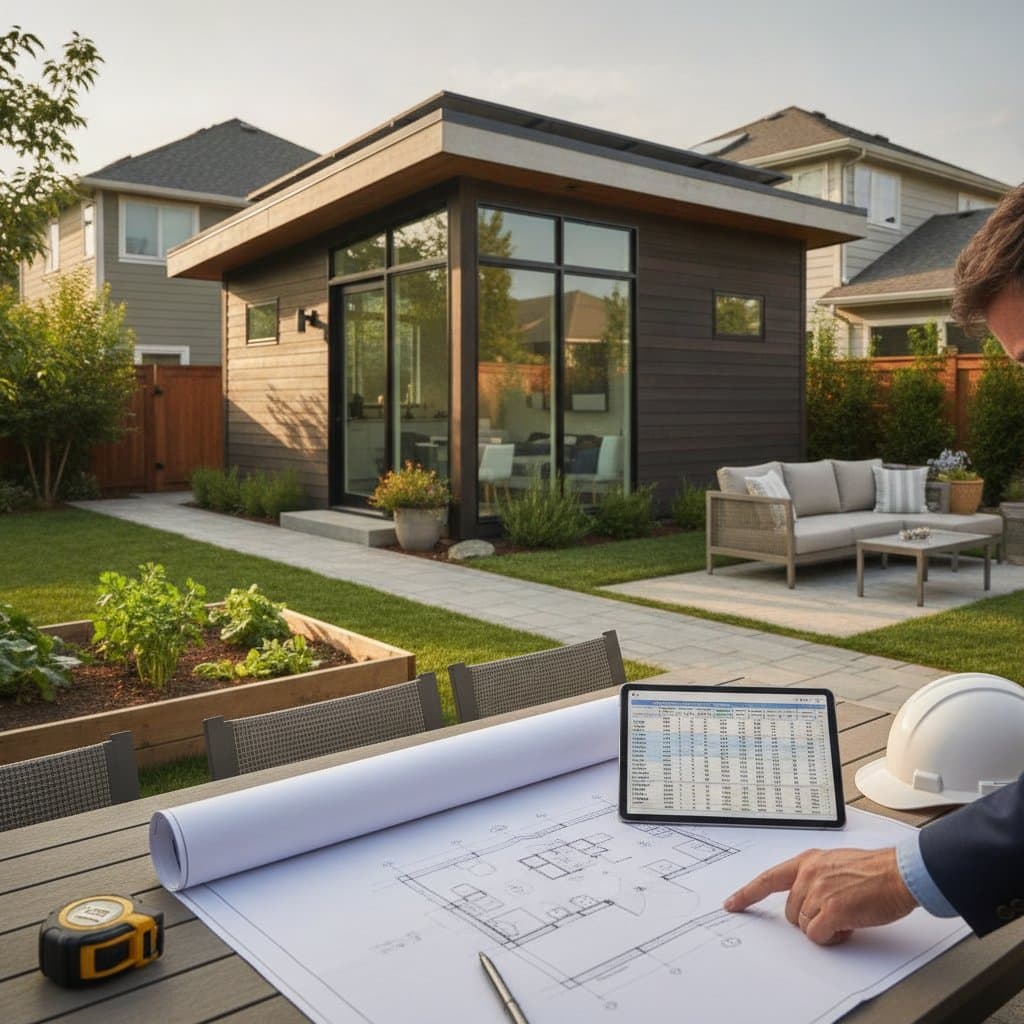
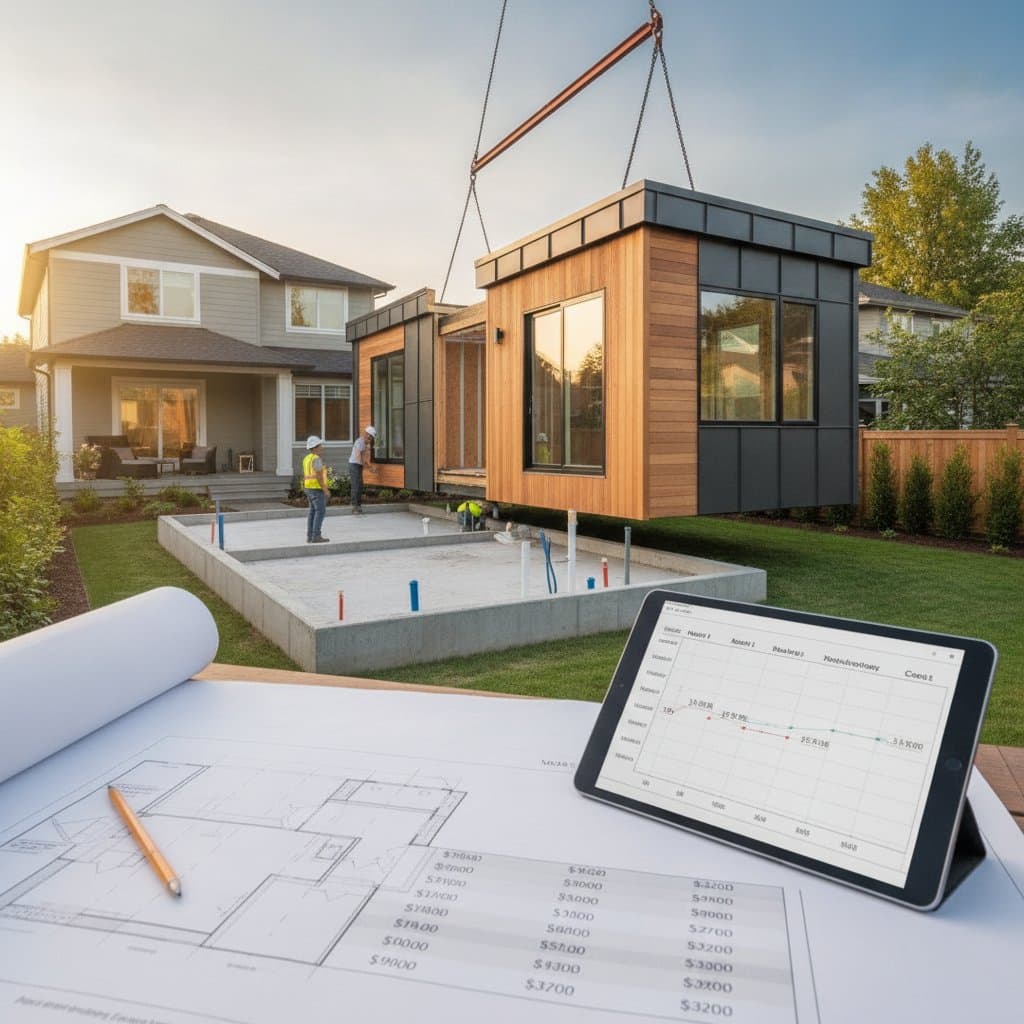
Labor represents a significant portion of the budget, comprising 40 to 60 percent of the total project expense. Licensed contractors charge between $100 and $200 per square foot for labor, depending on regional rates and project demands. Architects, engineers, and project managers contribute additional fees ranging from 8 to 15 percent of the overall cost.
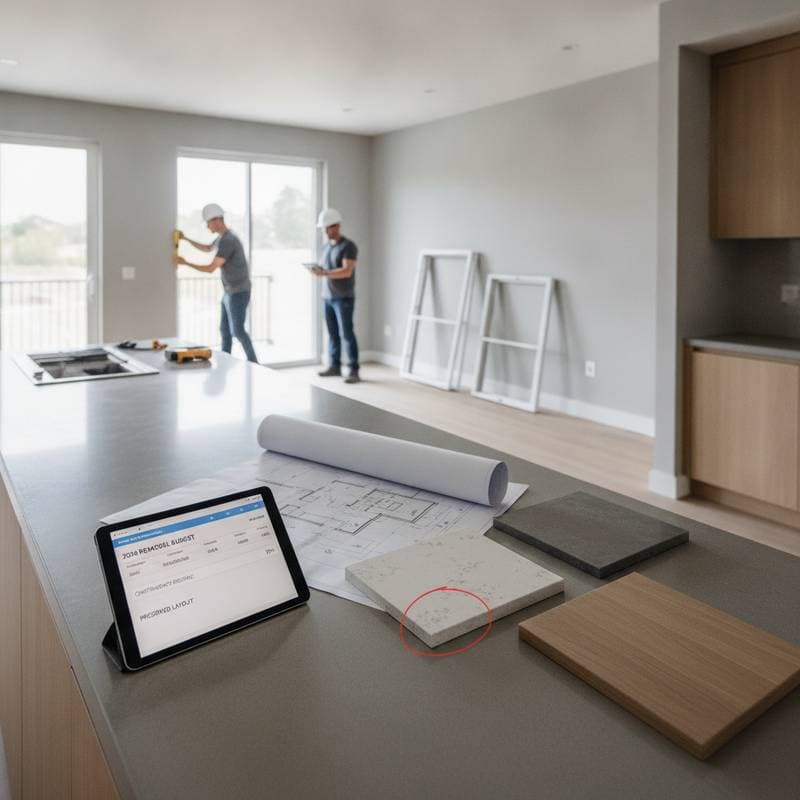
DIY efforts can reduce labor expenses, yet they suit only modest, straightforward projects or tasks such as installing flooring and applying paint. Structural framing, plumbing, and electrical systems demand licensed professionals to meet safety standards in most jurisdictions. Engaging a contractor guarantees adherence to building codes and accelerates approvals from local authorities.
Strategies to Reduce ADU Construction Expenses
Select a pre-approved plan to streamline the design and permitting process, as numerous municipalities provide vetted ADU blueprints that expedite approvals. Opt for a simple rectangular layout, which proves more economical than intricate shapes or varied roof configurations. Transform an existing garage or basement to avoid substantial outlays for foundations and framing.
Incorporate durable, mid-range materials that deliver longevity without the premium price tag of luxury finishes. Employ a single contractor for the entire project through a design-build model, which minimizes management fees and prevents scheduling disruptions. These approaches can lower costs by 15 to 30 percent while preserving quality.
Return on Investment for ADUs
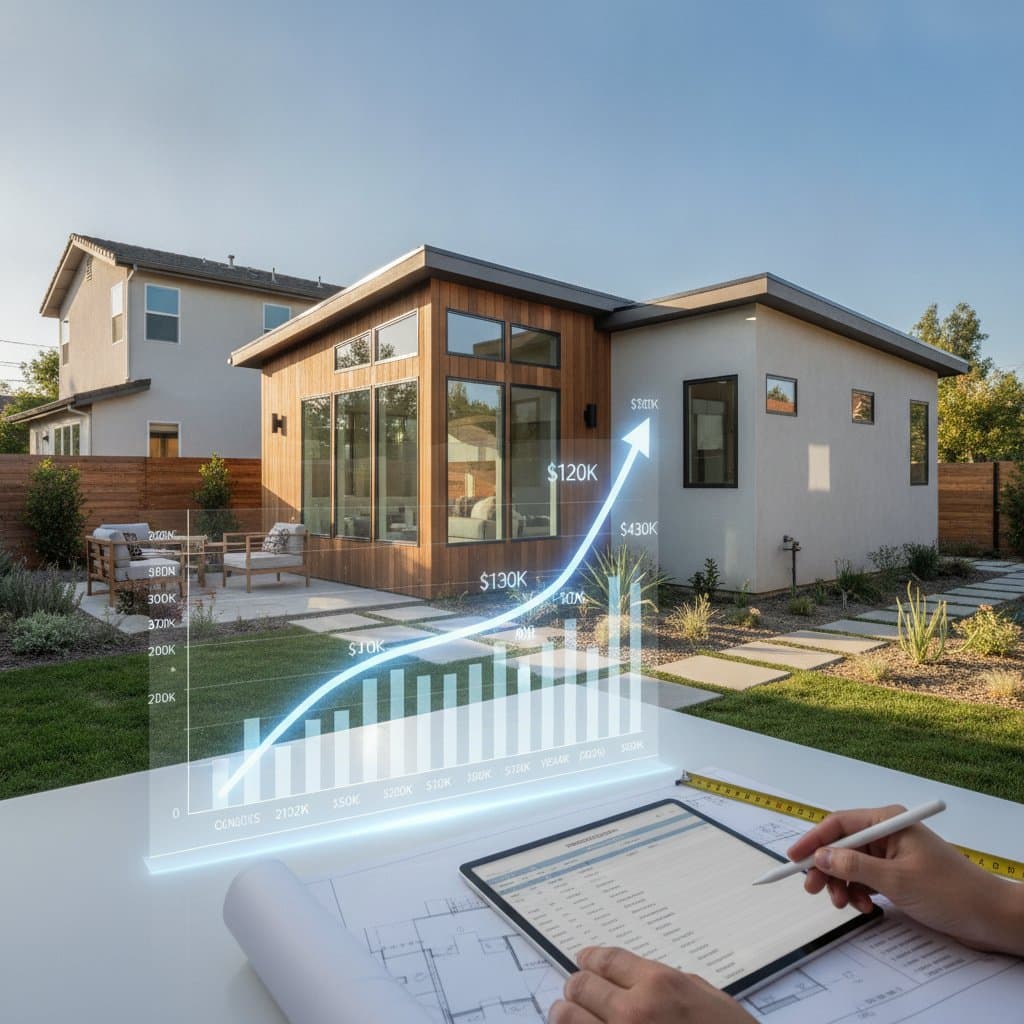
ADUs typically yield a 60 to 80 percent return on investment through increased property value and rental revenue potential. Detached units elevate appraisals by providing versatile living areas that appeal to future buyers. Rental income from long-term tenants can recoup construction expenses over a few years, contingent on prevailing local rates.
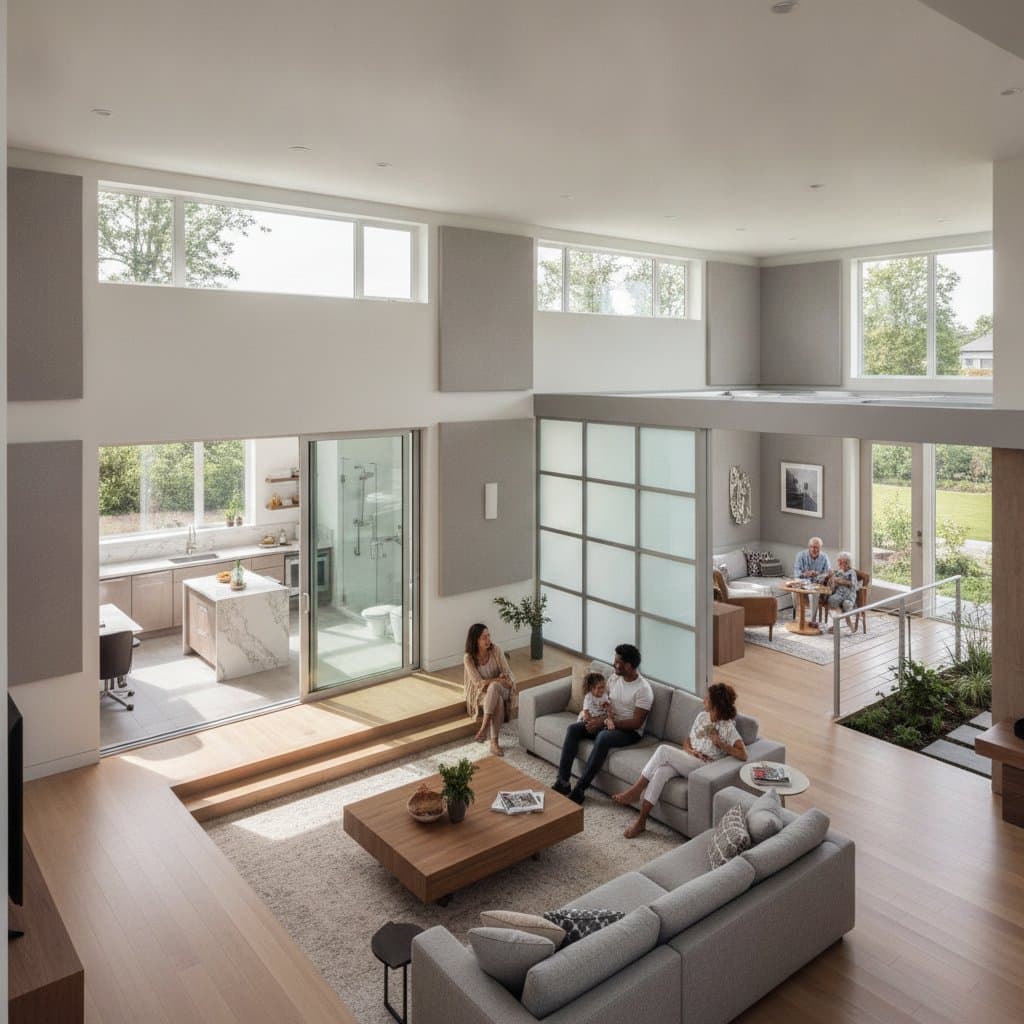
Homeowners who designate ADUs for family members or guests gain enduring utility and enhanced property functionality. In high-demand markets, these additions boost equity and offer financial flexibility during life transitions such as retirement or multigenerational living.
Cost Estimation Methodology
These figures derive from compiled builder quotations, homeowner feedback, and data from the construction sector across multiple regions. The estimates assume mid-range builds with conventional materials and standard labor costs. Variations arise from local economic factors, design intricacies, and specific permitting protocols, which may adjust the final tally upward or downward.
Professional Guidance Versus Self-Build Options
DIY initiatives excel in final phases, including painting, flooring installation, and landscaping enhancements. Undertaking complete ADU construction independently often results in delays, inspection failures, and unforeseen expenses. Licensed professionals manage structural integrity and utility installations in compliance with local codes, safeguarding both safety and property worth.
While professional involvement increases upfront costs, it delivers superior outcomes and supports higher resale values. Experienced builders may trim total expenses by 10 to 20 percent through efficient practices, provided they secure all necessary permits from the outset.
Frequently Asked Questions
How much does a small backyard ADU cost?
A compact 400-square-foot detached unit generally ranges from $150,000 to $200,000, encompassing basic finishes and standard utilities.
Does converting a garage cost less than new construction?
Conversions prove more affordable, often saving $50,000 or greater by leveraging existing foundations and structural elements.
Are permits required for an ADU?
Permits remain mandatory for zoning compliance, structural building, plumbing, and electrical components in all cases.
Is renting out an ADU permitted?
Long-term rentals receive approval in most cities, though regulations for short-term use differ by jurisdiction.
What is the typical construction timeline?
Projects span four to eight months from initial design through final inspection, affected by weather conditions and permitting efficiency.
Safeguarding Your ADU Investment
Treat your completed ADU with the same diligence as the primary residence by conducting regular inspections of plumbing, heating systems, and roofing. Maintain comprehensive records of permits and warranties to facilitate future sales or loan refinancings. For rental purposes, approach the unit as a professional asset, incorporating consistent maintenance and thorough tenant evaluations to ensure sustained value and income.