Essential Aging-in-Place Upgrades Without Breaking the Bank
Aging in place means remaining in the home you love while ensuring it remains safe, comfortable, and functional for years to come. Thoughtful upgrades can simplify daily life without exceeding your budget. This guide explores practical, affordable modifications to enhance accessibility and independence.
A Practical View of Aging-in-Place Design
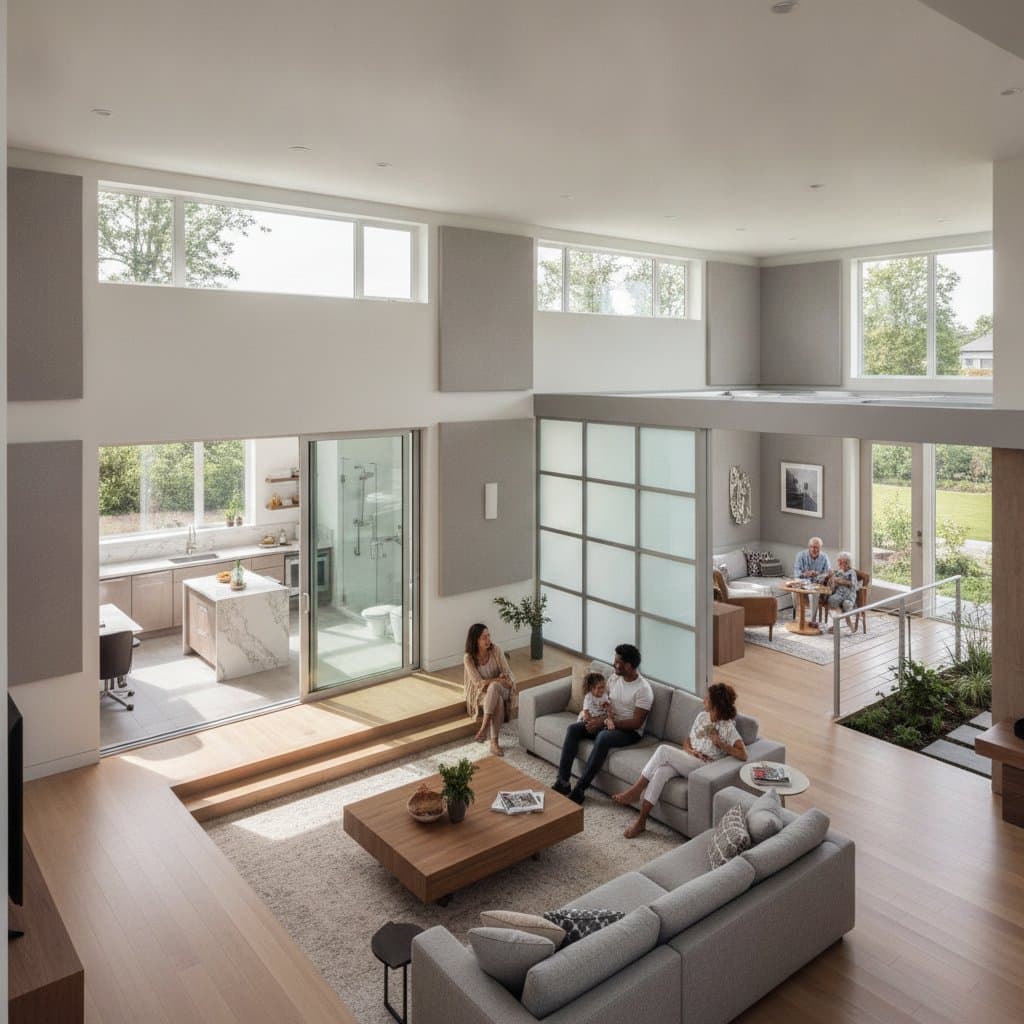
Aging-in-place design emphasizes accessibility, safety, and ease of movement. It eliminates barriers that heighten fall risks or physical strain and incorporates features that streamline routine activities. The objective is to foster a home environment that promotes independence while preserving familiarity and warmth.
Elements such as color contrast, lighting, and layout contribute significantly. Minor adjustments to flooring texture, counter heights, or door hardware yield substantial improvements. Begin with modest changes, pinpoint primary challenges, and implement solutions that harmonize functionality with affordability.
1. Enhance Lighting for Visibility and Safety
Adequate lighting prevents accidents by illuminating pathways and task areas. Dim or inconsistent light can obscure hazards, leading to trips or falls.
Why it works:
Bright, even illumination improves depth perception and reduces shadows. Motion-activated lights ensure hands-free operation in hallways or bathrooms.
Budget-friendly upgrades:
- Install LED bulbs in existing fixtures for energy-efficient, long-lasting brightness.
- Add battery-operated under-cabinet strips in kitchens and closets.
- Place night lights along stairways and in bedrooms for low-light guidance.
Pairing tips:
Select warm-toned bulbs to maintain a cozy atmosphere. Coordinate fixture styles with room decor, such as sleek modern designs for contemporary spaces.
2. Replace Doorknobs with Lever Handles
Round doorknobs pose challenges for individuals with arthritis or diminished hand strength. Lever handles allow effortless door operation.
Why it works:
Levers demand minimal grip force and accommodate operation with elbows or wrists when hands are occupied.
Budget-friendly upgrades:
- Update interior doorknobs room by room to manage costs.
- Select finishes like brushed nickel or oil-rubbed bronze that complement current aesthetics.
- Opt for lever sets compatible with standard tools for simple installation.
Pairing tips:
Align handle finishes with light switch plates or cabinet pulls to achieve visual unity.
3. Swap Out Slippery Flooring
Flooring selections influence safety profoundly. Certain surfaces grow treacherous when damp or snag toes, prompting stumbles.
Why it works:
Substituting glossy finishes with textured or low-pile options diminishes slip hazards and bolsters traction.
Budget-friendly upgrades:
- Incorporate slip-resistant vinyl or rubber tiles in high-moisture zones like bathrooms and kitchens.
- Exchange loose area rugs for low-profile, non-slip mats.
- Position anti-fatigue mats at sinks or standing workstations to ease prolonged use.
Pairing tips:
Pick hues that provide subtle contrast against walls or cabinetry to aid depth perception. Steer clear of bold patterns that might disorient vision.
4. Lower Closet Rods and Storage Shelves
Overhead reaching grows difficult over time. Modifying storage elevations enhances access and minimizes physical effort.
Why it works:
Positioning shelves and rods at arm level eliminates overreaching or reliance on unstable step stools.
Budget-friendly upgrades:
- Employ adjustable closet systems featuring repositionable rods and shelves.
- Integrate pull-down rods for convenient retrieval from elevated areas.
- Utilize open shelving for frequently accessed items in kitchens and laundry spaces.
Pairing tips:
Maintain uniform colors in storage zones for an organized appearance. Employ labeled bins or baskets with large, legible fonts.
5. Upgrade Kitchen Fixtures for Easy Use
Kitchens gain from user-friendly fixtures and strategic storage. Basic alterations render meal preparation and cleanup more secure.
Why it works:
Lever or touch faucets eliminate forceful twisting. Pull-out mechanisms and rotating trays position essentials within easy grasp.
Budget-friendly upgrades:
- Fit a single-handle faucet equipped with a pull-down sprayer.
- Convert lower cabinet shelves into pull-out trays.
- Mount LED under-cabinet lighting to illuminate countertops effectively.
Pairing tips:
Match hardware finishes to door handles and appliances. Warm metallic tones can temper the starkness of stainless steel.
6. Add Non-Slip Stair Treads and Handrails
Stairs represent high-risk zones in residences. Optimal traction and reliable support prove essential.
Why it works:
Non-slip treads and firm handrails mitigate fall incidents and instill confident navigation.
Budget-friendly upgrades:
- Affix adhesive stair treads or rubber runners for immediate grip.
- Mount handrails on both sides to provide dual balance points.
- Guarantee stair lighting delivers uniform, shadow-free illumination.
Pairing tips:
Select tread colors offering mild contrast to the stair base, delineating steps clearly. Wood tones or neutral grays integrate seamlessly.
7. Adjust Counter Heights and Work Surfaces
Counters in kitchens and bathrooms suited to personal ergonomics facilitate routine chores.
Why it works:
Appropriate elevations lessen back discomfort and optimize reach. Adaptable counters or seated options introduce versatility.
Budget-friendly upgrades:
- Deploy rolling carts as supplementary prep areas.
- Incorporate pull-out boards or drop-leaf extensions for expanded workspace.
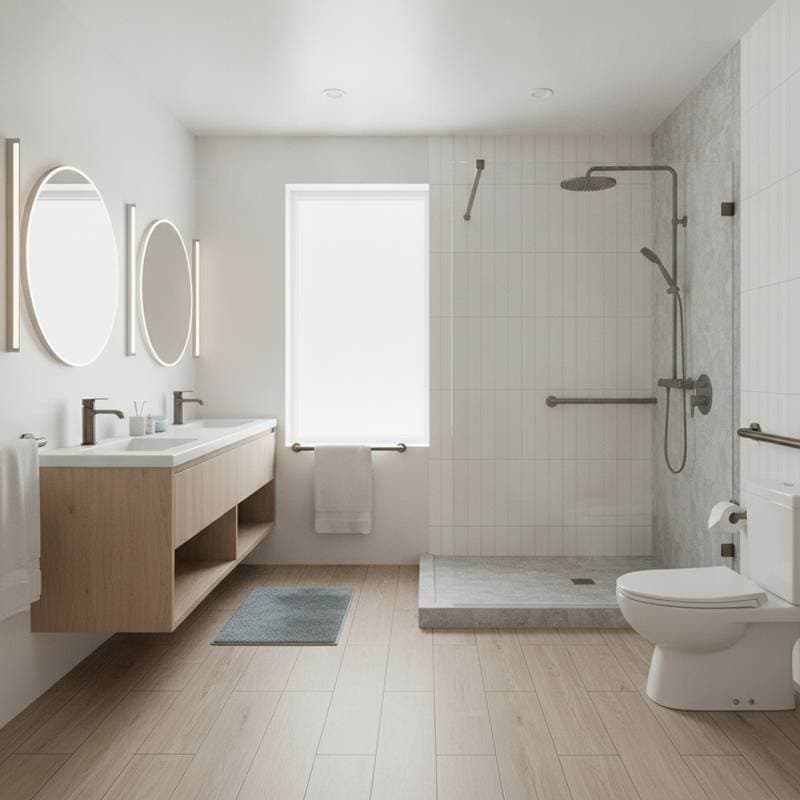
- Substitute cumbersome vanities with open configurations permitting seated entry.
Pairing tips:
Harmonize countertop materials with prevailing finishes. Laminate and solid surfaces deliver economical longevity.
8. Simplify Furniture Layouts
Furniture arrangements impact comfort and navigation. Unobstructed routes safeguard mobility.
Why it works:
Clearing excess items accommodates assistive devices and curtails tripping opportunities.
Budget-friendly upgrades:
- Reconfigure current furnishings prior to new acquisitions.
- Maintain pathways no less than three feet in width.
- Choose stable chairs with firm seats that support easy standing.
Pairing tips:
Employ serene, matching colors. Eschew high-contrast patterns on major pieces that clutter visual space.
9. Incorporate Smart Technology for Convenience
Modern devices automate tasks and monitor safety. Affordable smart tools extend independence.
Why it works:
Voice-activated controls and sensors alert to irregularities, like falls or open doors, without complex setups.
Budget-friendly upgrades:
- Install smart plugs for remote appliance management.
- Add motion-sensor lights or doorbell cameras for entryway security.
- Use automated medication dispensers or voice assistants for reminders.
Pairing tips:
Integrate devices discreetly to preserve room aesthetics. Neutral hubs blend with existing electronics.
Implementing Your Upgrades
Evaluate frequently used areas first. Pinpoint everyday obstacles, then rank modifications by safety and ease priorities. Target changes offering dual benefits, like lighting that enhances both sight and mood or hardware blending form with utility.
Tackle minor tasks such as hardware swaps or lighting installations independently. Engage specialists for substantive work involving structures, flooring, or bathroom adaptations versed in aging-in-place principles.
The result is a residence that evolves alongside you, with each space reinforcing autonomy and serenity. These considered, economical enhancements deliver reassurance, enabling secure, assured living in cherished surroundings for decades ahead.