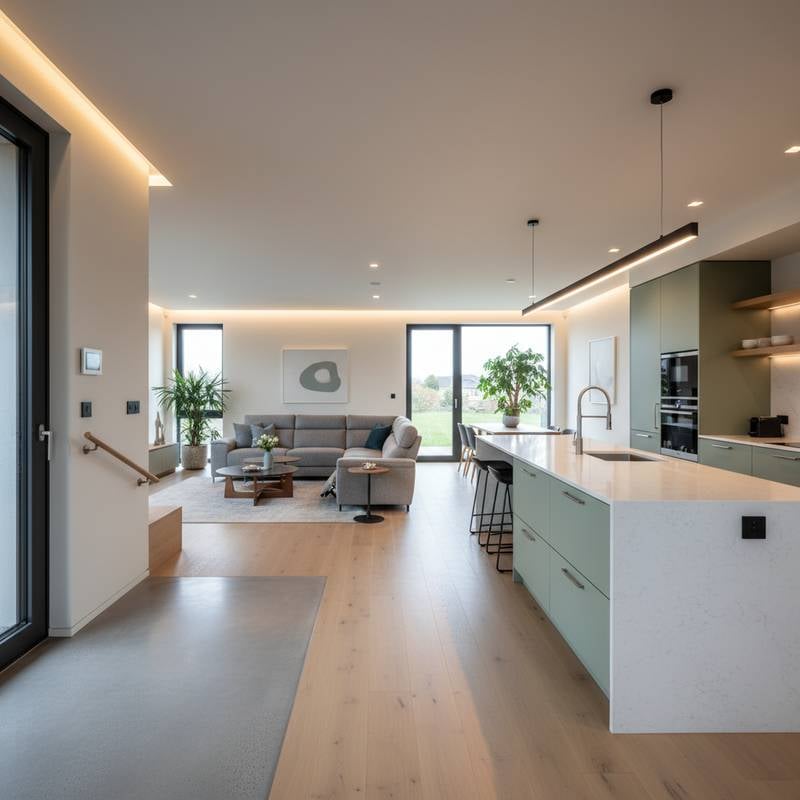
Universal Design: Age-Proof Your Home for Life
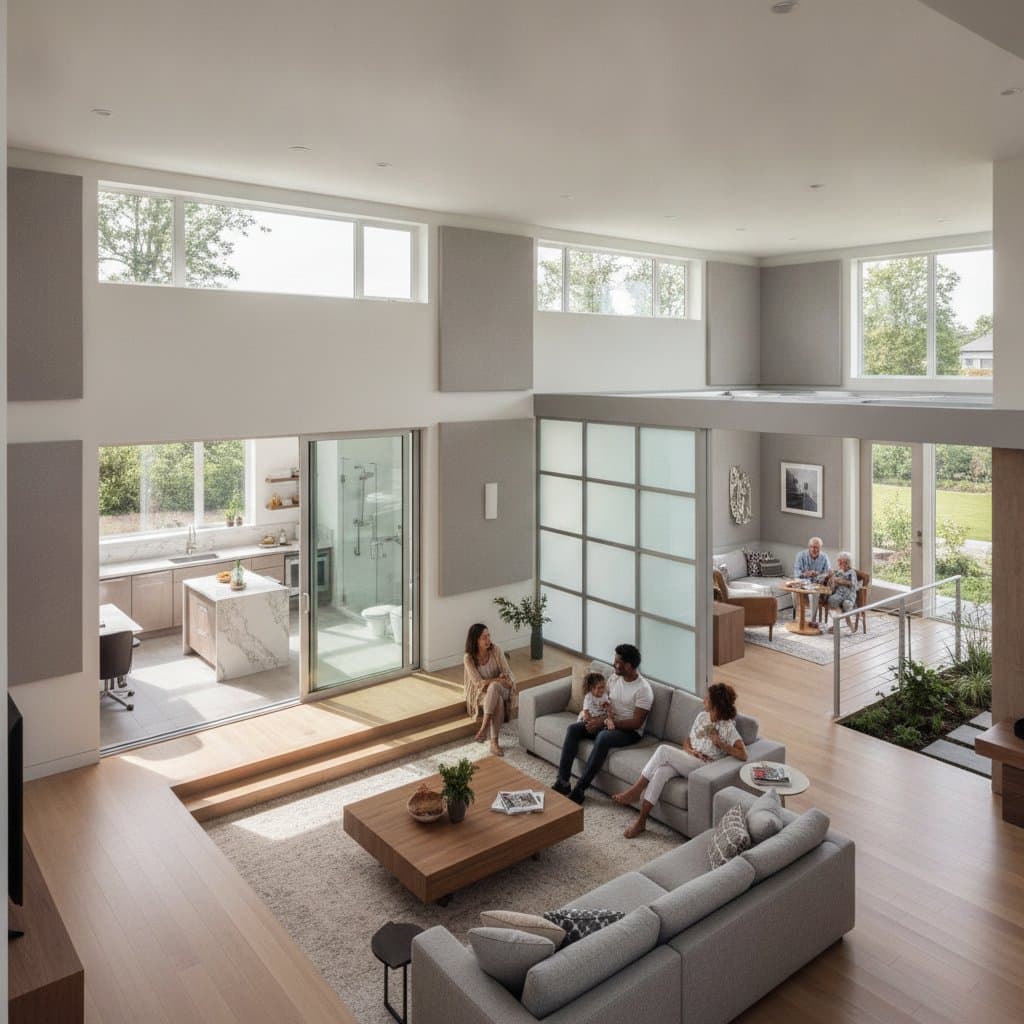
A home designed for all stages of life supports independence, safety, and comfort without sacrificing style. Universal design takes this idea further by creating spaces that work for people of every age and ability. By planning for accessibility now, you can live comfortably longer, reduce future renovation costs, and make your home safer for everyone who visits.
This guide explains how to incorporate universal design into your home, from entrances to bathrooms, with practical ideas, cost guidance, and expert insights.
What Universal Design Means for Homeowners
Universal design focuses on usability for all. It removes barriers that limit movement or comfort, creating spaces that function equally well for children, adults, and seniors. Unlike specialized accessibility retrofits, universal design blends seamlessly with modern interiors, preserving aesthetic appeal.
Common goals include:
- Step-free entryways and wide doorways
- Easy-to-reach storage and controls
- Slip-resistant surfaces
- Ample lighting and color contrast for visibility
- Flexible layouts that adapt to changing needs
Experts estimate that incorporating universal design during remodeling can add between 5 and 15 percent to project costs. Yet it can save far more by avoiding future renovations or injuries.
Accessible Entryways and Doorways
Why It Matters
A zero-step entry eliminates tripping hazards and makes moving groceries, strollers, or wheelchairs much easier. Wider doorways improve circulation and allow for aging in place without mobility challenges. These features ensure smooth transitions between indoor and outdoor spaces.
Cost and ROI
Converting one main entry to a zero-step threshold often costs between $2,500 and $5,000, depending on slope and materials. Wider interior doors can add $300 to $800 per door. These changes increase resale appeal, especially as more buyers look for accessibility features in today's market.
DIY vs Pro
Replacing hardware or adding lever handles is manageable for most homeowners with basic tools. Structural changes to thresholds or framing require professional installation to maintain insulation and code compliance. Always check local regulations before starting any modifications.
Expert Insight
Designers recommend at least a 36-inch-wide doorway and a 5-foot turning radius inside entries for smooth wheelchair or walker access. Consider adding automatic door openers for hands-free operation if budget allows.
Safer Bathrooms with Style
Why It Matters
Bathrooms are the most common site for home injuries, with slips and falls posing significant risks. Universal design prevents these incidents and allows safe, independent use for longer periods. Thoughtful features promote dignity and ease in daily routines.
Cost and ROI
A full bathroom remodel with accessibility features ranges from $15,000 to $30,000. Curbless showers, grab bars, and non-slip tile improve both safety and aesthetics. Homes with accessible bathrooms tend to sell faster and appeal to multigenerational buyers seeking long-term value.
Design Tips
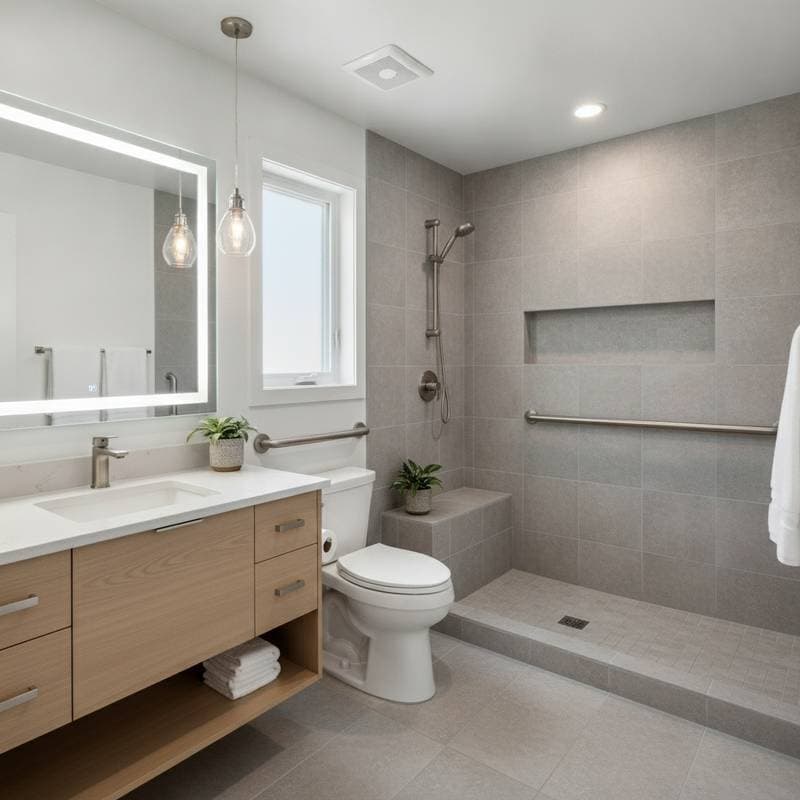
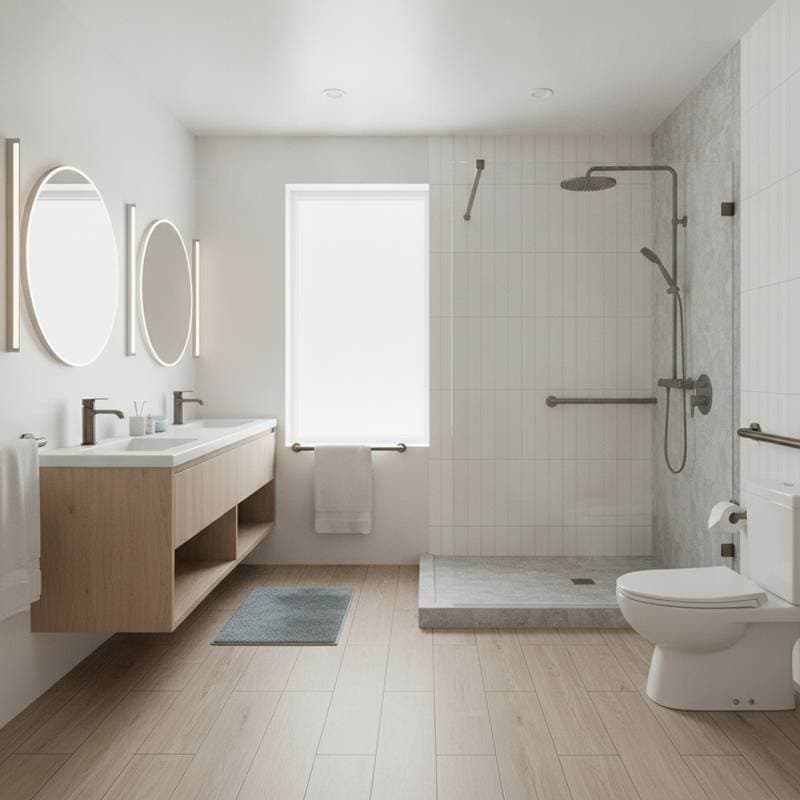
- Install a curbless shower with a linear drain for seamless entry and modern appeal.
- Choose matte tile finishes rated for slip resistance, such as those with a coefficient of friction above 0.6.
- Place grab bars near toilets and in showers, pairing them with decorative finishes like brushed nickel.
- Use hand-held showerheads and single-lever faucets for easier control, especially for those with arthritis.
DIY vs Pro
Tiling and plumbing changes require professional expertise to ensure waterproofing and proper drainage. You can replace faucets, add non-slip mats, or install removable shower seating on your own with minimal tools.
Kitchen Accessibility That Looks Great
Why It Matters
Universal design kitchens combine efficiency with flexibility, making meal preparation accessible for all. Lower counter sections, pull-out shelves, and adjustable lighting simplify tasks for seated or standing users. These elements foster independence in one of the home's busiest areas.
Cost and ROI
Expect to spend between $25,000 and $60,000 on a full kitchen remodel with accessibility features. While costs are higher upfront, they deliver strong long-term value through enhanced comfort and functionality. Energy-efficient appliances integrated into the design can further reduce utility bills over time.
Design Tips
- Keep counters at two heights, such as 30 and 36 inches, to accommodate seated users and standard prep needs.
- Use drawer-style dishwashers or side-opening ovens for easier access without bending.
- Install pull-down shelves in upper cabinets, operated by a simple lift mechanism.
- Choose contrasting countertop and cabinet colors, like dark granite against light wood, for better visual definition.
DIY vs Pro
Cabinet hardware upgrades or lighting changes can be handled independently using standard screwdrivers and ladders. Any electrical or structural modifications should be completed by licensed professionals to meet safety standards.
Lighting and Visibility Improvements
Why It Matters
Good lighting reduces falls and eye strain by illuminating paths and tasks effectively. Universal design encourages layered lighting that adjusts to different activities and times of day. Proper visibility also aids those with low vision in navigating spaces confidently.
Cost and ROI
A whole-house lighting update ranges from $3,000 to $10,000, depending on fixture quality and complexity. The benefits include lower energy costs from LED options and improved safety that prevents costly accidents. Smart systems can integrate with voice controls for added convenience.
Design Tips
- Combine ambient, task, and accent lighting throughout the home to create versatile illumination.
- Place switches at 42 inches above the floor to reach from seated or standing positions.
- Use rocker or touch-style switches that require less force for users with limited dexterity.
- Incorporate motion-sensor night lights in hallways and bathrooms to guide movement during low-light hours.
Flooring That Supports Mobility
Why It Matters
Smooth, low-resistance flooring improves movement for walkers or wheelchairs while minimizing tripping risks for children and pets. Firm yet cushioned surfaces provide stability without excessive hardness. These choices enhance overall home flow and durability.
Cost and ROI
Durable vinyl plank, cork, or low-pile carpet typically costs $3 to $8 per square foot installed. These materials are easier to clean and maintain than traditional high-pile carpets, extending their lifespan. They also contribute to a quieter, more comfortable environment.
Maintenance
Choose finishes with protective coatings to resist scuffs and wear. Avoid high gloss, which can create glare and increase slip risks. Regular vacuuming and spot cleaning preserve traction and appearance.
Money-Saving Tips for Universal Design
Universal design does not always require major construction. You can phase upgrades to manage costs while improving comfort progressively.
- Start small by replacing knobs with levers, adding brighter LED bulbs, or lowering closet rods to 48 inches.
- Combine projects by adding accessibility features during kitchen or bath remodels to save on labor and disruption.
- Use grants or credits from programs like those offered by HUD for seniors or disabled individuals.
- Choose durable finishes, such as solid-surface countertops, to reduce future maintenance expenses.
When to Hire a Professional
Hire a certified remodeler or contractor when work involves structural framing, plumbing, or electrical systems. Professionals understand building codes, accessibility standards, and proper slope or clearance requirements. They ensure projects meet ADA guidelines where applicable.
Look for credentials such as Certified Aging-in-Place Specialist (CAPS). Ask for project photos, references, and clear estimates that include materials and labor. A professional can also help you plan for future needs so you remodel only once.
Common Questions About Universal Design
What is the difference between universal design and accessible design?
Universal design serves everyone equally, while accessible design focuses on specific disabilities. Universal design blends function with beauty for all users, creating inclusive spaces from the outset.
Do universal design features make a home look institutional?
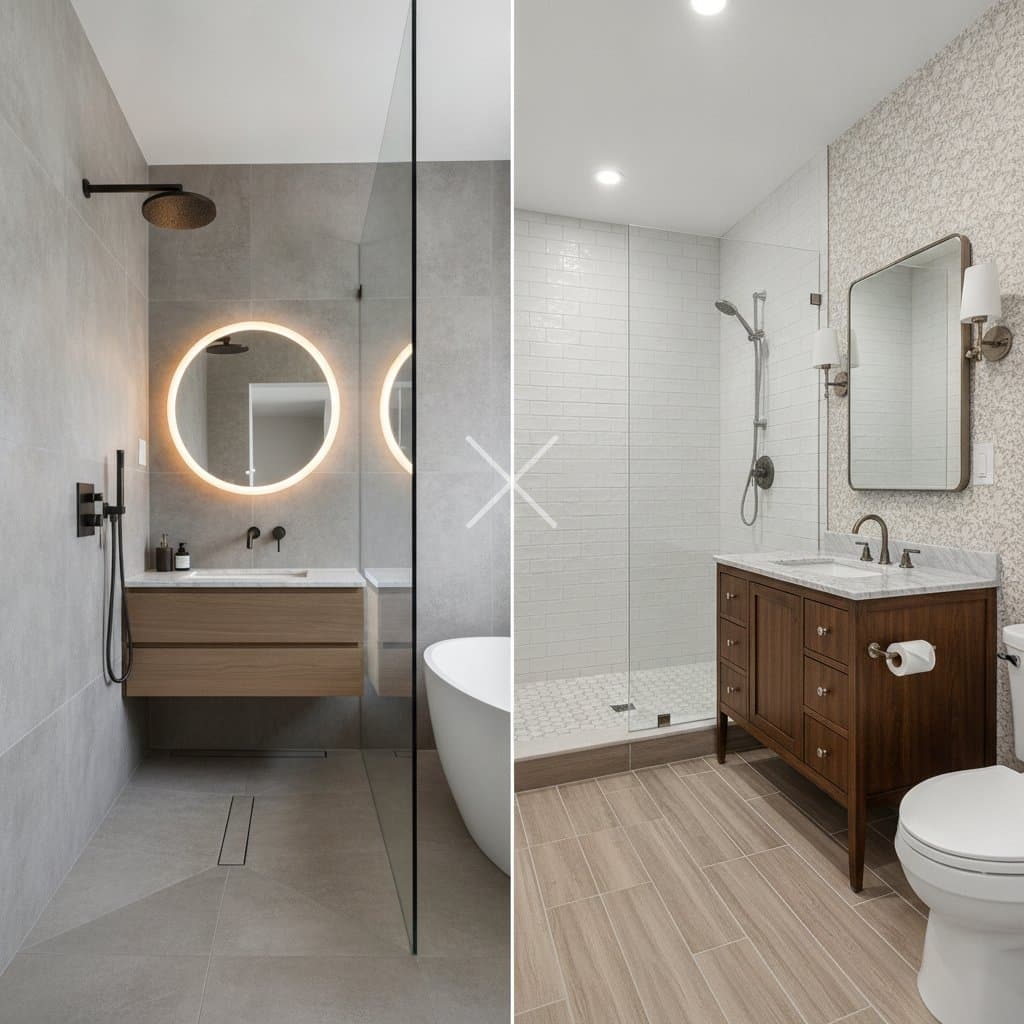
No. Today's materials offer stylish finishes that complement any decor. Grab bars, ramps, and cabinetry can look custom-built rather than medical, with options in wood tones or sleek metals.
Does adding accessibility reduce resale value?
In most markets, it increases value. Buyers appreciate homes that support long-term living and multigenerational households, often paying a premium for these forward-thinking features.
Can I retrofit an older home with universal design features?
Yes, but costs depend on layout and structure. A professional assessment can identify the most practical changes, such as partial ramp installations or modular cabinetry.
Are permits required for accessibility remodels?
Any project involving plumbing, electrical, or structural work usually requires permits. Local building departments can confirm requirements and provide guidance on compliance.
Ensuring Long-Term Safety and Adaptability
Universal design is about longevity and foresight. Inspect grab bars, flooring, and lighting regularly to maintain safety standards. Clean non-slip surfaces with mild products to preserve traction, and replace worn elements promptly.
Age-proofing your home provides confidence and independence for years to come. By combining thoughtful design with professional expertise, you create a space that adapts with you, supports your lifestyle, and welcomes everyone who enters.