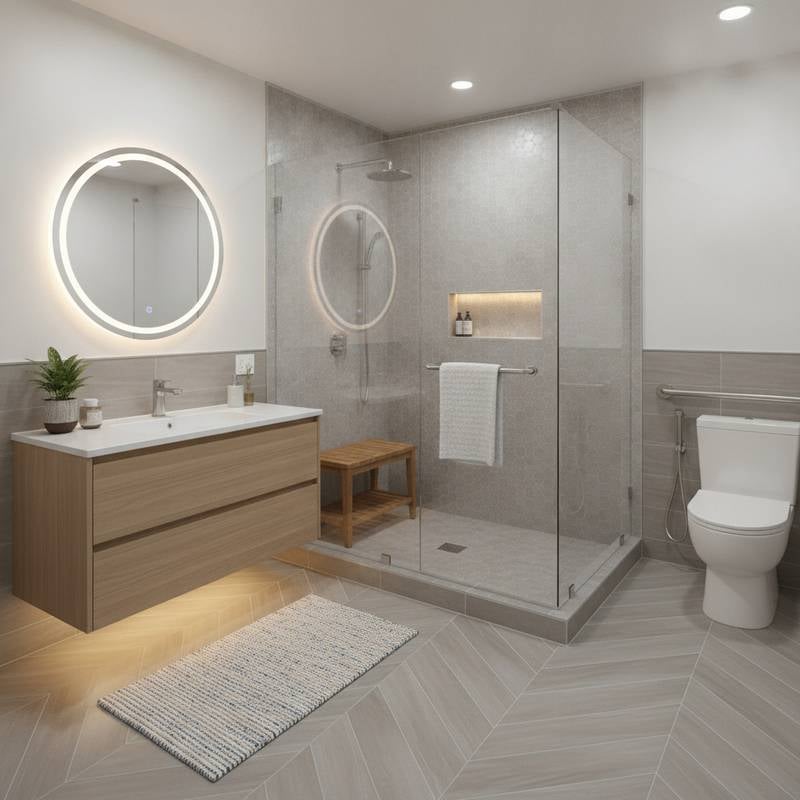
Accurate Costs for Aging-in-Place Bathroom Remodels
Planning a bathroom remodel that supports aging in place helps maintain comfort and independence at home. This guide explains expected costs along with material and decision factors. Readers can budget accurately while selecting options suited to their space and future requirements.
Understanding the Concept of Aging in Place
Aging in place design prioritizes accessibility, safety, and ease of use. The objective involves creating a bathroom that adjusts to shifts in mobility, vision, or balance. The space must remain inviting rather than clinical.
Key elements include wider doorways, barrier-free showers, supportive fixtures, and non-slip materials. Each selection influences overall cost, required labor, and maintenance needs.
Common Remodeling Elements and Their Costs
The breakdown below covers typical features in an aging-in-place bathroom remodel. It also addresses factors that shape the expense of each item.
1. Curbless or Walk-In Showers
A walk-in shower eliminates the raised step present in standard designs. This feature permits smooth entry for individuals who rely on mobility aids.
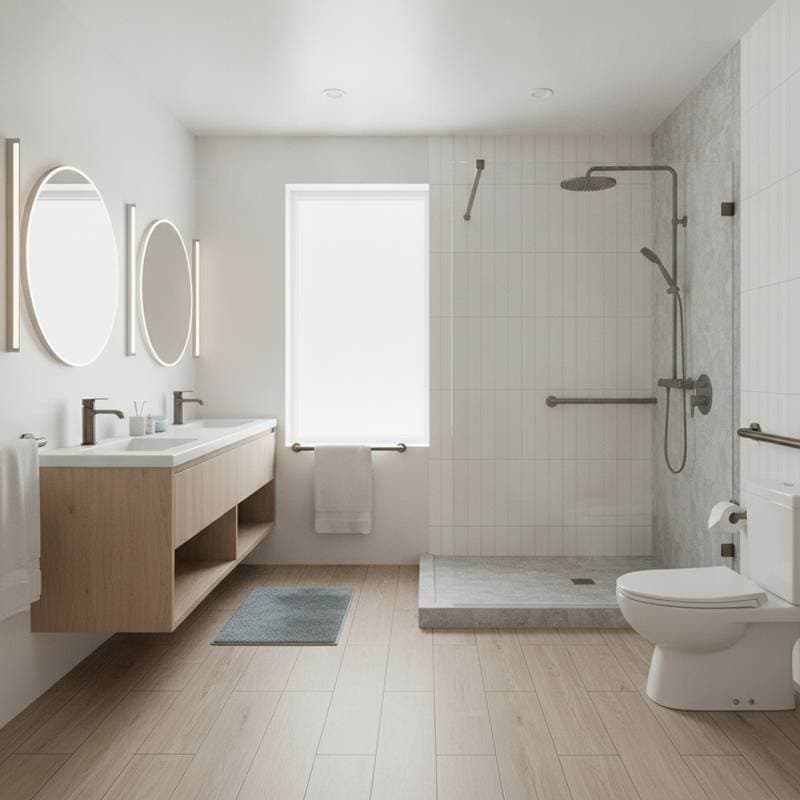
It reduces tripping hazards and improves accessibility while preserving visual appeal. Costs typically fall in the mid to upper thousands. The range depends on tile selection, waterproof membranes, and plumbing adjustments.
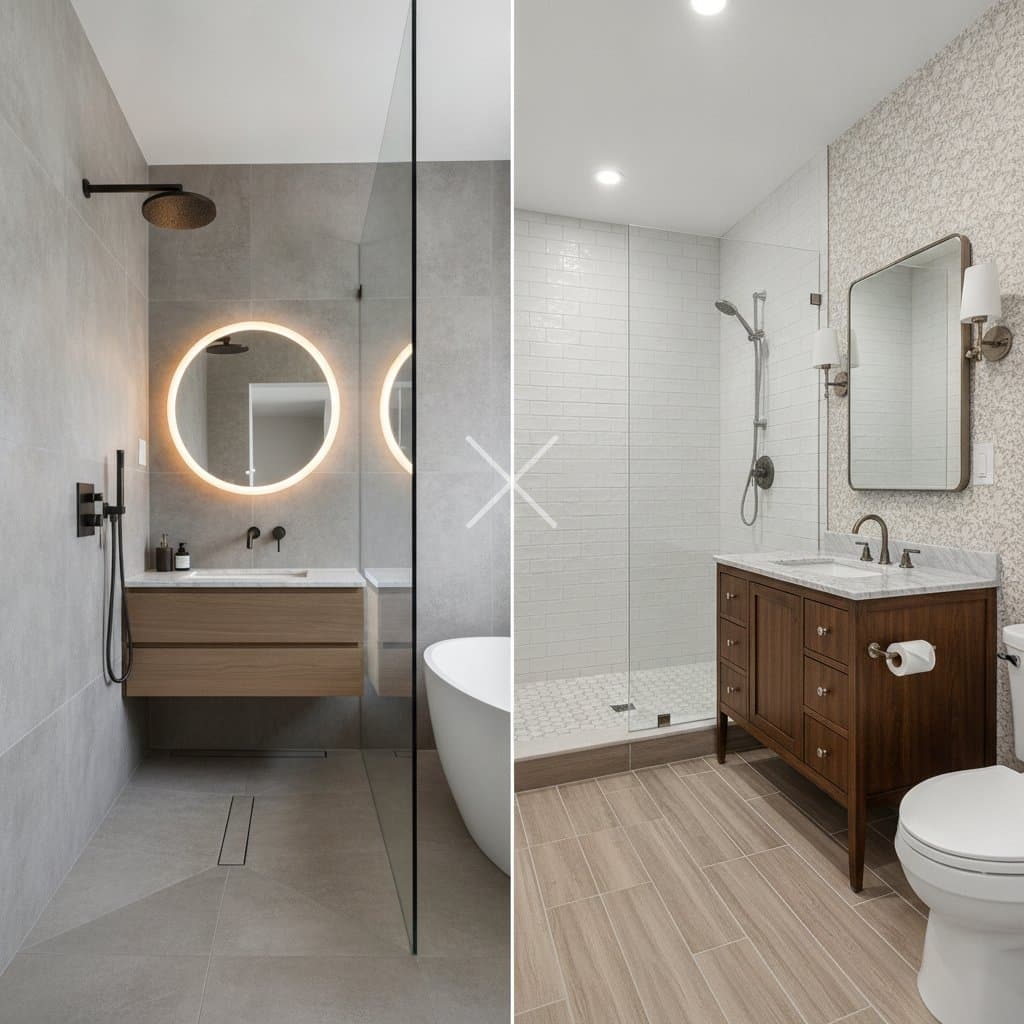
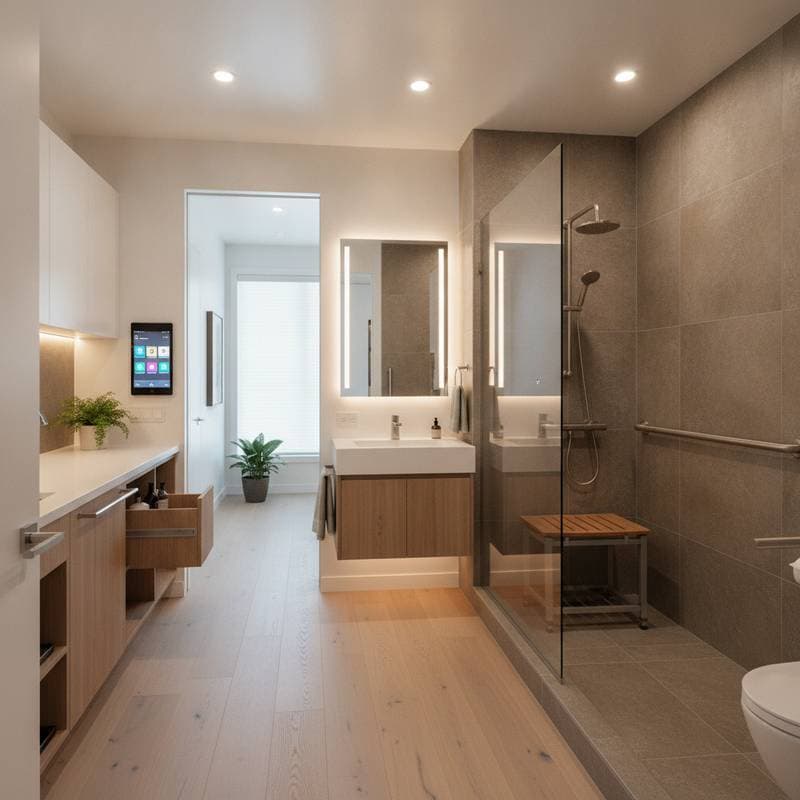
Pair this element with large-format porcelain tiles to minimize grout lines. Add a linear drain for effective water management. Include a handheld showerhead with adjustable mounting height.
2. Walk-In Tubs
Walk-in tubs include a side door and built-in seating for easier entry and comfort. This option supports individuals who prefer bathing over showers.
It helps prevent slips when stepping in or out. Costs usually reach the upper thousands including installation and plumbing modifications.
Pair this element with neutral wall tile and sturdy grab bars nearby for stability.
3. Grab Bars and Support Rails
Grab bars provide secure handholds near toilets, showers, and tubs. They offer balance support and rank among the most cost-effective safety improvements.
Costs total a few hundred dollars for multiple bars with professional installation. Coordinate finishes with faucets and cabinet hardware for a cohesive look, such as brushed nickel or matte black.
4. Comfort-Height Toilets
These toilets sit higher than standard versions and reduce strain on knees and hips. They improve comfort and accessibility for both seniors and taller adults.
Costs usually remain in the few hundred dollar range including installation. Match the unit with a slow-close seat and nearby grab bar for added safety.
5. Accessible Vanities and Sinks
A vanity designed for wheelchair access includes open space underneath and lower counter heights. It allows seated users to reach faucets and storage comfortably.
Costs range from the low to mid thousands depending on customization and materials. Use quartz or solid-surface countertops for easy cleaning and smooth edges.
6. Slip-Resistant Flooring
Non-slip flooring is vital for safety in wet environments. Textured porcelain or vinyl reduces the chance of falls while remaining easy to maintain.
Material costs start at a few dollars per square foot plus installation. Choose a light, warm tone to brighten the space and reflect natural light.
7. Improved Lighting
Layered lighting enhances visibility, especially around mirrors and showers. Proper task lighting reduces glare and shadow for those with limited vision.
Costs range from a few hundred to a few thousand depending on fixture type and wiring needs. Combine recessed ceiling lights with LED strips under cabinets for balanced illumination.
8. Wider Doorways and Open Layouts
Widening doorways to at least 32 inches accommodates walkers and wheelchairs. This change removes barriers and improves flow throughout the bathroom.
Costs range from several hundred to a few thousand dollars depending on wall structure and trim replacement. Use pocket doors or barn-style sliders when space is limited.
Understanding Labor and Professional Expertise
Accessibility remodeling often requires licensed contractors familiar with universal design and building codes. Labor costs vary by region and project complexity.
Hiring professionals ensures proper waterproofing, electrical safety, and fixture placement. Certified remodelers may also assist with product selection and layout.
Consider professional help for tiling large shower areas, adjusting plumbing or electrical lines, installing heavy fixtures such as walk-in tubs, or replacing structural elements. Grab bar installation with proper blocking, painting, sealing, and hardware replacement may suit experienced do-it-yourself efforts.
Professional labor increases upfront cost yet delivers long-term value through safety, quality, and compliance.
Realistic Budget Examples
Every project differs, yet three general budget levels provide useful guidance.
Basic accessibility updates add grab bars, non-slip flooring, and better lighting while keeping the existing layout and fixtures. These changes suit smaller bathrooms and fall in the low to mid thousands.
Mid-level remodels replace a tub with a walk-in shower, update the vanity and lighting, and improve flooring and ventilation. These projects typically cost in the mid to upper thousands.
Full accessibility transformations rework the layout for wheelchair access, install custom cabinetry and a curbless shower, and incorporate premium materials. These projects reach tens of thousands depending on complexity.
These estimates reflect both material and labor costs. Actual pricing depends on local rates and product choices.
Planning Ahead for Comfort and Safety
Start by evaluating the current bathroom layout and identifying areas that may become difficult to navigate later. Consider how lighting, storage, and fixture placement affect daily routines.
Think about how needs might change in the coming years. Planning ahead allows incorporation of universal design features now and avoids costly changes later.
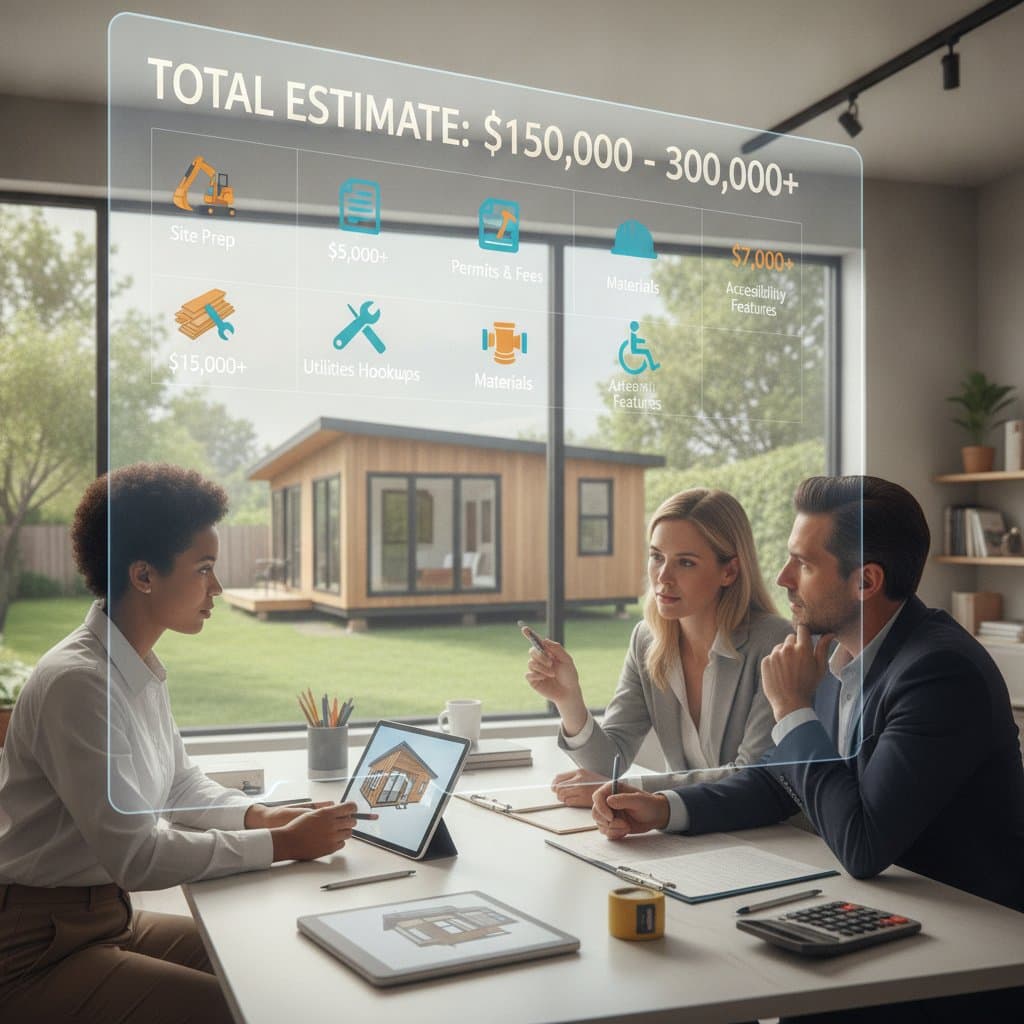
When meeting with contractors, request itemized estimates. This practice helps compare bids accurately and ensures key accessibility features are included.
Maintaining the Updated Space
Once the remodel is complete, focus on ease of use and ongoing maintenance. Keep surfaces clutter-free, test grab bars periodically, and check caulking or grout for wear.
Add small touches that make the space inviting, such as textured towels, soft lighting, or humidity-tolerant plants. These details keep the bathroom practical yet comfortable.
An aging-in-place bathroom remodel represents an investment in safety, independence, and peace of mind. Understanding accurate costs and thoughtful design choices supports both function and comfort for years to come.