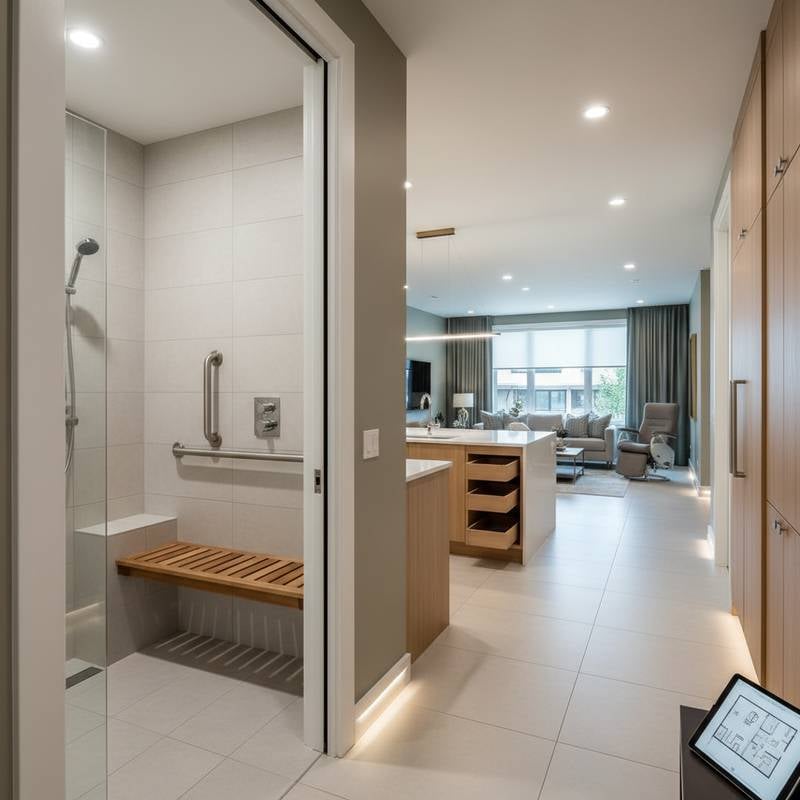
2025 Costs for Aging-in-Place Universal Design
Planning a remodel to facilitate aging in place enables individuals to maintain comfort and independence within their own homes. Universal design principles integrate accessibility, safety, and convenience while preserving aesthetic appeal. This guide provides current cost estimates, essential design considerations, and budgeting strategies for such projects.
Principles of Universal Design
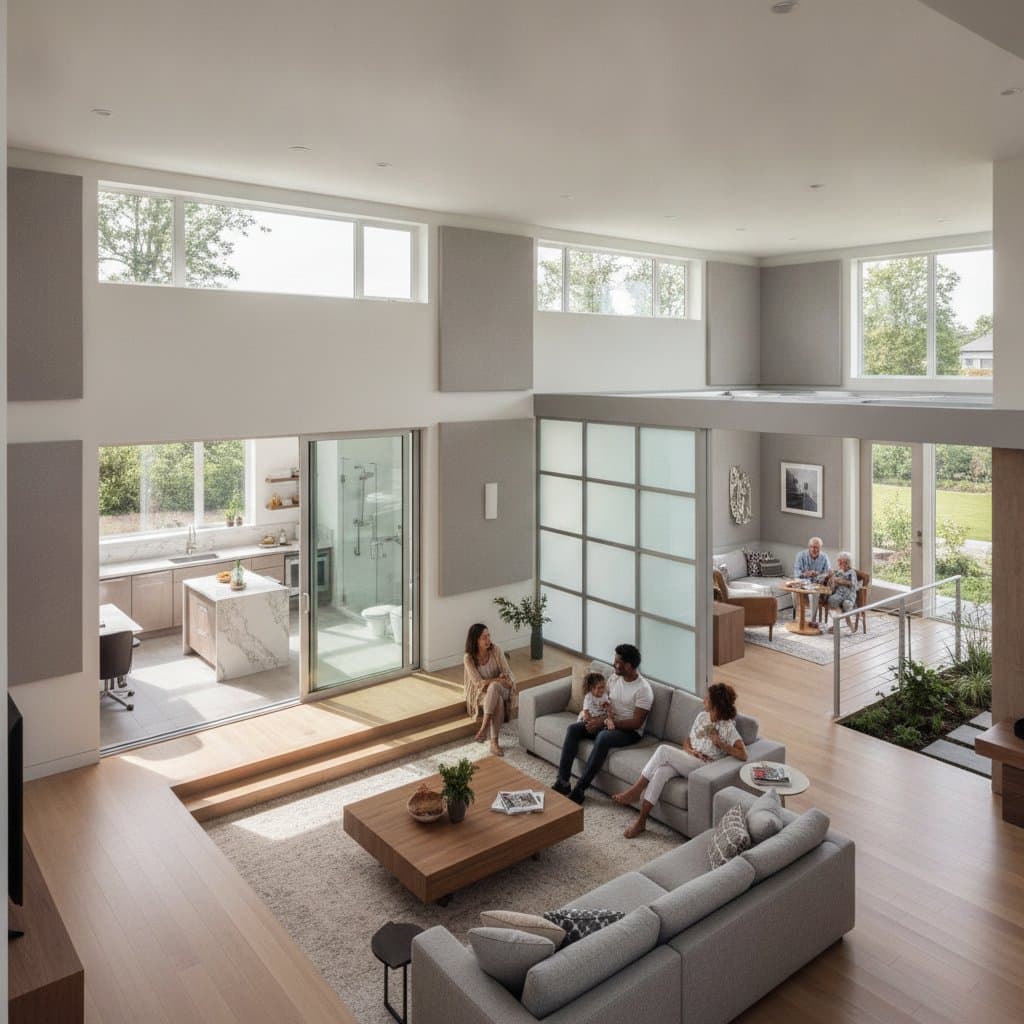
Universal design creates environments that accommodate users of all ages and abilities, emphasizing safety and ease of use. It eliminates physical barriers and enhances daily activities through intentional modifications. These elements integrate naturally into existing spaces, increasing both utility and property value.
Core principles encompass:
- Accessibility: Installation of wider doorways, zero-step entrances, and barrier-free showers.
- Safety: Enhanced illumination, non-slip surfaces, and reinforced grab bars.
- Ease of Use: Lever-style handles, extendable shelving units, and adjustable counter heights.
- Flexibility: Adaptable layouts that respond to evolving mobility or health requirements.
Proper implementation ensures these features appear purposeful rather than institutional, benefiting all residents.
Cost Estimates for Remodeling Projects
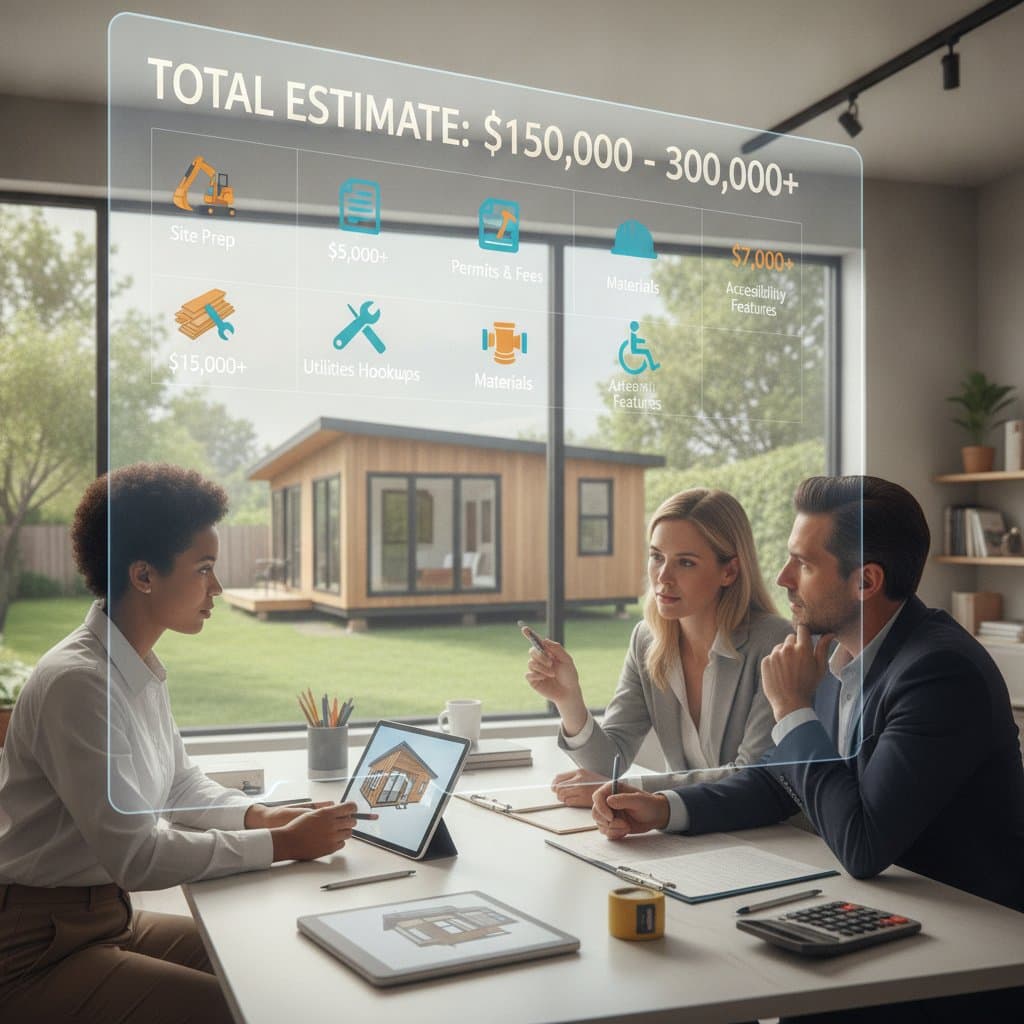
Expenses for aging-in-place modifications fluctuate based on home dimensions, existing configuration, and structural integrity. Simple enhancements, such as installing grab bars or upgrading lighting, range from $500 to $2,000. Comprehensive overhauls involving bathrooms and kitchens may exceed $50,000.
Typical cost ranges include:
- Entryway adjustments: $1,000 to $6,000, covering ramps, threshold eliminations, or doorway expansions.
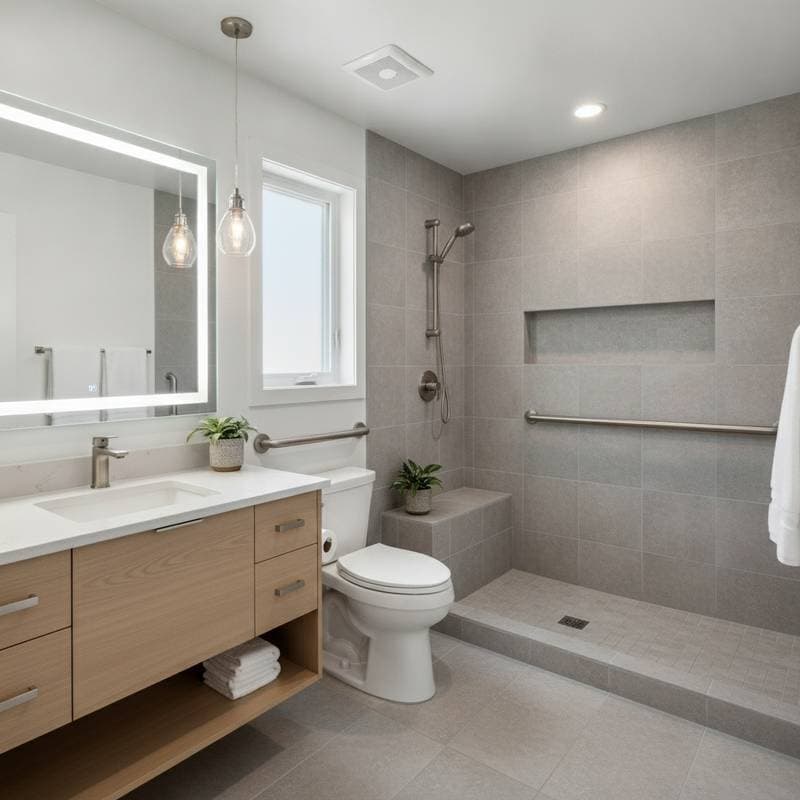
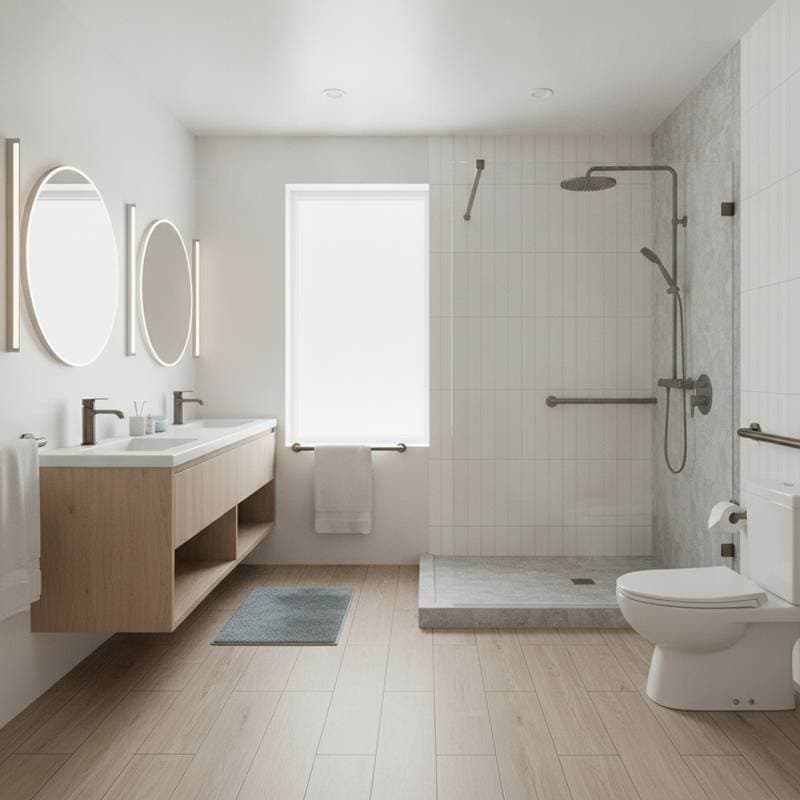
- Bathroom renovations: $8,000 to $25,000, incorporating walk-in showers, elevated toilets, and support rails.
- Kitchen modifications: $15,000 to $40,000, featuring height-adjustable surfaces, reachable storage, and optimized lighting.
- Full-home transformations: $50,000 or more, addressing widespread accessibility enhancements.
Factors influencing these amounts include material selections, regional labor costs, and project intricacy. Consulting a professional designer assists in identifying high-impact upgrades that yield lasting advantages.
Essential Focus Areas for Modifications
Entryways and Exterior Access
Accessibility begins at the home's entrance. Install smooth, wide pathways with non-slip materials and eliminate steps at thresholds to minimize fall hazards. Incorporate motion-activated lights for nighttime navigation. Opt for lever handles or automated locks to simplify entry. For homes with stairs, evaluate ramps or platform lifts that preserve architectural integrity.
Bathroom Enhancements
Bathrooms pose significant slip risks, so prioritize barrier-free designs. Equip showers with handheld sprayers, integrated seating, and fold-down benches for secure bathing. Position grab bars adjacent to toilets and within showers, paired with textured, low-water-absorption flooring. Select comfort-height fixtures to ease strain on joints, while designing layouts that allow maneuvering space for wheelchairs or walkers without sacrificing privacy.
Kitchen Improvements
An effective kitchen balances reachability with efficient workflow. Install counters at variable heights, typically 28 to 34 inches, and add pull-out drawers for pantry access. Choose induction ranges for precise control and wall ovens at waist level to avoid bending. Integrate lever faucets and task lighting to eliminate shadows during food preparation. Select durable, easy-to-clean flooring that resists slips and harmonizes with overall decor.
Lighting and Electrical Systems
Strategic lighting fosters independence and reduces accidents. Layer installations with overhead ambient lights, focused task illumination, and subtle accents. Use warm LED bulbs at 2,700 to 3,000 Kelvin to provide clarity without eye strain. Position switches and outlets between 15 and 48 inches from the floor for wheelchair access. Integrate voice-activated or sensor-based systems for hands-free operation.
Flooring and Interior Transitions
Select flooring that offers stability and minimal resistance. Replace deep-pile carpets with hard surfaces like luxury vinyl planks or cushioned cork, ensuring edges are beveled for seamless room-to-room movement. Address elevation changes with gradual ramps or flush thresholds. In multi-story residences, consider stair glides or compact elevators for vertical mobility.
Selecting Materials and Design Elements
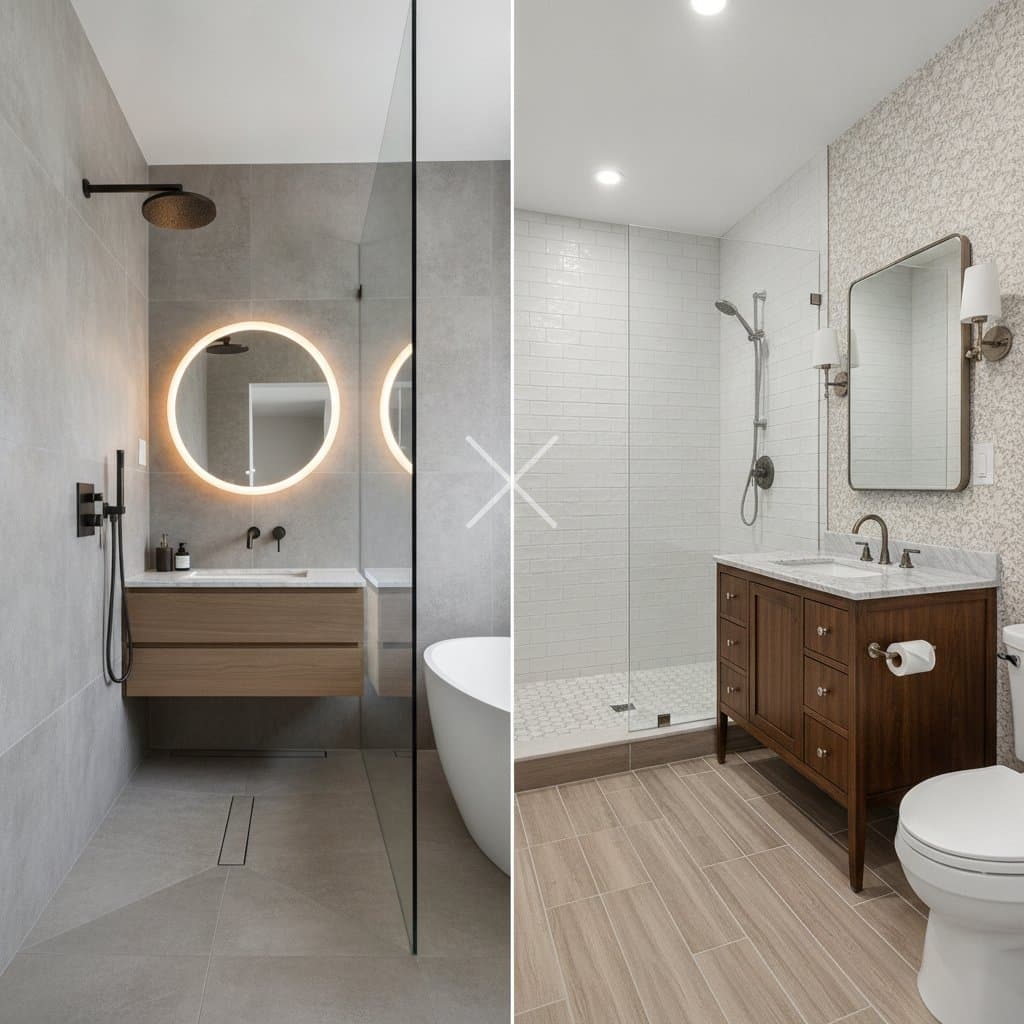
Practicality need not compromise visual appeal. Contemporary options combine durability with elegance. For instance, quartz surfaces withstand heavy use and come in varied textures mimicking natural stone.
Recommended choices include:
- Matte-finish porcelain tiles: Offer traction and a sophisticated appearance in wet areas.
- Expanded door frames: Accommodate 36-inch widths while maintaining trim proportions.
- Modular cabinet systems: Allow height adjustments and incorporate soft-close mechanisms.
- Contrasting color schemes: Light walls against medium-tone floors aid visual navigation for those with low vision.
Incorporate edge banding on countertops and subtle textures on steps to enhance spatial awareness.
Strategies for Budgeting and Project Planning
Effective planning optimizes resources and outcomes. Conduct a thorough home audit to pinpoint vulnerabilities, such as narrow hallways or dim corridors. Collaborate with a certified aging-in-place specialist (CAPS) or universal design contractor to align modifications with personal needs.
Key strategies involve:
-
Prioritizing core functionalities: Address primary circulation routes, illumination, and high-risk zones like bathrooms before aesthetic refinements.
-
Implementing phased approaches: Tackle immediate priorities, such as entry access and sanitation facilities, then proceed to secondary spaces.
-
Anticipating future needs: Strengthen structural elements for potential installations, like wall reinforcements for grab bars.
-
Investing in resilient materials: Opt for low-maintenance options that minimize ongoing upkeep and repair expenses.
-
Investigating financial support: Research available rebates, low-interest loans, or veteran benefits that cover accessibility adaptations.
Handling DIY Tasks Versus Professional Services
Individuals with basic skills can manage straightforward updates, including hardware replacements, fixture installations, or wall repainting. These efforts require standard tools and adherence to safety protocols. However, projects involving plumbing rerouting, electrical rewiring, or load-bearing alterations demand licensed experts to ensure compliance with building codes and prevent hazards.
Frequently Asked Questions
How should one select a contractor for aging-in-place projects? Seek professionals holding CAPS certification or equivalent expertise in universal design. Review portfolios of prior work and solicit client testimonials to verify reliability.
Do these modifications enhance property value? Accessibility features frequently boost resale appeal, particularly among demographics prioritizing long-term livability, potentially increasing market value by 5 to 10 percent.
Is it possible to achieve stylish results with universal design? Yes, innovative materials and configurations enable secure environments that reflect personal style preferences.
Sustaining Independence Through Adaptive Living
Investing in aging-in-place remodels secures ongoing autonomy and well-being. Modifications like expanded access points and intuitive controls streamline routines and alleviate concerns. As circumstances change, these adaptable spaces evolve alongside, preserving the familiarity and joy of home life for decades.